Groom Suit Style Calculator
Unsure if you should skip the tie? Answer these questions to get a personalized recommendation for your big day.
Your Style Verdict
Recommended Alternatives
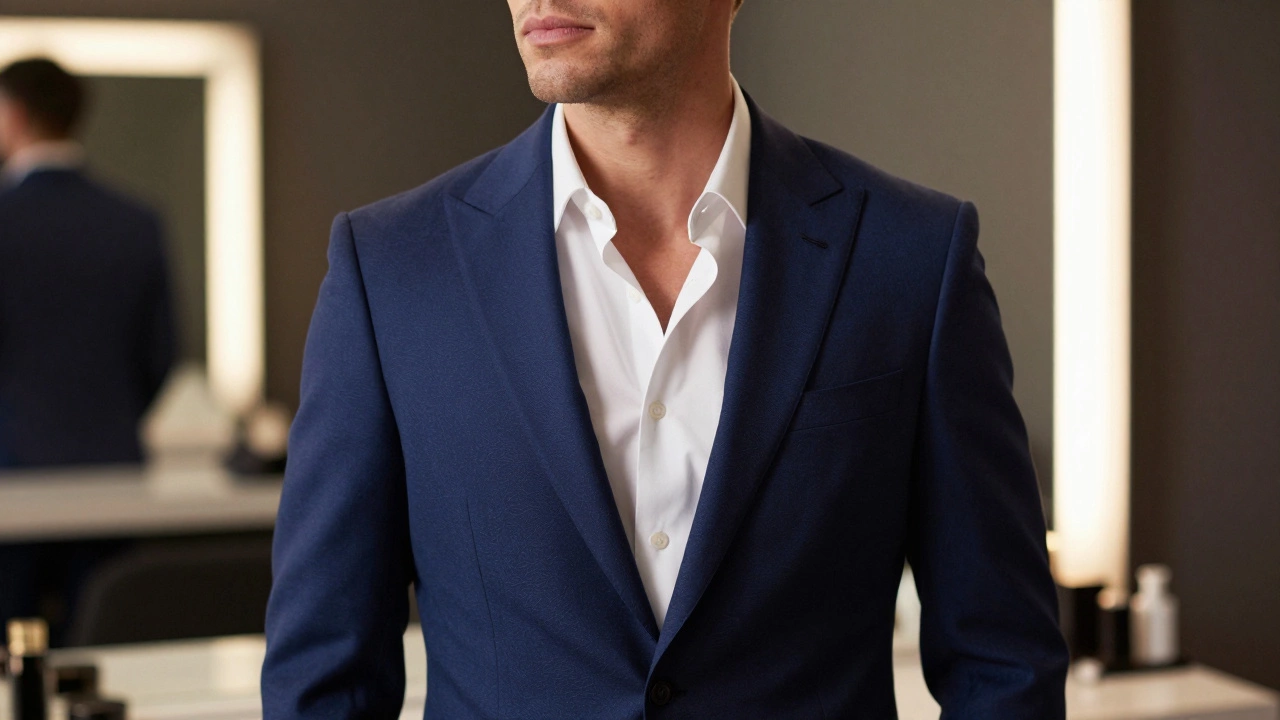
Picture this: It’s your wedding day. The lights are dimmed, the music is soft, and you’re standing in front of the mirror getting ready. You look down at your chest, expecting to see that stiff, formal knot pulling at your throat. But it’s not there. Instead, you have an open collar, maybe a crisp shirt buttoned just right, or perhaps a sleek cravat. You feel relaxed, confident, and undeniably stylish. For decades, the rule was absolute: if you were wearing a suit, you were wearing a tie. But in 2026, that rule is gathering dust.
The short answer is yes, absolutely, a groom can go without a tie. In fact, skipping the necktie has become one of the most popular ways to modernize a groom suit is the formal attire worn by the male partner during wedding ceremonies and receptions. However, just because you *can* doesn’t mean you should do it haphazardly. There is a fine line between looking effortlessly chic and looking like you forgot to get dressed. The key lies in understanding the context, choosing the right fabric, and balancing the rest of your outfit so the absence of a tie feels intentional, not accidental.
Why Ditch the Tie?
Let’s be honest about why men often hate ties. They are hot, they restrict breathing, and they require constant adjustment. If you’ve ever had to lean over to pick up a ring and felt your tie swinging into your face, you know the struggle. Beyond comfort, the shift away from ties reflects a broader cultural move toward authenticity in weddings. Couples today want their big day to reflect who they actually are, not what a etiquette book from the 1950s says they should be.
Going tie-less also allows the architecture of your suit to shine. When you remove the visual weight from the center of your chest, the eye is drawn to the lapels, the fit of the jacket, and the texture of the fabric. It creates a cleaner, more streamlined silhouette. This is particularly effective for grooms who prefer a minimalist aesthetic or those whose weddings are held in warm climates where heavy layers are unbearable.
When Is It Appropriate to Skip the Tie?
Context is king. While you technically *can* skip the tie anywhere, social norms still dictate certain levels of formality. Here is how to navigate the terrain:
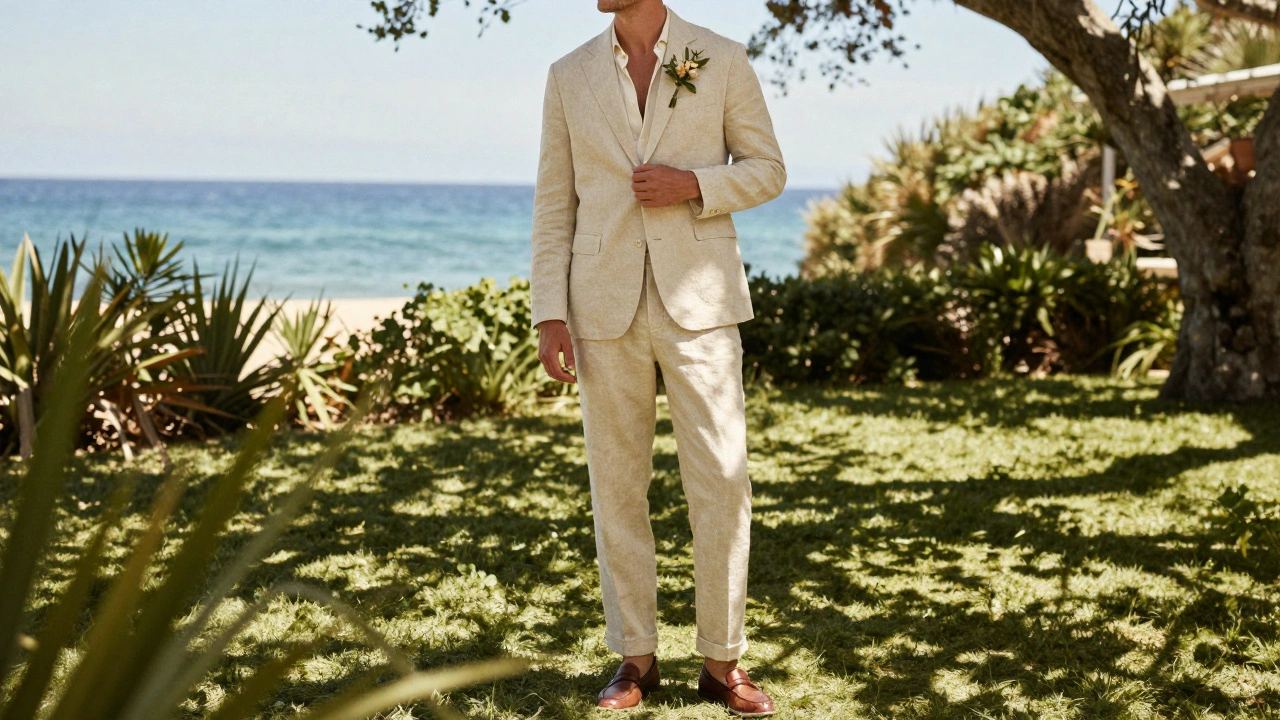
- Casual Beach or Garden Weddings: This is the sweet spot. A linen suit with an open collar and loafers looks perfect here. The relaxed environment matches the relaxed attire.
- Modern Urban Venues: Lofts, galleries, and city rooftops often embrace contemporary fashion. A sharp blazer with dark jeans or tailored trousers works well without a tie.
- Evening Receptions: If the ceremony is formal but the reception is a dance party, consider removing the tie after the vows. It signals a transition from solemnity to celebration.
- Religious Ceremonies: Be cautious. Many houses of worship expect traditional modesty and formality. Check with your officiant beforehand. If the venue is strict, keep the tie on for the ceremony and remove it later.
If you are planning a black-tie event, skipping the tie entirely is risky unless you opt for a specific alternative like a bow tie (which is mandatory for black-tie) or a very high-end tuxedo with a cummerbund and no shirt collar visible. For standard business-formal weddings, the tie-less look is increasingly accepted, provided the rest of the outfit is impeccable.
How to Pull Off the No-Tie Look
Without a tie to anchor your outfit, every other detail matters more. You cannot rely on the tie to add color or pattern; your shirt, jacket, and accessories must do the heavy lifting. Here is how to ensure you look polished, not sloppy.
1. The Shirt is Your Star
Since your neckline will be exposed, the shirt needs to hold its shape. Avoid thin, flimsy cottons that wrinkle easily or cling to the body. Opt for structured fabrics like poplin, twill, or even lightweight wool blends. The collar style is crucial. A spread collar or a cutaway collar stays open naturally and looks balanced. Button-down collars can sometimes look too casual or collapse inward when untucked, so use them with caution.
Consider the top button. Leaving it undone is the classic no-tie move. But for a slightly dressier vibe, button the top button while leaving the tie off. This creates a clean V-shape that frames the neck without exposing too much skin. Just ensure the shirt fits perfectly around the neck-too loose, and it looks baggy; too tight, and it chokes you.
2. Jacket Fit is Non-Negotiable
A tie helps fill out the space between the shirt collar and the jacket lapels. Without it, a poorly fitted jacket can look gaping or empty. Your wedding suit jacket is the outer garment that defines the silhouette and formality of the groom's attire. must fit snugly across the shoulders and chest. If the jacket is boxy, the lack of a tie will emphasize the emptiness. Tailoring is essential here. Spend the extra money to have the sleeves shortened and the waist tapered. A sharp silhouette compensates for the missing accessory.
3. Play with Textures and Layers
To avoid looking underdressed, introduce texture. A knit polo shirt under a blazer adds warmth and structure. A shawl-collar dinner jacket in velvet or silk offers a luxurious alternative to the standard peak lapel. These fabrics catch the light and draw attention, keeping the focus on your upper body. Layering also helps. A vest (waistcoat) worn without a tie is a sophisticated compromise. It covers the midsection, adds a layer of formality, and allows you to keep the top button of your shirt undone comfortably.
Alternatives to the Traditional Tie
If you want to break free from the standard necktie but still want some adornment at your neck, there are several stylish alternatives. Each carries a different vibe and level of formality.
| Style | Formality Level | Best For | Vibe |
|---|---|---|---|
| Bow Tie | High / Black-Tie | Evening weddings, formal balls | Classic, dapper, timeless |
| Ascot | Very High | Daytime formal events, royal-style weddings | Vintage, aristocratic, bold |
| Cravat | Medium-High | Romantic, rustic, or artistic weddings | Bohemian, soft, elegant |
| Open Collar | Low-Medium | Beach, garden, casual urban weddings | Relaxed, modern, approachable |
| Knit Polo | Medium | Smart-casual, autumn/winter weddings | Textured, cozy, sophisticated |
The bow tie is a short horizontal necktie tied in a bow shape, traditionally associated with formal evening wear. remains the safest bet if you want to stay formal but dislike long ties. It’s shorter, easier to breathe in, and adds a touch of personality. An ascot is a statement piece, best suited for grooms who love vintage aesthetics. Cravats offer a softer, drapery-like look that pairs beautifully with unstructured jackets.
Accessorizing Without a Tie
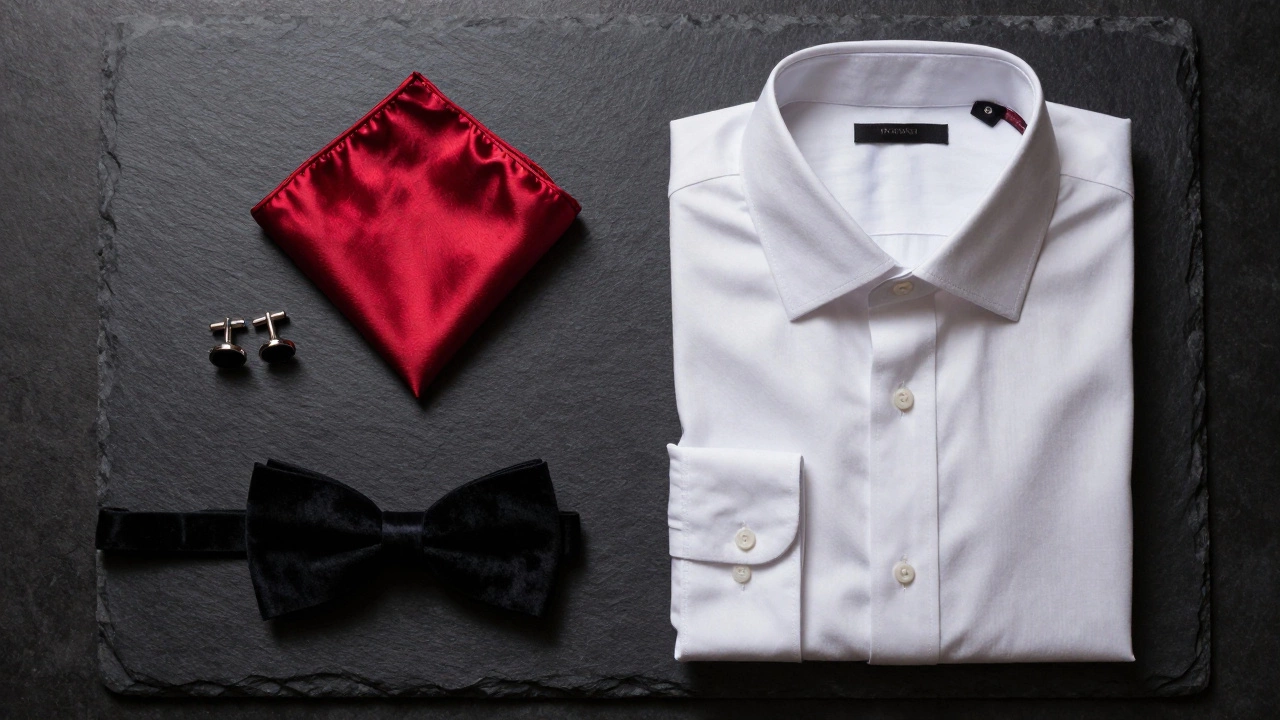
When you remove the tie, you lose a primary canvas for color coordination. To keep your outfit cohesive, turn to other accessories. Pocket squares are your best friend. A bright pocket square in your breast pocket draws the eye upward and adds a pop of color that replaces the visual interest of a tie. Choose a fold that complements your collar-like a puff fold for a casual look or a straight fold for something sharper.
Cufflinks are another opportunity. With an open collar, your cuffs are still visible, especially when you gesture or raise your arms. Invest in a pair of cufflinks that reflect your personality-maybe something with enamel, metalwork, or a subtle pattern. They add a hint of luxury without adding bulk.
Don’t forget your shoes and belt. Since the top half of your outfit is lighter, ensure the bottom half is grounded. Dark leather oxfords or monk straps provide a solid base. Match your belt to your shoes, and ensure both are polished. These details signal that you put thought into your entire ensemble, not just the parts people notice first.
Common Mistakes to Avoid
Even with the best intentions, it’s easy to misstep when going tie-less. Here are the pitfalls to watch out for:
- Wearing a wrinkled shirt: Without a tie to hide imperfections, wrinkles are glaring. Iron or steam your shirt meticulously.
- Choosing a low-quality fabric: Cheap polyester shines under lights and looks artificial. Stick to natural fibers like cotton, linen, or wool.
- Ignoring the groomsmen: If you go tie-less, decide if your groomsmen will follow suit. Mixing tied and untied looks can create visual chaos. Uniformity creates harmony.
- Over-accessorizing: Don’t compensate for the lack of a tie by adding a necklace, scarf, and loud pocket square all at once. Keep it simple. One focal point is enough.
- Looking disheveled: There’s a difference between relaxed and messy. Ensure your hair is styled, your facial hair is groomed, and your clothes fit. The no-tie look requires more effort to appear effortless.
Final Thoughts on Groom Style
Fashion rules exist to guide us, not to imprison us. The question isn’t really “Can a groom not wear a tie?” It’s “Does this choice make me feel confident and authentic on my wedding day?” If the answer is yes, then go for it. Just remember that confidence comes from preparation. Know your venue, know your audience, and know your fit. With the right shirt, the right jacket, and the right attitude, you can skip the tie and still steal the show.
Is it rude for a groom to not wear a tie?
Not necessarily. Rudeness depends on context. At a casual beach wedding, it’s perfectly appropriate. At a traditional church ceremony or a black-tie gala, skipping the tie might be seen as disrespectful to the formality of the occasion. Always consider your venue and guest expectations.
What should I wear under my suit if I don't wear a tie?
A high-quality, structured dress shirt is essential. Choose a fabric that holds its shape, like poplin or twill. You can also opt for a knit polo shirt for a smart-casual look, or a vest (waistcoat) to add formality and coverage while keeping the collar open.
Can I wear a bow tie instead of a regular tie?
Yes, absolutely. Bow ties are a classic alternative that maintains formality while offering a different aesthetic. They are mandatory for black-tie events but work well for semi-formal weddings too. They are often easier to breathe in than long ties.
Should my groomsmen match my no-tie look?
It is highly recommended that your groomsmen coordinate with you. If you are going tie-less, they should likely do the same to maintain visual unity. Mixed styles can look unintentional and chaotic in photos.
What kind of shirt collar looks best without a tie?
Spread collars and cutaway collars work best because they stay open naturally and frame the neck nicely. Button-down collars can look too casual or collapse, so use them sparingly. Ensure the collar fits snugly but comfortably around your neck.