Wedding Suit Confidence Checker
Not sure if your "normal" suit works for the big day? Answer three quick questions to get a tailored recommendation on appropriateness and styling tips.
Verdict:
Styling Recommendations
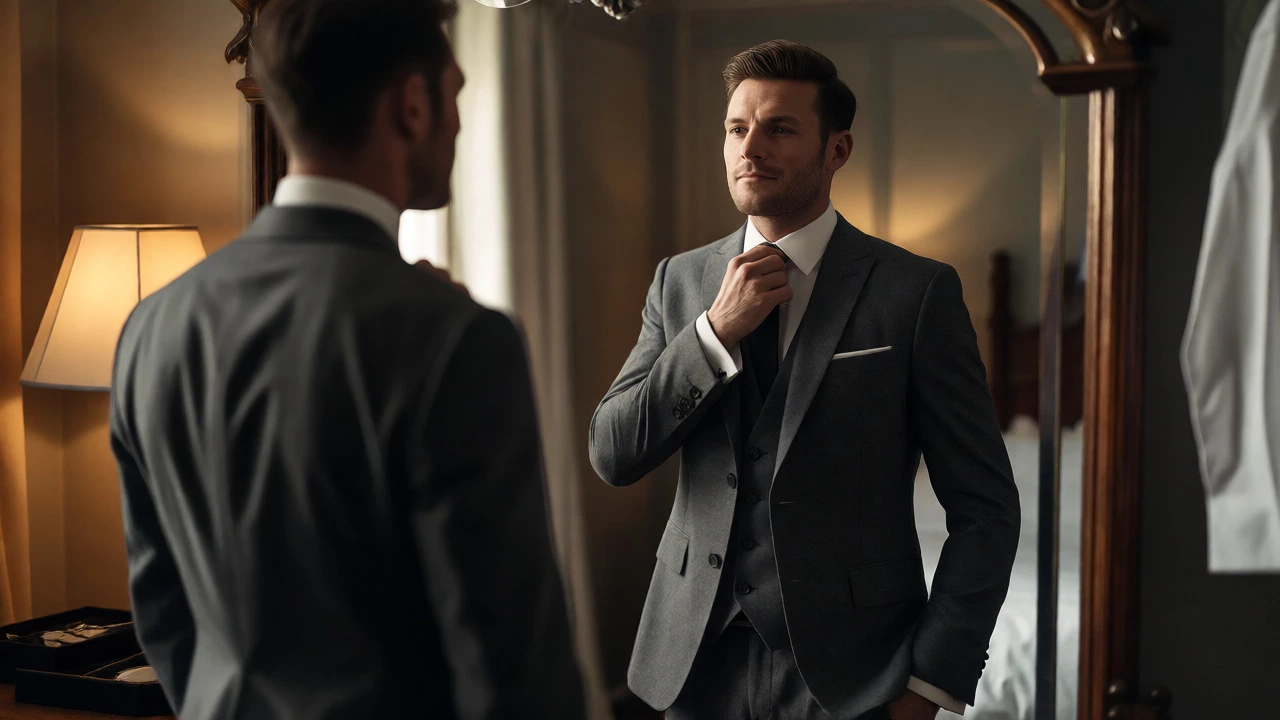
You’re standing in front of the mirror, holding a charcoal grey two-piece that you’ve worn to job interviews and funerals. It fits perfectly. You feel confident. But then your partner asks, "Is this really enough for our wedding?" The short answer is yes. But the longer, more nuanced answer depends entirely on the vibe of your day, the season, and how much effort you want to put into looking like you belong in the photo album next to your partner.
Here’s the truth: there is no universal rulebook that says a groom must wear a tuxedo or a bespoke three-piece. In fact, many modern couples prefer a look that feels authentic rather than theatrical. However, wearing a "normal" suit comes with risks. If you treat it exactly like office wear, you might blend into the background instead of standing out as the central figure of the ceremony. This guide breaks down how to make a standard suit work for a wedding without looking underdressed.
The Short Answer: Yes, With Conditions
A suit is a set of garments including a jacket and trousers made from the same fabric, typically used for formal business or social occasions. For a wedding, the condition is simple: elevate it. You aren't going to the office; you are attending a celebration where photography will be the primary memory keeper. A normal suit becomes appropriate when you adjust the context around it-fabric choice, fit, and accessories.
If your wedding is casual, daytime, or held outdoors, a well-tailored suit is often preferred over a stiff morning coat. If it’s a black-tie evening event, a normal suit might feel too light unless it’s a high-quality midnight blue or black wool. The key differentiator between "business casual" and "wedding ready" isn't always the cut of the jacket; it’s the intentionality behind the details.
When a Normal Suit Is Perfectly Appropriate
Context dictates formality. Here is when you can confidently skip the tuxedo rental line:
- Daytime Ceremonies: Natural light flatters lighter fabrics and softer structures. A navy or light grey suit looks sharp and comfortable in sunlight, whereas a black tuxedo can absorb heat and look harsh.
- Outdoor or Garden Weddings: Grass and uneven terrain make heavy formal wear impractical. A breathable linen-blend or cotton suit allows you to move freely without worrying about wrinkling or overheating.
- Casual Venues: Barns, breweries, beaches, or backyards rarely call for white tie. Matching the venue’s relaxed energy shows respect for the setting rather than ignoring it.
- Summer Weddings: Wool tuxedos can be stifling in July. A tropical-weight wool or seersucker suit keeps you cool while maintaining structure.
In these scenarios, a normal suit isn't just acceptable-it’s often the smarter stylistic choice. It signals that you value comfort and authenticity over rigid tradition.
How to Elevate a Standard Suit for Wedding Day
If you’re sticking with your existing wardrobe, you need to bridge the gap between "workwear" and "celebratory." You don’t need to buy a new suit; you need to style it differently.
1. Fit Is Non-Negotiable
An ill-fitting tuxedo looks worse than a perfectly tailored suit. Most men buy suits off-the-rack, which means they rarely fit the shoulders or waist correctly. Take your suit to a tailor. Shorten the sleeves so half an inch of shirt cuff shows. Taper the trousers so they break lightly at the shoe. This small investment transforms a generic garment into something custom-feeling.
2. Upgrade the Shirt
Your everyday white button-down is likely too soft or wrinkled for a wedding. Swap it for a crisp, high-thread-count poplin or twill shirt. Consider a spread collar, which frames the face better and accommodates a wider knot. A subtle pattern, like a fine micro-check or faint stripe, adds visual interest without breaking formality.
3. Accessorize Intentionally
This is where the magic happens. A normal suit becomes a wedding outfit through accessories:
- Tie or Bow Tie: Move away from silk ties with corporate patterns. Choose textures like knitted wool, grenadine, or velvet (for winter). A bow tie instantly elevates a standard lapel.
- Pocket Square: Never match your pocket square exactly to your tie. Use a contrasting color or texture. A white linen puff is classic; a colored silk fold is bold.
- Shoes: Leave the scuffed oxfords at home. Polish your leather shoes until they shine, or opt for suede loafers if the vibe is semi-formal. Cleanliness and polish signal care.
- Boutonniere: Pinning a flower to your lapel immediately distinguishes you from guests. It’s a small detail with high visual impact.
4. Watch the Fabric Weight
Business suits are often made from worsted wool designed for durability and wrinkle resistance. Wedding suits benefit from richer textures. If you own a flannel suit, wear it in autumn. If you have a lightweight fresco wool, use it in spring. Texture catches the camera light better than flat, shiny polyester blends.
Suit vs. Tuxedo: Making the Right Choice
Confusion often stems from not knowing the technical differences. While both are formal wear, they serve different purposes. Here is a quick comparison to help you decide if your "normal suit" needs an upgrade.
| Feature | Normal Suit | Tuxedo |
|---|---|---|
| Fabric | Matte wool, cotton, linen, blends | Wool with satin or grosgrain facings on lapels/pockets |
| Lapels | Notch or peak lapels (matte) | Peak or shawl lapels (shiny satin facing) |
| Trousers | Standard waistband, belt loops common | No belt loops, satin side stripe, higher rise |
| Shirt | Standard collars, buttons visible | Pleated or piqué front, wing or turndown collar, studs |
| Best For | Daytime, outdoor, casual, summer weddings | Evening, indoor, black-tie, winter weddings |
| Vibe | Approachable, modern, versatile | Traditional, elegant, ceremonial |
If your invitation says "Black Tie," a normal suit is technically incorrect. However, if it says "Formal" or "Semi-Formal," a dark, well-accessorized suit is perfectly acceptable. Many modern invitations omit strict codes, leaving room for interpretation. When in doubt, ask your partner what they envision. Do they see you in a tuxedo or a suit?
Common Pitfalls to Avoid
Wearing a normal suit fails when it looks like you forgot to change after work. Avoid these mistakes:
- Matching the Guests Too Closely: If most men are wearing grey suits, consider a navy or earth tone to stand out slightly. You are the groom, not one of the attendees.
- Ignoring the Season: Wearing a heavy tweed suit in a humid August afternoon looks uncomfortable. Wearing a linen suit to a December church service looks out of place. Match the weight to the weather.
- Over-Accessorizing: You don’t need a pocket watch, lapel pin, tie bar, and boutonniere all at once. Pick two focal points. Less is more.
- Neglecting Comfort: If your suit restricts your movement, you’ll look stiff in photos. Ensure you can raise your arms and sit comfortably.
Real-Life Scenarios: What Would I Wear?
Let’s apply this logic to specific situations. Imagine you live in Dublin and are planning a wedding in October.
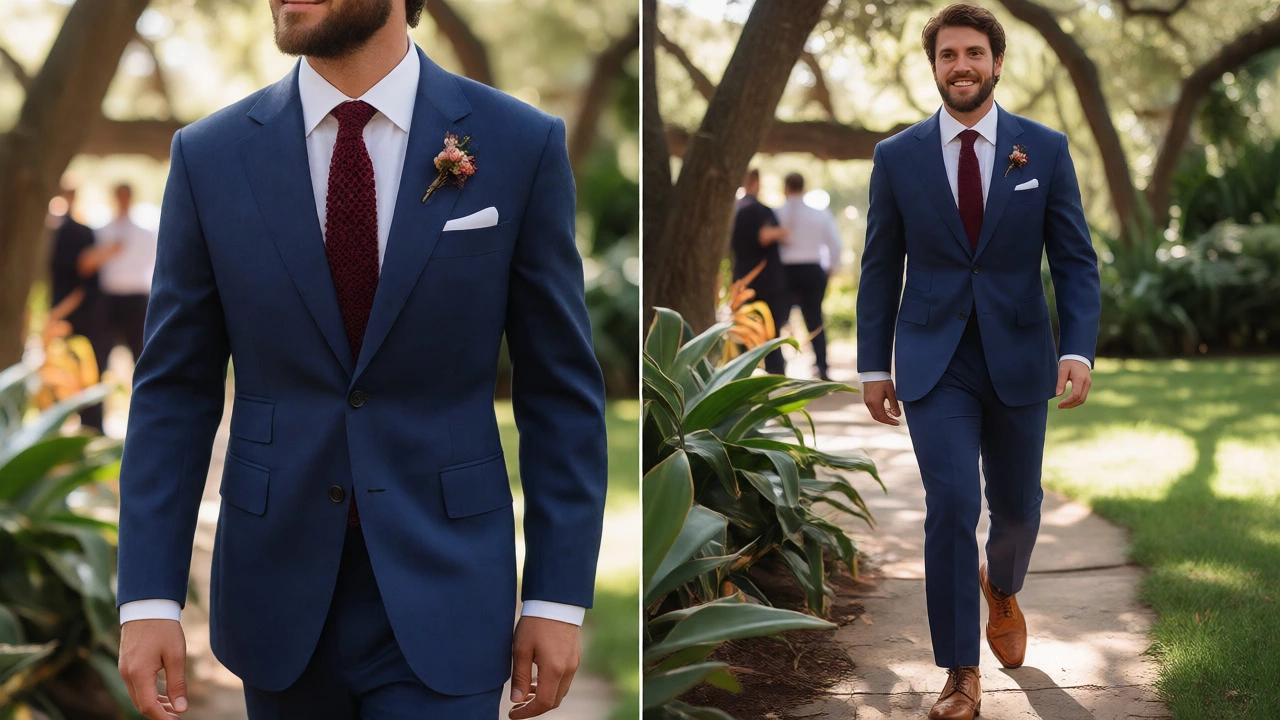
Scenario 1: The City Hall Ceremony You’re marrying at a registry office followed by a pub lunch. A dark navy suit with a white shirt and a textured burgundy tie is perfect. It’s respectful but not stuffy. Add brown brogues and a white linen pocket square. Done.
Scenario 2: The Country House Wedding The ceremony is in a chapel, dinner in a banquet hall. The weather is chilly. A charcoal grey flannel suit works beautifully. Pair it with a light blue shirt, a grey knit tie, and black derbies. The flannel texture absorbs the autumn light nicely and keeps you warm.
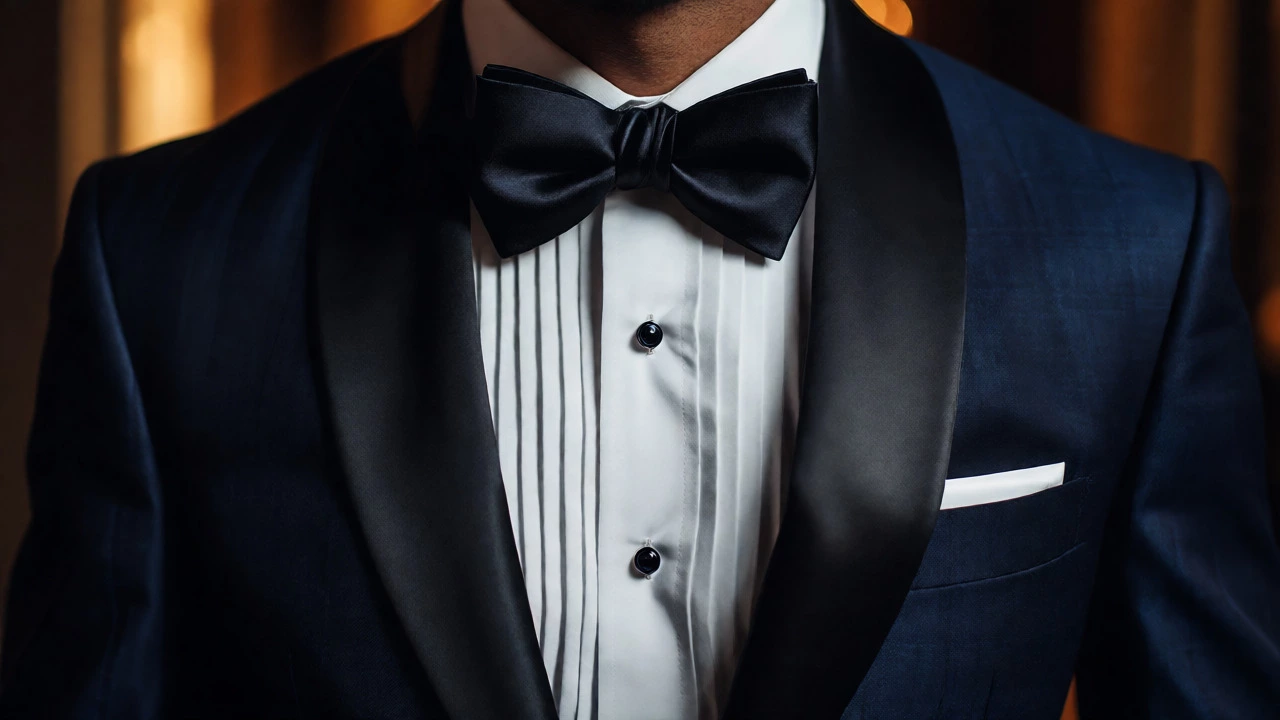
Scenario 3: The Evening Gala Your partner wants a glamorous night. The venue is a historic hotel ballroom. Here, your normal suit might fall short. If you only own a suit, choose the darkest, sharpest one you have. Add a black bow tie, a white pleated shirt, and patent leather shoes. It won’t be a true tuxedo, but it passes as "black tie optional" if executed with precision.
Final Verdict: Own Your Look
Can a groom wear a normal suit? Absolutely. The trend toward personalized weddings means couples are ditching rigid traditions for outfits that reflect who they are. If you hate tuxedos, forcing yourself into one will show in your posture and smile. A great suit, tailored to perfection and styled with care, looks far better than an ill-fitting tuxedo worn with resentment.
The goal isn't to follow every rule in etiquette books written in the 1950s. The goal is to look like the best version of yourself on the most important day of your life. If a normal suit does that, wear it with confidence. Just remember: tailoring and accessories are your secret weapons. They turn the ordinary into the extraordinary.
Is it okay to wear a suit to a black-tie wedding?
Technically, no. Black-tie requires a tuxedo. However, if you cannot rent or buy one, a dark, solid-colored suit (midnight blue or black) with a black bow tie and polished shoes is the best compromise. Avoid grey or brown suits for black-tie events.
What color suit is best for a groom?
Navy blue is the most versatile and flattering color for most skin tones. Charcoal grey is excellent for formal settings. Lighter shades like beige or pastel blues work well for daytime or outdoor weddings. Black is traditional but can sometimes look like funeral attire if not paired with festive accessories.
Should the groom's suit match the groomsmen's suits?
It’s not necessary, but it helps visually. A common strategy is to have the groom wear a distinct element-like a different color tie, a vest, or a unique boutonniere-while the groomsmen wear matching suits. Alternatively, everyone wears the same suit, but the groom stands out via superior tailoring or accessories.
Can I wear my wedding suit again?
Yes, that’s one of the biggest advantages of choosing a suit over a tuxedo. A navy or grey suit is highly reusable for job interviews, other weddings, or formal dinners. A tuxedo has limited re-wear potential outside of very formal events.
Do I need a vest/waistcoat with a normal suit?
No, but it adds a layer of formality and visual interest. A waistcoat creates a vertical line that elongates the torso and looks great in photos. If you remove your jacket during the reception, a waistcoat keeps you looking polished compared to just a shirt and tie.