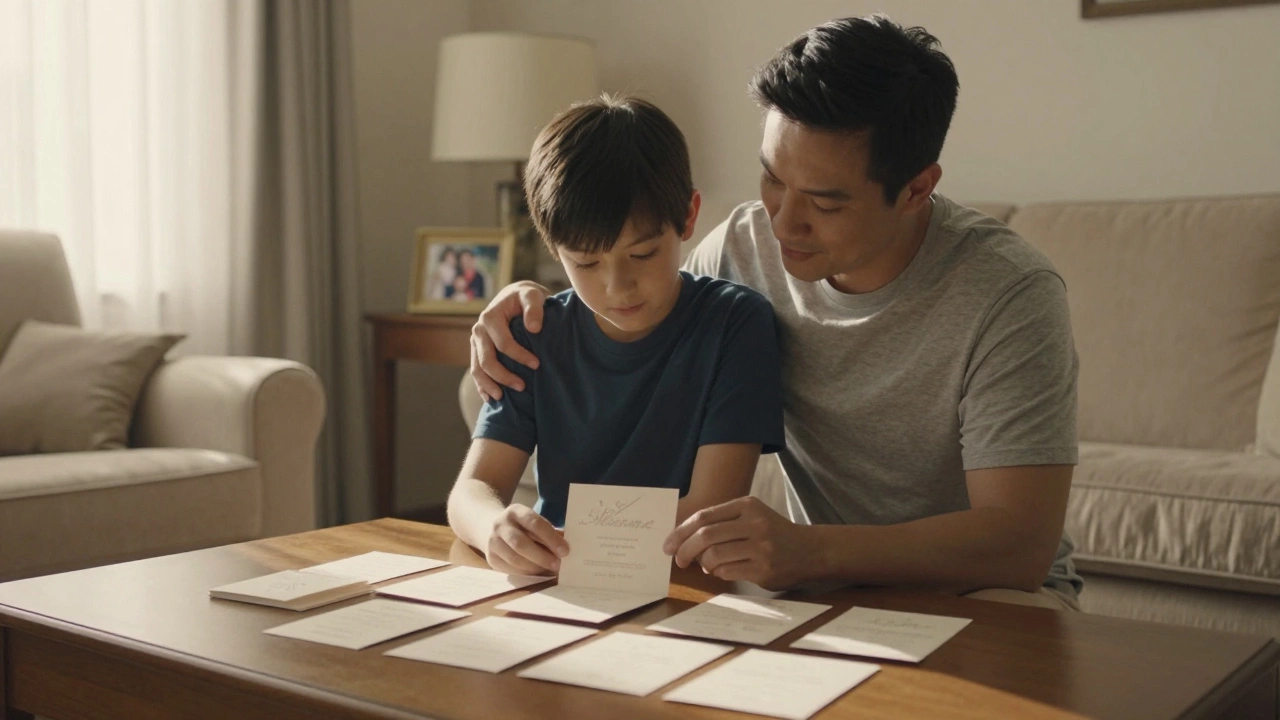
Wedding Gift Decision Tool
Not sure what to give? Answer three quick questions to get a personalized recommendation based on current etiquette.
Intimate/Private
Rehearsal dinner or before the ceremony.
Public/Celebratory
During a speech at the reception.
Recommended Gift Strategy
Why this works:
Specific Ideas:
It’s June 2026, and if you’re standing in your kitchen staring at a stack of wedding invitations, you might be feeling a mix of excitement and anxiety. You’ve picked the paper, chosen the font, and maybe even debated whether to include a QR code for RSVPs. But there’s a bigger question looming that has nothing to do with ink or envelopes: Do you actually give your son a gift on his wedding day?
The short answer is yes. In fact, it’s one of the most meaningful gestures you can make. But unlike buying a toaster for a housewarming, this isn’t just about handing over an item. It’s about honoring the transition from son to husband, acknowledging the new family unit he’s building, and offering support for the life ahead.
Is it mandatory to give a gift?
While not legally required, social etiquette strongly expects parents to give a significant gift or financial contribution to their child’s wedding. It serves as a blessing and a practical help.
The Shift from Child to Partner
When your son was younger, gifts were toys, bikes, or video games. They were things he consumed. On his wedding day, the dynamic changes completely. He is no longer just your son; he is a partner. The gift you give him reflects this new status. It’s less about "look what I got you" and more about "I see who you are becoming, and I support you."
This shift often causes confusion for parents. Many worry about overshadowing the bride’s family or giving something too casual. The key is intentionality. A thoughtful gift bridges the gap between your past relationship with him as a parent and your future relationship with him as an adult peer. It acknowledges that while you raised him, he now shares his life with someone else.
Consider the emotional weight of the moment. When you hand him a gift during the reception or before the ceremony, you are publicly validating his choice of partner. This public endorsement matters. It signals to guests, and perhaps more importantly to the couple, that you are invested in their happiness, not just the event itself.
Traditional vs. Modern Expectations
In previous decades, the role of the parents of the groom was often defined by strict etiquette rules. If the bride’s family paid for the wedding, the groom’s parents might host the rehearsal dinner. Gifts were expected but often kept private. Today, in 2026, weddings are increasingly collaborative. Couples pay for their own events, families contribute piecemeal, and roles are fluid.
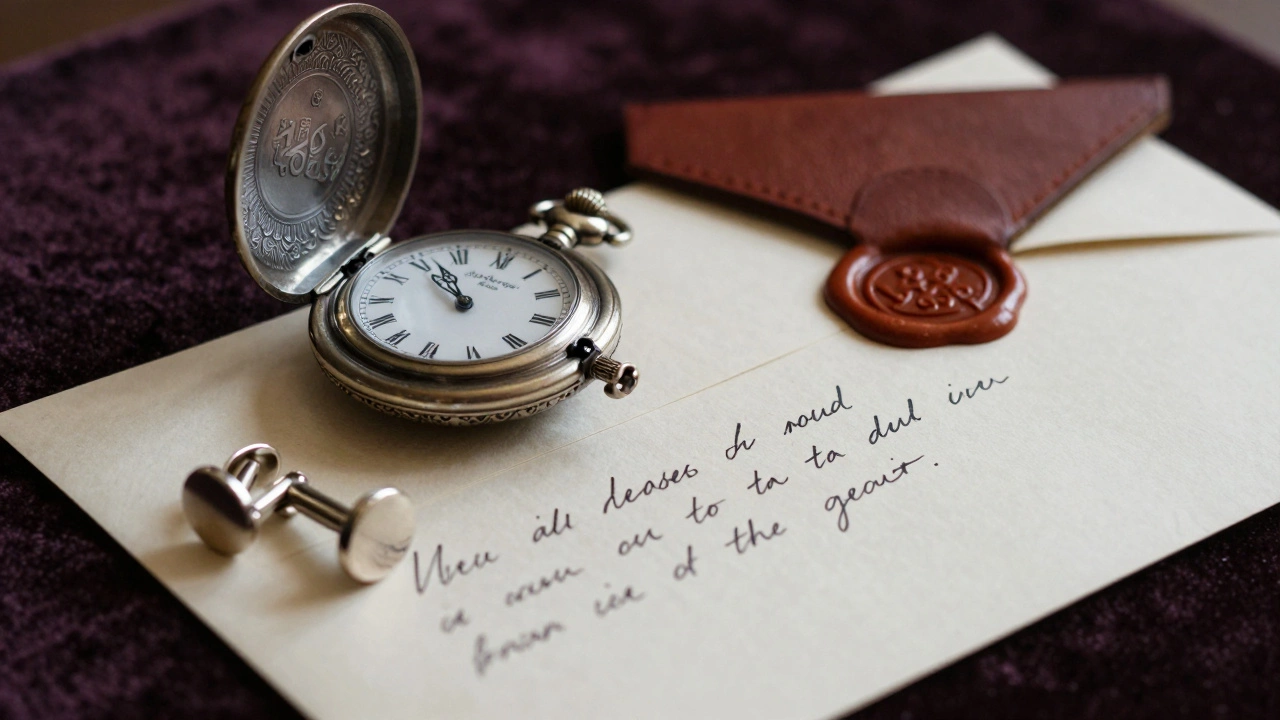
This modern landscape means your gift doesn’t have to follow a rigid script. However, certain traditions remain powerful because they carry symbolic weight. For example, giving a piece of jewelry-like a tie clip, cufflinks, or a watch-is a classic move. These items are worn on the big day, serving as a constant, subtle reminder of your presence and love throughout the celebration.
Conversely, some couples prefer experiences over objects. Maybe your son and his new spouse dream of a honeymoon trip to Japan or a weekend cabin getaway. Contributing to these experiences shows you understand their current desires rather than imposing your own ideas of what makes a good gift.
| Aspect | Traditional Approach | Modern Approach (2026) |
|---|---|---|
| Timing | Given privately before the wedding | Often presented publicly at the rehearsal dinner or reception |
| Type | Jewelry, heirlooms, cash | Experiences, home improvements, personalized art |
| Focus | Symbols of lineage and status | Support for the couple’s shared future |
| Budget | Fixed percentage of income | Flexible based on financial ability and relationship |
Choosing the Right Gift: Practical Considerations
So, what should you actually buy? The best gifts fall into three categories: sentimental, practical, and financial. Let’s break them down so you can choose what fits your relationship with your son and his budget.
Sentimental Gifts
Sentimental gifts tap into memory and emotion. Think about items that have been in your family for generations. A grandfather’s pocket watch, a vintage letter opener, or a framed photo of you and his father (if applicable) can be incredibly moving. These items tell a story. They say, "You are part of a larger narrative."
If you don’t have heirlooms, create one. Commission a custom illustration of the couple’s first meeting, or write a heartfelt letter detailing your hopes for their marriage. Letters are underrated. In a digital age, physical words from a parent carry immense weight. Your son will likely keep that letter forever, reading it on tough days when he needs a reminder of unconditional support.
Practical Gifts
Newlyweds often need help setting up their first shared home. While friends might chip in for a blender, parents can tackle bigger-ticket items. A high-quality mattress, a premium coffee maker, or a set of tools for the garage are gifts that improve daily life. These aren’t flashy, but they show you care about their comfort and well-being.
Another practical option is a service. Hire a professional organizer to help them unpack and set up their new home. Or offer to handle the landscaping for their first year. These gifts save time and energy, which are two commodities new couples desperately lack.
Financial Contributions
Cash is king in the world of weddings. Many couples use registry funds to cover honeymoon costs or down payments on a house. Giving a check allows them to allocate resources where they need them most. It’s flexible and deeply appreciated.
If you’re considering a large financial gift, discuss it openly with your son beforehand. Surprise checks can sometimes cause awkwardness if the amount is unexpectedly large or small. Transparency ensures the gift is received with gratitude rather than confusion. Also, consider tax implications if the amount exceeds annual exclusion limits, though for most family gifts, this isn’t a concern.
The Role of Wedding Invitations in Gift-Giving
You might wonder how wedding invitations fit into this conversation. They do, indirectly. The invitation sets the tone for the entire event. If the invite is formal and black-tie, guests expect traditional gifts. If it’s casual and beach-themed, expectations shift toward relaxed, personal tokens.
As parents, you’ll receive your own copy of the invitation early on. Use this as a clue. Does the couple mention a "no gifts" policy? Some modern couples explicitly state this to reduce pressure on guests. If they do, respect it. Your gift can then be purely sentimental-a letter or a small keepsake-rather than a material object.
Additionally, the wording on the invitation can hint at the couple’s values. If they emphasize sustainability, consider an eco-friendly gift like a donation to a charity in their name or a potted plant instead of cut flowers. Aligning your gift with their stated values shows you listened and care about what matters to them.
Timing and Presentation
When and how you give the gift matters almost as much as the gift itself. There are two main windows: the rehearsal dinner and the wedding day.
The rehearsal dinner is intimate. It’s usually just close family and the wedding party. This is a perfect time to present a sentimental gift, like a letter or an heirloom. You can speak quietly, share a hug, and let the moment sink in without the pressure of a crowd watching.
The wedding day, particularly during the reception, is more public. If you plan to give a speech, you can incorporate the gift presentation there. Handing over a card or a small box while you toast the couple adds a visual element to your words. Just ensure the gift isn’t so large that it becomes a logistical nightmare to transport across the venue.
Avoid giving the gift at the last minute. Don’t wait until you’re saying goodbye at the end of the night. Plan ahead. Coordinate with the couple or the wedding planner to ensure the gift is secure and ready when needed.

Navigating Sibling Dynamics
If your son has siblings, you’ll want to consider fairness. Do you give each sibling a similar gift? Not necessarily. Each relationship is unique. However, perceived inequality can cause tension. If you give your son $5,000 for a house down payment, giving his sister a $50 gift card for her birthday might look bad.
The solution is consistency in effort, not necessarily value. Put the same thoughtfulness into every sibling’s major life events. Communicate openly if budgets differ. Most adults understand that financial situations change, and as long as the love is evident, the dollar amount takes a back seat.
Common Pitfalls to Avoid
Even with good intentions, parents can stumble. Here are a few common mistakes:
- Buying from the Registry Without Checking: Always confirm what’s still available. Nothing is worse than showing up with a duplicate toaster because you didn’t check the online list.
- Making It About You: Avoid gifts that highlight your achievements or tastes. No framed photos of you unless requested. The day is about the couple.
- Last-Minute Rushes: Ordering custom items weeks before the wedding risks delays. Order early or stick to store-bought options if time is tight.
- Ignoring the Partner: Remember, you’re marrying your son *into* a family. Include his new spouse in your thoughts. A gift that benefits both of them is always better than one that only targets your son.
Final Thoughts on Meaningful Gestures
Giving a gift to your son on his wedding day is less about the price tag and more about the message. It’s a way of saying, "I’m proud of you, I welcome your partner, and I’m here for you." Whether it’s a handwritten letter, a financial boost, or a cherished heirloom, the act itself strengthens the bond between you and your growing family.
Don’t stress over perfection. Focus on authenticity. Your son knows you. He knows your style. A gift that feels like *you* will be cherished more than anything trendy or expensive. Take a deep breath, enjoy the process, and get ready to celebrate the man he’s become.
What is the average amount parents spend on a wedding gift?
There is no fixed average, as it depends heavily on regional costs and family finances. In 2026, many parents contribute between $1,000 and $5,000, either as cash or towards specific wedding expenses. The key is to give what you can comfortably afford without causing financial strain.
Should the gift be given to the couple or just the son?
Always address the gift to both partners. Even if you feel a closer bond with your son, the wedding marks the beginning of their joint life. Addressing the card to "The Couple" or including both names shows respect for the union.
Can I give a gift if I’m not attending the wedding?
Yes, absolutely. Distance or scheduling conflicts don’t negate the importance of the occasion. Send a heartfelt card and a check or shipped gift well in advance of the wedding date.
Is it okay to ask the couple what they want?
It is perfectly acceptable to ask subtly. You can say, "We’d love to contribute to your honeymoon or new home. Is there anything specific you’re saving for?" This opens the door for guidance without demanding a direct request.
How do wedding invitations influence guest gifts?
Invitations set the tone. Formal invites suggest traditional gifts, while casual ones allow for more creative or personal tokens. Additionally, details like dress code and venue type help guests gauge the level of formality and appropriate spending.