Wedding Staff Meal Budget Calculator
Event Details
Select Meal Option
Estimated Cost Breakdown
Picture this: It’s 10 PM. Your guests are dancing, the band is playing, and you’re finally eating that slice of cake you’ve been dreaming about since morning. Meanwhile, in the back corner of the venue, your waiters and bartenders are standing on their feet for the tenth hour straight, running plates and pouring drinks. They haven’t eaten since breakfast.
If you don’t feed them, they will get hangry. And when service staff are hungry, tired, and irritable, your wedding service suffers. So, do you feed catering staff at a wedding? The short answer is yes. But the long answer involves contracts, budgets, and a little bit of human decency that goes a long way.
The Golden Rule: Check Your Contract First
Before you worry about what kind of food to buy, look at the paperwork. In 90% of cases, if you hired a full-service catering company, feeding their own staff is their responsibility, not yours.
Catering companies operate on thin margins. They calculate the cost of labor, including breaks and meals, into their per-head price. If you see a line item for "staff meals" or "crew meals" on your invoice, it usually means the caterer expects you to provide the food because they didn't include it in their base quote. This is common with smaller venues or freelance servers rather than large corporate catering firms.
Ask your coordinator directly: "Who is responsible for providing meals for the service team?" Get the answer in writing. If the contract says the caterer handles it, great. You can skip the rest of this guide. If it says "client provides," read on.
Why Feeding Staff Matters More Than You Think
This isn't just about being nice. It’s about performance. A server who hasn’t eaten in six hours has low blood sugar. They move slower, make mistakes, and have less patience when a guest asks for the third refill of water.
Think of your wedding day like a sports game. The players (your staff) need fuel to perform. If you neglect their basic needs, the quality of service drops. I’ve seen weddings where the couple saved $500 by skipping crew meals, only to have the head waiter snap at a grandmother because he was starving and exhausted. That $500 savings wasn’t worth the stress.
Feeding staff also builds goodwill. These people are working hard for you. When you treat them well, they go the extra mile. They might bring you an extra glass of champagne during your toast or ensure your grandma gets her favorite seat. Kindness pays off in unexpected ways.
What Should You Serve? Practical Menu Ideas
You don’t need to serve a five-course meal to the crew. In fact, fancy food is often a bad idea. Here’s why:
- Finger foods work best. Staff eat quickly, often while standing up or between shifts. Food that requires a knife and fork is inconvenient.
- Avoid strong smells. Fish, heavily spiced curries, or garlic-heavy dishes can linger on breath and clothes. This is awkward for staff who need to be near guests.
- Keep it simple. Complex meals take time to plate and clean up. Simple items reduce waste and cleanup time.
Here are three reliable options that almost everyone loves:
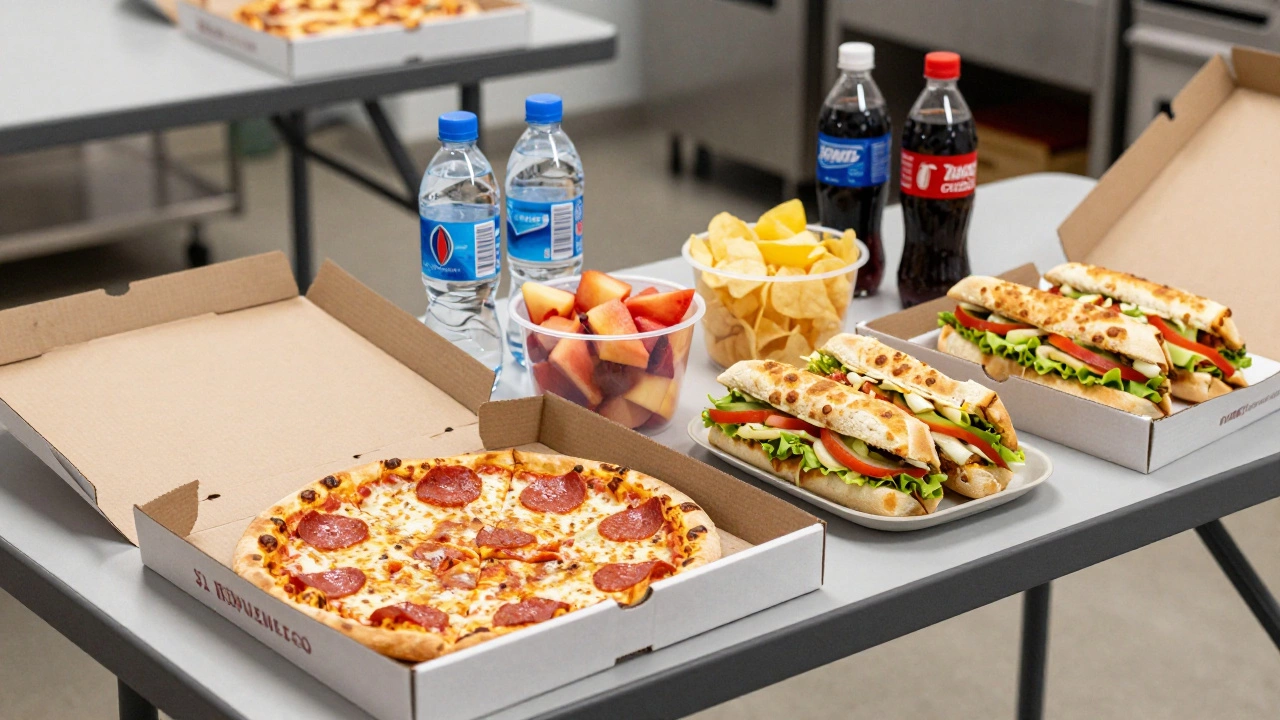
- Pizza Party. Order from a local pizzeria. It’s cheap, easy to distribute, and universally liked. Just make sure to order enough variety (cheese, pepperoni, veggie) to cover dietary restrictions.
- Sub Shop Sandwiches. Call a local sub shop an hour before the meal service starts. Freshly made sandwiches are filling and easy to eat. Add some chips and fruit cups on the side.
- Boxed Lunches. If you have a caterer who can prep boxes, ask for simple sandwiches, a salad, and a cookie. Boxed lunches are tidy and prevent cross-contamination with guest food.
Don’t forget drinks! Water, soda, and maybe some juice. Dehydration hits fast in hot venues. Keep a cooler stocked with cold water for the staff area.
Timing Is Everything: When Do They Eat?
Even the best food fails if served at the wrong time. You must coordinate meal times with your wedding planner or catering manager.
Standard practice is two meal breaks:
- First Meal: During cocktail hour or early dinner service. This is usually around 6:00 PM - 7:00 PM. Staff eat while guests are mingling or just sitting down.
- Second Meal: Late evening, after dessert is served but before the last call. This is usually around 10:00 PM - 11:00 PM. This keeps energy levels high for the final rush of clearing tables.
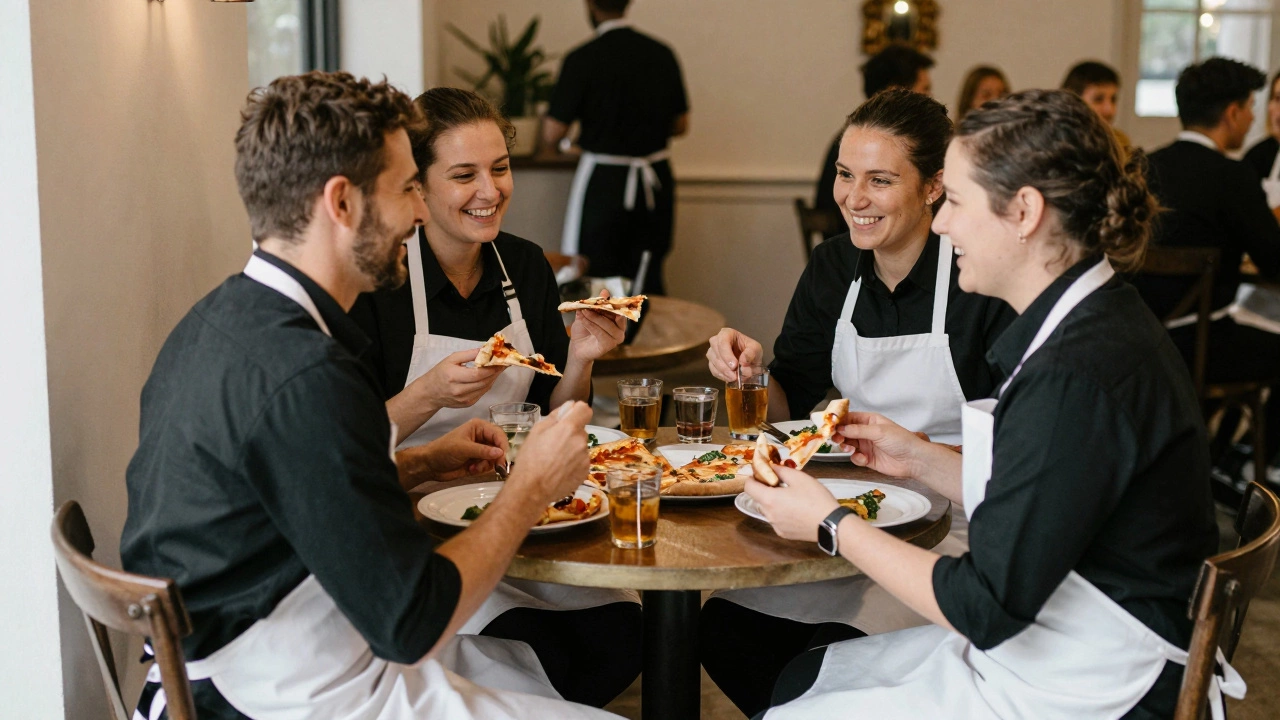
Never let staff eat during peak dinner service. They need to be on the floor serving guests. Also, ensure they have a designated quiet area to eat. Don’t make them huddle behind a curtain in the bathroom. A small table in the kitchen or a back room shows respect.
Budgeting for Crew Meals
If you’re paying for crew meals, how much should you budget? A good rule of thumb is $15 to $25 per staff member per meal. For a typical wedding with 10-15 staff members, that’s $300-$600 total for the night.
Compare this to the cost of poor service. One bad review or a memorable incident of rude behavior can haunt you. Spending a few hundred dollars ensures smooth sailing. Plus, many couples tip the staff generously anyway. Providing a free meal reduces the pressure on the tip jar, though tipping is still expected and appreciated.
If you’re on a tight budget, prioritize pizza over subs. Pizza is generally cheaper per person and easier to order in bulk. Ask friends or family if anyone wants to join the staff meal. Sometimes, a bridesmaid or groomsman might want a quick bite too. It saves money and builds camaraderie.
Special Dietary Needs and Allergies
Just like your guests, your staff may have allergies or dietary preferences. Always ask your catering manager or lead server about any known allergies among the crew. Gluten-free, vegan, or nut-free options should be available if needed.
If you’re ordering pizza, make sure one box is dairy-free or vegan if someone requested it. It costs almost nothing extra and prevents a medical emergency or an unhappy employee. Ignoring allergies is negligent and dangerous. Always err on the side of caution.
Tipping vs. Feeding: What’s the Norm?
Feeding staff does not replace tipping. Tipping is separate compensation for their service. The standard tip for wedding catering staff is 15-20% of the total catering bill, split among the team. Some couples give individual envelopes to key staff like the captain or bartender.
Providing a meal is a perk. Tipping is payment. Do both. If you provide excellent meals and generous tips, your staff will remember you fondly. They’ll talk about your wedding as a "good job" in the industry. That reputation helps if you ever hire them again for another event.
| Option | Cost Per Person | Pros | Cons |
|---|---|---|---|
| Pizza | $8 - $12 | Cheap, fast, popular | Can be messy, limited dietary options |
| Sub Shop | $10 - $15 | Fresh, customizable, healthy | Requires advance order, more expensive |
| Boxed Lunches | $15 - $25 | Tidy, professional, balanced | Most expensive, needs prep time |
Common Mistakes to Avoid
I’ve seen couples make these errors. Don’t be one of them:
- Forgetting the count. Did you count the photographer? The DJ? The officiant? Usually, only catering staff eat the crew meal, but clarify who is included. Extra mouths mean extra food.
- Serving late. If the meal arrives after the first dance, staff are already exhausted. Stick to the schedule.
- Using leftover guest food. Never serve staff the scraps from the buffet. It’s unsanitary and disrespectful. Order fresh food specifically for them.
- No seating. If there’s nowhere to sit, they’ll stand and eat quickly, which leads to indigestion and discomfort. Provide chairs.
Small details matter. A napkin dispenser, wet wipes, and trash bags in the staff area show you care about their comfort. It creates a positive environment for everyone.
Is it mandatory to feed wedding catering staff?
It depends on your contract. Most full-service caterers feed their own staff as part of their labor cost. However, if you hired independent servers or a venue that doesn't include staff meals, you are responsible for providing food. Always check your agreement beforehand to avoid surprises.
What is the best food to serve wedding staff?
Pizza, sandwiches, and boxed lunches are the best options. They are easy to eat quickly, don't require utensils, and are generally affordable. Avoid foods with strong odors like fish or heavy spices, as staff need to remain close to guests.
When should catering staff eat during the wedding?
Staff typically eat twice. The first meal is during cocktail hour or early dinner service (around 6-7 PM). The second meal is late evening, after dessert but before the end of the night (around 10-11 PM). This ensures they have energy throughout the entire event.
Does providing staff meals replace tipping?
No, providing meals does not replace tipping. Tipping is a separate gratuity for service, typically 15-20% of the catering bill. Feeding staff is a courtesy and a necessity for their well-being, while tipping rewards their hard work and professionalism.
How much should I budget for crew meals?
Budget approximately $15-$25 per staff member per meal. For a standard wedding with 10-15 staff members, expect to spend $300-$600 total for the night. This covers food and drinks for two meal breaks. It's a small investment compared to the value of good service.