Ring Wearing Style Finder
Not sure how to wear your rings? Answer these quick questions to find the style that fits your life.
You just said "I do." The crowd cheers, the cake is cut, and now you’re staring at your left hand. There’s a sparkly diamond sitting there from the proposal, and suddenly, a plain gold or platinum band slides on top of it during the ceremony. Now what? Do you keep them both stacked forever? Does the engagement ring go back to its original spot? Or does it retire to the jewelry box until special occasions?
This isn’t just about fashion; it’s about tradition, comfort, and personal preference. While some cultures have strict rules, most modern couples are figuring this out as they go. Let’s break down exactly how to handle your engagement ring after the wedding day, so you don’t end up with a sore finger or a confused look when someone asks why you’re wearing two rings.
The Traditional Rule (And Why It Exists)
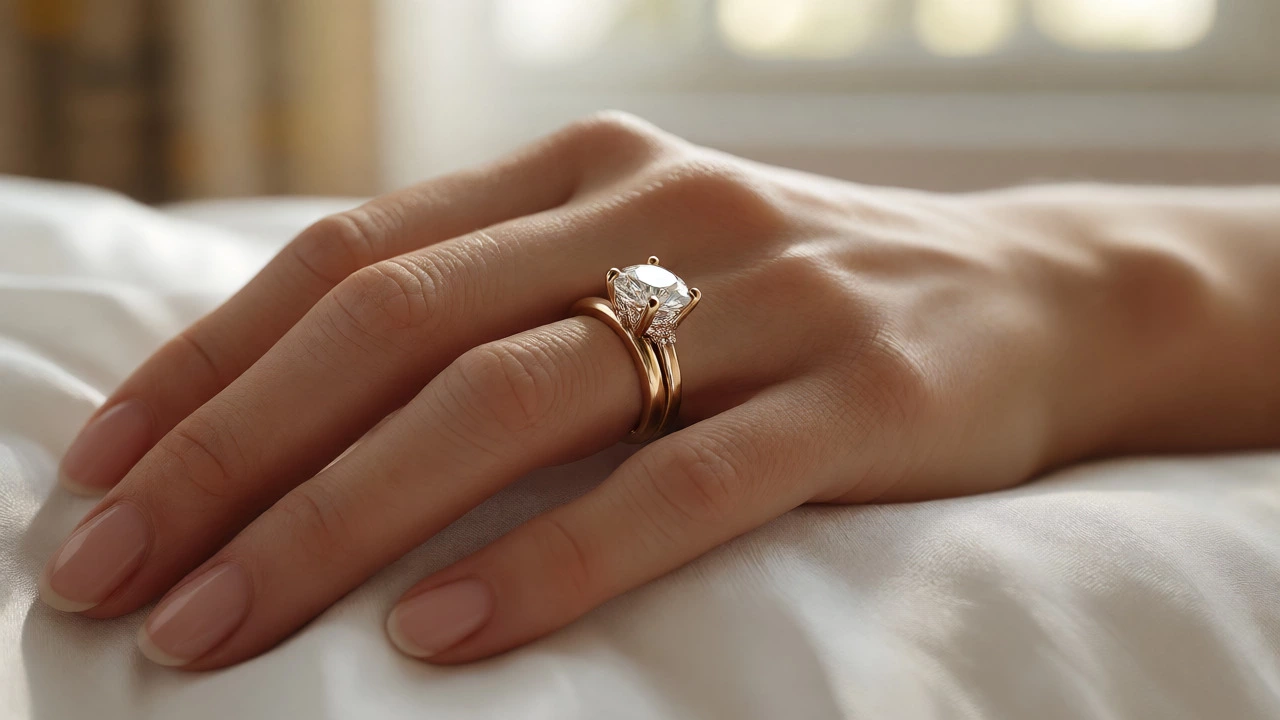
If you grew up hearing that the wedding band goes on first, closest to the heart, and the engagement ring sits on top of it, you’re following Western tradition. The logic is sweet but outdated for many people today. The idea is that the wedding band symbolizes the eternal bond of marriage, so it should be nearest to your heart. The engagement ring, representing the promise leading up to that moment, sits above it.
But here’s the catch: this order often makes the rings uncomfortable. If your engagement ring has a high setting or a large stone, stacking it over a wedding band can feel bulky. Plus, if the bands don’t fit together perfectly, they’ll spin around on your finger all day. That spinning drives people crazy. So, while the tradition is charming, comfort usually wins in the long run.
Option 1: The Classic Stack
Most married women in the US and UK wear both rings simultaneously. This is the "classic stack." You slide the wedding band on first, then place the engagement ring on top. For this to work well, your rings need to be compatible. If you bought your engagement ring before getting married, you might find that a standard straight wedding band doesn’t sit flush against a curved or halo-style engagement ring.
Here’s how to make the classic stack work without frustration:
- Check the Fit: Bring both rings to a jeweler. Ask them to check if the bands touch evenly. If there’s a gap, consider a custom-shaped wedding band that curves around the engagement ring.
- Wear Order: Traditionally, the wedding band goes on first. But honestly? If it feels better to put the engagement ring on first, do it. No one is checking your finger order with a magnifying glass.
- Sizing Matters: Wearing two rings takes up more space than one. You might need to size up your engagement ring slightly if you plan to wear them stacked every single day. Otherwise, they’ll pinch.
| Style | Best For | Pros | Cons |
|---|---|---|---|
| Classic Stack | Traditionalists & Comfort Seekers | Shows full commitment; looks complete | Can be bulky; requires compatible shapes |
| Separate Hands | Active Lifestyles & Minimalists | Less bulk; protects diamonds | Might confuse others; breaks tradition |
| Rightside Only | Workplace Safety & Practicality | Protects expensive stones; easy to remove | Less visible status symbol |
| Fusion/Custom | Couples wanting unique style | Perfect fit; no spinning | More expensive; permanent decision |
Option 2: The Right Hand Switch
Not everyone wants two heavy rings on their dominant hand. If you type all day, play piano, or work with machinery, wearing an engagement ring and wedding band on your left hand might get annoying fast. A popular alternative is moving the engagement ring to your right hand.
In many European countries like Germany, Russia, and Poland, the wedding band is worn on the right hand anyway. So switching hands isn’t weird-it’s just cultural adaptation. Even in the US, plenty of women move their engagement ring to the right hand after the wedding. It keeps the diamond safe from knocks and bumps while keeping the wedding band prominent on the left. It’s a practical compromise that still shows you’re married.
Just be aware: some people might assume you’re divorced if they only see a ring on the right hand. But let’s be real-most people aren’t scrutinizing your hands that closely. If it feels good and protects your jewelry, go for it.

Option 3: Welding Them Together
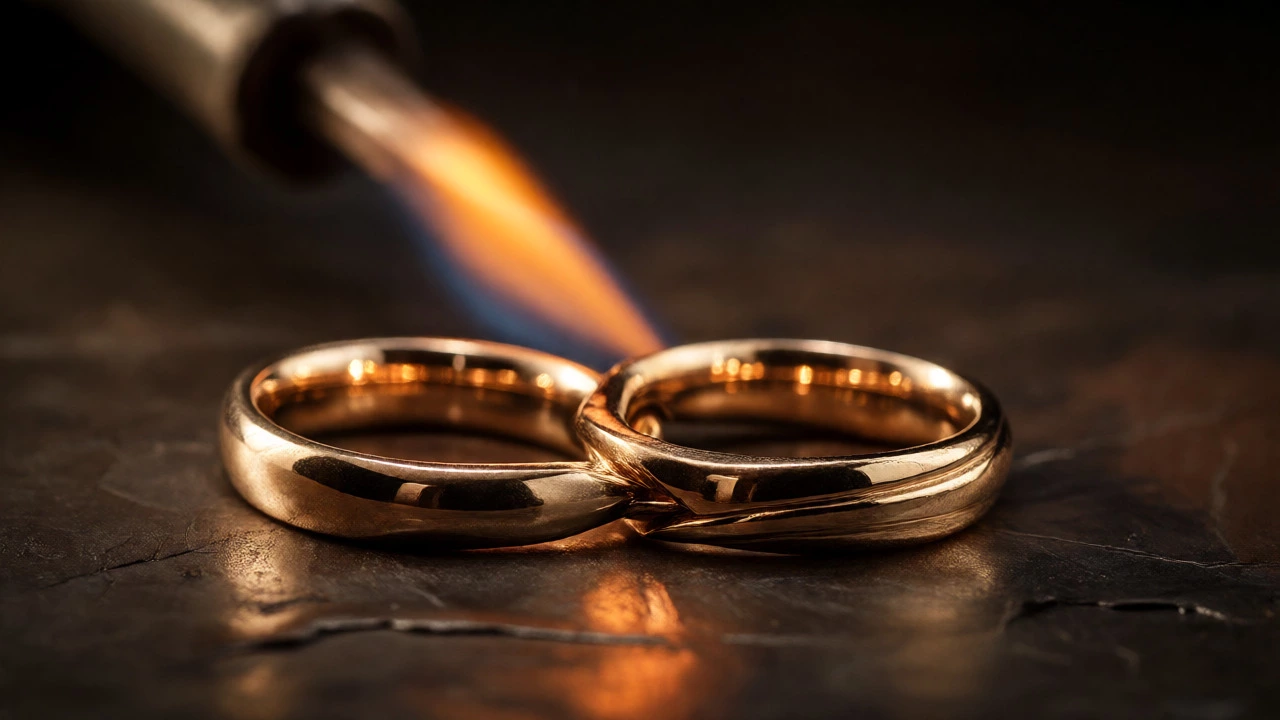
Do you hate having your rings spin? Do you worry about losing the engagement ring because it slides off easily? Consider welding the two bands together. This creates a single piece of jewelry that combines the wedding band and engagement ring. It’s secure, comfortable, and eliminates the hassle of managing two separate items.
However, this is a big commitment. If you ever want to change your wedding band or resize your engagement ring later, you’ll have to cut the weld. Also, if you plan to add more rings later (like an anniversary band), a welded pair limits your flexibility. This option is best for people who know they love the current combination and want zero maintenance.
What About Men?
Traditionally, men didn’t wear engagement rings. They waited for the wedding band. But times are changing. Some men choose to wear an engagement ring too, especially if they proposed with a non-traditional setup or simply want to match their partner. If he wears one, the same rules apply: stack it with his wedding band or move it to the right hand.
For men who don’t wear an engagement ring, the wedding band is the sole focus. Ensure it fits comfortably alongside any other accessories like watches. Since men’s wedding bands are often thicker and heavier, sizing is critical. A tight band can cause swelling issues in hot weather or during exercise.
Care and Maintenance Tips
Wearing rings daily means they take a beating. Soap, lotion, dirt, and accidental knocks accumulate under the bands. Here’s how to keep them looking new:
- Clean Weekly: Use warm water and mild dish soap. Scrub gently with a soft toothbrush. Pay attention to the underside of the stone where grime hides.
- Remove During Heavy Work: Take them off when lifting weights, gardening, or cleaning with harsh chemicals. Chlorine can damage gold alloys, and lotions dull diamonds.
- Annual Check-up: Have a jeweler inspect the prongs once a year. Loose prongs mean lost diamonds. It’s a cheap insurance policy.
- Insure Your Jewelry: If you have a valuable engagement ring, ensure it’s covered by home insurance or a specific jewelry policy. Theft and loss happen.
Personal Choice Over Pressure
At the end of the day, your rings are symbols of your relationship, not props for other people’s expectations. If you prefer to wear only the wedding band, that’s fine. If you never take off the engagement ring, that’s also fine. There’s no police force checking your left hand.
Some couples even choose to switch rings depending on the occasion. Maybe you wear both to weddings and parties, but only the wedding band to the gym or beach. Flexibility is allowed. What matters is that you feel connected to the symbol. If wearing two rings makes you happy, do it. If it feels cumbersome, simplify.
Which finger do I wear my engagement ring on after marriage?
In the United States and Canada, the traditional placement is the fourth finger of the left hand. The wedding band is typically placed first, closest to the heart, followed by the engagement ring. However, many people choose to move the engagement ring to the right hand or stack them differently based on comfort.
Is it bad luck to wear the engagement ring on top of the wedding band?
No, it is not bad luck. In fact, it is the traditional Western method. The superstition mostly stems from older folklore, but modern jewelers and couples prioritize fit and aesthetics over old wives' tales. As long as the rings are secure and comfortable, the order doesn't impact your marriage's fortune.
Can I wear my engagement ring and wedding band on different hands?
Yes, absolutely. Many people move their engagement ring to the right hand after the wedding to reduce bulk on the left hand. This is common among those with active lifestyles or those who find stacking uncomfortable. It clearly signals marital status while offering practical benefits.
Should I resize my engagement ring to wear with my wedding band?
If you plan to wear them stacked, you may need to resize. Two rings require more circumference than one. If your engagement ring becomes difficult to remove or causes discomfort when worn with the wedding band, consult a jeweler. They can stretch the band slightly or suggest a different wedding band profile that fits better.
Do men wear engagement rings too?
Traditionally, no, but this is changing. More men are choosing to wear engagement rings, particularly in progressive communities or if they were given a ring during the proposal. If a man wears an engagement ring, he follows the same stacking or separation rules as women, prioritizing comfort and personal style.