
Suit Timing Estimator
Wedding Suit Timing Calculator
Calculate when you should start planning for your wedding suit to avoid last-minute stress
Recommended Timeline
Important: If your wedding is within 2 months, contact a tailor immediately with a list of must-have items.
Most grooms wait too long to get their suit. By the time they walk into a store two weeks before the wedding, the best options are already gone, the tailor is booked solid, and suddenly, the suit that looked great online doesn’t fit right-or worse, it arrives late. This isn’t just about looking good. It’s about showing up on your wedding day without stress, without last-minute panic, and without a suit that’s too tight in the shoulders or too short in the sleeves.
Start at least 3 to 4 months before the wedding
The sweet spot for ordering your groom’s suit is 3 to 4 months before the big day. That gives you enough time to browse, try things on, make changes, and handle delays. If you’re getting a custom-made suit from a tailor, 4 months is the minimum. Off-the-rack suits from big retailers can sometimes be rushed, but even then, you still need room for alterations.
Why not wait? Because wedding season is busy. Tailors in Dublin, London, or even smaller towns are booking out months ahead. Fabric choices get limited as suppliers run low. And if you’re ordering from overseas-say, a designer suit from Italy or the U.S.-shipping delays happen. One groom in Galway ordered his suit from a U.S. brand in late March for a June wedding. It arrived two weeks late because of customs. He wore a rental instead.
What if you’re getting a custom suit?
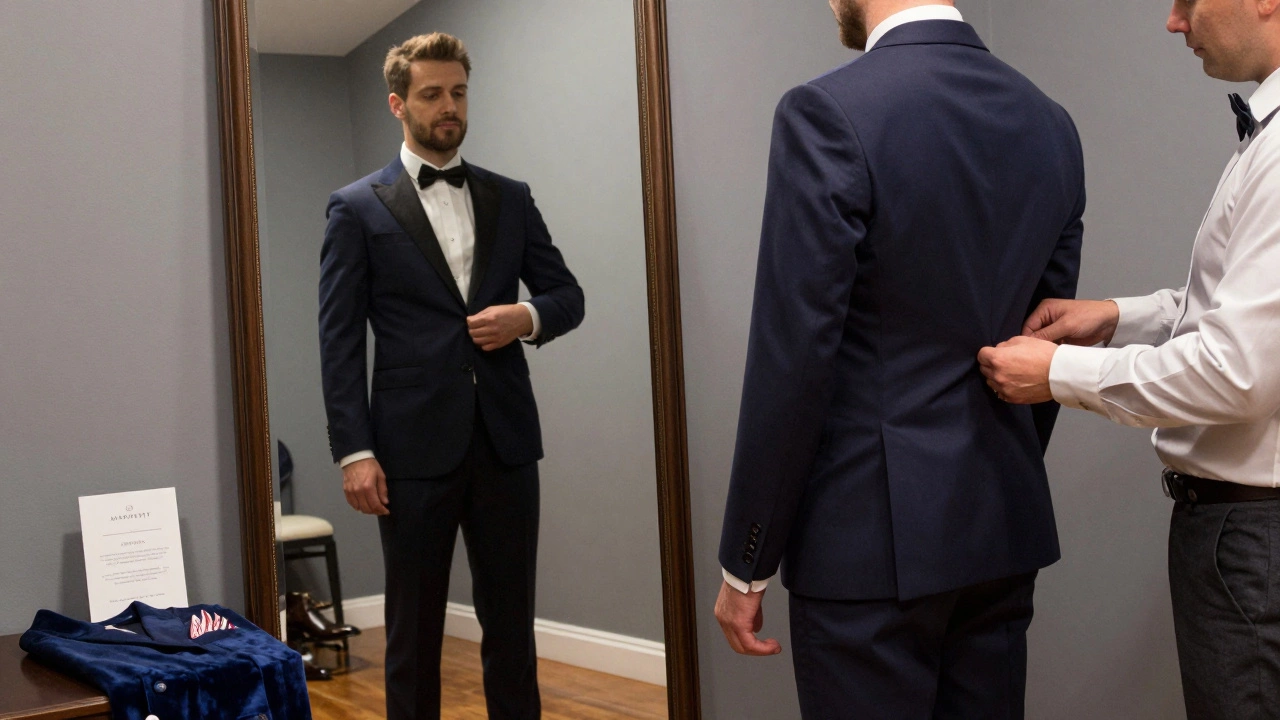
Custom suits aren’t just about style-they’re about fit. A good tailor will take 3 to 5 measurements, including shoulder width, sleeve length, chest circumference, and waist taper. They’ll make a first fitting, then a second, and sometimes a third. Each fitting takes time to schedule, and changes need to be sewn in by hand.
Here’s the typical timeline for a custom suit:
- Month 4: Choose fabric, lining, buttons, lapel style. Finalize design with your tailor.
- Month 3: First fitting. The suit arrives in rough form-just the shell. This is where you spot issues like shoulder padding being too thick or the jacket riding up.
- Month 2: Second fitting. Adjustments are made. You’ll try it with your dress shoes and shirt to check length and movement.
- Month 1: Final fitting. The suit is done. You pick up the finished piece.
If you skip the second fitting or push the timeline, you risk ending up with a suit that looks good in photos but feels stiff or uncomfortable during the ceremony. One client told me he skipped the second fitting because he was "too busy." He wore the suit on his wedding day and spent the reception tugging at the jacket because it pulled across his chest when he hugged people.
What about off-the-rack suits?
If you’re buying off-the-rack, you still need time for alterations. Even if the suit fits well in the store, it almost always needs tweaking. Most grooms need the sleeves shortened, the waist taken in, and the hem adjusted for their shoes.
Here’s what to do:
- Buy the suit at least 2 months before the wedding.
- Take it to a tailor within a week of purchase.
- Book your first alteration appointment as soon as possible-tailors get busy.
- Plan for two fittings: one for major changes, one for final tweaks.
Don’t assume your local dry cleaner can handle it. A professional tailor who works with wedding attire knows how to preserve the structure of the suit while making it fit your body. A bad alteration can ruin the drape of the jacket or make the trousers look baggy.
Timing matters for accessories too
Your suit isn’t just the jacket and pants. It’s the shirt, tie or bowtie, shoes, cufflinks, and pocket square. These items need to match the suit’s color, texture, and formality level.
Shoes should be broken in before the wedding. Wear them around the house for at least 10 hours over two weeks. New leather shoes can blister your feet during the reception if you don’t break them in. One groom wore brand-new oxfords on his wedding day and spent half the evening limping.
Shirts should be ordered or bought at least 6 weeks in advance. If you’re getting a custom shirt, allow 4-6 weeks. Stock shirts can be bought earlier, but make sure they’re the right collar width to fit your tie knot and jacket lapel.
And don’t forget the tie or bowtie. If you’re getting one custom-made, order it at the same time as the suit. Matching the fabric and pattern takes coordination.
What if your wedding is less than 2 months away?
It’s not ideal, but it’s not impossible. If you’re under pressure, here’s your emergency plan:
- Go to a reputable menswear store with a full alteration service. Look for ones that specialize in weddings.
- Ask if they have "ready-to-wear" suits in stock that can be altered quickly. Some stores keep a few sizes on hand for last-minute grooms.
- Book your alteration appointment immediately. Don’t wait for the suit to arrive.
- Stick to classic styles: solid navy, charcoal, or black. Avoid patterns or bold colors.
- Wear the suit for at least 3 full days before the wedding to test comfort and movement.
One groom in Cork got his suit 3 weeks before his wedding. He bought a navy off-the-rack suit, had it altered in 5 days, and wore it around the house every evening. He didn’t get the perfect fit, but he didn’t have to wear a rental-and he didn’t break out in a sweat during the vows.
What to avoid
There are common mistakes every groom makes-and most are avoidable.
- Don’t buy your suit online without trying it on first. Photos lie. Fabric thickness, color under sunlight, and fit vary wildly.
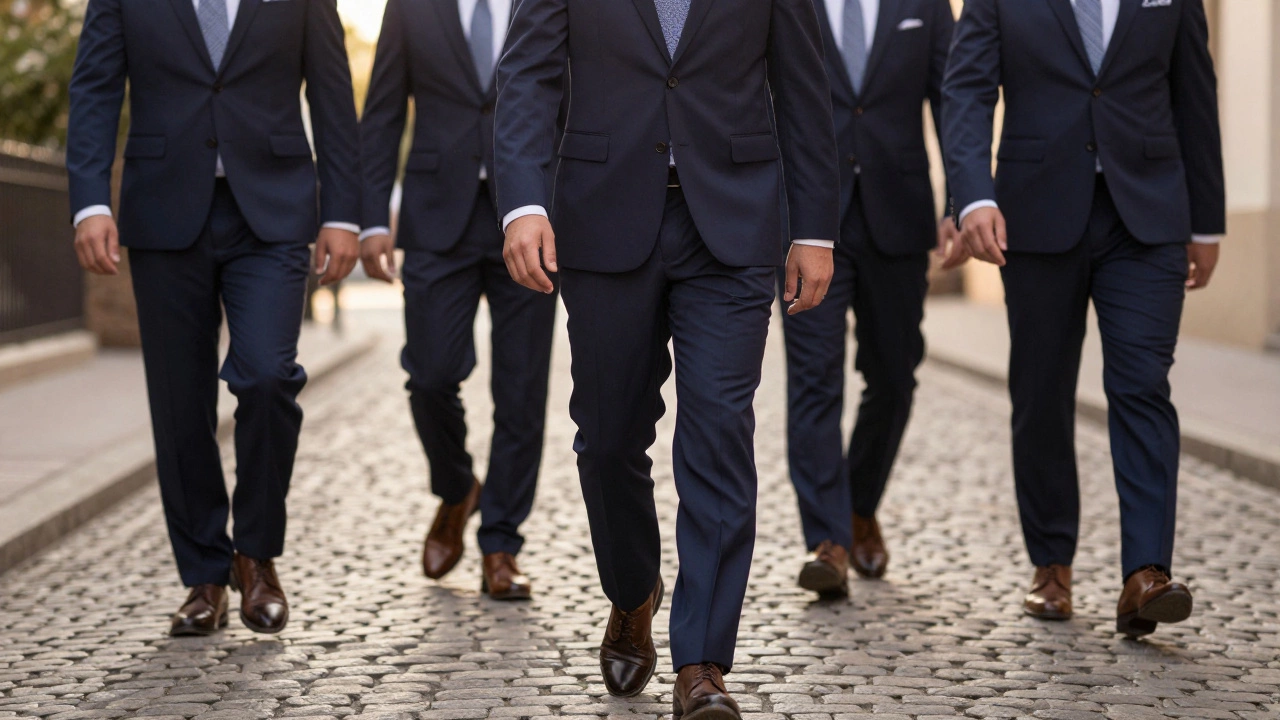
- Don’t assume your best man’s suit matches yours. Even if you buy from the same store, different batches of fabric can look different.
- Don’t wait until the morning of the wedding to iron your suit. Wrinkles show up in photos. Steam it the night before.
- Don’t ignore your shoes. A great suit looks cheap with worn-out soles or scuffed leather.
Final checklist
Here’s what you should have done by your wedding date:
- Ordered or bought your suit at least 3 months in advance
- Had at least two fittings with your tailor
- Broken in your shoes
- Selected and purchased your tie, cufflinks, and pocket square
- Had your shirt(s) tailored or fitted
- Steamed or pressed your suit the day before
- Confirmed your groomsmen’s suits are ready
Getting your suit right isn’t about spending the most money. It’s about planning ahead so you can focus on the day-not your clothes. The best suit is the one you forget you’re wearing because it feels like second skin. That only happens when you give it the time it deserves.
Can I get a groom’s suit in 4 weeks?
Yes, but it’s risky. You’ll need to buy off-the-rack and go straight to a tailor for alterations. Avoid custom suits at this point. Stick to simple styles-navy or charcoal-and wear the suit for at least 3 full days before the wedding to test comfort. Always confirm your tailor has availability before you buy.
Should the groom’s suit match the groomsmen’s?
Not exactly. The groom’s suit should stand out slightly-either by cut, color, or accessory. A common approach is to have groomsmen wear the same fabric and color but in a different style, like a vest instead of a waistcoat, or a different tie. The groom might wear a different lapel width or a pocket square that matches the bride’s bouquet. The goal is harmony, not uniformity.
Is it okay to wear a suit I already own?
Only if it fits perfectly, is in excellent condition, and matches the wedding’s formality. A dark navy suit you wear to work might work for a city wedding, but it won’t suit a beach or rustic venue. Check the fabric-wool blends are better than polyester. Make sure the lapels aren’t worn, the buttons are secure, and the trousers aren’t frayed at the hem.
What if my weight changes before the wedding?
Weight fluctuations are normal. If you’re losing or gaining more than 5-7 pounds, tell your tailor. Most tailors build in a small amount of extra fabric in the waist and seat to allow for minor changes. If the change is bigger, you may need a second fitting or even a new suit. Don’t wait until the last minute to mention it.
Do I need to rent or buy my suit?
Buy it. Rental suits are often outdated, poorly fitted, and made from thin polyester that wrinkles easily. A good-quality suit you own can be worn again-for job interviews, anniversaries, or formal events. It’s a one-time cost that lasts. Even a mid-range suit from a reputable brand like J. Crew, Indochino, or a local tailor will outlast a rental by years.