Wedding Photo Count Estimator
Use this tool to estimate how many high-resolution images you might receive from your wedding day based on industry standards.
Estimated Breakdown by Segment
You just booked your wedding photographer for eight hours. You’re excited, maybe a little anxious about the budget, and suddenly you’re wondering: how many photos will I actually get? Is it 500? 2,000? Will I have enough to make an album but not so many that editing them takes forever?
Here’s the honest truth: there is no single magic number. But there is a very predictable range based on industry standards, shooting style, and what you agreed to in your contract. Most couples receive between 600 and 1,000 high-resolution images from an eight-hour coverage day. If your photographer shoots documentary-style, you might see closer to 1,200. If they are highly curated and artistic, it could be 400-600. The key isn’t just the volume-it’s the quality and variety.
The Standard Industry Range for 8 Hours
When you hire a professional, you aren’t just paying for the time they stand with a camera; you’re paying for their ability to curate. An eight-hour block typically covers getting ready through the first dance or early evening portraits. During this window, a skilled photographer captures moments continuously but deletes duplicates, blurry shots, and closed-eye frames before delivering the final gallery.
According to data from major wedding photography associations like WPPI (Wedding & Portrait Photographers International), the average delivery rate sits at roughly 75-100 usable images per hour of coverage. For an eight-hour day, that math lands you squarely in the 600-800 range. This assumes a standard mix of candid moments, posed family groups, and couple portraits.
| Shooting Style | Estimated Image Count | Editing Approach | Best For |
|---|---|---|---|
| Documentary / Photojournalistic | 900 - 1,300+ | Light color correction, minimal cropping | Couples who want every moment captured |
| Traditional / Classic | 600 - 800 | Balanced editing, focus on key moments | Standard weddings with structured timelines |
| Fine Art / Editorial | 400 - 600 | Heavy retouching, creative composition | High-fashion inspired aesthetics |
Why Your Timeline Dictates the Count
An eight-hour package usually starts when you begin hair and makeup and ends after the reception speeches or first dance. But here’s where things get tricky: if your ceremony is late, or if travel time eats up two of those eight hours, you lose valuable shooting time. A photographer driving 45 minutes each way only has seven hours left for actual coverage.
Consider the breakdown of a typical day:
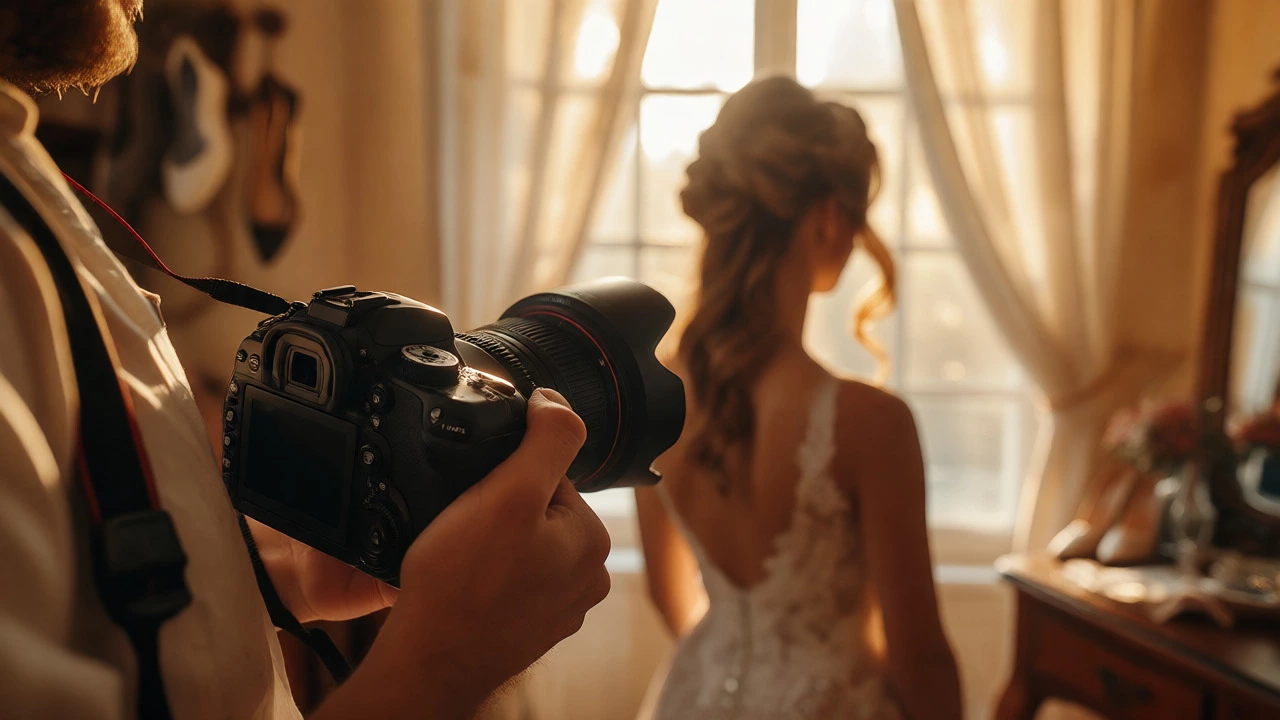
- Getting Ready (2 hours): Details like shoes, dress hanging, rings, and emotional reactions. Expect 100-150 images here.
- Ceremony (1 hour): Processional, vows, ring exchange, recessional. Expect 150-200 images.
- Family Formals (45 mins): Structured group shots. Expect 50-100 images (many are duplicates).
- Couple Portraits (45-60 mins): Golden hour light is crucial. Expect 100-200 images.
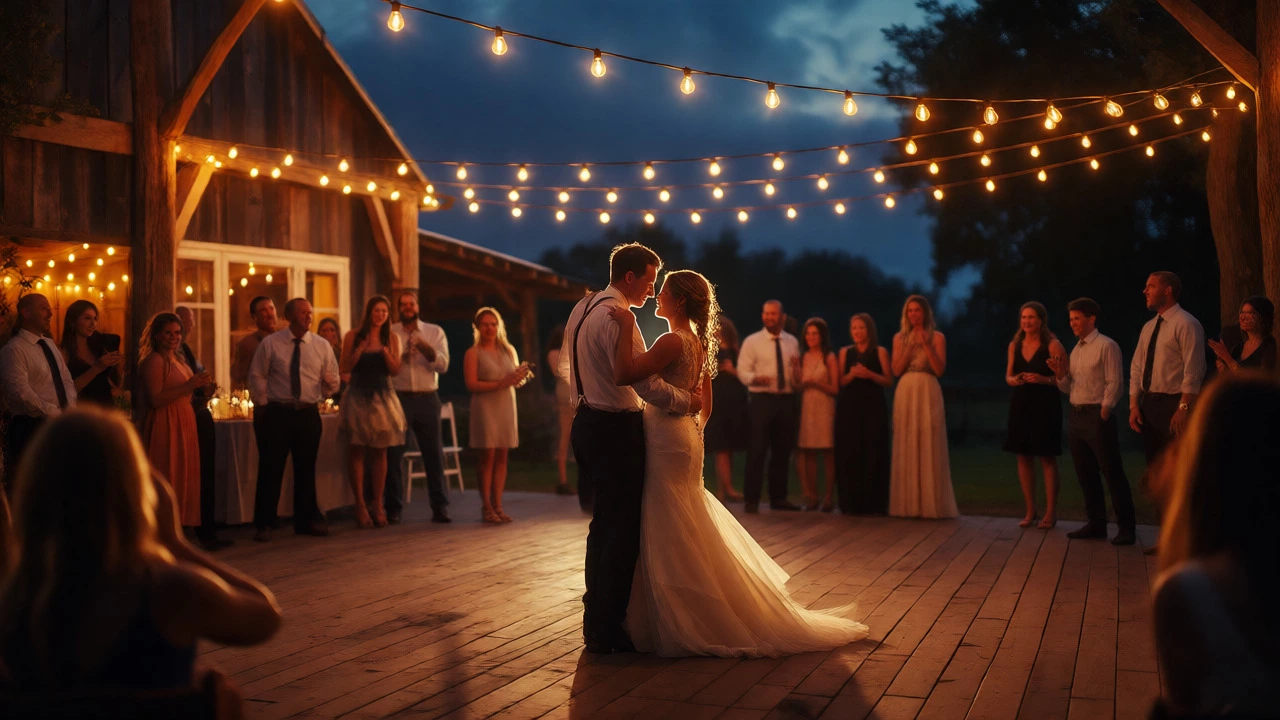
- Reception Highlights (2-3 hours): Entrance, first dance, toasts, dancing. Expect 200-300 images.
If you skip the couple portrait session or rush the family formals, your total count drops significantly. Conversely, if you add a second shooter, expect a 30-50% increase in volume because two cameras capture different angles simultaneously.
Raw Files vs. Final Deliverables
A common misconception is that photographers hand over every click of the shutter. They don’t. A pro might shoot 3,000-5,000 raw files during an eight-hour day. These include missed focus, awkward mid-blink moments, and duplicate frames.
The editing process involves culling-deleting the bad shots-and then color grading the keepers. If you ask for all raw files, you’ll get thousands of unedited, flat-looking images. Most contracts specify "delivered images," which means fully edited, high-resolution JPEGs. Always clarify this in writing. Asking for raw files often incurs an extra fee and requires you to edit them yourself or hire someone else.
Second Shooters and Their Impact
Hiring a second shooter changes the equation entirely. While the lead photographer focuses on the bride and groom, the second shooter captures guest reactions, wide-angle venue shots, and alternative angles of the same events.
With a second shooter, you can expect an additional 300-500 images. This doesn’t mean double the work for you; the lead photographer still curates the final gallery. However, it ensures no moment is missed. If one photographer is busy capturing the kiss, the other catches the father wiping away a tear. This dual perspective enriches the storytelling without inflating the count with redundant shots.
How to Ensure You Get Enough Photos
Don’t leave the photo count to chance. Take control during the planning phase with these steps:
- Review Past Galleries: Ask your photographer for full galleries from recent eight-hour weddings. Count the images. Do they feel complete? Are there gaps in the story?
- Discuss Culling Criteria: Ask how aggressive they are with deleting photos. Some keep everything sharp; others only keep the "wow" factor shots.
- Plan for Golden Hour: Schedule your couple portraits during sunset. This yields the highest quality images and encourages more creative shots.
- Add Extra Time if Needed: If you have a large family or complex venue, consider upgrading to a 10-hour package. Two extra hours can yield 150-200 additional quality images.
Common Pitfalls That Reduce Photo Counts
Several factors can unexpectedly lower your final image count. First, poor lighting forces photographers to take fewer risks, resulting in safer, fewer shots. Second, tight timelines prevent spontaneous moments. If you’re rushing from ceremony to cocktail hour, the photographer can’t linger for candid interactions.
Another issue is equipment failure or battery life. Professional photographers carry backups, but technical glitches happen. Finally, weather impacts outdoor ceremonies. Rain might force everyone indoors, limiting scenic opportunities and reducing variety.
What to Do With Too Many or Too Few Photos
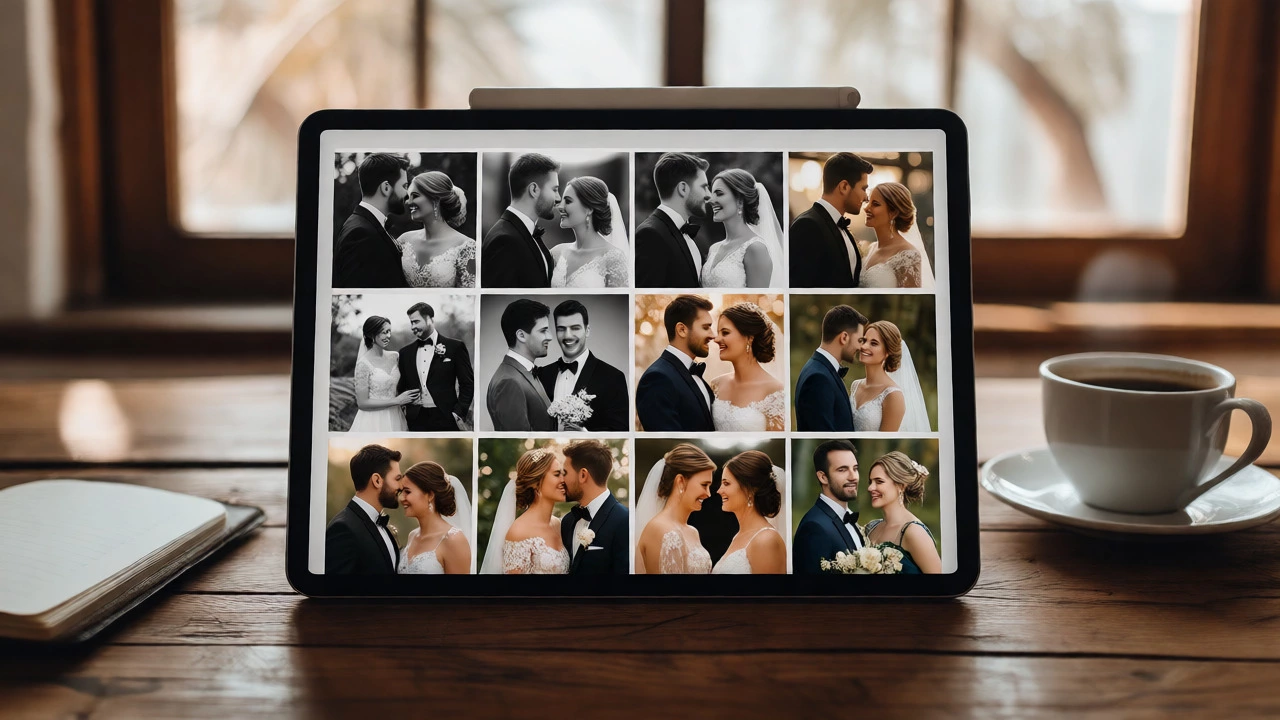
If you receive 1,200 photos and feel overwhelmed, create a "best of" folder. Select your top 100 for albums and prints. Archive the rest digitally. Having too many is rarely a problem; having too few is.
If you receive only 400 photos from an eight-hour day, ask why. Did the photographer miss key moments? Was the timeline too short? Review the contract. Most reputable photographers guarantee a minimum number of delivered images. If you fall below that threshold, request a partial refund or additional editing services.
Do wedding photographers deliver all raw photos?
Typically, no. Most packages include only fully edited, high-resolution JPEGs. Raw files are unedited, larger in size, and require professional software to adjust. Some photographers offer raw files as an add-on purchase, but it’s not standard practice.
Is 500 photos enough for an 8-hour wedding?
It depends on the style. For a fine-art photographer who heavily curates, 500 strong images are better than 1,000 mediocre ones. However, for most couples wanting comprehensive coverage, 500 feels sparse. Aim for 600+ unless you prefer a minimalist approach.
How does a second shooter affect the photo count?
A second shooter typically adds 300-500 unique images to the final gallery. They capture angles and reactions the main photographer misses, providing a richer narrative without duplicating every shot.
What if my photographer delivers fewer photos than promised?
Check your contract for a guaranteed minimum. If you’re under-delivered, communicate immediately. Reputable professionals may offer a discount, additional editing, or a free engagement session to compensate for the shortfall.
Does rain reduce the number of wedding photos?
Rain can limit outdoor opportunities, potentially reducing scenic portraits. However, good photographers adapt by using umbrellas and indoor spaces. You might get fewer landscape shots but more intimate, moody interiors.