Wedding Invitation Calculator
Guest Details
Your Results
Note: Printers often sell in increments of 50 or 100. You may want to round up your final order to the nearest increment.
Picture this: You’ve just finished designing the perfect wedding invitation is a formal announcement of an upcoming marriage that includes essential details like date, time, location, and RSVP instructions. The paper feels heavy in your hand, the font is elegant, and the color palette matches your dreams. Then you ask the question that stops every couple in their tracks: "How many do I actually need to print for 200 guests?" If you order too few, you’re stuck buying expensive last-minute replacements. Order too many, and you’re burning cash on unused paper. Getting this number right isn’t just about arithmetic; it’s about understanding how modern couples send invites, who counts as a guest, and where things go wrong.
The short answer? For a guest list of 200 people, you will likely need between wedding invitations ranging from 100 to 140 physical sets, depending heavily on whether you are sending digital copies or mailing them to families with children. But the real work happens in the breakdown. Let’s look at exactly how to calculate your numbers so you don’t waste money or stress over missing envelopes.
The Golden Rule: One Invitation Per Household
Before we do any math, we need to clarify what constitutes a single "invitation." In traditional etiquette and modern planning alike, one set of invitations goes to one household or one individual adult. This is the most common mistake couples make: counting heads instead of households. If you have 200 guests, that does not mean you need 200 invitations. It means you need enough invitations to cover the unique addresses or individuals invited.
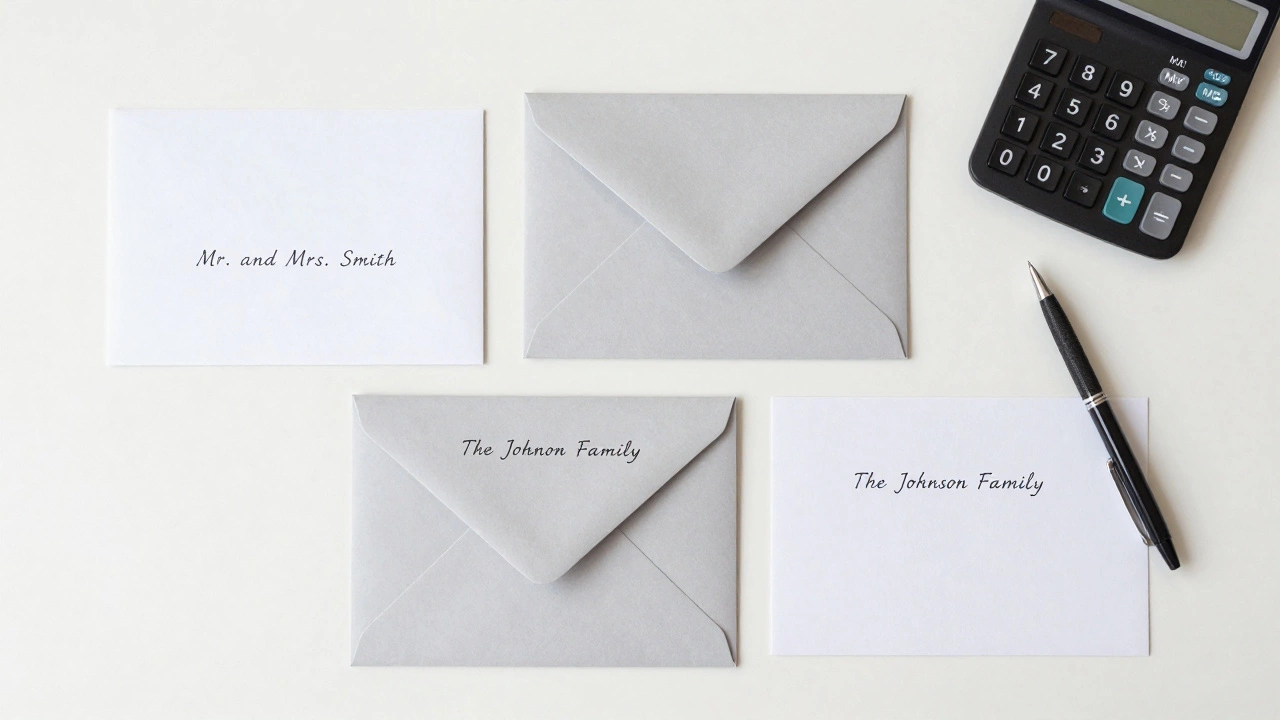
Think of it this way: A married couple living together receives one envelope. That envelope contains one outer invitation card, one inner details card (if using a suite), and one RSVP card. Two teenage siblings living with their parents also receive that same single invitation addressed to "The Smith Family" or "Mr. and Mrs. Smith and Family." They do not get their own separate mailings unless they live independently.
To get your base number, start by listing every unique address you intend to mail to. If your guest list has 200 attendees, but half of them are couples or families sharing homes, your base mailing count might only be around 100 to 120 unique recipients. This distinction is crucial because printers charge per set, not per person reading the card.
Calculating Your Base Number
Let’s break down the math for a scenario where you expect 200 total attendees. We need to estimate how many of those 200 people share addresses. Here is a realistic distribution for a typical modern wedding:
- Couples: Assume 60% of your guests are attending as part of a couple. That’s 120 people, which equals 60 invitations.
- Singles: Assume 30% are single adults living alone. That’s 60 people, which equals 60 invitations.
- Families with Children: Assume 10% are family units (parents + kids). Let’s say there are 20 children. These children usually don’t get their own mailed invite; they come under the parent’s name. If these 20 children belong to 10 different households, that adds 10 invitations.
In this specific example, your base calculation looks like this: 60 (couples) + 60 (singles) + 10 (families) = 130 invitations. This is your absolute minimum before accounting for errors, extra copies, or digital hybrids. If your guest list skews younger with more singles, your number rises closer to 200. If it skews older with more multi-generational households, your number drops significantly.
The Digital Hybrid Factor
Many couples today use a hybrid approach to save costs and reduce environmental impact. Instead of mailing a full suite to everyone, you might mail a small "Save the Date" postcard or a simple tear-off card, while sending the detailed itinerary via email or a wedding website. How does this affect your count?
If you switch to a fully digital invitation for certain groups-like coworkers or distant friends-you can drop those numbers entirely from your printing order. However, if you are printing physical cards for close family and friends only, your count shrinks. Let’s say you decide to mail physical invites to only 50% of your guests (100 people) and email the rest. Your base count drops from 130 to roughly 65-70 physical sets. Always confirm with your printer if they offer mixed bundles, as some discounts apply only to larger runs.
Don't Forget the Extras: Place Cards and Seating Charts
Your invitation count is just the tip of the iceberg. Once the guests arrive, you’ll need materials for the reception itself. This is where the "200 guests" number comes back into play directly.
| Item | Quantity Needed | Notes |
|---|---|---|
| Mailed Invitations | 130 - 140 sets | Includes buffer for errors |
| Place Cards | 200 cards | One per attendee, regardless of household |
| Menu Cards | 200 cards | Optional, but recommended for plated dinners |
| Table Numbers | Depends on layout | Usually 10-20 tables for 200 guests |
| Thank You Notes | 200 notes | One per gift giver, not per guest |
Notice the difference? While you only mail ~130 invitations, you must prepare for all 200 individuals when they sit down to eat. Place cards are personalized for each person, so you cannot reuse the invitation count here. Buy these in bulk packs rather than custom-printing them unless budget allows, as mistakes happen less frequently with pre-printed generic cards.
The Safety Buffer: Why You Should Overorder
Never order exactly the calculated number. Life happens. Addresses change, envelopes get lost in the mail, or you accidentally spill coffee on a batch during assembly. Industry standard suggests adding a 5% to 10% buffer to your final count.
Using our previous example of 130 base invitations:
130 x 1.10 (10% buffer) = 143 invitations.
Round up to 150 to ensure you have plenty for yourself, your partners, and any last-minute additions. Most printers sell in increments of 50 or 100, so ordering 150 is often the same price as ordering 140 due to setup fees. This buffer also gives you extras to frame as keepsakes or to give to elderly relatives who might misplace their original copy.
Common Pitfalls to Avoid
When managing stationery for a large event, small oversights create big headaches. Here are three traps to watch out for:
- Double Counting Plus-Ones: If you allow plus-ones, remember that the primary guest still receives one invitation. The plus-one doesn’t trigger a second mailing unless they live separately. Clarify this on the invite with phrases like "and Guest" to avoid confusion.
- Ignoring Inner Envelopes: If your design includes inner envelopes, you need two envelopes per set. Ensure your printer quotes you for both. Missing inner envelopes can look messy and unprofessional.
- Forgetting Yourself: Don’t forget to order two invitations for the couple getting married. You’ll want these for your scrapbook or framed display. Some couples also order one for their officiant or key vendors as a thank-you gesture.
Final Checklist Before Ordering
Before you click "purchase," run through this quick verification process:
- Verify Unique Addresses: Go through your spreadsheet and merge anyone living at the same house.
- Confirm Digital vs. Physical Split: Decide clearly who gets mail and who gets email.
- Add the Buffer: Add 10% to your physical count.
- Check Printer Minimums: Some shops require a minimum of 50 or 100 sets. If you’re below that, see if you can bundle with other items like menus.
- Proofread Twice: Errors in names or dates cannot be fixed once printed. Have someone else check the proof.
Getting the invitation count right takes a bit of upfront effort, but it saves you from frantic phone calls to printers later. By focusing on households rather than heads, and building in a smart safety margin, you ensure your wedding stationery is the collection of printed materials used for a wedding, including invitations, RSVP cards, programs, and place settings arrives perfectly, on time, and within budget. Now, you can focus on the fun part: celebrating with your loved ones.
Do I need to send an invitation to every single person on my guest list?
No. You send one invitation per household or per individual adult. Children living with parents typically do not receive their own separate mailed invitation; they are included under the parents' names. Only individuals living independently or couples sharing a home receive one set.
How many extra invitations should I order for mistakes?
It is recommended to add a 5% to 10% buffer to your total count. This covers potential printing errors, lost mail, or last-minute address changes. For example, if you need 100 invitations, order 110. This ensures you have spares for framing or gifting to vendors.
Should I use digital invitations to reduce the number I need to print?
Yes, a hybrid approach is popular. You can mail physical invitations to close family and friends while sending digital versions to coworkers or distant acquaintances. This significantly reduces your printing costs and paper waste. Just ensure your digital platform sends timely reminders to boost RSVP rates.
Does the number of place cards equal the number of invitations?
No. Place cards are needed for every individual attendee, whereas invitations are sent per household. If you have 200 guests but only 100 households, you need 100 invitations but 200 place cards. Always calculate place cards based on the total headcount.
What if I have plus-ones on my guest list?
If a plus-one lives with the primary guest, they share the same invitation. If the plus-one is a significant other living separately, they may warrant their own invitation depending on your etiquette preference. Generally, one invitation per household is standard, even with plus-ones included in that household.