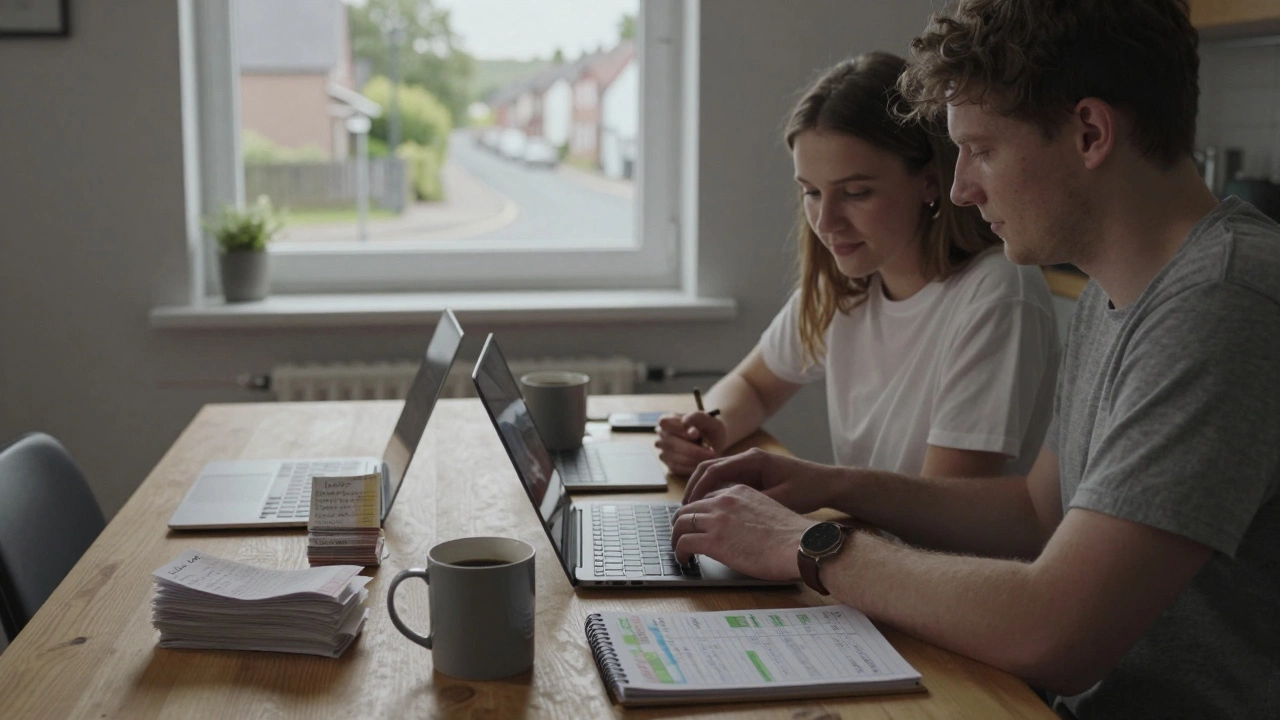
There’s no magic number, but if you’re asking how much money you should have before planning a wedding, you’re already on the right track. Most couples in Ireland spend between €15,000 and €30,000 for a mid-sized wedding. That’s not a suggestion-it’s a reality backed by data from the Irish Wedding Council’s 2025 survey. But here’s the thing: you don’t need to hit that number to have a meaningful, beautiful day. You just need to know where your money is going-and where it’s not.
What’s Actually in a Wedding Budget?
Let’s break it down without the fluff. The biggest chunks of your budget go to just three things: venue, food, and drinks. Together, they make up about 50% of the average spend. A barn in County Wicklow might cost €5,000. A hotel ballroom in Dublin? €12,000. Catering for 80 guests? €6,000-€10,000. Add in open bar service, and that’s another €3,000-€6,000. That’s already €20,000 before you even think about your dress or the band.Photography and videography come next. Don’t skip this. A good photographer doesn’t just take pictures-they capture moments you’ll forget. You’ll pay €2,000-€3,500 for a full-day team. Skip the cheap ones. You’ll regret it in five years when you can’t find a clear photo of your first dance.
Music is another big one. A live band? €2,000-€4,000. A DJ? €800-€1,500. You can save money here, but don’t go with a cousin who owns a Bluetooth speaker. Sound quality matters. Guests remember how it felt, not just how it looked.
Where People Waste Money (And How to Avoid It)
You don’t need a €1,200 cake with 12 tiers. You don’t need gold-plated napkins. You don’t need to hire a wedding planner just to arrange centerpieces. Most couples spend €2,000-€4,000 on a planner, but you can do most of it yourself if you’re organized.Here’s a real example: A couple in Galway spent €8,000 on flowers. They had 50 guests. That’s €160 per person. They could’ve spent €2,500 on seasonal blooms and got the same impact. Seasonal flowers are cheaper, fresher, and more beautiful. Stick to what’s growing nearby. Roses in January? Expensive. Hellebores? Affordable and stunning.
Same with invitations. Online digital invites cost €50. Printed ones with foil stamping? €1,500. Most guests don’t keep them. They scan the QR code, RSVP, and forget. Save the money. Use a free platform like Paperless Post or Canva. Print a few for your parents if you want.
How Much Should You Actually Save Before Starting?
The answer isn’t about having the full amount saved up. It’s about having a clear plan and a buffer. You don’t need €30,000 in the bank on day one. But you should have at least €5,000-€7,000 ready to lock in key vendors. Why? Because the best venues and photographers book up 12-18 months in advance. And they require deposits-often 30-50% upfront.Start by setting a realistic total. Look at what friends spent in your area. Talk to a few venues. Get rough quotes. Then work backward. If you want to spend €20,000, aim to save €5,000 in the first six months. That gives you breathing room to book the venue, the photographer, and the caterer without going into debt.
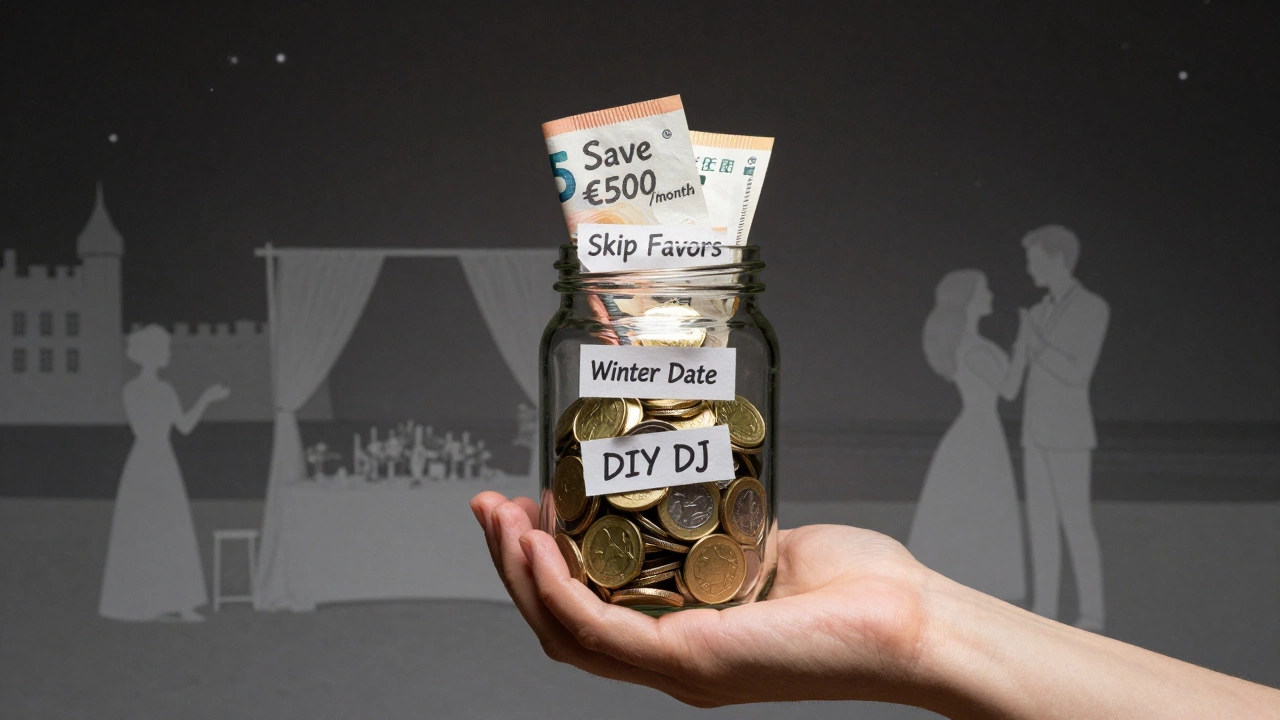
Most couples who succeed don’t have rich parents. They have a spreadsheet. They track every euro. They say no to things that don’t matter. They prioritize what does. If you’re saving €500 a month, you’ll have €6,000 in a year. That’s enough to cover half your wedding if you’re smart.
What to Do If You Don’t Have Enough
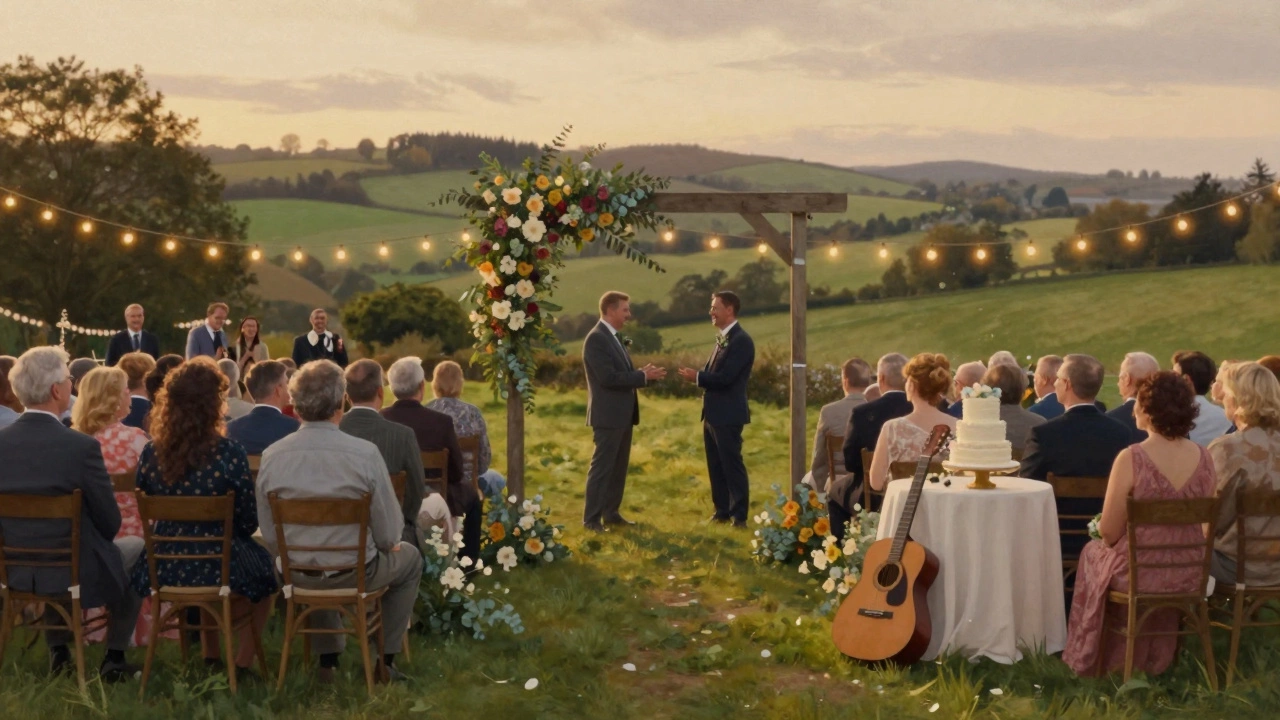
You don’t need to cancel your wedding if you’re short. You just need to rethink it.Winter weddings are cheaper. Venues drop prices by 30-40% between November and February. You can get a castle in Kilkenny for €3,000 in January. That’s half the summer rate.
Have the ceremony and reception in the same place. Save on transport, setup, and double bookings. Many churches now allow receptions in their halls. Some even have in-house catering.
Go for a weekday wedding. Saturday is the most expensive day. Friday or Sunday? You’ll save €1,500-€3,000. Guests will still come if you tell them it’s a relaxed, intimate day. Most people don’t care what day it is-they care that you’re happy.
Ask for help. Not money. Help. Can your aunt bake the cake? Can your brother DJ? Can your cousin take photos with a good camera? People want to contribute. Give them a role. It makes the day more personal and cuts costs.
What’s Not Worth Spending On
Here’s a short list of things you can skip without anyone noticing:- Wedding favors (guests throw them out)
- Custom monogrammed towels
- Photo booths with props (rent one for €300 instead of buying)
- Extra guest books (just use a digital one)
- Multiple cake flavors (one good one is enough)
- Limousines (book a car service for €150 instead)
These things feel like traditions. But they’re not. They’re marketing. Companies sell you the idea that you need them. You don’t. Your guests remember your smile, not your napkin rings.
How to Stay on Budget Without Feeling Scrooge
Budgeting isn’t about being cheap. It’s about being intentional. Every euro you spend should serve a purpose: joy, connection, memory.Put €1,000 aside for a surprise. Maybe it’s a late-night snack station. Maybe it’s a fireworks show. Maybe it’s a handwritten note for each guest. These small touches cost little but mean a lot.
Track your spending in a free app like Mint or Google Sheets. Update it weekly. If you’re over on flowers, cut back on the bar. If you’re under on music, add a live string quartet for the ceremony. Flexibility keeps you in control.
And remember: a wedding doesn’t start the day you say ‘I do.’ It starts the day you decide to build a life together. That’s the real investment. The party? Just the celebration.
Final Thought: It’s Not About the Price Tag
The most memorable weddings I’ve seen didn’t cost the most. One couple got married on a beach in Wexford with 20 guests. They spent €4,200. The groom made the playlist. The bride baked the cake. They hired a local photographer for €1,000. No planner. No limo. No fancy dress. Just music, laughter, and the sound of waves.That’s the kind of day you want. Not because it was cheap. But because it was real.
How much should I save before booking my wedding venue?
You should have at least €5,000-€7,000 saved before booking your venue. Most venues require a deposit of 30-50% of the total cost, and top choices book up 12-18 months in advance. Having this amount ready lets you secure your date without rushing into a bad deal.
Can I have a wedding with under €10,000?
Yes, absolutely. Many couples in Ireland have weddings under €10,000 by choosing off-season dates, smaller guest lists (50 people or fewer), and combining ceremony and reception in one location. Skip expensive vendors, use seasonal flowers, and ask friends to help with music or photos. It’s not about having less-it’s about focusing on what matters.
Should I use a wedding planner?
Only if you’re overwhelmed or short on time. A planner can save you stress, but they don’t save you money. Most planners charge €2,000-€4,000. If you’re organized and have 3-4 months to plan, you can do it yourself using free templates and checklists. Use a planner only for the big stuff-like negotiating vendor contracts or handling day-of logistics.
Is it better to pay for the wedding with cash or credit?
Pay with cash if you can. If you use credit, make sure you can pay it off within 6-12 months. Wedding debt adds stress and can affect your future finances-like buying a home or starting a family. Many couples regret borrowing for a one-day event. Save first, spend later. It’s not glamorous, but it’s smarter.
How do I talk to my partner about money without fighting?
Start with shared goals, not numbers. Ask: ‘What kind of day do you want to remember?’ Then list what matters most to each of you. Maybe one wants live music. The other wants great food. Find the overlap. Use a shared spreadsheet. Update it together every week. Make it a team project, not a budget battle.