Wedding Ring Budget & Cost Estimator
Total Estimated Cost
- Select options to see breakdown
You’re standing in a jewelry store, staring at a band that costs more than your first car. The salesperson smiles and says, "It’s forever." But is it really worth three months' salary? That old rule was invented by a marketing campaign in the 1930s, not by financial advisors. Today, with inflation biting into savings and housing markets shifting, wedding ring costs are driven by material choice, brand prestige, and personal budget rather than rigid traditions. Let’s cut through the noise and look at what you actually need to spend.
The Death of the Three-Month Rule
If someone tells you that you must spend three months’ salary on an engagement ring a decorative ring given as a promise of marriage, they are quoting De Beers, not economics. In 2026, couples are smarter about cash flow. Many people are saving for a house deposit or paying off student loans. Spending €5,000 on a rock when you could put that toward a mortgage feels risky for many. The reality? There is no magic number. A couple in Dublin might spend €2,000, while a couple in New York might drop €10,000. It depends entirely on your disposable income. If you earn €40,000 a year, spending €4,000 is significant but manageable if you planned ahead. If you earn €25,000, that same ring represents nearly two months of gross pay. Ask yourself: Does this purchase prevent me from reaching other short-term goals? If yes, scale back.
What Actually Drives the Price?
You aren’t just paying for the metal. You’re paying for the story, the cut, and the brand. Here is how the money breaks down when you buy a diamond ring a ring featuring a central diamond stone set in precious metal.
- The 4Cs (Carat, Cut, Color, Clarity): This is the biggest variable. A 1-carat diamond can range from €2,000 to €15,000 depending on quality. Most buyers overpay for clarity. Eyes cannot see the difference between VS1 and VVS1 without a loupe. Spend less here.
- Metal Type: Platinum is denser and more expensive than gold. An 18k yellow gold band might cost €600; the same design in platinum could hit €1,200. White gold is cheaper but requires rhodium plating every few years.
- Brand Premium: Buying from Tiffany & Co. or Cartier adds a 30-50% markup for the logo alone. Local artisans often offer better craftsmanship for half the price.
- Lab-Grown vs. Natural: This is the game-changer of the last decade. Lab-grown diamonds are chemically identical to mined ones but cost 70-80% less.
| Ring Type | Average Low End | Average Mid Range | Luxury Tier |
|---|---|---|---|
| Solid Gold Band (No Stone) | €400 | €800 | €1,500+ |
| Platinum Band (No Stone) | €900 | €1,400 | €2,500+ |
| Natural Diamond Solitaire (0.5ct) | €1,500 | €3,000 | €5,000+ |
| Lab-Grown Diamond Solitaire (1.0ct) | €800 | €1,500 | €2,500+ |
| Designer Brand Engagement Ring | €3,000 | €6,000 | €15,000+ |
Men’s Bands Are Getting More Expensive Too
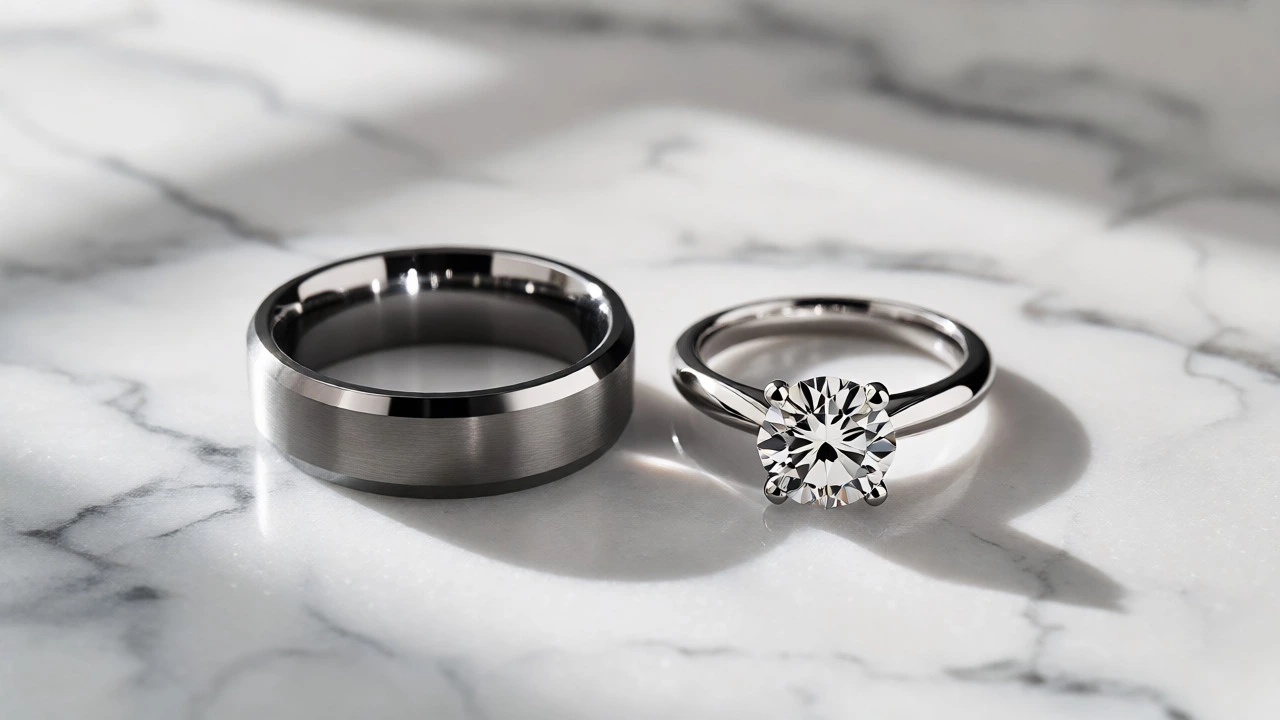
We often focus on the big shiny rock, but men’s rings have seen price hikes too. Why? Because materials like tungsten carbide and ceramic are durable but hard to resize. If you want a custom fit or intricate engraving, labor costs rise. However, simple titanium or stainless steel bands remain affordable, often under €200. If your partner wears their ring daily at a physical job, durability matters more than aesthetics. A soft gold band will scratch within weeks. Tungsten or cobalt chrome holds up better against knocks. Don’t overspend on a delicate filigree pattern if it’s going to get hammered at work. Practicality saves money and heartache.
Hidden Costs Nobody Tells You About
The sticker price isn’t the final bill. When you walk out of the store, remember these extras: 1. Insurance: Jewelry insurance usually runs 1-2% of the replacement value annually. For a €3,000 ring, that’s €30-€60 a year. Some home insurance policies cover it automatically, but check the limits. 2. Resizing: Fingers change size due to temperature, weight fluctuations, and pregnancy. Budget for one or two resizings in the first year. Simple bands cost €30-€50. Eternity bands with stones all around are much harder and pricier to resize, sometimes requiring full reconstruction. 3. Cleaning and Maintenance: Professional cleaning removes buildup that dulls the sparkle. While you can do this at home, annual professional checks ensure prongs haven’t loosened. This service is often free at reputable jewelers, but not always. Don’t forget taxes. In Ireland, VAT is included in displayed prices, but if you buy abroad, customs duties may apply upon return. Factor that into your total budget.
Where to Get the Best Value
Shopping online versus in-store changes the equation. Online retailers like Blue Nile or James Allen have lower overheads, so their margins are thinner. You can often find a higher-quality diamond for the same price. The downside? You can’t try it on. Return policies are strict but usually generous (30 days). Local independent jewelers in cities like Dublin or Cork offer something online stores can’t: service. They will adjust the ring immediately, clean it for free, and build a relationship. If something breaks in five years, you know who to call. Big chain stores offer consistency but lack personality. Decide what matters more to you: lowest price or best support.

Alternatives to Traditional Diamonds
If the price tag makes you sweat, consider alternatives. Sapphires, rubies, and emeralds are beautiful and often cheaper per carat than high-quality diamonds. Moissanite is another contender-it’s nearly as hard as a diamond, sparkles intensely, and costs a fraction of the price. Some couples choose vintage rings. Antique shops sell unique pieces with history, often at stable prices because they aren’t subject to new retail markups. Just ensure the setting is secure. Old settings can be fragile. A quick appraisal by a gemologist before buying protects you from inheriting someone else’s repair bills.
Questions to Ask Yourself Before Buying
Before swiping the card, pause. Talk to your partner. Money conversations are awkward but necessary. * **What is our joint financial priority?** Is it the wedding day itself, or the life we start after? Sometimes skipping the designer box means starting married life debt-free. * **Do I care about resale value?** Unlike cars, most rings lose value immediately. Only rare, high-carat natural diamonds hold or increase value. Treat it as a luxury expense, not an investment. * **Is the style timeless?** Trends fade. Halo settings were huge ten years ago; now solitaires are back. Choose a style you’ll still love in twenty years. You don’t want to feel embarrassed by your ring at your 20th anniversary.
Ultimately, the right cost is whatever lets you sleep at night. If spending €5,000 makes you anxious, don’t do it. If spending €500 feels insufficient to honor the commitment, save more. Your ring should symbolize your partnership, not your credit limit.
Is it okay to buy a cheap wedding ring?
Absolutely. The sentimental value outweighs the monetary value. Many happy marriages feature simple bands costing under €200. What matters is the intention behind the gift, not the price tag. Financial stress hurts relationships more than a modest ring does.
Do lab-grown diamonds look different from natural ones?
To the naked eye, no. They are optically and chemically identical. Even trained gemologists need specialized equipment to tell them apart. Lab-grown diamonds offer excellent visual appeal for significantly less money, allowing you to buy a larger or higher-clarity stone within your budget.
Should I insure my wedding ring?
Yes, especially if it costs more than €1,000. Standard home insurance often has low limits for single-item jewelry (e.g., €1,500 cap). Check your policy. If your ring exceeds this, add a rider or separate jewelry insurance. Accidents happen, and replacing a lost ring is far easier than arguing with an insurer.
Can I resize my ring later?
Most plain bands can be resized easily. Rings with stones all around the band (eternity bands) are difficult and expensive to resize because the jeweler must remove stones, adjust the metal, and reset them. Always check the resizing policy before purchasing complex designs.
Is white gold better than platinum?
White gold is cheaper initially but requires maintenance. It is coated in rhodium, which wears off after 1-3 years, turning the ring slightly yellowish. Re-plating costs money. Platinum is naturally white, hypoallergenic, and develops a patina over time rather than tarnishing. Choose platinum for low maintenance, white gold for lower upfront cost.