You’ve picked the perfect flavor profile and sketched a design that matches your venue’s aesthetic. Now comes the math part: how much actual cake do you need to feed 100 guests without breaking the bank or leaving people hungry? It is a question that keeps many couples up at night, but it is also one of the easiest parts of wedding planning to get right if you know the industry standards.
The short answer is that for 100 guests, you typically need between 100 and 125 servings. This buffer accounts for second helpings, children who might eat more, and those who prefer a slice of pie or dessert bar over cake. But to get there, you need to understand how bakers define a "serving" because it is not the same as the generous square you get at a birthday party.
The Anatomy of a Wedding Cake Serving
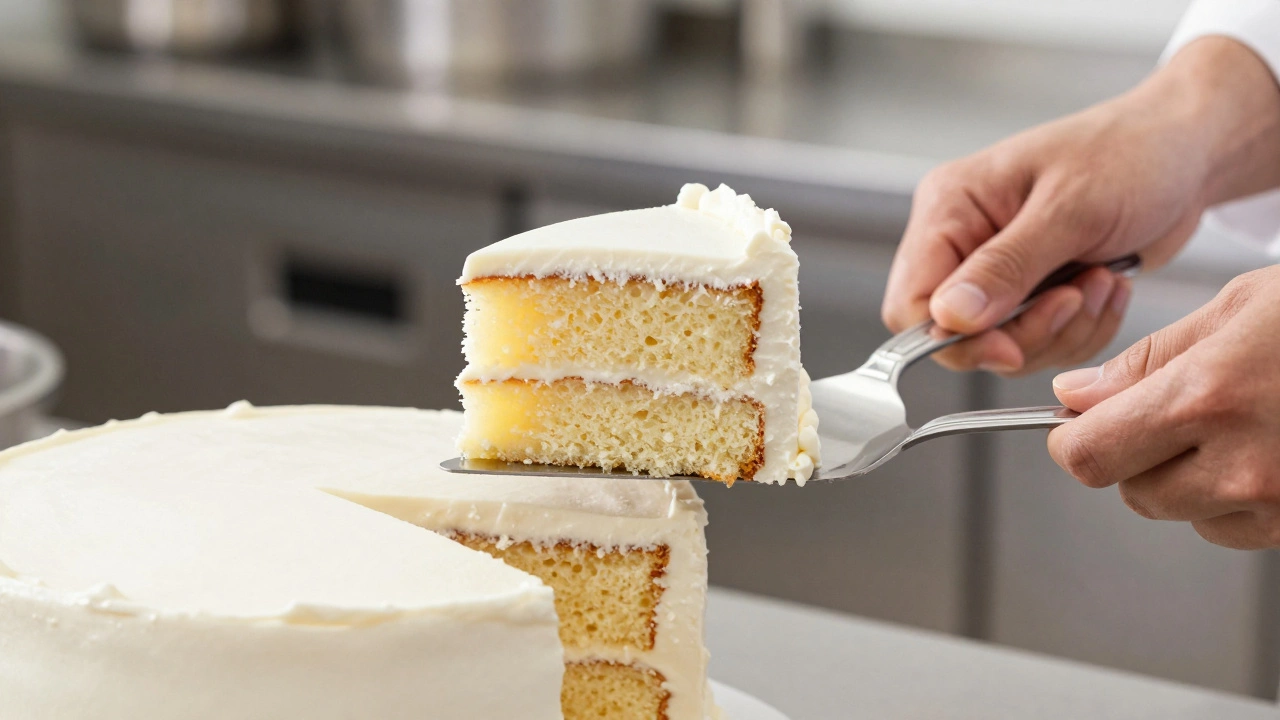
To calculate your needs accurately, you first have to agree on what constitutes a single portion. In the professional baking world, a standard wedding cake serving is significantly smaller than what you might expect. Most reputable bakers use a serving size of approximately 1.5 inches by 2 inches, which is about the size of a smartphone card or a small slice of pie.
This dimension usually yields about 1.5 cubic inches of cake. Why so small? Because wedding cake is often dense, rich, and served alongside other desserts like tarts, cookies, or ice cream. If you order a massive, two-inch-thick slice, half your guests will likely leave with leftovers wrapped in boxes, which increases your cost unnecessarily.
However, some modern bakers are moving toward a slightly larger "generous" serving of 2 inches by 2 inches. If you choose this style, you will need fewer total slices from the same volume of cake, but the tiers will look different. Always ask your baker which standard they use before finalizing your order. The difference can change the total weight of the cake by 20% or more.
Tier Sizes for 100 Guests
Once you know the serving size, you can map out the physical structure of your cake. For 100 guests, a three-tier cake is the most common choice, offering both visual impact and practicality. Here is how the typical breakdown looks using standard round cakes:
| Tier Height | Diameter | Servings (Standard) | Role |
|---|---|---|---|
| 4 inches | 6 inches | 8-10 | Ceremonial topper / Cutting only |
| 4 inches | 9 inches | 27-30 | Secondary display / Small servings |
| 4 inches | 12 inches | 50-55 | Main feeding tier |
| Total Estimated Servings | ~85-95 | Add buffer for 100+ guests | |
As you can see, a standard 6-9-12 inch stack falls slightly short of 100 servings. To hit your target safely, you have two options. First, you can increase the height of the bottom tier to 6 inches, which adds significant volume. Second, and often more cost-effective, is to add a fourth, larger tier underneath, such as a 15-inch or 18-inch cake, specifically for feeding guests while keeping the top three tiers for display.
If you prefer square cakes, the math changes slightly. A square cake yields more servings per diameter because the corners utilize space better. A 6x6, 9x9, and 12x12 inch stack will yield closer to 100 servings directly, making it a efficient choice for rectangular venues or modern aesthetics.
The Display vs. Feeding Cake Strategy
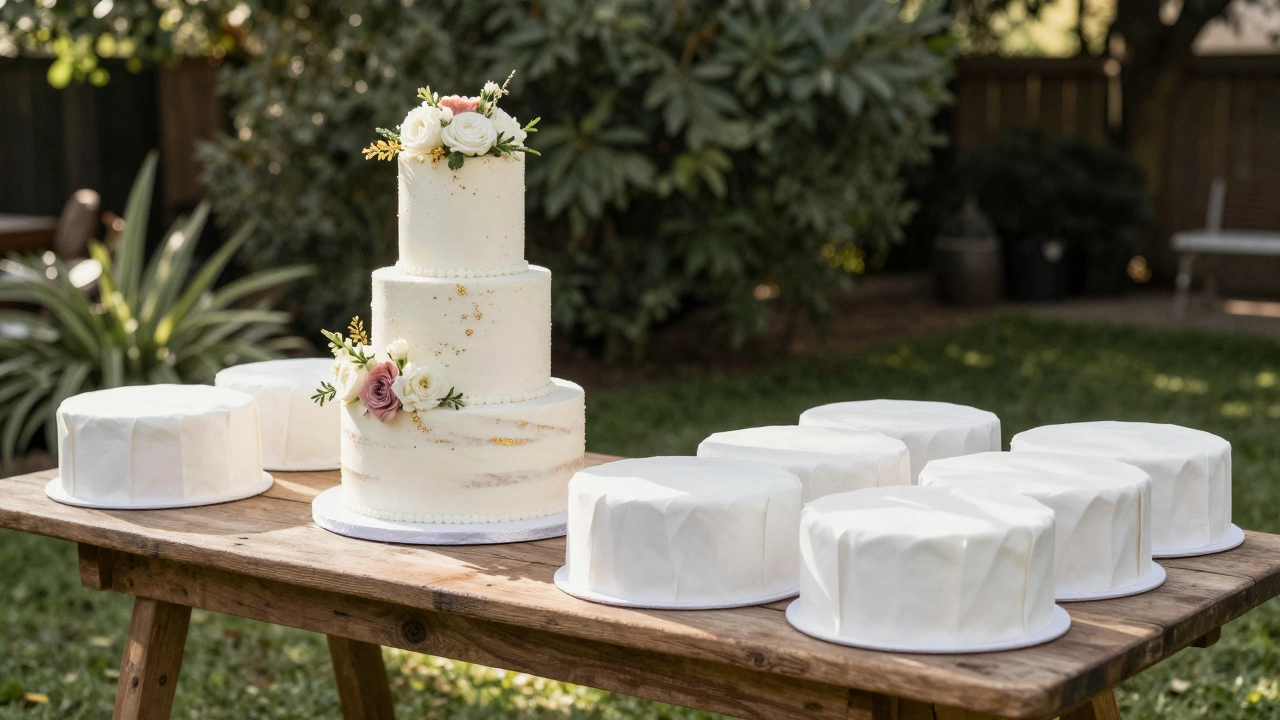
Here is a secret that many experienced planners use to save money: separate the display cake from the feeding cake. You can commission a beautiful, intricate 6-inch or 8-inch cake for photos and the ceremonial cut. Then, order simple, sheet-style cakes or less decorated round cakes for the rest of the guests.
For 100 guests, you might buy two 12-inch sheet cakes or three 10-inch round cakes to serve alongside the display piece. This approach reduces labor costs because the baker spends less time decorating the large portions that no one sees clearly. It also allows you to offer variety-perhaps chocolate for the display and vanilla bean for the sheets, or different fillings for different tables.
This method requires coordination with your venue or caterer to ensure the feeding cakes arrive at the right temperature and are stored properly until service. It is particularly useful if your wedding is outdoors, where humidity can damage delicate fondant work on large structures.
Factors That Change Your Calculation
Not all weddings are created equal. Several variables can shift your required quantity up or down. Consider these factors when finalizing your number:
- Guest Demographics: If you have many children under 10, they may eat more cake. Conversely, if your guest list is predominantly older adults, they may prefer smaller portions or skip cake entirely.
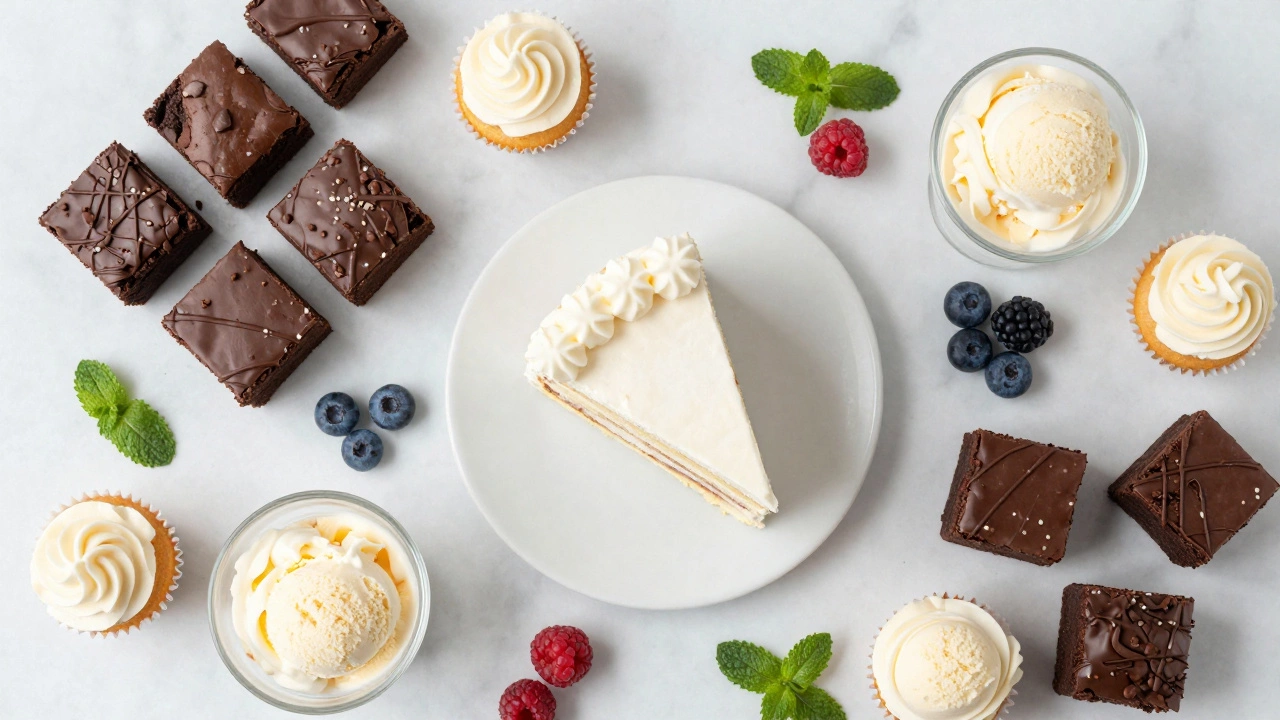
- Other Desserts: Are you serving a dessert table with brownies, cupcakes, or ice cream? If yes, reduce your cake servings by 10-15%. People rarely eat a full slice of cake if they have just eaten a cookie.
- Cultural Expectations: Some cultures view cake as a primary dessert, while others see it as a light afterthought. Adjust accordingly.
- Time of Day: Morning or brunch weddings often see lower cake consumption than evening receptions.
A good rule of thumb is to aim for 90-95% coverage. It is better to have five extra slices than to run out. Leftover cake is easily boxed up for guests to take home or saved for your first anniversary. Running out creates awkward moments and disappointed guests.
Cost Implications and Budgeting
Understanding the quantity helps you budget accurately. In Dublin and similar markets, wedding cakes range from €25 to €45 per serving depending on complexity. For 100 guests, a standard decorated cake might cost between €2,500 and €4,500.
If you opt for the display-and-sheet strategy, you might reduce that cost by 30%, bringing it down to €1,750-€3,150. The savings come from reduced decoration time and simpler structural supports. However, remember that you still need to pay for the design work on the top tier, which is often priced separately.
Always request a detailed quote that breaks down the cost per tier and per serving. This transparency helps you identify where you can trim fat without compromising quality. For example, switching from buttercream to fondant might increase durability but also cost, while adding fresh flowers instead of sugar flowers can be cheaper and more elegant.
Logistics: Cutting and Serving
Having enough cake is only half the battle; serving it efficiently is the other. A cake with 100 servings is heavy and difficult to manage during a busy reception. Many couples hire a dedicated cake-cutting service or assign this task to a trusted friend or family member.
Professional cutters know how to maximize every inch of the cake, ensuring uniform slices and minimizing waste. They also handle the cleanup, which frees up your catering staff to focus on food service. If you DIY, invest in a long, thin serrated knife and practice cutting straight lines beforehand. Crooked cuts lead to uneven servings and frustrated guests.
Consider the timing. Cake should be served within an hour of being cut to maintain freshness and texture. If your reception runs late, coordinate with your venue to store the remaining cake in a cool, dry place away from direct sunlight or heat sources.
Can I use a smaller cake and supplement with cupcakes?
Yes, this is a popular trend. You can have a modest 6-8 inch display cake and provide cupcakes for each guest. Cupcakes are individual servings, eliminating cutting issues and allowing for flavor variety. Just ensure you account for packaging costs and setup time.
What if my guests want seconds?
Plan for 10-15% extra servings to cover seconds. Alternatively, set up a self-service station with leftover slices later in the evening. This encourages casual grazing rather than formal plating.
How do I handle dietary restrictions?
Offer a separate gluten-free or vegan cake for guests with specific needs. Label these clearly to avoid cross-contamination. Usually, 5-10% of guests require alternatives, so a small 6-inch specialized cake suffices.
Is it better to order too much or too little?
Always err on the side of more. Leftovers are a sweet bonus for guests to take home, while running out causes disappointment. Most bakers allow you to adjust quantities up to a week before the event.
Do I need a cake stand for multiple tiers?
Yes, especially for cakes over 12 inches. Sturdy stands with internal supports prevent collapsing. Your baker will likely provide this, but confirm it in your contract to avoid last-minute rentals.