Luxury Bouquet Planner
Luxury Score
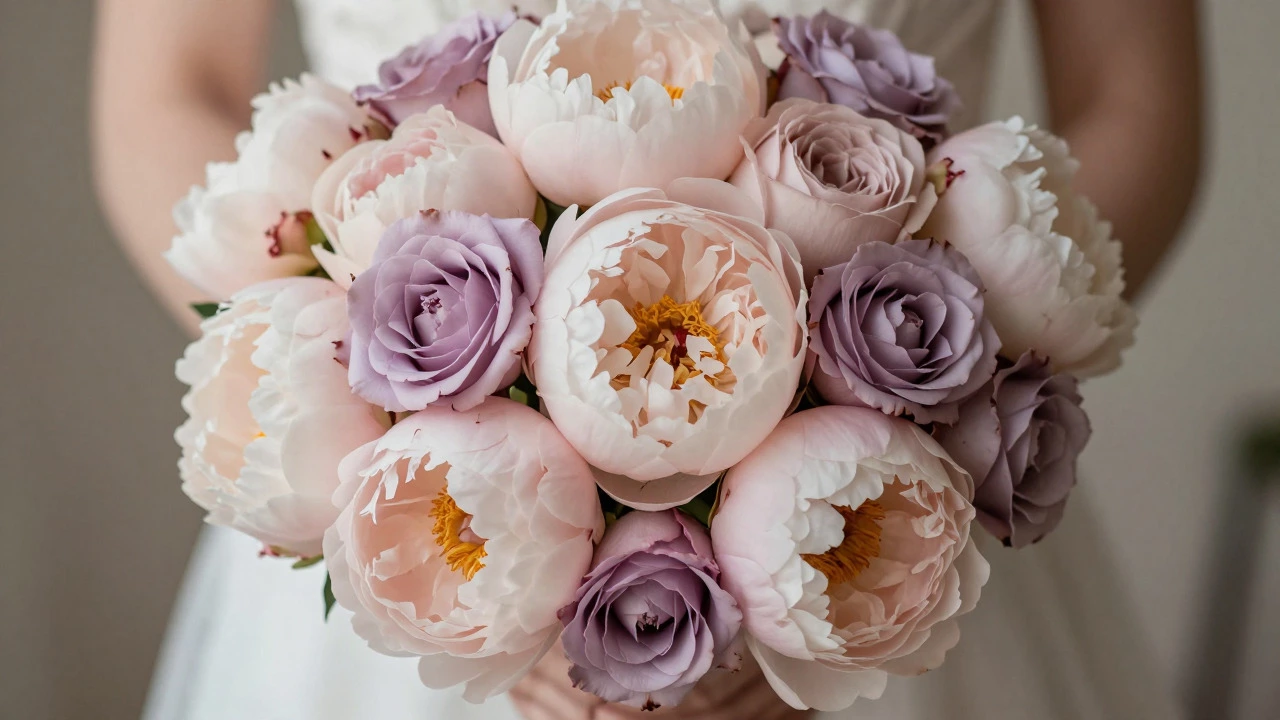
There is a specific weight to a high-end wedding bouquet is a curated arrangement of premium blooms designed to convey status and aesthetic sophistication. It isn't just about the price tag; it’s about the visual density, the texture contrast, and the structural integrity that makes a flower head turn. If you’ve ever held a $50 market bunch and a $500 bridal piece side-by-side, you know the difference immediately. The expensive one feels substantial, not airy. It looks like it was built by someone who understands how light hits a petal.
You don’t need a five-figure budget to achieve this look. You need an understanding of volume management and stem selection. Most amateur arrangements fail because they are too sparse or rely on a single type of flower. To make your floral arrangement appear costly, you must master the art of layering textures and choosing stems that hold their shape without excessive filler.
The Power of Volume and Density
The single biggest indicator of expense in floristry is density. Cheap bouquets often have visible gaps where the greenery shows through too much, or where the stems are exposed at the base. High-end designs feel full from every angle. This doesn’t mean stuffing as many flowers as possible into a vase; it means using larger-headed blooms and shorter stems to create a compact, round silhouette.
- Use large-headed blooms: Opt for varieties with significant face value, such as standard roses, peonies, or ranunculus. These flowers command attention and fill space efficiently.
- Minimize negative space: Arrange flowers so that no single gap is larger than the width of a finger. Negative space looks empty; positive space looks lush.
- Build from the center out: Start with a dense core of focal flowers before adding outer layers. This ensures the bouquet has structural weight.
If you are working with a limited number of stems, focus on quality over quantity. Ten perfect, fully opened peonies will look more luxurious than twenty half-opened tulips. The key is ensuring that each bloom is at its peak freshness, with no browning edges or wilted petals.
Texture Contrast: The Secret Ingredient
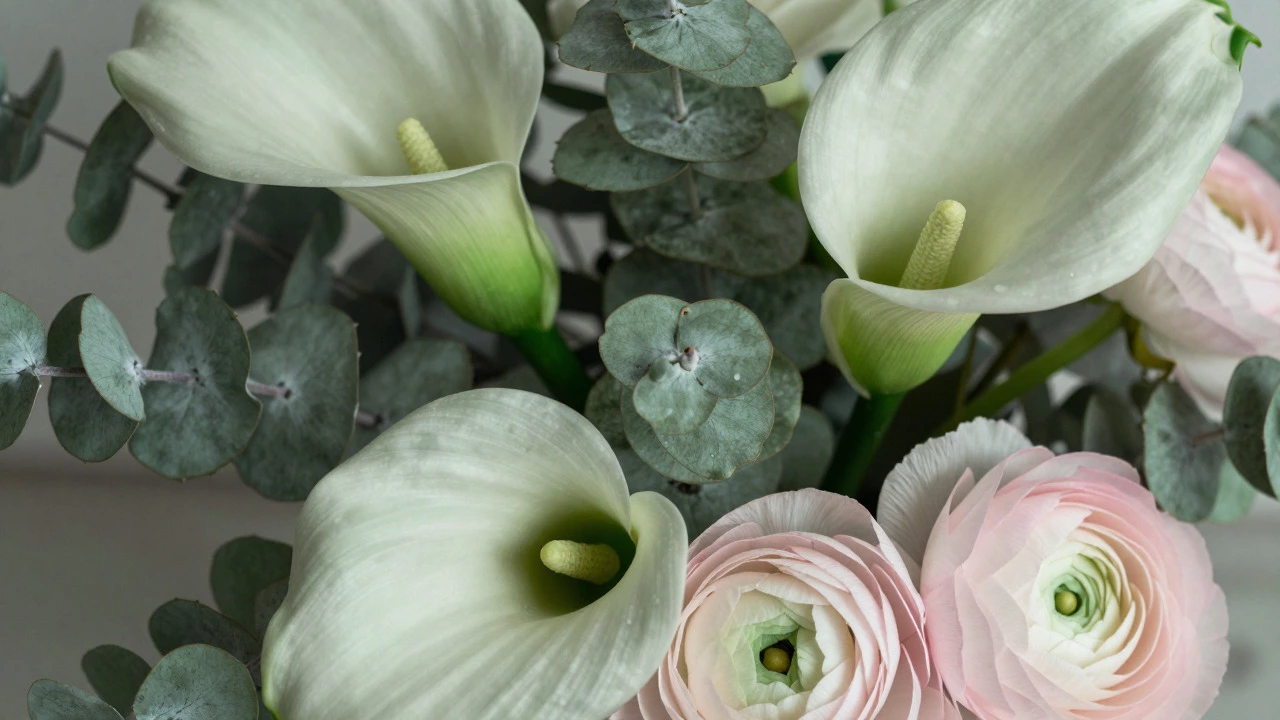
A monochromatic bouquet of only one type of flower can look flat, even if the flowers are expensive. To elevate the design, you need texture contrast. This involves mixing smooth, waxy petals with rough, ruffled, or spiky elements. This visual variety catches the eye and adds depth, making the arrangement look complex and professionally composed.
| Element Type | Example Flowers | Visual Effect |
|---|---|---|
| Smooth & Waxy | Roses, Calla Lilies | Provides a clean, classic foundation |
| Ruffled & Complex | Peonies, Ranunculus, Dahlias | Adds volume and romantic softness |
| Spiky & Linear | Hydrangea, Lisianthus | Creates height and breaks up round shapes |
| Fine & Delicate | Baby's Breath, Wax Flower | Adds airiness without looking cheap |
For example, pairing the smooth, glossy petals of a garden rose with the crinkled, paper-thin layers of a ranunculus creates immediate visual interest. Add a few sprigs of eucalyptus or olive branches for a linear, architectural element. This mix prevents the bouquet from looking like a simple circle of flowers and gives it a dynamic, organic feel.
Color Palette Strategies
Color coordination is another major factor in perceived value. Clashing colors make an arrangement look amateurish, while a cohesive palette signals intentionality. You don’t need to stick to white. In fact, muted tones often look more expensive than stark pure whites, which can sometimes appear clinical or dated.
- Choose a base color: Select a dominant hue that matches your wedding theme or personal style. Soft blush, sage green, or dusty lavender are popular choices for a modern, expensive look.
- Add a secondary tone: Introduce a slightly darker or lighter shade of the same color family to add depth. For instance, pair pale pink peonies with deeper coral lisianthus.
- Incorporate neutral greens: Use silver-dollar eucalyptus or Italian ruscus instead of bright green foliage. Muted greens blend seamlessly with most palettes and look sophisticated.
Avoid using more than three distinct colors in a single bouquet. Each additional color increases the risk of visual clutter. Stick to a tonal palette where all shades are related. This restraint is a hallmark of professional design.
Stem Selection and Preparation
The condition of the stems matters just as much as the blooms. A bouquet with brown, mushy stems looks neglected, regardless of how beautiful the flowers are. Before arranging, cut all stems at a 45-degree angle under running water. This removes air bubbles and allows the flowers to drink efficiently.
Remove any leaves that will sit below the waterline in the vase or within the bouquet wrap. Leaves left in the water promote bacterial growth, which shortens the life of the arrangement. Also, strip lower leaves from long-stemmed flowers to reduce weight and keep the bouquet balanced in the hand.
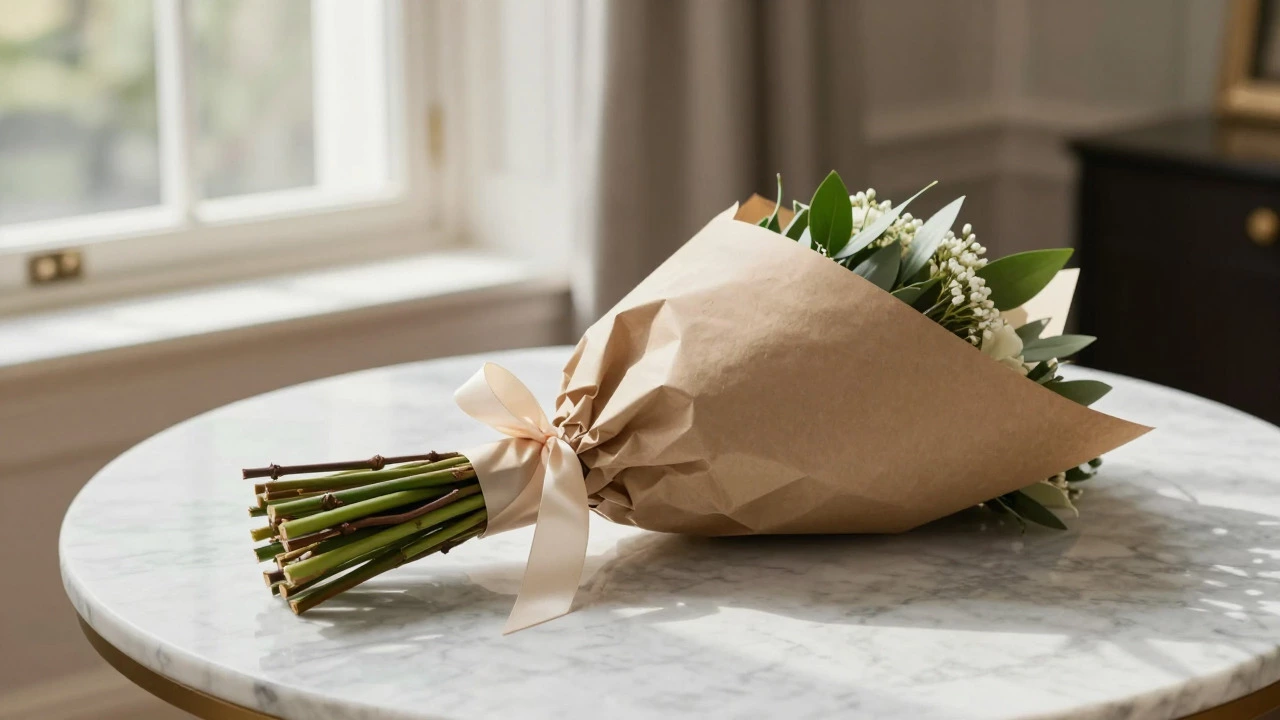
When wrapping the bouquet, use a sturdy backing material like kraft paper or silk ribbon rather than thin plastic cellophane. Cellophane can wrinkle and reflect light in unflattering ways, making the bouquet look cheap. Silk or linen wraps add a tactile, high-quality finish that complements the flowers.
Common Mistakes That Lower Perceived Value
Even with good flowers, certain execution errors can ruin the expensive look. Watch out for these common pitfalls:
- Over-wrapping: Too much paper or ribbon can hide the beauty of the flowers. Keep the wrap minimal and elegant.
- Mismatched sizes: Ensure all focal flowers are roughly the same size. A tiny rose next to a massive peony looks accidental rather than intentional.
- Visible tape: If you are taping the stems together, use clear floral tape and hide it completely. Visible tape is an instant giveaway of a DIY project.
- Ignoring hydration: Dehydrated flowers droop and lose their structure. Keep your bouquet in a cool place and mist it lightly if it starts to look tired.
Remember, the goal is to create a seamless illusion. Every element should look like it belongs there naturally. If something looks forced or added later, it detracts from the overall impression of luxury.
Final Touches for a Polished Look
Once your bouquet is assembled, take a step back and evaluate it from different angles. Check for symmetry, but don’t aim for perfect geometric precision. Organic asymmetry is more natural and appealing. Adjust any stray petals or leaves that stick out awkwardly. Trim any uneven stems to ensure a clean base.
Add a final spray of flower food solution to extend the life of the blooms. Store the bouquet in a cool room away from direct sunlight until it’s needed. When you hold it, it should feel secure and balanced, not top-heavy or fragile. With these techniques, your luxury florals will command attention and set the tone for your entire event.
What flowers look the most expensive?
Peonies, garden roses, and ranunculus are often considered the most luxurious due to their large size, complex petal structures, and high cost per stem. Their full, rounded shapes contribute significantly to the perception of volume and quality.
How do I make a small bouquet look big?
Use flowers with large heads and short stems. Focus on density rather than spread. By packing blooms tightly together and minimizing negative space, a smaller arrangement can appear fuller and more substantial than a sparse, larger one.
Is white always the best choice for a wedding bouquet?
Not necessarily. While white is classic, muted tones like blush, sage, or ivory often look more sophisticated and modern. Pure white can sometimes appear stark or dated, especially against certain dress fabrics. Consider your overall color scheme before committing to all-white blooms.
What is the best way to wrap a bouquet for a high-end look?
Use natural materials like kraft paper, linen, or silk ribbon. Avoid shiny plastics or cellophane, which can look cheap and reflect light poorly. A simple, clean wrap with a satin or velvet bow adds elegance without overwhelming the flowers.
How long does a fresh bouquet last?
With proper care, including daily water changes and trimming stems, a fresh bouquet can last 5 to 7 days. Keeping it away from direct heat and fruit bowls (which release ethylene gas) helps extend its lifespan significantly.