Wedding Energy Flow Simulator
Timeline Controls
Ceremony & Welcome
Formal gathering, emotional peak, structured seating.
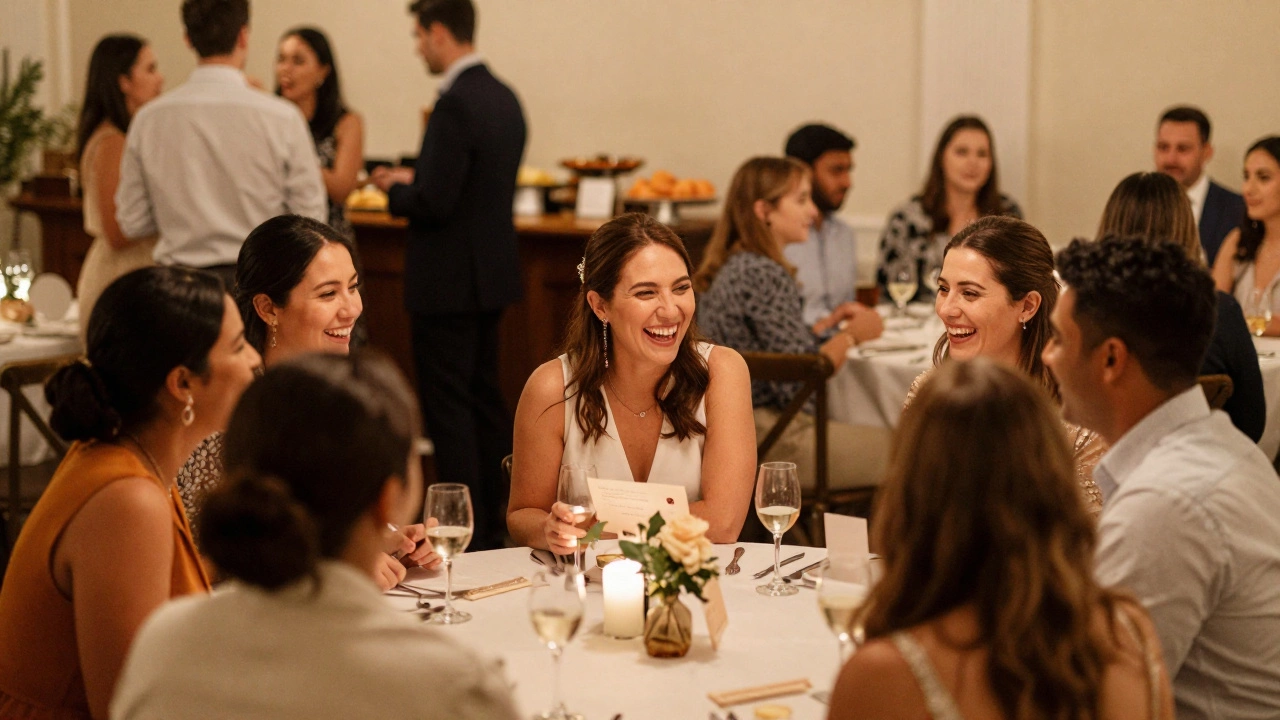
Cocktail Hour
Crucial icebreaker period. Background music, appetizers, mingling.
Dinner Service
Seated dining. Risk of boredom if too long. Interactive stations recommended.
Speeches & First Dance
Emotional centerpiece. Keep speeches under 3 mins each to maintain momentum.
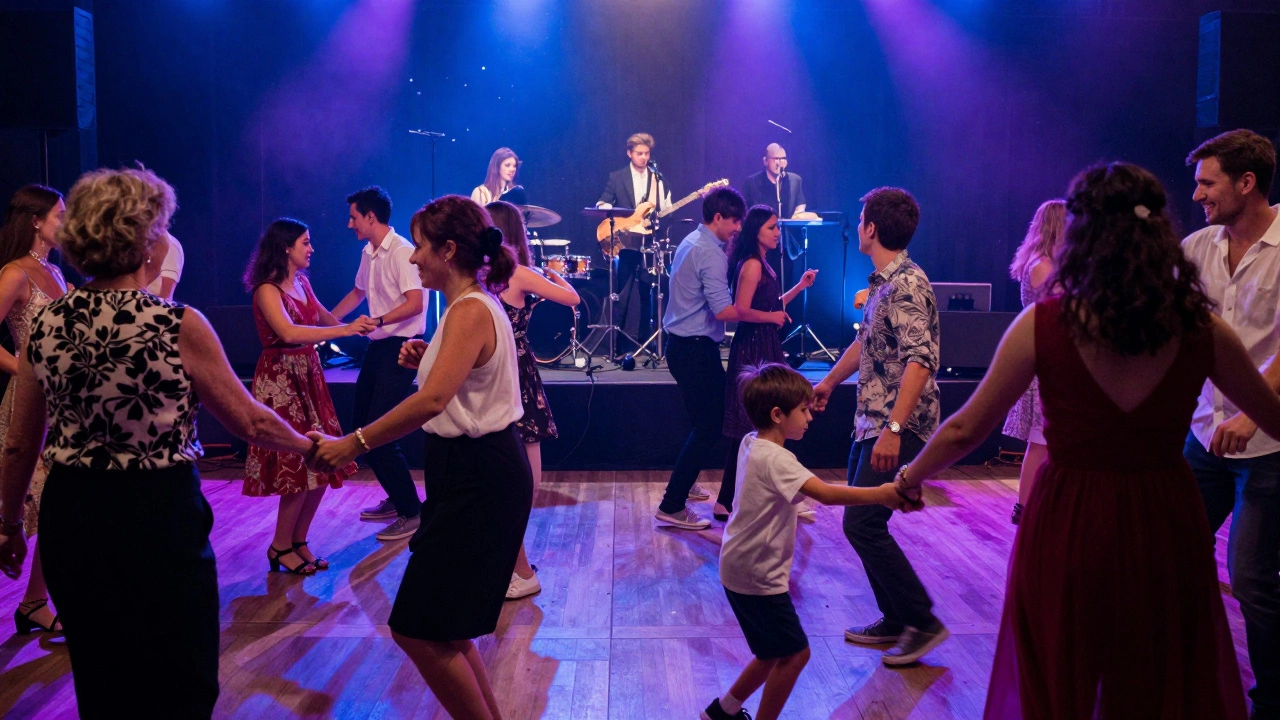
Open Dancing Begins
Transition to high energy. DJ/Band reads the room. Lighting shifts to moodier tones.
Late Night Snack
Tacos/Sliders/Pizza. Re-energizes tired dancers. Second wind for the party.
Grand Finale
Final songs, sparklers, send-off. End on a high note before fatigue sets in.
You’ve spent months picking the perfect venue, agonizing over the cake flavor, and coordinating with vendors who charge by the hour. You want your guests to remember this day as magical, not monotonous. But here’s the hard truth: a beautiful setting with silent tables and stiff speeches is just as bad as a chaotic mess. The difference between a wedding people talk about fondly for years and one they forget by Monday comes down to one thing: energy.
Keeping your wedding from being boring isn’t about turning it into a nightclub or forcing everyone to play charades. It’s about creating moments of connection, surprise, and joy that fit your personality. Whether you’re an introvert who loves deep conversations or an extrovert who lives for the dance floor, there are specific strategies to keep the momentum going all night long.
The Golden Rule: Know Your Guest List
Before you book a DJ or design a photo booth backdrop, look at who will actually be sitting in those chairs. A wedding where half the guests don’t know each other requires different entertainment than a wedding where everyone has known each other since kindergarten.
Mixing guest groups is a strategy to encourage interaction among strangers through structured activities or seating arrangements. If your cousin from college doesn’t know your grandmother’s bridge club friends, they won’t naturally mingle. They’ll sit together, check their phones, and leave early. To fix this, you need intentional icebreakers.- For mixed crowds: Use table tents with conversation starters or mini-games like "Find someone who..." bingo cards handed out during dinner.
- For close-knit communities: Lean into inside jokes, shared history, and high-energy group dances that only your tribe would get.
- For multi-generational events: Balance loud music with acoustic sets or quiet lounge areas so grandparents can chat while teens dance.
Think of your entertainment plan as a host’s toolkit. You aren’t performing; you’re facilitating connections. When guests feel comfortable talking to the person next to them, the boredom disappears because human interaction is inherently engaging.
Food & Drink: More Than Just Sustenance
We often think of entertainment as music or games, but food is a massive part of the experience. Sitting still for forty-five minutes while waiting for three courses to arrive is a recipe for restlessness. Instead, make eating an event itself.
| Dining Style | Energy Level | Social Interaction | Best For |
|---|---|---|---|
| Traditional Plated | Low (sedentary) | Table-only | Formal, older demographics |
| Food Stations | Medium (movement) | High (mixing lines) | Modern, diverse tastes |
| Interactive Bars | High (activity) | Very High | Younger crowds, late-night snacks |
| Late-Night Tacos | Very High (surprise) | High (queue bonding) | Keeping dancers energized |
Consider adding interactive food stations like a build-your-own taco bar, a pasta station where chefs toss noodles live, or a dessert buffet with dipping sauces. These options force people to move around, stand in line (which creates casual chatting opportunities), and engage with the food rather than just consuming it silently.
Don’t underestimate the power of a well-timed cocktail hour. If drinks flow freely and there’s background music-like a jazz trio or a curated playlist-the mood lifts before the ceremony even ends. A dry or slow service kills momentum instantly.
Music: The Pulse of the Party
Bad music is the fastest way to clear a dance floor. But “good” music is subjective. The key is variety and reading the room. A DJ or band should act as a conductor, not just a playlist robot.
If you hire a live band, ensure they have a repertoire that spans decades. Start with recognizable classics from the ’70s and ’80s to get older guests moving, then transition into current hits for the younger crowd. Avoid bands that only play cover versions of songs nobody knows. The goal is sing-alongs, not head-nodding.
If you’re using a DJ, give them a “do not play” list and a “must play” list, but trust their expertise on timing. A pro DJ knows when to drop a high-energy track and when to let the room breathe. Ask them to include a mix of genres: hip-hop, pop, classic rock, and maybe some unexpected throwbacks like Motown or Disco. Surprise tracks often spark the biggest reactions.
Pro tip: Create a dedicated Spotify playlist titled “First Dance Energy” and share it with your musician. This ensures the first few songs set the right tone without awkward pauses.
Games & Activities: Low Pressure, High Reward
Most people hate forced wedding games. Nobody wants to be the last one standing in a game of musical chairs. However, low-stakes, optional activities can break the ice beautifully.
- The Photo Booth with a Twist: Don’t just provide props. Hire a professional photographer to take candid shots of guests interacting. Add a digital screen so they can see the photos instantly and share them. This creates a social media buzz and gives guests something to do if they’re shy about dancing.
- Guest Book Alternatives: Instead of signing a book, ask guests to record video messages on an iPad or write advice on polaroid stickers. This becomes a keepsake for you and an activity for them.
- Slow Dance Requests: Put out request cards where guests can suggest songs for a “slow dance round.” It feels personal and inclusive.
- Scavenger Hunt: Hide small clues around the venue related to your love story. Offer a prize (like a bottle of champagne) for the first team to solve it. This gets people exploring the space and working together.
Keep these activities optional. Forcefulness breeds resentment. Choice breeds participation.
Speeches: Short, Sweet, and Scheduled
Long speeches are the enemy of fun. No matter how funny the speaker is, attention spans drop after five minutes. Set a strict time limit: three minutes per speaker. Tell them beforehand. If they go over, have the DJ gently fade in music to signal the end.
Structure the speeches strategically. Place them during dinner, not after. Why? Because hungry people are impatient, and full people are relaxed. By the time dessert arrives, the emotional weight of the speeches has passed, and guests are ready to celebrate.
Encourage speakers to avoid generic compliments. Specific stories-funny, touching, or embarrassing-are what people remember. A speech about how you met is better than a speech about how great you are as a couple.
Lighting & Atmosphere: Setting the Mood
Lighting transforms a room. Harsh overhead lights make everything look clinical and uninviting. Dim, warm lighting creates intimacy and encourages relaxation.
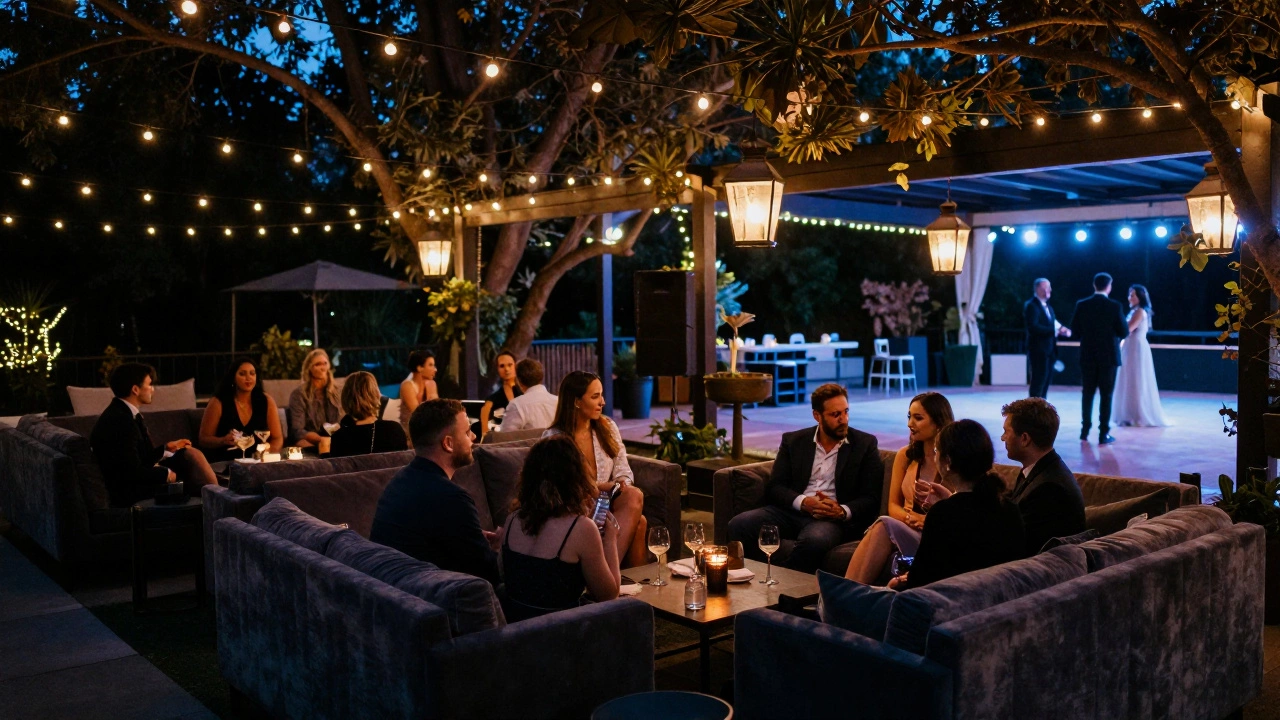
Use uplighting along the walls to change the color temperature throughout the night. Start with soft whites or golds during dinner, then shift to deeper blues or purples as the party heats up. String lights, candles, or lanterns add texture and warmth. These elements don’t cost much but dramatically affect how guests feel.
Consider a lounge area with comfortable seating, low tables, and softer music. This gives non-dancers a place to retreat without leaving the venue. It also prevents the main dance floor from feeling overcrowded.
Timing: The Hidden Factor
Boredom often stems from poor pacing. If there’s a two-hour gap between the ceremony and dinner, guests will wander off. Fill every transition with purpose.
- Cocktail Hour: Keep it under 60 minutes. Serve appetizers and drinks immediately.
- Dinner Service: Aim for 45-60 minutes maximum. Faster service means more time for dancing.
- First Dance & Toasts: Schedule these right after dinner, while energy is still high.
- Open Dancing: Start no later than 9:00 PM. Most guests lose interest after midnight.
- Late-Night Snack: Bring out tacos, sliders, or pizza at 11:30 PM to re-energize the crowd.
A tight schedule keeps things moving. Guests never have time to get bored because there’s always something happening next.
Final Thought: Be Present
The most important factor in a fun wedding is your own attitude. If you’re stressed, rushing around, or hiding in the bridal suite, your guests will sense it. Smile, greet people, dance with your grandma, laugh at the mishaps. Your joy is contagious. When you show up fully, others follow suit.
What is the best way to keep elderly guests engaged?
Focus on comfort and inclusion. Provide comfortable seating near the dance floor so they can watch without straining. Play familiar music from their era during the first hour of dancing. Ensure good lighting so they can see faces clearly. Assign a family member to check on them periodically and invite them to join simple activities like cutting the cake.
Should I hire a DJ or a live band?
It depends on your budget and vibe. A DJ offers wider song variety, better sound control, and lower cost. A live band provides higher energy, visual performance, and unique atmosphere but costs more and has limited song choices. For maximum flexibility, consider a hybrid: a band for dinner and early dancing, then a DJ for late-night hits.
How do I handle guests who don’t want to participate in activities?
Never force participation. Make all activities optional and clearly labeled. Provide alternative spaces like a quiet lounge or photo area. Respect introverts’ needs for downtime. The goal is to create opportunities, not obligations. Most people will join in once they see others having fun.
What time should the wedding end to keep it fun?
Aim for 10:30 PM to 11:30 PM for most weddings. This allows enough time for dancing without exhausting guests. If you have a younger crowd, extend to midnight. Always communicate the end time to vendors and guests in advance so expectations are managed.
Can I make my wedding fun on a tight budget?
Yes. Focus on high-impact, low-cost items: DIY playlists instead of expensive DJs, homemade favors, free outdoor venues, and potluck-style late-night snacks. Energy and thoughtfulness matter more than money. Personal touches like handwritten notes or custom playlists cost little but mean a lot.