Wedding Cake Budget Optimizer
Estimate your potential savings by making smart choices about your cake's structure and finish. Based on average market rates.
Your Optimization Report
Breakdown of Changes:
You just saw the quote. Three tiers, fondant finish, custom design. The number made your stomach drop. You love the look, but do you really need that much cake for a party of 120? Or is there a smarter way to get the 'wow' factor without draining your savings?
Here is the truth: most couples overpay for their wedding cake is the centerpiece dessert at a wedding ceremony, typically composed of multiple layers of sponge or chiffon, filled with cream or fruit, and decorated according to the couple's aesthetic preferences. It serves as both a functional food item and a symbolic gesture of celebration. because they assume 'bigger equals better.' But in reality, you can cut costs significantly by changing the structure, the ingredients, or even how you serve it. You don't have to choose between a beautiful photo op and a healthy bank account.
Stop Buying Cake You Will Never Eat
The biggest mistake people make is calculating the number of guests and then adding 20% for safety. That extra buffer usually ends up in the bin. If you are hosting 150 guests, you likely need about 75 to 80 servings if you offer other desserts. Why? Because many guests will take a small slice, skip it entirely, or grab a cookie instead.
Ask your baker about 'half-servings.' A standard serving is roughly 4 inches by 4 inches. A half-serving is 2 inches by 4 inches. If you switch to half-servings, you instantly cut the cake size-and the price-in half. This works perfectly if you plan to have a separate dessert table with cupcakes, brownies, or a cheese board. It’s a simple math trick that saves hundreds of euros without anyone noticing the difference in portion size.
Tier Count Matters More Than Size
There is a common myth that a three-tier cake looks more impressive than a two-tier one. Visually, yes. Financially, no. The cost of a cake isn't just about the diameter; it's about the labor and stability required for each level. Each additional tier adds significant structural complexity. Bakers charge more for the time spent stacking, stabilizing with dowels, and transporting a taller, heavier object.
If you want height, try a two-tier cake with a third tier that is smaller or made from a cheaper material. Some bakers offer 'dummy tiers'-unfilled cakes that look real but cost less because they lack filling and sometimes even sponge. Alternatively, consider a single tall tier. It looks modern, elegant, and often costs less than a multi-tiered setup because there is less assembly time involved.
| Structure Type | Approx. Servings (Full) | Relative Cost Factor | Best For |
|---|---|---|---|
| Single Tall Tier | 60-80 | Lowest | Modern minimalist weddings |
| Two Tiers (Standard) | 80-100 | Moderate | Balanced aesthetics and budget |
| Three Tiers (Standard) | 100-130 | High | Traditional large parties |
| Two Tiers + Dummy Top | 80-100 | Moderate-High | Height illusion without full cost |
Choose Flavor Over Finish
This is where taste meets wallet. Fondant is expensive. It requires skilled hands, long drying times, and careful handling. Buttercream is cheaper and faster to work with. But here is the secret: nobody remembers what the frosting tasted like six months later. They remember the flavor of the sponge and the filling.
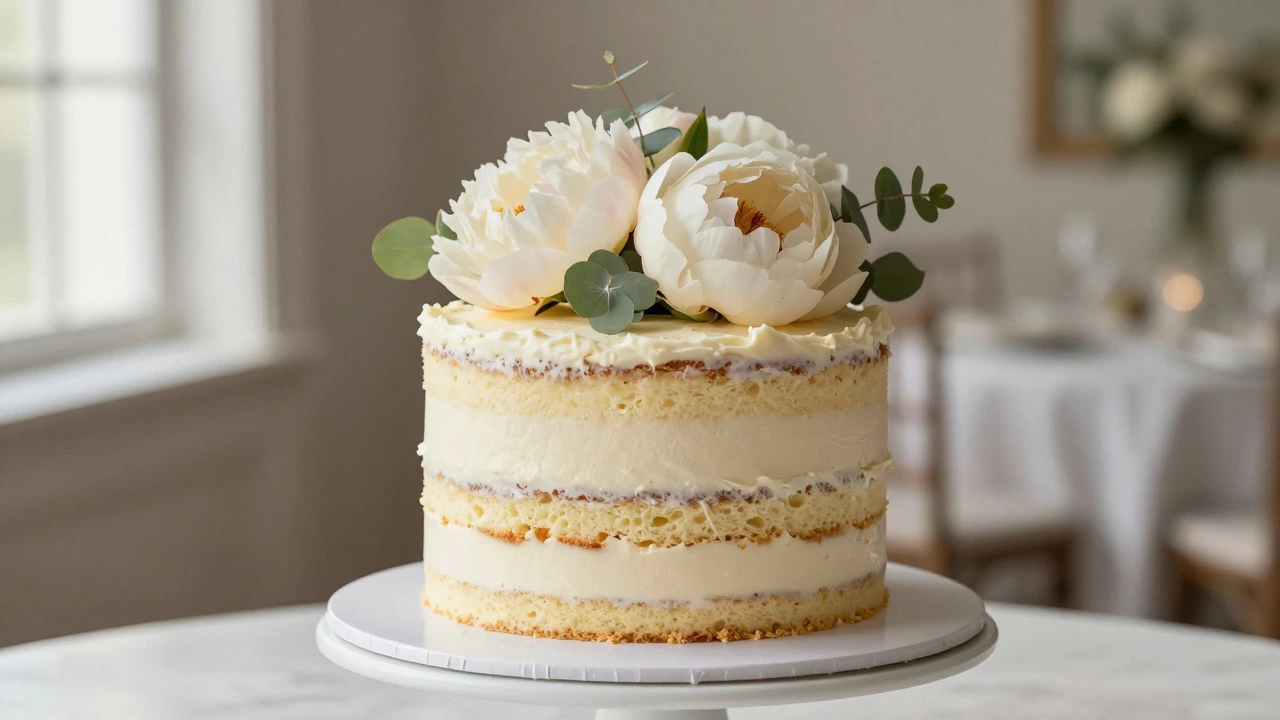
Spend your budget on high-quality ingredients inside the cake. Go for a rich vanilla bean sponge or a moist chocolate ganache layer. Then, opt for a simpler exterior. A 'naked' or 'semi-naked' cake uses less buttercream, exposes the sponge texture, and looks rustic and trendy. It saves money on piping labor and decorative elements. If you still want some color, ask for hand-painted accents or fresh flowers rather than intricate sugar paste figures. Fresh flowers from a local florist are often cheaper than custom sugar crafts and add a natural touch that photographs beautifully.
Timing Is Everything
When you book matters as much as what you order. Most wedding cake makers is professional bakers who specialize in designing and producing custom cakes for celebrations, often requiring advance booking due to high demand during peak seasons. operate on seasonal peaks. June through September is prime time in Ireland. Prices tend to be higher, and slots fill up fast. If you can shift your wedding date to May or October, you might find more flexibility in pricing. Bakers are more willing to negotiate or offer package deals when they aren't slammed with peak-season orders.
Also, consider the day of the week. Saturday weddings command a premium. If you get married on a Friday or Sunday, some bakers offer discounts because it’s easier to manage their production schedule. It’s a small shift, but it can knock a few hundred off the total bill.
Negotiate the Extras
Read your quote line by line. What is included? Delivery? Setup? Candles? Cutters? Sometimes these seem minor, but they add up. Ask if delivery is free within a certain radius. In Dublin, for example, many bakers include delivery within city limits but charge for suburbs. Clarify this early.
Also, ask about 'cake stand' rentals. Do you need to buy a fancy stand? Often, you can rent one from a local event hire company for a fraction of the cost of buying new. Or, if you are having a venue that provides tables and linens, ask if they have a basic stand available. Don’t let small add-ons creep into your budget unnoticed.

Alternative Dessert Strategies
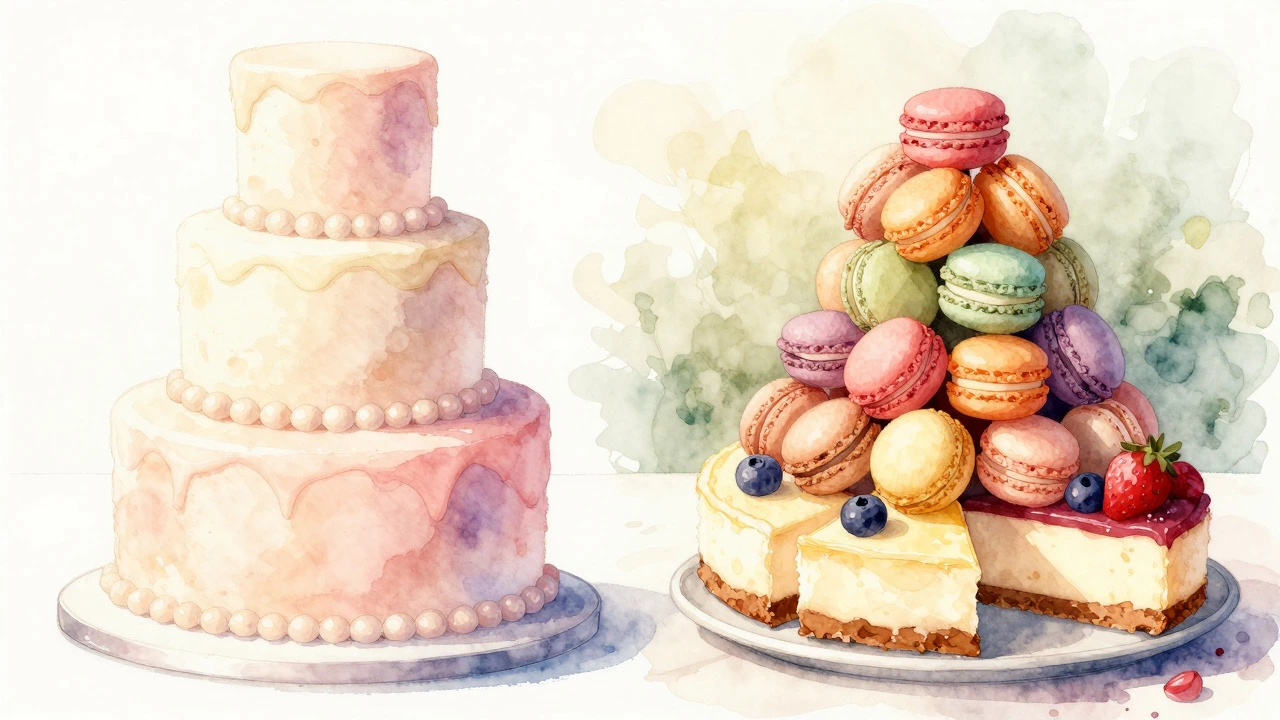
What if you didn't need a traditional cake at all? Consider a 'cake alternative.' A cheesecake tower, a pavlova display, or a stack of macarons can serve as the centerpiece. These options often cost less per head than a fully frosted tiered cake. Plus, they break the monotony of another white, round cake. Guests appreciate variety. If you go this route, ensure the visual impact matches the theme. A towering stack of colorful macarons looks stunning against a neutral backdrop and costs significantly less than a three-tier fondant masterpiece.
Questions People Ask About Saving on Cakes
Is it rude to have a smaller cake?
Not at all. As long as everyone gets a piece, the size doesn't matter. Many guests prefer smaller portions so they can try other desserts. Focus on quality and presentation rather than sheer volume.
Can I use leftover cake for my honeymoon?
Yes, but only if you freeze it properly. Ask your baker for advice on wrapping. Usually, you should wrap the whole cake in plastic and foil before freezing. Thaw it in the fridge for 24 hours before eating. Note that frozen buttercream may change texture slightly.
Which is cheaper: fondant or buttercream?
Buttercream is generally cheaper. Fondant requires more skill, time, and materials. However, a very simple fondant cake might cost the same as a complex buttercream design. Always compare quotes based on the specific design, not just the covering type.
Should I pay a deposit upfront?
Yes, typically 30-50%. This secures your date. Make sure the contract states what happens if you cancel. Keep receipts and confirm the final payment date in writing to avoid surprises later.
Do I need a tasting session?
It’s recommended but optional. Tastings usually cost €50-€100, which is often deducted from the final price. If you have a strong preference, skip it to save money. If you’re unsure, it’s worth it to ensure the flavor matches your expectations.