Wedding Budget Decor Allocator
The average wedding decoration bill is between $2,000 and $5,000. Use this tool to see how to strategically spend just $100 for maximum impact.
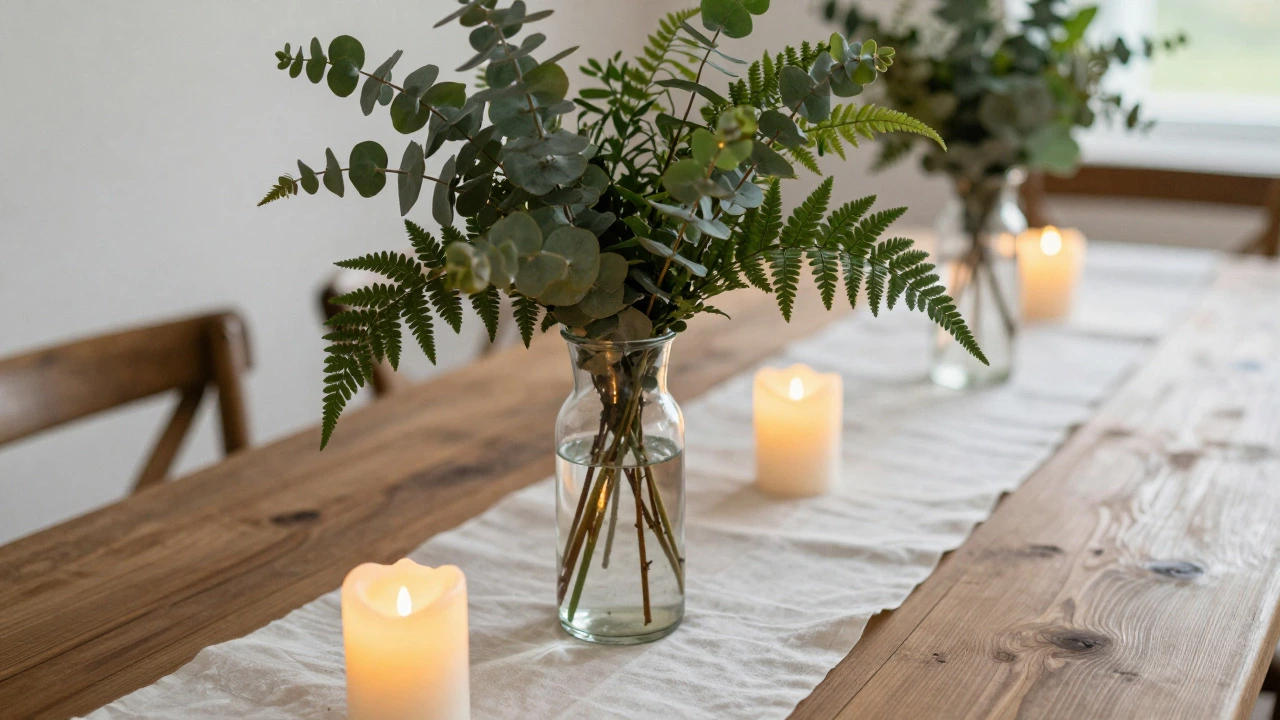
Fresh ferns, eucalyptus, or ivy. Adds volume without the price of roses.
LED candles or fairy lights. Transforms stark rooms into romantic spaces.
Borrowed jars, thrift store finds. Imperfection adds charm.
Petals, calligraphy cards, ribbon. Ties the look together.
Allocation Summary
- Total Allocated: $100
- Remaining Budget: $0
Cost Comparison Insight
By using your allocated budget for these DIY elements instead of high-end rentals:
Average couples spend $2k-$5k on decor. Your focused approach saves ~95% of that cost.
Let’s be honest: when you see a price tag of $100 for wedding decorations, your first instinct might be to panic. You might picture plastic flowers that look like they were bought at a discount store in 1995, or mismatched plates that scream "last-minute emergency." But here is the truth that most expensive planners won’t tell you: $100 is not too cheap if you know exactly where to spend it and, more importantly, where to save.
In fact, with the average wedding decoration bill hovering between $2,000 and $5,000 depending on the venue and guest count, a $100 budget forces you to be creative rather than careless. It shifts the focus from buying things to curating an atmosphere. If you are looking to style your big day without breaking the bank, this guide will show you how to make every cent count while keeping your aesthetic intact.
The Reality of a $100 Decoration Budget
Before we jump into the shopping list, we need to define what "$100 for decorations" actually means. Are you decorating an entire reception hall for 150 guests? Or are you styling just the head table and the cake area? The scope matters immensely. For a large venue, $100 covers almost nothing unless you go fully DIY with natural elements. For an intimate elopement or a micro-wedding with 20 people, $100 can create a stunning focal point.
Think of this budget as a seed fund. It is not meant to cover everything; it is meant to elevate specific areas. The key is strategic placement. Guests notice three things immediately: the entrance, the head table, and the photo backdrop. If you spend your $100 on these high-impact zones, the rest of the room can rely on the venue's existing architecture or lighting.
What is the average cost of wedding decorations?
The average cost varies wildly by region and scale. In major cities like Dublin or London, couples often spend between €2,000 and €4,000 on decor alone. This includes centerpieces, linens, lighting, and signage. However, this average is skewed by luxury weddings. Many couples achieve beautiful results for under $500 by focusing on DIY projects and renting rather than buying.
Where Your $100 Should Go (And Where It Shouldn't)
If you have $100, do not spread it thin across 20 tables. Instead, concentrate your resources. Here is a breakdown of how to allocate that money for maximum visual impact:
- $40 on Greenery: Fresh greenery is cheaper than flowers and looks lush. Buy bulk ferns, eucalyptus, or ivy from a local market or wholesale florist. Greenery adds volume and texture without the premium price of roses or peonies.
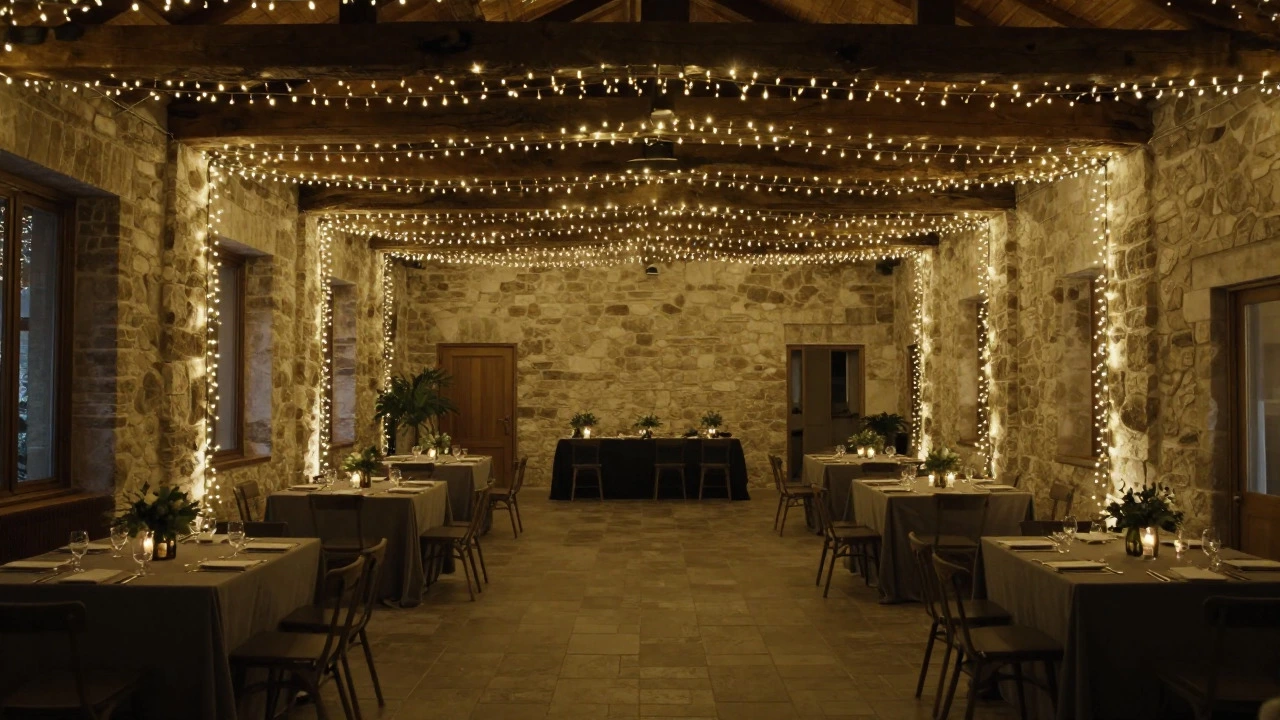
- $30 on Lighting: Lighting changes everything. A few battery-operated LED candles or a single string of warm-white fairy lights can transform a stark room into a romantic space. Avoid colored bulbs; stick to warm white for a timeless look.
- $20 on Vessels: Do not buy new vases. Borrow them from friends, family, or even thrift stores. Look for mismatched glass jars, old bottles, or ceramic pots. The imperfection adds charm.
- $10 on Accents: Use this for small touches like scattered petals, simple calligraphy cards, or ribbon. These details tie the look together.
Notice what is missing? Expensive floral arrangements, rented furniture, and elaborate backdrops. Those are budget killers. By focusing on greenery and light, you create ambiance rather than clutter.
DIY Strategies That Actually Save Time and Money
DIY has a bad reputation because people think it means spending all night gluing foam to cardboard. It doesn't have to. Smart DIY is about leveraging free or low-cost materials.
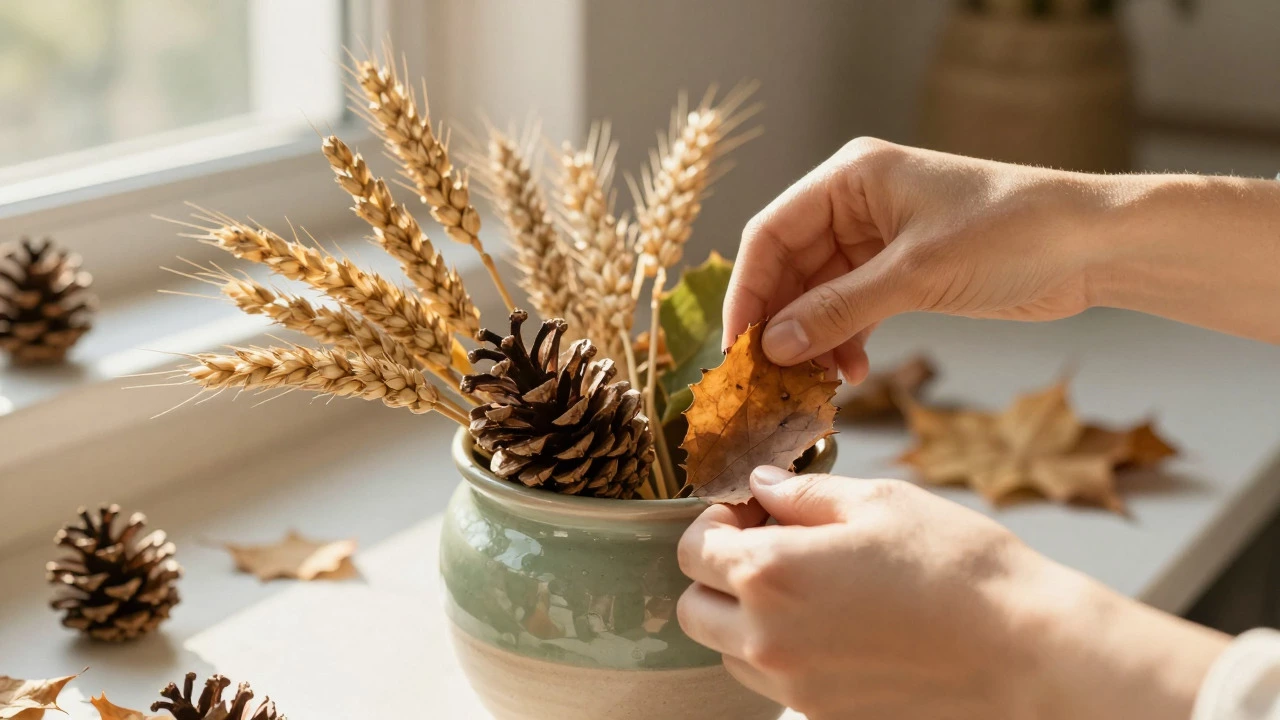
Forage for Free Materials: Depending on where you live, nature provides incredible decor. Pinecones, branches, leaves, and wildflowers are free. If you are getting married in autumn, dried corn husks and wheat stalks can create rustic centerpieces for pennies. Just ensure you clean them thoroughly and check with your venue about bringing in outdoor elements.
Borrow, Don't Buy: Start a group chat with your bridesmaids and groomsmen. Ask them to bring items they already own. Mason jars, vintage books, candlesticks, and even tablecloths can be sourced from their homes. This creates a personal touch and saves cash. Make sure to return everything promptly!
Digital Signage: Skip the expensive acrylic signs. Create elegant digital files using Canva (free version) and print them on cardstock from a local copy shop. A simple black-and-white print on thick paper looks sophisticated and costs less than $5 per sign.
Common Mistakes When Decorating on a Shoestring
Even with a tight budget, there are pitfalls to avoid. Making mistakes can make a cheap setup look shabby rather than stylish.
- Using Artificial Flowers Poorly: Cheap silk flowers look fake. If you must use artificial blooms, mix them with real greenery to hide the stems and add realism. Better yet, avoid them entirely and stick to foliage.
- Overcrowding Tables: Less is more. A single tall vase with greenery allows guests to see each other and talk. Low, sprawling arrangements block sightlines and require more materials. Keep centerpieces small and sparse.
- Ignoring Venue Lighting: If your venue has dimmable lights, use them. Harsh overhead fluorescent lighting kills romance. Ask the venue manager to turn off overheads and rely on lamps, candles, or string lights. This costs nothing but makes a huge difference.
- Mismatched Themes: Stick to one color palette. Mixing too many colors or styles can look chaotic. Choose two complementary colors (e.g., sage green and cream) and stick to them throughout.
Comparison: High-Budget vs. Budget-Friendly Decor Choices
| Decor Element | High-Budget Option | Budget-Friendly Alternative | Estimated Savings |
|---|---|---|---|
| Centerpieces | Fresh floral bouquets ($50+ each) | Greenery bundles + borrowed vases ($5 each) | ~$45 per table |
| Lighting | Rented uplighting kits ($300+) | Battery LED candles & fairy lights ($30 total) | ~$270 |
| Signage | Custom acrylic/neon signs ($100+) | Printed cardstock on easels ($10 total) | ~$90 |
| Table Linens | Rented custom-colored linens ($20/table) | Venue's standard white linens + fabric runners ($5/table) | ~$15 per table |
Maximizing Impact with Minimal Spend
To make your $100 stretch further, focus on sensory experiences beyond just visuals. Scent and sound play a huge role in perception. A simple vanilla or citrus scent diffused subtly can make a room feel luxurious. Playing a curated playlist instead of hiring a DJ for background music during dinner adds atmosphere without cost.
Also, consider the power of negative space. Empty tables with a single striking element look more intentional than crowded tables with mediocre decor. Let the venue's architecture shine. If you are in a historic building, let the stone walls and wooden beams be part of the design. Add minimal decor to complement, not compete with, the surroundings.
Final Thoughts on Budget Decor
Is $100 too cheap for wedding decorations? Only if you expect it to cover everything. But if you view it as a creative challenge, it is plenty. The goal of wedding decor is not to impress strangers with expensive items; it is to create a memorable experience for your loved ones. Personal touches, thoughtful lighting, and fresh greenery can achieve this far better than costly, generic arrangements.
Remember, your guests care more about the food, the music, and the company than the centerpiece. Use your budget wisely, prioritize what matters to you, and don't stress over the rest. A beautiful wedding is defined by love and connection, not price tags.
Can I decorate my wedding for under $100?
Yes, especially for intimate weddings. Focus on greenery, lighting, and borrowed items. For larger weddings, $100 should be allocated to key focal points like the head table or entrance, while relying on the venue's existing features for the rest.
What are the cheapest wedding decoration ideas?
The cheapest options include foraging for natural elements (leaves, branches), using battery-operated candles, borrowing vases from friends, and printing your own signage. Greenery is significantly cheaper than cut flowers and provides a lush look.
How do I make cheap decorations look expensive?
Use consistent color palettes, invest in good lighting (warm tones), and keep arrangements simple and sparse. Avoid clutter. Mix artificial flowers with real greenery if necessary, but prioritize foliage for a natural, high-end look.
Should I rent or buy decorations on a budget?
Generally, borrow or buy second-hand. Renting often involves delivery fees and deposits that exceed the item's value. Thrift stores, Facebook Marketplace, and asking friends are better options for one-time use items like vases and chargers.
What decor elements can I skip to save money?
Skip expensive floral centerpieces, custom neon signs, and rented furniture. Focus on lighting and greenery instead. Also, consider skipping table numbers if you use escort cards or a seating chart, reducing the need for multiple printed pieces.