Large Wedding Planning Calculator
Input your guest count and average per-person costs to see the logistical impact on your venue, budget, and team size.
Total Est. Budget
$0
Food & Bev Total
$0
Space Needed (sq ft)
0
Staff Required
0
Logistical Breakdown
| Metric | Estimated Value |
|---|---|
| Seated Dining Area | 0 sq ft (10-12 sq ft/person) |
| Total Venue Footprint | 0 sq ft (Includes dance floor & bar) |
| Round Tables (Seats 10) | 0 tables |
| Server Staff (1:15 ratio) | 0 servers |
| Bartenders (1:50 ratio) | 0 bartenders |
| Estimated Gratuity Pool | $0 (18% of labor est.) |
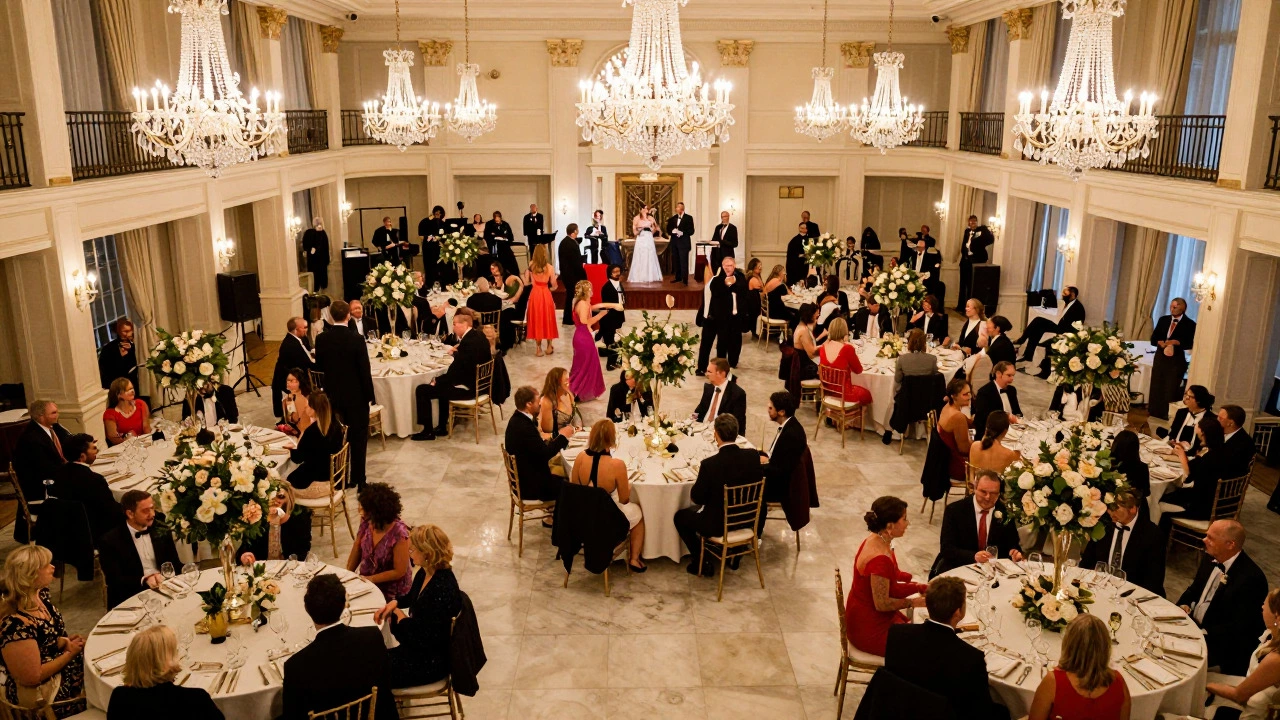
Imagine standing in the middle of a ballroom with two hundred people looking at you. It’s loud, it’s chaotic, and honestly, it feels like a small concert rather than an intimate ceremony. But is that what you want? When couples ask if 200 guests is a big wedding, they are usually trying to figure out three things: will the venue fit them, how much will it cost, and can we actually manage the logistics without losing our minds?
The short answer is yes, 200 is considered a large wedding by modern standards. The average wedding size in many Western countries has dropped significantly over the last decade, often hovering between 75 and 120 guests. So, planning for 200 puts you in the top tier of event sizes. This scale changes everything from your budget to your seating chart strategy.
Defining "Big" in Modern Wedding Standards
To understand where 200 sits on the spectrum, you need to look at current industry data. In recent years, the definition of a "standard" wedding has shifted dramatically due to post-pandemic preferences for smaller gatherings.
- Intimate Weddings: Under 50 guests. Usually family-only or very close friends.
- Standard Weddings: 50 to 150 guests. This is the most common range for traditional weddings.
- Large Weddings: 150 to 300 guests. This is where 200 falls.
- Mega Weddings: Over 300 guests. Often seen in cultural traditions with extensive extended family involvement.
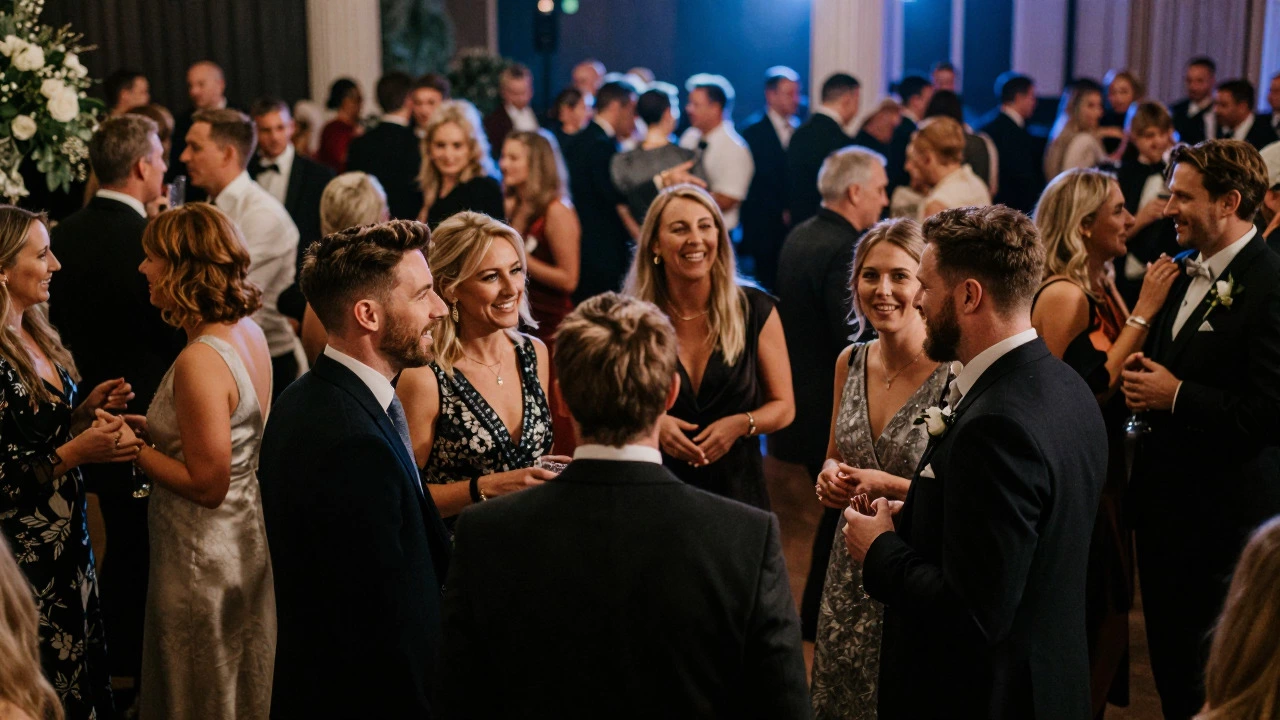
So, while 200 isn't a "mega" event, it is definitely a large-scale production. The primary challenge here isn't just space; it's attention. With 200 attendees, you cannot have meaningful conversations with everyone during the reception. You are hosting a party, not just a celebration.
The Financial Impact of a 200-Guest List
Money is the first thing that gets complicated when the guest count hits triple digits. Per-head pricing models mean that every additional person adds up quickly. If your average per-person cost is $150 (covering food, drink, and service), 200 guests equals $30,000 just for the meal and beverage package. That doesn't include the venue rental, photography, florals, or entertainment.
However, there is a silver lining: economies of scale. Many vendors offer lower per-unit prices for larger orders. A floral designer might charge less per stem for 200 centerpieces than for 50. Similarly, a caterer might reduce their labor percentage slightly because the fixed cost of setting up the kitchen is spread across more plates. But don't expect massive discounts. The linear increase in cost is real.
You also need to account for the "hidden" costs of a large group:
- Seating Charts: Manual placement for 200 people takes hours, not minutes. Most couples hire a professional planner or use specialized software to avoid seating disasters.
- Signage and Wayfinding: A 200-guest venue needs clear signage for restrooms, coat check, and exit points. Small venues often lack this infrastructure.
- Staffing Ratios: You will need more servers, bartenders, and security personnel to maintain service quality. A ratio of one server for every 15-20 guests is standard, meaning you need 10-14 staff members working the floor.
Venue Capacity and Logistics
Finding a venue that comfortably holds 200 people is easier than finding one that *feels* right for 200 people. Many banquet halls advertise a "capacity" of 250, but that number often refers to cocktail-style standing room, not seated dining. Ballroom Space Requirements is a critical logistical constraint for large weddings requiring adequate square footage for tables, dance floors, and movement. As a rule of thumb, you need about 10-12 square feet per person for seated dining. For 200 guests, that’s roughly 2,000 to 2,400 square feet dedicated to the dining area alone. Add in the head table, dance floor, and bar area, and you’re looking for a total space of at least 3,000 square feet. If you are considering a non-traditional venue, like a barn or a garden estate, verify these numbers carefully. A beautiful outdoor space might look spacious, but once you place 20 round tables (each seating 10) plus aisles, it can feel cramped. Always request a floor plan from the venue before signing the contract.

Invitation Strategy for Large Groups
This is where the title's connection to wedding invitations becomes crucial. Sending invites to 200 people is a logistical beast. Here is how to handle it without losing your sanity.
Timing is Everything
For a wedding of this size, you should send formal invitations 8 to 10 weeks before the date. Why so early? Because you need time to chase down RSVPs. With 200 guests, you can expect 10-15% to be late responders or no-shows. Giving yourself a buffer allows you to adjust catering counts and seating charts accurately.
Digital vs. Paper
Many couples with large guest lists opt for a hybrid approach. They send digital save-the-dates to everyone, which reduces postage costs. Then, they send physical paper invitations only to those who confirm attendance digitally. This cuts down on waste and ensures your final guest list is accurate before you order the full set of printed pieces.
Addressing Envelopes
With 200 envelopes, handwriting addresses becomes a project in itself. Consider hiring a calligraphy service or using a high-quality label printer. Consistency matters. If some names are written in blue ink and others in black, it looks unprofessional. A uniform font and color scheme elevate the entire experience, even for a large crowd.
Managing the Guest Experience
A big wedding fails if the guests feel ignored. At 200 people, you cannot greet everyone individually during the cocktail hour. Here are strategies to keep the energy high and the atmosphere warm:
- Assign "Guest Captains": Pick five or six trusted friends or family members whose job is to mingle and ensure people are comfortable. They can direct lost guests, refill drinks, and make sure quiet corners aren't empty.
- Create Themed Tables: Instead of random seating, assign tables based on shared interests or life stages (e.g., "College Friends," "Work Colleagues," "Childhood Neighbors"). This gives people instant conversation starters.
- Scheduled Activities: Don't leave gaps in the schedule. Between dinner and dancing, have a photo booth, a live band warming up, or a toast segment. Downtime leads to awkward silences in large groups.
Comparison: 100 vs. 200 Guests
To visualize the difference, let's compare the key metrics of a medium-sized wedding versus a large one.
| Feature | 100 Guests (Medium) | 200 Guests (Large) |
|---|---|---|
| Typical Venue Type | Boutique hotel, restaurant private room | Grand ballroom, estate, convention center |
| Estimated Food & Beverage Cost | $15,000 - $20,000 | $30,000 - $40,000 |
| Seating Chart Complexity | Manageable manually | Requires software or professional help |
| Invitation Mailing Time | 1-2 days | 1 week or more (or digital) |
| Personal Interaction Level | High (can talk to most) | Low (structured interactions only) |
Common Mistakes to Avoid
Couples who haven't planned a large event before often make these errors:
- Overestimating the Dance Floor: You think you need a huge dance floor, but with 200 people, most will be seated or socializing in clusters. A medium-sized floor is usually sufficient.
- Ignoring Restroom Traffic: 200 women using the same restroom at 9 PM is a disaster. Ensure the venue has enough facilities or add portable luxury units if necessary.
- Under-budgeting for Staff Tips:** Remember, you are tipping 10-14 servers, plus bartenders, plus coordinators. Budget an extra $2,000-$3,000 for gratuities on a large team.
FAQ
What is the maximum number of guests for a typical wedding venue?
Most standard banquet halls accommodate between 200 and 300 guests for seated dining. Venues specifically designed for large events, such as convention centers or grand estates, can hold 500 or more. Always check the fire code capacity, which is often lower than the marketing capacity.
How far in advance should I send invitations for a 200-guest wedding?
Send formal invitations 8 to 10 weeks before the wedding date. This timeline allows enough time to collect RSVPs, finalize the seating chart, and communicate final numbers to your caterer and venue.
Is it rude to have a wedding with more than 200 guests?
No, it is not rude. Guest count is a personal choice. However, practicality matters. If the venue feels too crowded or the budget stretches too thin, it may impact the experience. There is no social rule against large weddings, only logistical limits.
How do I seat 200 people efficiently?
Use a combination of round tables (seating 8-10) and long farm tables if the aesthetic fits. Group guests by relationship (family, friends, work) to encourage conversation. Use a seating chart software to drag-and-drop names easily and print individual place cards for clarity.
Does a larger guest list affect the wedding cake price?
Yes, but not linearly. A cake for 200 people is typically a three or four-tier display cake, but you might only cut and serve 100 slices if you have a dessert table. Ask your baker about "display cakes" which are decorative and not fully filled, saving money while looking impressive for photos.