Wedding Buffet vs. Plated Decision Tool
Answer these questions to get a personalized recommendation and cost estimate for your wedding reception.
Recommendation
BuffetWhy this choice?
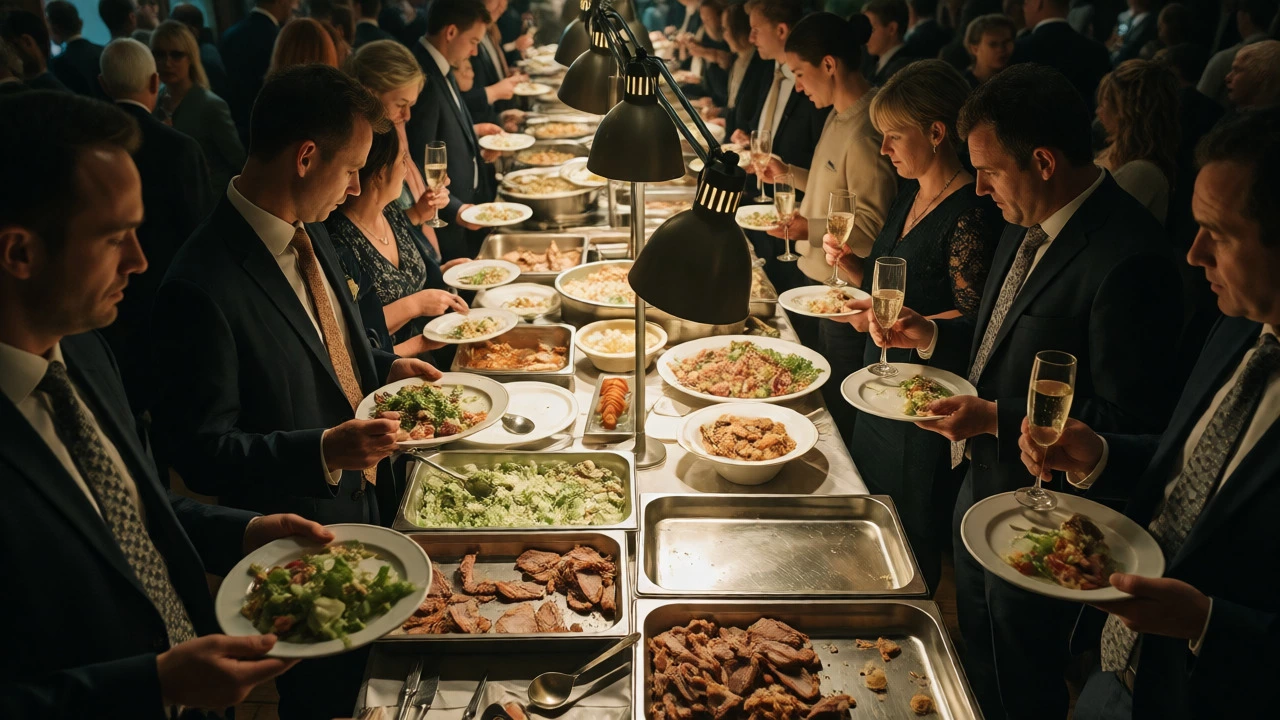
You’re sitting in a dimly lit venue, tasting the third course of a wedding buffet that’s supposed to be "rustic" and "modern." The lamb is dry. The salad is wilting under heat lamps. And you just watched your aunt try to balance a full plate while holding a glass of champagne. Is this really what you want your guests to remember?
Choosing between a buffet and a plated dinner is one of the biggest stressors in wedding planning. It affects your budget, your timeline, and honestly, whether people actually eat or just stand around awkwardly. In Ireland, where weather can dictate indoor/outdoor plans at the drop of a hat, getting this wrong can mean cold chips or soggy bread rolls.
So, is a buffet a good idea? The short answer: it depends entirely on your guest count, your venue, and how much you value control over chaos. Let’s break down exactly when a buffet wins, when it fails, and how to make it look expensive rather than like a hotel breakfast gone wrong.
The Real Cost Breakdown: Buffet vs Plated
Let’s talk money. Most couples assume buffets are cheaper. Sometimes they are, but often they aren’t. Why? Because you have to feed more people than you think. When you serve plated dinners, you know exactly how many portions of beef you need. With a buffet, you guess. And if you guess low, you run out of food before the speeches. If you guess high, you throw away hundreds of euros worth of salmon.
In Dublin and across Ireland, catering costs vary wildly. A standard plated dinner might range from €45 to €70 per head, depending on the menu complexity. A buffet often starts lower, maybe €35 to €50, but here’s the catch: you usually need to order 1.2x to 1.5x the amount of food compared to plated service because people take seconds. Plus, you still pay for staff to manage the line, keep stations warm, and clear plates. If you go too cheap on a buffet, it looks cheap. Guests notice empty trays faster than they notice a slightly undercooked steak on a plate.
| Factor | Buffet | Plated Dinner |
|---|---|---|
| Average Cost Per Head (Ireland) | €35 - €60 | €45 - €80+ |
| Food Waste Risk | High (over-catering common) | Low (exact portions) |
| Service Speed | Fast once open, slow to start | Slower (course-by-course) |
| Dietary Accommodation | Easier (self-selection) | Harder (requires pre-ordering) |
| Guest Interaction | High (standing/moving) | Low (seated/static) |
When a Buffet Actually Makes Sense
There are specific scenarios where a buffet isn’t just a cost-saving hack-it’s the right choice. First, consider your guest list. Do you have a lot of kids? Kids hate sitting still. They want to run, grab a chicken nugget, and run back to play. A buffet lets them eat when they’re hungry, not when the chef decides it’s time for main course. This keeps parents happier and reduces the "why is my child screaming" factor during speeches.
Second, think about dietary restrictions. In 2026, it’s common to have guests who are vegan, gluten-free, keto, or allergic to nuts. Trying to coordinate ten different special meals for a plated dinner is a logistical nightmare for caterers. With a buffet, you can label dishes clearly. If someone is vegan, they grab the lentil stew. If they’re gluten-free, they skip the pasta. You don’t need to chase down every allergy beforehand; you just need good labeling and cross-contamination awareness.
Third, if your venue has an outdoor element or a casual vibe, a plated dinner feels stiff. Imagine trying to serve three courses of fine dining in a garden marquee in Kildare while rain threatens. It’s messy. A buffet fits the relaxed atmosphere better. It encourages mingling. People stand up, move around, talk to new people, and grab another drink. It breaks the ice naturally.
The Hidden Downsides Nobody Talks About
But let’s be real about the downsides. The biggest issue with buffets is the queue. If you have 100+ guests and only two serving stations, you’ll have a bottleneck. People will wait fifteen minutes for food. They’ll get hungry, then angry, then sober up too fast because they’ve had three glasses of wine while standing in line. This kills the energy of the evening.
Another problem is portion control-or lack thereof. Some guests will pile their plates so high with roast potatoes that they can barely walk. Others will take nothing and pick at hors d'oeuvres. It creates visual clutter. Also, hot food gets cold fast. Unless your caterer uses high-quality chafing dishes with proper heating elements, your fish might be lukewarm by the time the last person reaches the front. Cold fish is never a good look.
Finally, there’s the cleanliness factor. Buffets get messy. Sauces drip. Crumbs fall. If you’re wearing a white dress or a light suit, you risk stains. Plated dinners are cleaner because the mess stays on the table, mostly contained by the waiter clearing it discreetly.
How to Make a Buffet Look Expensive
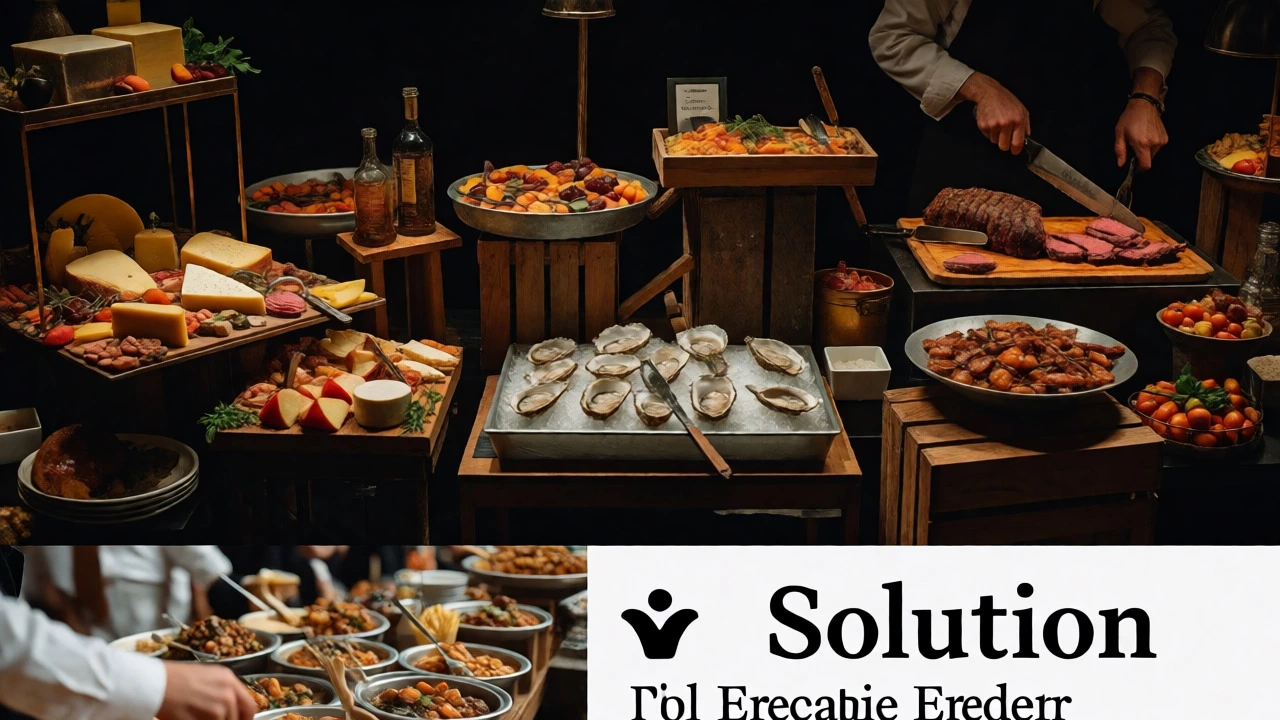
If you decide on a buffet, don’t just set up long tables with metal trays. That screams "corporate lunch." To make it feel like a wedding, you need to curate the experience. Start with variety. Instead of one big pot of curry, offer three smaller, distinct dishes. Think artisanal cheeses, fresh oysters on ice, carving stations with live chefs, and interactive dessert bars.
Lighting matters. Use warm, focused lighting on the food itself. Dark corners make food look unappetizing. Add height to your displays-use crates, stands, or elevated platters. Flat food looks boring. Vertical layers look abundant and luxurious.
And please, hire enough staff. This is non-negotiable. You need runners to refill trays immediately. An empty tray of bread rolls makes guests anxious. You also need staff to clear used plates from tables as guests return to sit. If tables are cluttered with dirty plates, the whole event feels chaotic. Aim for one server per 20-25 guests if you want smooth service.
Hybrid Options: The Best of Both Worlds
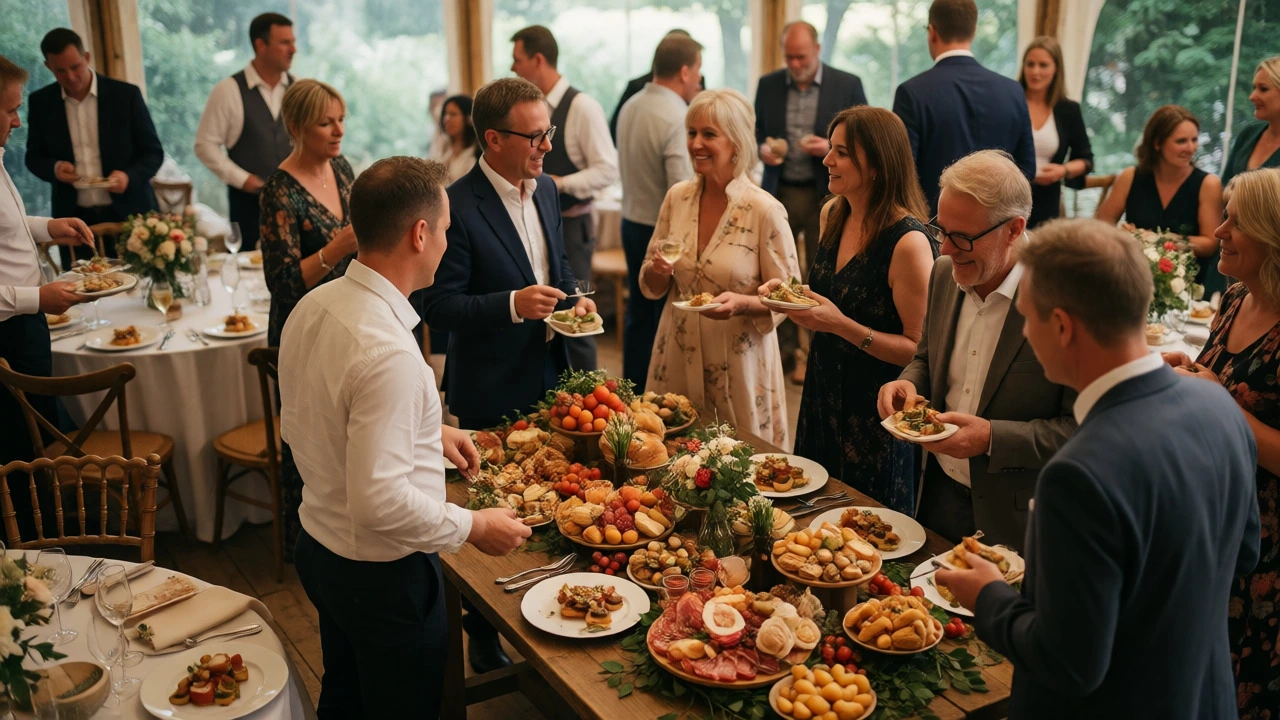
Still torn? Consider a hybrid approach. Serve a starter and dessert as plated dinners, but do the main course as a buffet. Or vice versa. Many Irish venues now offer "family-style" service, where large platters are brought to each table, and guests serve themselves. This keeps everyone seated and engaged but avoids the rigid timing of individual plating. It’s often priced similarly to buffets but feels more intimate.
Another trend gaining traction in 2026 is the "grazing table." Instead of a traditional buffet line, you have massive, beautifully arranged tables filled with charcuterie, fruits, cheeses, pastries, and small bites available throughout the night. This works great for cocktail hours or late-night snacks, keeping energy up without requiring a formal meal structure. It’s less structured, which some guests love and others find confusing.
Practical Checklist Before Booking
Before you sign the contract, ask these questions:
- What is the exact ratio of food to guests? Don’t accept "we’ll have plenty." Get numbers. For buffets, plan for 400-500g of food per person including drinks.
- How many serving stations will there be? Rule of thumb: One station per 50 guests minimum. More is better.
- Who manages the flow? Will there be staff guiding guests or letting them wander aimlessly?
- What happens if we run out? Is there a backup plan? Can they quickly produce extra sandwiches or snacks?
- Are labels provided? Especially for allergens. Ensure they use clear, stylish signage, not handwritten paper slips.
Ultimately, a buffet is a good idea if you prioritize interaction, flexibility, and a casual vibe. It’s a bad idea if you want strict timelines, formal elegance, or have a very elderly guest list that prefers being served. Know your crowd. If your friends love dancing and socializing, a buffet frees them up. If your family loves tradition and sitting down for a proper meal, stick to plates. There’s no universal "right" answer, only what’s right for your day.
Is a buffet cheaper than a plated wedding dinner?
Not always. While the base price per head is often lower, you typically need to order 20-50% more food to account for seconds and waste. Additionally, you may need more staff to manage the lines and clear tables, which can offset the savings. In many cases, the total cost ends up similar to a mid-range plated dinner.
How much food should I plan for a wedding buffet?
A general rule of thumb is 400g to 500g of solid food per person, excluding drinks and cake. This includes starters, mains, sides, and desserts. If you have heavy drinkers or a long reception, lean toward the higher end. Always discuss specific portion sizes with your caterer based on the menu density.
Do buffets work well for formal weddings?
Yes, if executed correctly. Use high-end presentation, multiple themed stations (e.g., seafood, carving, vegetarian), and attentive staff to replenish and clear. Avoid self-service chaos by having servers guide guests or even plate the food for them at the station. The key is maintaining elegance through service quality, not just the format.
What are the best foods for a wedding buffet?
Choose foods that hold up well under heat lamps and are easy to serve. Roasted meats, stews, curries, roasted vegetables, and grain salads are excellent. Avoid delicate fish, creamy sauces that split easily, or foods that require complex cutting. Interactive stations like taco bars or pasta stations add fun and freshness.
How do I handle dietary requirements with a buffet?
Clearly label all dishes with icons for vegan, vegetarian, gluten-free, and nut-free. Keep separate utensils for each dish to prevent cross-contamination. Offer dedicated sections for major dietary needs so guests don’t have to hunt through mixed trays. Inform your caterer of any severe allergies beforehand to ensure safe preparation zones.