DIY Wedding Stress & Savings Calculator
Select the tasks you are planning to DIY (Do It Yourself) to see your estimated financial savings vs. professional costs and your projected stress level.
Analysis Results
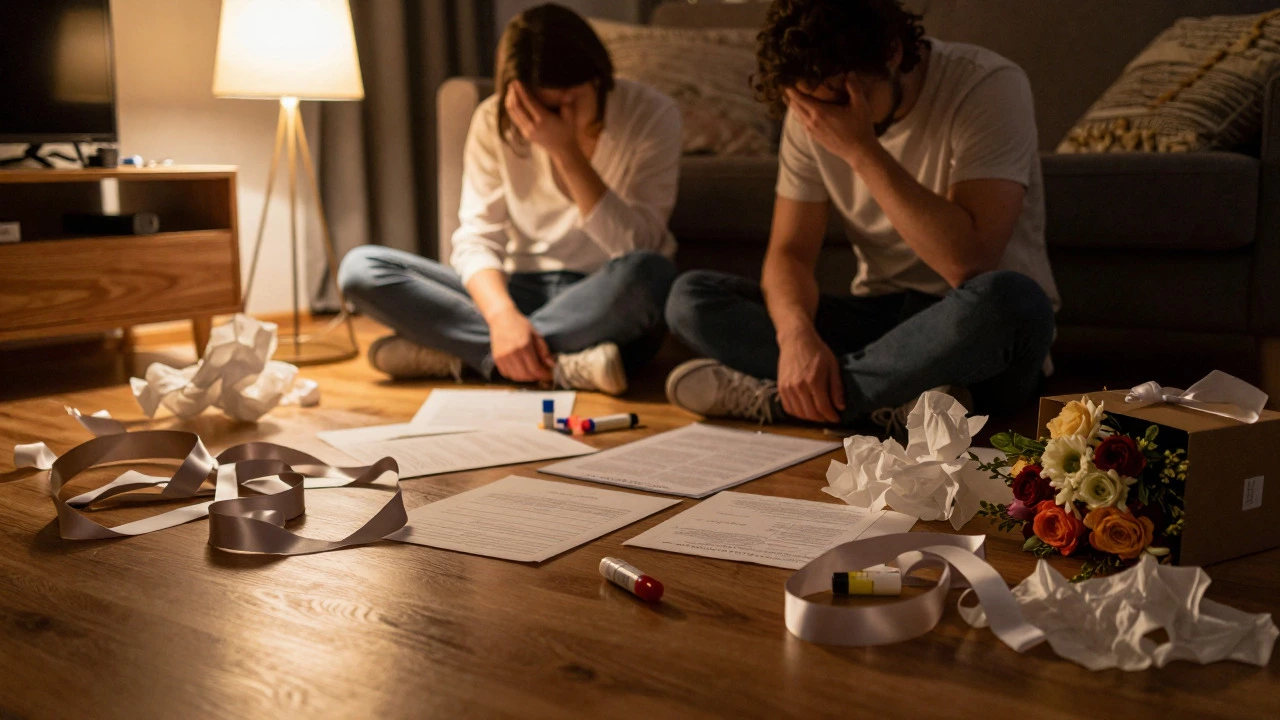
Imagine this: It’s 11 PM on a Tuesday. You are sitting on your living room floor, surrounded by half-cut ribbons, empty glue sticks, and a box of flowers that didn’t quite match the sample photo. Your eyes are burning, your back hurts, and you have exactly three days left before the big day. This is not a nightmare scenario for every bride or groom, but it is the reality for many who choose to handle their own wedding decorations is the process of designing and creating visual elements for a wedding ceremony and reception. The question isn't just whether a DIY wedding is a wedding where the couple personally handles significant aspects of planning, decoration, and execution rather than hiring professionals. is stressful. The real question is: will the money you save be worth the sleepless nights?
The short answer is yes. A DIY approach adds layers of complexity that professional planners usually absorb. However, it doesn’t have to be a disaster. With the right strategy, you can keep costs down without sacrificing your sanity. Here is how to navigate the choppy waters of self-planning.
The Hidden Costs of "Doing It Yourself"
We often think of DIY as pure savings. If you buy the supplies for $500 instead of paying a decorator $2,000, you’ve saved $1,500, right? Not necessarily. You have to account for the value of your time and the hidden expenses that creep in.
First, consider the learning curve. Have you ever tried to wire floral arrangements or construct a sturdy archway from PVC pipe? It looks easy on social media platforms like Pinterest or Instagram. In reality, it requires practice. You might need to buy extra materials for trial runs. Those failed attempts cost money too.
Second, there is the physical toll. Setting up a venue yourself means hauling boxes, climbing ladders, and standing for hours while guests arrive. Professional decorators bring crews and equipment. When you DIY, you become the crew. If you get sick or injured two weeks before the wedding, who steps in? That uncertainty creates background anxiety that never really goes away.
Finally, there is the emotional labor. Making decisions about color palettes, table centerpieces, and lighting is exhausting when you are also managing guest lists, catering contracts, and dress fittings. Adding decoration creation to that pile increases cognitive load significantly.
Where DIY Makes Sense (and Where It Doesn’t)
Not all wedding tasks are created equal. Some areas lend themselves perfectly to a personal touch, while others are best left to experts. Knowing the difference is key to reducing stress.
| Task Category | DIY Feasibility | Risk Level | Recommended Approach |
|---|---|---|---|
| Invitations | High | Low | Design digitally, print locally. Easy to manage from home. |
| Floral Arrangements | Medium | High | Buy bulk blooms, hire a florist for complex bouquets only. |
| Photography | Low | Critical | Hire a pro. Memories are permanent; mistakes are costly. |
| Table Centerpieces | High | Medium | Create simple, reusable items like candle holders or books. |
| Venue Decoration | Low | High | Use rental companies for large items like drapes and furniture. |
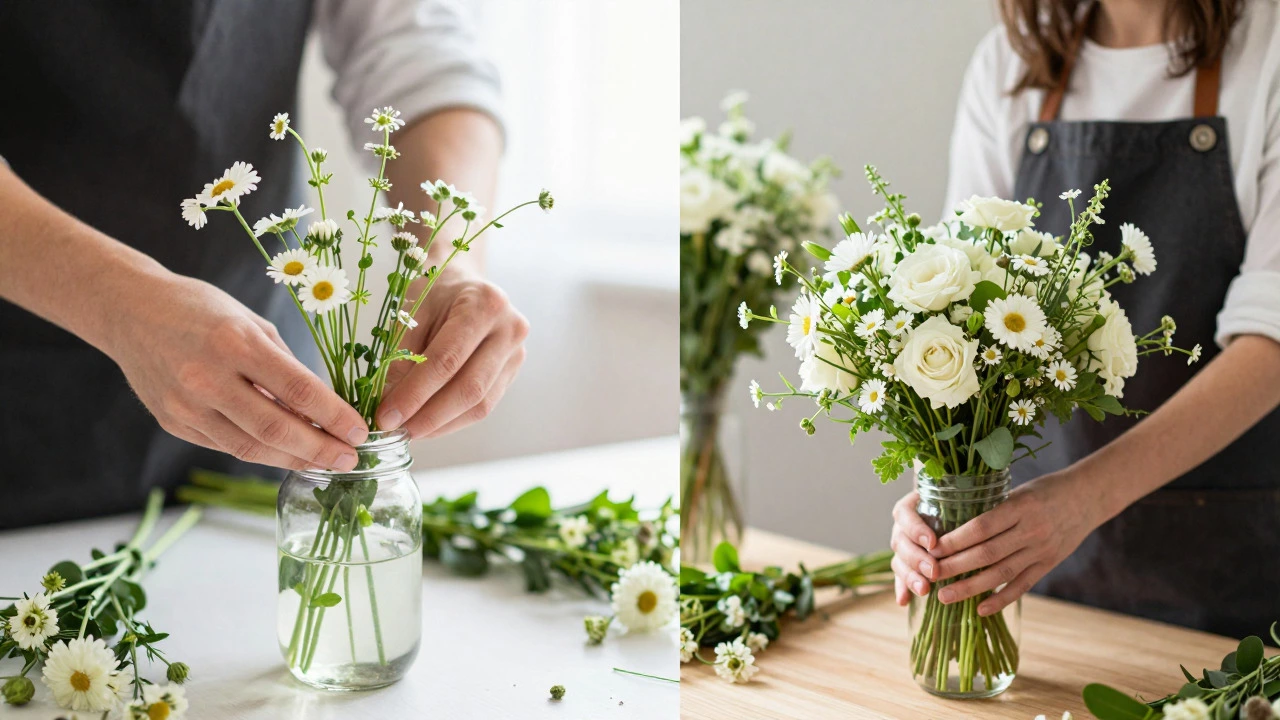
For example, making your own favors is charming but tedious. Hand-painting hundreds of jars takes dozens of hours. Instead, buy plain jars and add personalized tags. It achieves the same look with a fraction of the effort. Similarly, complex floral installations require structural knowledge. A falling flower wall is not just an aesthetic failure; it is a safety hazard. Stick to flat surfaces and simple vases if you want to keep things safe and sane.
Strategies to Minimize Stress
If you are determined to go the DIY route, structure is your best friend. Chaos breeds stress. Order breeds confidence. Here are practical steps to keep the process manageable.
- Start Early: Do not wait until six months out. Begin sourcing materials nine to twelve months in advance. This gives you buffer time for shipping delays or supply shortages.
- Batch Your Work: Dedicate specific weekends to specific tasks. One weekend for invitations, one for centerpieces. Context switching between different types of crafts drains mental energy.
- Enlist Help: You do not have to do everything alone. Recruit friends and family. Offer them a spot on the dance floor or a gift basket in exchange for an hour of help. Make it a social event, not a chore.
- Keep It Simple: Complexity equals more things that can go wrong. Choose a cohesive color palette that uses readily available materials. Avoid custom orders unless absolutely necessary.
- Have a Backup Plan: What if the glue gun breaks? What if the flowers wilt? Keep spare supplies and have a contingency plan for each major element.
Also, consider hybrid approaches. Hire a coordinator for the day-of setup. They don’t need to design anything; they just need to ensure your pre-made decorations are placed correctly and safely. This small investment can save you from frantic last-minute scrambling.
The Role of Technology in Modern DIY Weddings
Technology has changed the landscape of wedding planning. Apps and online tools can streamline the DIY process significantly. For instance, project management apps like Trello or Asana can help you track tasks and deadlines. Design tools like Canva allow you to create professional-looking invitations without graphic design skills.
Online marketplaces offer affordable alternatives to expensive boutique items. Sites like Etsy connect you with artisans who sell bulk supplies at lower prices. You can find discounted fabric rolls, wholesale candles, and second-hand decor items. However, be cautious of shipping times. International shipping can take weeks, so order early.
Social media groups dedicated to weddings are invaluable resources. You can ask questions, share tips, and even trade supplies with other brides and grooms. Building a community around your planning process reduces isolation and provides emotional support.

When to Call It Quits
Knowing when to stop DIYing is crucial. If you find yourself dreading every planning session, it is time to reassess. Stress impacts your health and your relationship. No amount of savings is worth a breakdown or a fight with your partner.
Signs that you should hire help include:
- You are consistently missing deadlines.
- Your partner is complaining about the workload.
- You feel physically exhausted or anxious.
- The quality of your work is suffering due to fatigue.
In these cases, delegate. Hire a planner for partial services, such as month-of coordination. Or hire specialists for high-stress tasks like cake decorating or floral design. Protect your peace of mind above all else.
Making Memories, Not Mistakes
A DIY wedding can be deeply rewarding. There is pride in seeing your vision come to life through your own hands. Guests often appreciate the personal touch and effort involved. But remember, the goal is to celebrate love, not to prove you are a master craftsman.
Focus on the elements that matter most to you. Maybe it’s the music, the food, or the vows. Let those shine. Simplify the rest. By balancing creativity with pragmatism, you can create a beautiful wedding that reflects your personality without overwhelming you.
Ultimately, the best wedding is one where you enjoy the process. If DIY brings you joy, embrace it. If it brings you pain, let go. Your happiness is the true centerpiece of the day.
How much money can I realistically save with a DIY wedding?
Savings vary widely based on location and scale. On average, couples save 10-20% on total wedding costs by handling decorations and some logistics themselves. However, factor in the cost of materials, tools, and potential mistakes. For a $30,000 wedding, this could mean saving $3,000-$6,000, but only if executed efficiently.
What are the easiest DIY wedding projects for beginners?
Beginner-friendly projects include assembling welcome baskets, creating simple signage with calligraphy kits, arranging wildflowers in mason jars, and folding napkins. These tasks require minimal skill, low risk of failure, and provide immediate visual impact.
Should I hire a day-of coordinator if I DIY everything else?
Yes, highly recommended. A day-of coordinator ensures vendors arrive on time, decorations are set up correctly, and emergencies are handled. This allows you to relax and enjoy your wedding day rather than running around fixing issues. Their fee is typically a small fraction of the total wedding budget.
How far in advance should I start DIY wedding preparations?
Ideally, start 9-12 months before the wedding. This timeline allows for ordering supplies, practicing skills, and dealing with unexpected delays. Starting later increases stress levels significantly and may force last-minute compromises on quality or design.
Can I mix DIY elements with professional services?
Absolutely. Many couples use a hybrid approach. They might DIY invitations and favors but hire pros for photography, catering, and complex floral arrangements. This balances cost savings with reliability and quality control for critical aspects of the wedding.