
Mother of the Bride Etiquette Checker
Check your current approach against common etiquette pitfalls. Be honest with yourself to ensure you're the supportive rock your daughter needs!
1. The Dress Choice
Which of these best describes your intended outfit color?
2. Floral & Decor Influence
How are you handling suggestions for the flowers/decor?
3. The Guest List
What is your approach to the guest list?
4. Financial Support
If you are contributing financially, how does it affect your role?
Let's be honest: the relationship between a bride and her mother can be a beautiful sanctuary or a total battlefield during wedding prep. It usually comes down to one thing-boundaries. While you want everything to be perfect, there's a thin line between being helpful and accidentally becoming the villain of the bridal suite. If you're the mom, your goal is to be the supportive rock, not the director of the production.
Key Takeaways for the Mother of the Bride
- Avoid choosing the wedding colors or flowers without the bride's final sign-off.
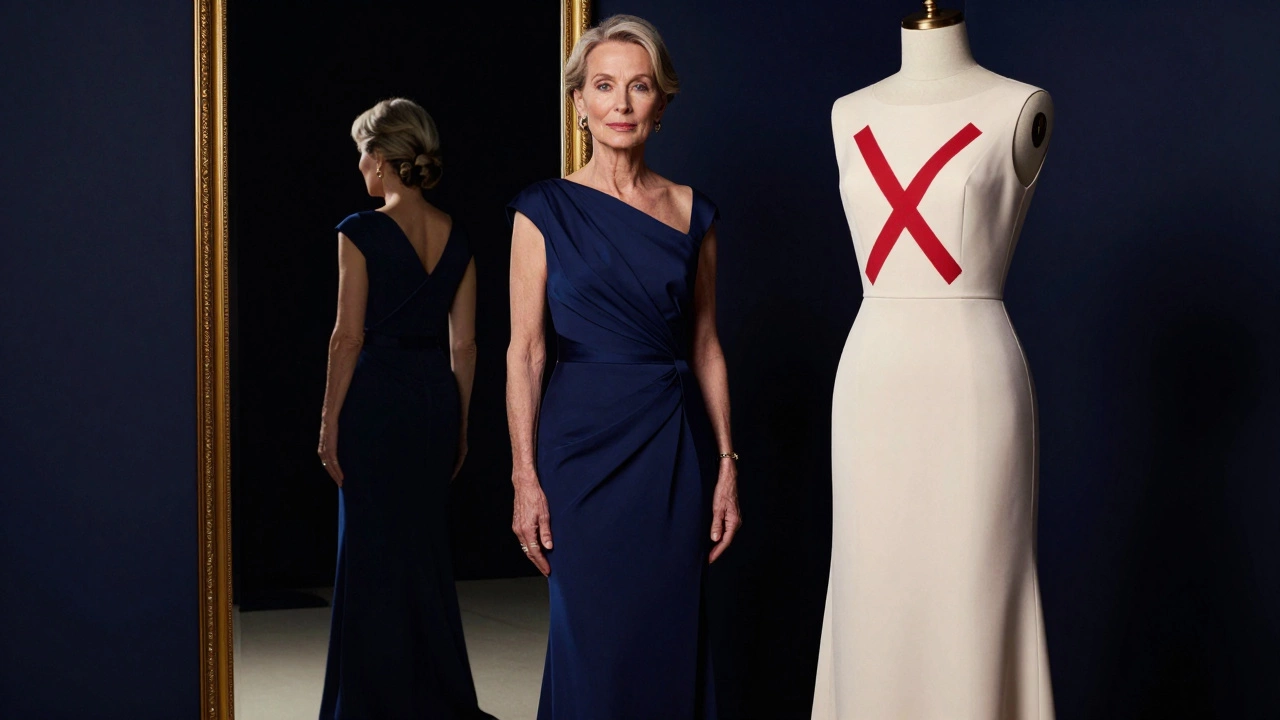
- Don't wear white, ivory, or anything that looks like a bridal gown.
- Stop suggesting "traditional" additions that the couple hasn't asked for.
- Avoid managing the guest list or making seating charts independently.
- Don't let your own stress overshadow the couple's excitement.
Stop the "Flower Takeover"
We've all seen it. The mother of the bride remembers a specific type of lily from her own wedding in 1985 and decides that's exactly what the reception needs. Here is the hard truth: the floral design belongs to the couple. Wedding flowers is the visual heartbeat of a wedding, setting the mood and color palette for the entire event. If you start pushing for peonies when the bride has her heart set on minimalist eucalyptus and white roses, you're creating friction over something that should be a joy.
One of the biggest mistakes a mother can make is contacting the Florist behind the bride's back. Imagine the florist's confusion when two different people are giving conflicting directions on the centerpieces. It doesn't just annoy the vendor; it makes the bride feel like she isn't in control of her own day. If you have a great idea, mention it casually. If she says "no," that's the end of the conversation.
The Dress Code Danger Zone
The rule about not wearing white is the oldest law in the book, but some moms try to find loopholes. Wearing a "champagne" or "cream" dress is a gamble that usually ends in a social media disaster. You aren't trying to compete with the bride, but in a high-contrast photo, a pale gold dress can look white enough to cause a family rift.
Beyond the color, avoid anything too distracting. A dress with ten feet of sequins or a dramatic headpiece that screams "look at me" shifts the focus. The goal is to complement the Bridal Gown, not to compete with it. Think of yourself as the supporting cast-essential to the story, but not the lead actor.
| Avoid This | Try This Instead | Why It Matters |
|---|---|---|
| White, Ivory, Cream | Navy, Sage, Dusty Rose, Jewel Tones | Avoids confusion with the bride's attire. |
| Overly revealing cuts | Elegant midi or floor-length gowns | Maintains a balanced, sophisticated aesthetic. |
| Neon or loud patterns | Solid colors or subtle textures | Ensures you don't clash with the floral palette. |
Don't Become the Unofficial Guest List Manager
This is where most wedding dramas start. You might feel that a distant cousin or an old family friend "must" be invited for the sake of harmony. However, the Guest List is often dictated by two things: budget and venue capacity. When you push for an extra twenty people, you're essentially asking the couple to pay more or cut someone else out.
Avoid the habit of promising invitations to people. "I'm sure my daughter will invite you!" is a phrase that puts the bride in an awkward position where she has to be the "bad guy" by saying no. Instead, tell people that the couple is handling the list and you're just as excited as they are to see who makes the cut.
Avoid the "Way We Did It" Trap
Traditions are lovely, but they aren't mandatory. Pushing for a specific religious rite, a certain type of toast, or a traditional dance that the couple finds outdated can make them feel like this is *your* wedding rather than *theirs*. Many modern couples are opting for a Micro-Wedding or a non-traditional ceremony. If they want to skip the cake cutting or the garter toss, let them.
The most helpful thing a mother can do is ask, "How can I support your vision?" instead of "Why aren't you doing it this way?" The former opens a door for communication; the latter creates a wall of defensiveness.
Don't Neglect Your Own Well-being
It sounds strange to tell a mom *not* to be stressed, but when the mother of the bride is a nervous wreck, it trickles down. If you're spending the morning of the wedding complaining about the hotel air conditioning or the timing of the hair appointments, you're adding to the bride's anxiety. The Bridal Suite should be a zone of calm and positivity.
Take care of your own needs-eat a real breakfast, stay hydrated, and take a few minutes of silence. If you're calm, you can be the one who solves the small crises (like a missing earring or a smudged lipstick) without making it a catastrophe. Your role is to be the emotional anchor.

Handling the Budget Conversations
Money is the fastest way to ruin a relationship. If you are contributing financially to the wedding, avoid using that money as leverage for decision-making. Saying "I'm paying for the flowers, so I get to pick them" is a recipe for resentment. Financial support should be a gift, not a purchase of voting rights over the Wedding Theme.
Be very clear about what you can and cannot afford from the start. It's better to say "I can contribute $2,000 toward the venue" than to say "I'll help out" and then balk when the final invoice arrives. Set the boundary, stick to it, and then step back from the accounting.
What if the bride's choices are genuinely terrible?
If you feel the wedding flowers or decor are a disaster, frame your concerns as questions rather than criticisms. Ask, "How do you feel this color will look in the evening light?" If she's happy with it, let it go. It's her day to make a mistake or a masterpiece.
Can the mother of the bride wear a light blue dress?
Generally, yes. However, some brides use light blue or "something blue" as part of their own palette. Always run your color choice by the bride first to ensure you aren't accidentally matching a bridesmaid or the bride herself.
How should I handle a difficult father of the bride?
Focus on the bride. If the parents are clashing, the bride is the one who suffers. Be the peace-maker. Redirect the conversation back to the couple's wishes and avoid getting dragged into old family arguments during the wedding weekend.
Is it okay to suggest a different florist?
Only if the bride asks for your opinion or if there is a legitimate red flag (like the vendor not responding for weeks). Even then, present it as an option: "I heard great things about this other person, maybe they'd be a good backup?"
What is the best way to help without overstepping?
Create a "hit list" of tasks. Ask the bride, "Give me three things I can take off your plate completely." Whether it's organizing the transport or confirming the hotel rooms, taking a specific job allows you to be useful without interfering in the creative vision.
Final Steps for a Harmonious Day
If you've accidentally overstepped, the best move is a quick, sincere apology. A simple "I realized I was pushing my own ideas on the flowers, and I'm sorry. I want this day to be exactly what you want" can erase hours of tension. When in doubt, prioritize the relationship over the centerpieces.
For those who are still planning, start by setting up a shared document or a simple chat where the bride can post her "non-negotiables." Knowing exactly what is off-limits prevents a lot of accidental arguments. Remember, the photos will last forever, but the memory of how you treated each other during the planning is what truly sticks.