Wedding Centerpiece Planner & Budget Estimator
Event Details
Enter your event details to generate a personalized centerpiece plan and budget estimate.
You’ve spent months picking the perfect venue, tasting cakes until your eyes crossed, and debating whether a live band or DJ is worth the extra cash. Then comes the table setup. It’s easy to overlook, but table centerpieces are the first thing guests notice when they sit down. They set the mood, frame the food, and often end up in half your wedding photos. Get it right, and your tables look effortless. Get it wrong, and you’re paying for decorations that block conversations and wilt by dessert.
Centerpieces aren’t just about throwing flowers on a plate. They are strategic design elements that balance aesthetics with function. Whether you are aiming for a rustic barn vibe or a sleek modern ballroom, the rules of engagement remain similar. Let’s break down exactly what works and what doesn’t, so you can create tables that look stunning without sacrificing comfort.
The Golden Rule: Sightlines Come First
The biggest mistake couples make is prioritizing height over hospitality. You might love the look of towering floral arrangements, but if your guests can’t see each other across the table, those flowers become obstacles. The primary job of a centerpiece is to enhance the atmosphere, not dominate it.
Keep the rule simple: low and wide beats tall and narrow for most round tables. Aim for centerpieces that are under 14 inches high. This allows eye contact across an average 60-inch round table. If you really want height, use odd-numbered clusters-three vases of varying heights grouped together-so there are gaps for sightlines. Avoid single, massive bouquets that act as walls. Remember, people come to weddings to connect, not to play peek-a-boo with greenery.
Do’s: Creating Cohesion and Comfort
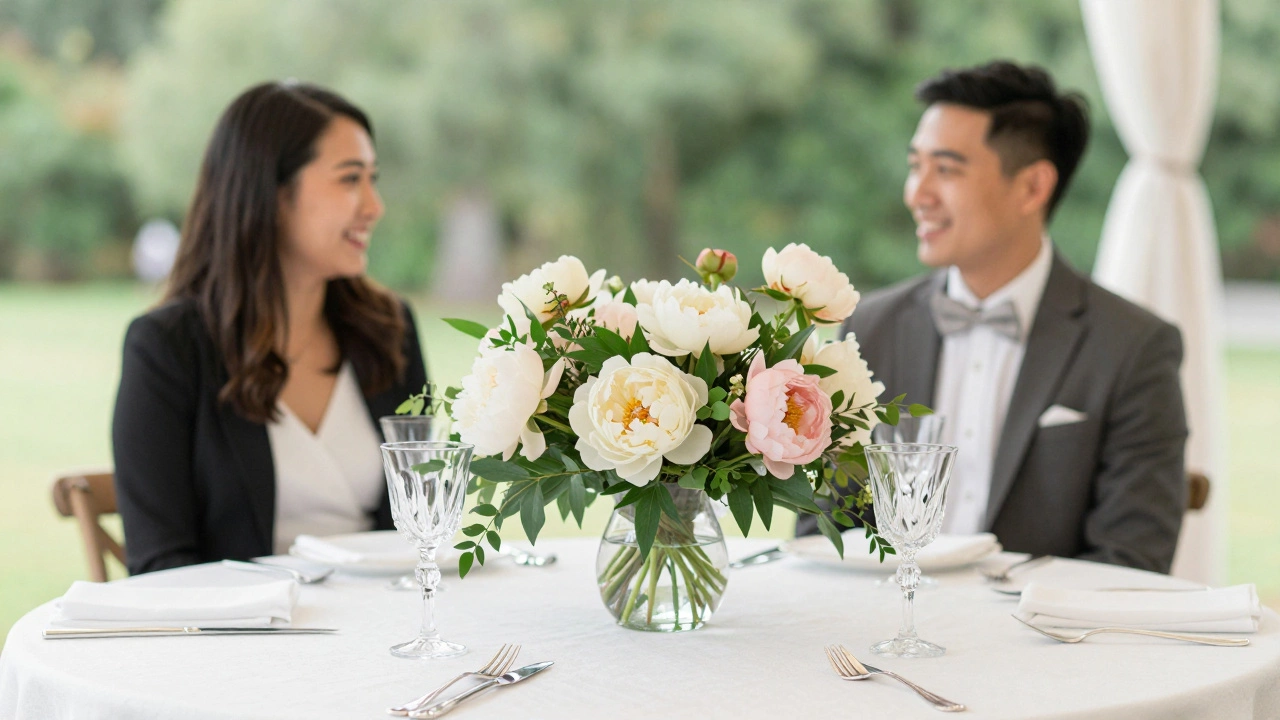
Coordinate with your tableware: Your centerpiece should complement, not clash with, your plates and glassware. If you have delicate crystal glasses, avoid heavy, dark bases that swallow them visually. For white linen and silver flatware, soft pastels or greenery work beautifully. Think of the centerpiece as part of a uniform; every element on the table needs to feel like it belongs together.
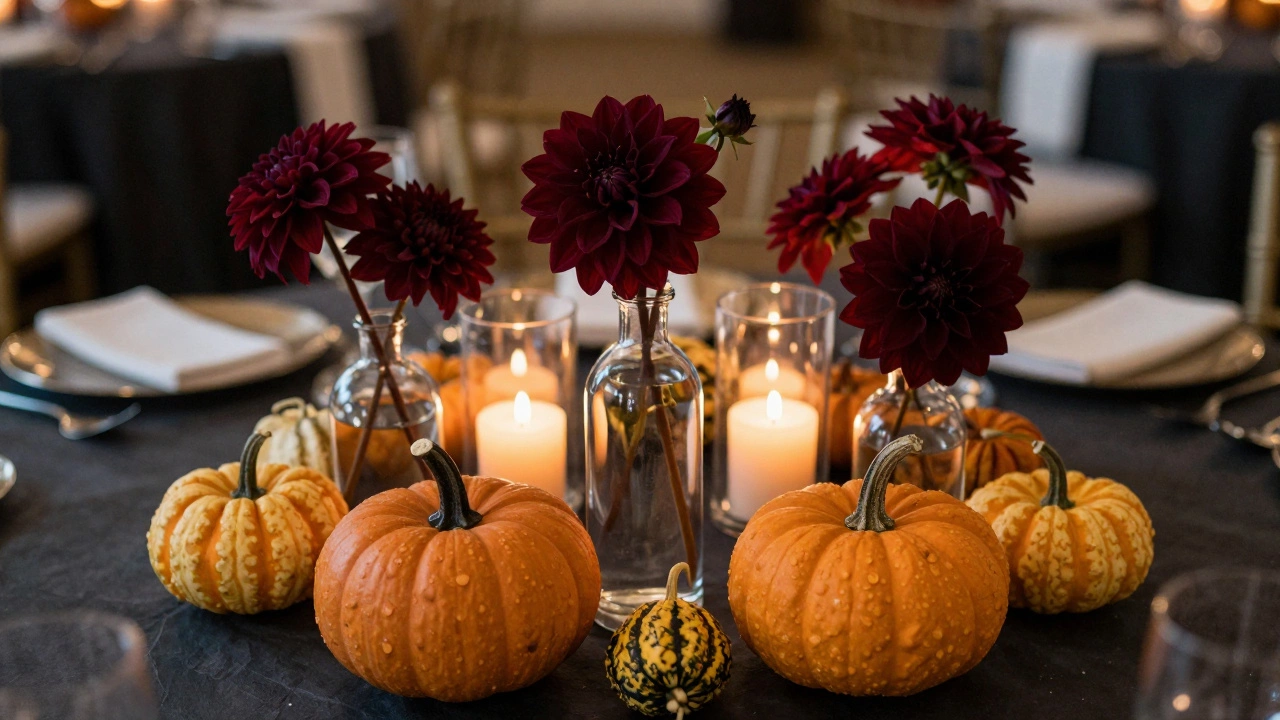
Use varied textures: Flowers alone can look flat. Mix in candles, metallic accents, fruit, or even books for a layered look. Candles add warmth and intimacy, especially for evening receptions. Tealights in mason jars create a cozy glow, while pillar candles in hurricanes offer elegance. Just ensure the flame source is safe and stable.
Consider the season: Seasonal ingredients are cheaper and fresher. In spring, think tulips and peonies. Summer calls for sunflowers and bold dahlias. Autumn brings pumpkins, gourds, and deep reds. Winter invites pinecones, evergreens, and berries. Using what’s in bloom reduces costs and ensures your arrangements last longer. Florists appreciate this too, as it simplifies their sourcing.
Plan for removal: Who moves the centerpiece between courses? If you have a large arrangement, it might need to be cleared before dinner. Factor this into your timeline with your coordinator. Lightweight, modular pieces are easier to shift than heavy ceramic urns filled with water.
Don’ts: Common Pitfalls to Avoid
Avoid strong scents: Lilies and gardenias smell amazing in a shop, but in a confined space with hot food, they can trigger headaches or allergies. Many guests have sensitivities to strong perfumes. Stick to subtle fragrances or unscented blooms like roses, orchids, or hydrangeas. You want guests remembering the taste of the cake, not fighting nausea from pollen-heavy flowers.
Don’t ignore maintenance: Fresh flowers need water. Dry arrangements need stability. If you choose fresh blooms, ensure your florist provides water tubes or hidden reservoirs. Dehydrated flowers look great but can crumble if touched. Silk flowers are durable but can look cheap if low quality. Invest in high-quality artificial stems if you go that route, or stick to fresh for authenticity.
Steer clear of fragile items: Glass vases, thin branches, and delicate ornaments are accident magnets. Guests will bump elbows, reach for bread, and lean back in chairs. Secure everything tightly. Use floral foam inside containers to hold stems firmly. Avoid hanging elements that could fall onto diners. Safety is paramount; no one wants a shattered vase ruining their meal.
Don’t overcomplicate: Simplicity often looks more expensive. A single type of flower in a clean vase can be more striking than a chaotic mix of ten different blooms. Less is more when budget and space are limited. Focus on impact rather than volume.
Budget-Smart Strategies for Stunning Tables
Centerpieces can eat up a huge chunk of your decor budget. Here’s how to keep costs down without looking cheap.
| Strategy | Why It Works | Estimated Savings |
|---|---|---|
| Use fewer, larger tables | Fewer centerpieces needed overall | Up to 30% |
| Mix fresh and faux | Fill out arrangements with silk greens | 20-40% |
| Rent vessels | Don’t buy vases you’ll never use again | 50%+ per piece |
| Repurpose ceremony decor | Move aisle pews to reception tables | 100% reuse |
| Go green-focused | Eucalyptus and ferns are cheaper than blooms | 25-50% |
One powerful trick is to repurpose ceremony decorations. Those beautiful arches or pew ends can be broken down and scattered among reception tables. This creates continuity and saves money. Another tip: rent your vases and candle holders. Buying new decor for one day is wasteful and expensive. Rental companies offer curated collections that match your theme perfectly.
Lighting: The Secret Ingredient
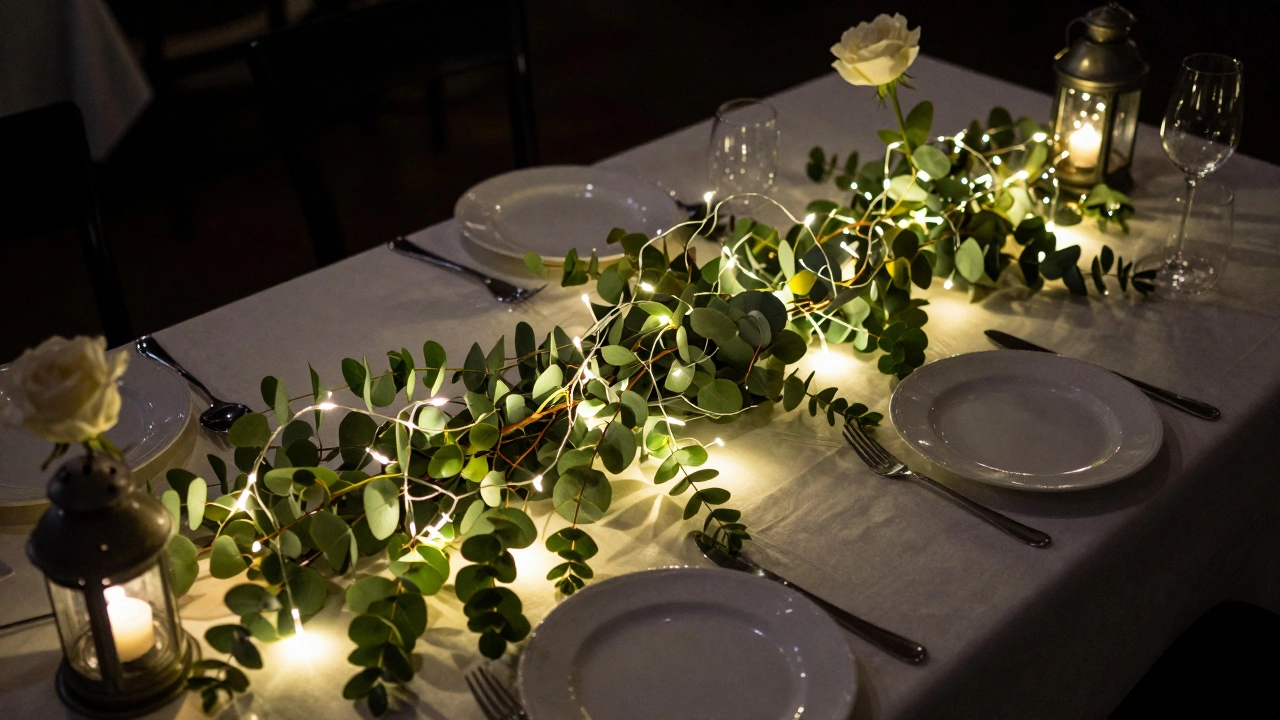
Lighting transforms a good centerpiece into a great one. Even the most vibrant flowers look dull in harsh overhead light. Incorporate ambient lighting directly into your tables. LED string lights woven through greenery provide a magical, flicker-free glow. Battery-operated candles are safer and eliminate fire hazards, though real wax melts can add romance if handled carefully.
Position lights at different levels. Low lights under tables create depth, while higher candles draw the eye up. Test your lighting setup during the day and at night. What looks bright in daylight may disappear in dim evening conditions. Adjust accordingly to ensure your tables remain focal points throughout the event.
Final Checks Before You Sign Off
Before finalizing your centerpiece plan, walk through these quick checks:
- Can guests see each other clearly?
- Are scents mild enough for sensitive noses?
- Is everything secure against bumps and spills?
- Does the style match the rest of the room?
- Have you accounted for setup and teardown time?
Answer yes to all five, and you’re golden. Your tables will look polished, professional, and inviting. Guests will compliment your taste, and you’ll enjoy your own celebration without worrying about logistics. Remember, the best centerpieces are the ones that enhance the experience, not distract from it. Keep it simple, keep it safe, and let your personality shine through thoughtful details.
How tall should wedding table centerpieces be?
For round tables, keep centerpieces under 14 inches high to allow eye contact across the table. For rectangular banquet tables, you can go slightly taller (up to 18 inches) if placed at intervals, ensuring clear sightlines between guests. Always prioritize visibility over height.
Should I use real flowers or fake ones?
Real flowers offer authenticity and scent but require maintenance and cost more. High-quality silk flowers are durable, reusable, and budget-friendly but lack fragrance. Choose based on your budget, timeline, and aesthetic preference. Mixing both can be a smart compromise.
What are some non-floral centerpiece ideas?
Consider candles, stacked books, vintage lanterns, fruit displays, succulents, or even small terrariums. These options add personality and texture without relying on blooms. They’re often cheaper and easier to manage than traditional floral arrangements.
How many centerpieces do I need?
Typically, one centerpiece per table. For long rectangular tables, place one every 6-8 feet to maintain visual interest without overcrowding. Calculate based on your seating chart and table layout provided by your venue.
Can I DIY my centerpieces to save money?
Yes, DIY can significantly reduce costs. Buy bulk supplies online or from craft stores, recruit friends and family to help assemble, and keep designs simple. However, factor in your time and stress levels. Hiring a florist ensures professionalism and reliability, which may be worth the extra cost for peace of mind.