Wedding Flower Combination Builder
Your Recommended Combo
- Base Bloom:
- Filler:
- Line Element:
Select your preferences and click Generate to see your perfect floral match.
You stand in front of a florist’s display, overwhelmed by the sheer volume of blooms. Roses, peonies, lilies, orchids-it’s beautiful, but it’s also chaotic. You know you want your wedding to look cohesive, romantic, and intentional, but mixing these elements feels like guessing. The truth is, there isn’t one single "best" flower combination for every couple. However, there are proven pairings that work because they balance texture, color, and seasonality. Getting this right transforms your venue from merely decorated to deeply atmospheric.
As someone who has spent years analyzing trends here in Dublin and beyond, I’ve seen what holds up and what falls flat. The secret isn't just picking pretty flowers; it's understanding how they interact. This guide breaks down the most reliable, stunning flower combinations based on style, season, and budget, so you can walk into your consultation with confidence.
The Golden Rule: Texture Over Color
Before we dive into specific pairings, let’s address the biggest mistake couples make: focusing only on color. If you pick three flowers that are all white and round (like roses, lisianthus, and gardenias), your arrangement will look flat. It lacks depth. The magic happens when you mix shapes. You need a base bloom, a filler, and a line element.
Base Blooms are the stars-large, recognizable flowers like Roses or Peonies. They draw the eye. Fillers, such as Baby’s Breath or Waxflower, add volume without stealing the show. Finally, Line Elements like Snapdragons or Solidago provide height and structure. A successful combination always includes at least one of each. This triad creates visual interest that photographs beautifully and looks lush in person.
Classic Romantic Pairings
If your vision leans towards timeless elegance, you want combinations that have stood the test of time for a reason. These pairings rely on softness and familiarity, creating an atmosphere of grace.
| Primary Bloom | Perfect Partner | Why It Works | Best Season |
|---|---|---|---|
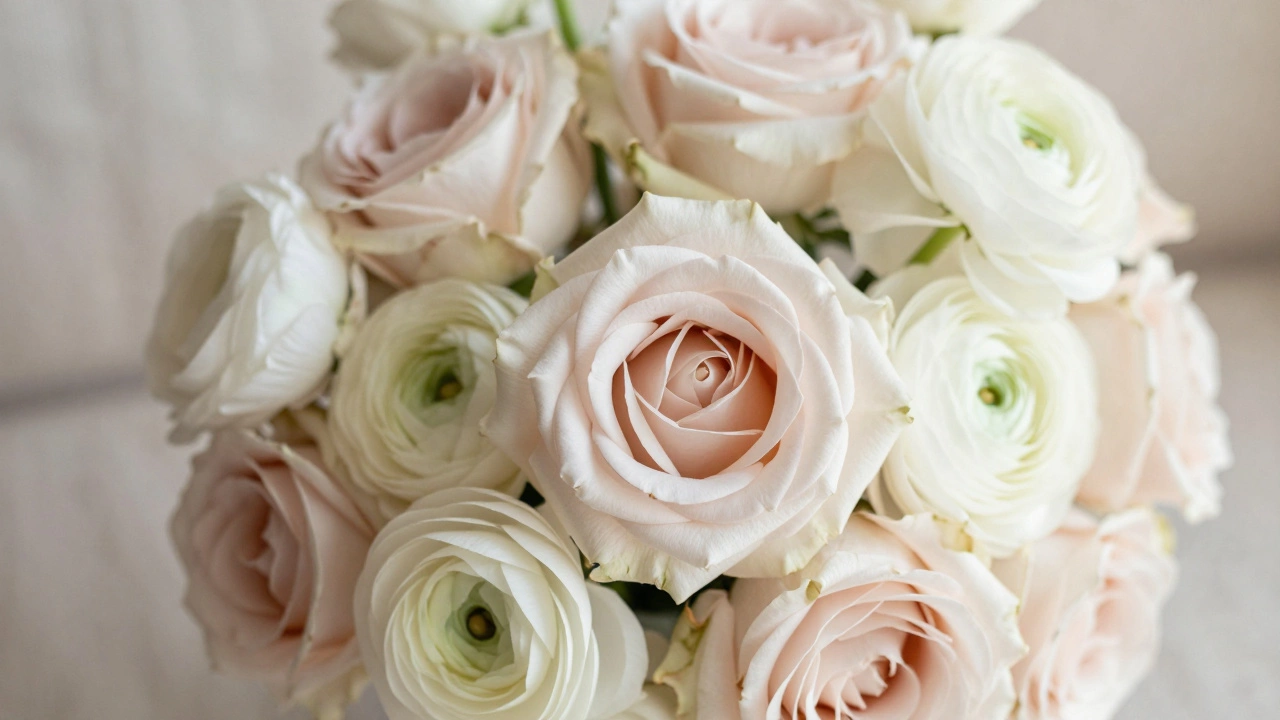
| Garden Roses | Ranunculus | Both have tight, layered petals that create a rich, velvety texture. The colors blend seamlessly. | Spring / Early Summer |
| Peonies | Lisianthus | Lisianthus mimics the shape of peonies but adds a delicate, airy feel. Great for budget-friendly volume. | Spring |
| Carnations | Dahlias | A surprising duo. Carnations offer ruffled edges while Dahlias provide geometric precision. Both are affordable. | Summer / Autumn |
Notice how Garden Roses and Ranunculus are often paired? It’s because they share a similar petal structure. When placed together, they create a seamless gradient of color rather than distinct blobs. If you love the look of Peonies but dread the price tag (they can cost upwards of €15 per stem in peak season), Lisianthus is your best friend. It looks nearly identical from a distance but costs a fraction of the price. This is a smart swap that keeps your aesthetic intact without breaking the bank.
Modern & Minimalist Combos
Not everyone wants a cloud of pink roses. Many modern weddings favor clean lines, stark contrasts, and architectural forms. Here, the "best" combination is one that emphasizes space and negative room. Think less is more, but make what you have count.
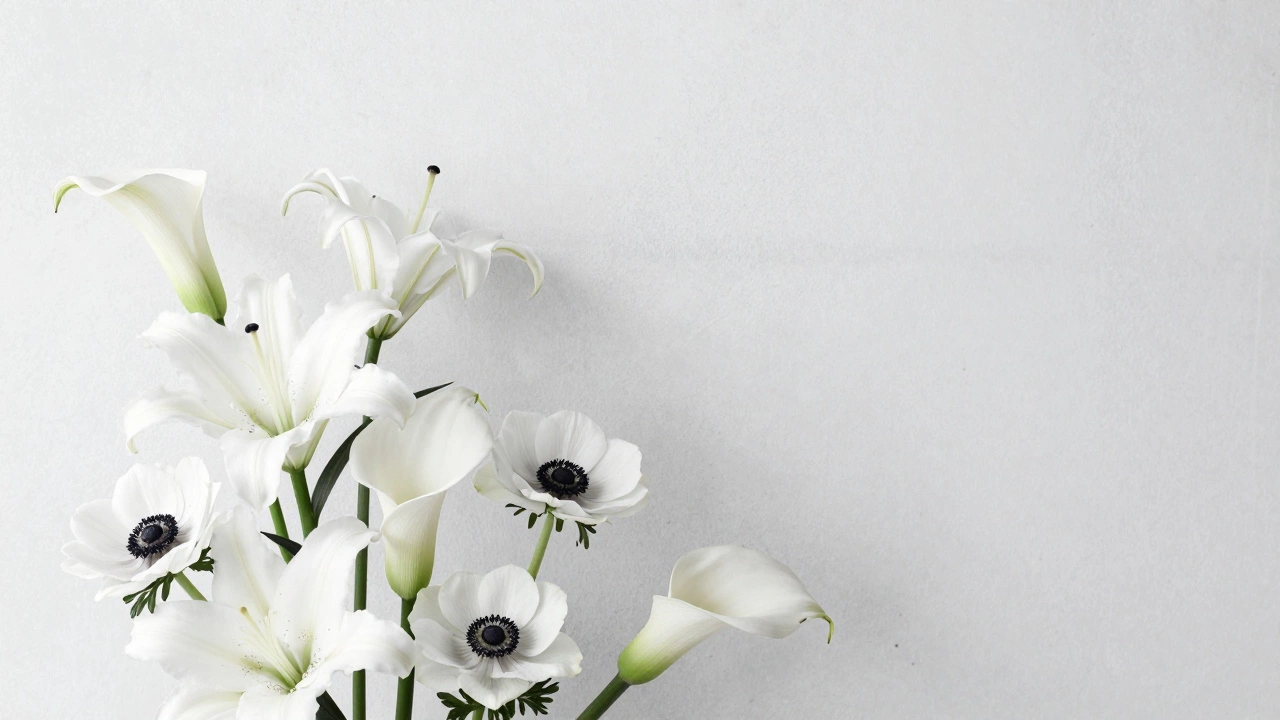
Casablanca Lilies are the king of modern minimalism. Their large, trumpet-shaped blooms command attention. Pair them with White Hydrangeas for a monochromatic look that screams luxury. The contrast between the sharp, pointed petals of the Lily and the soft, spherical clusters of the Hydrangea creates immediate visual tension. Add some greenery, specifically Eucalyptus, to soften the edges. This trio works exceptionally well in church aisles or long head tables where you want impact without clutter.
Another strong contender for the modern bride is the Calla Lily. Its sleek, tubular shape is almost sculptural. Combine it with Anemones, which feature dark centers and crisp white petals. This black-and-white dynamic is striking and photographically brilliant. It avoids the trap of looking "old-fashioned" by using high-contrast botanicals rather than pastel washes.
Seasonal Strategies: What’s Fresh Now?
Since today is June 18, 2026, we are right in the heart of early summer in Ireland and much of Europe. This is a critical detail because forcing out-of-season flowers not only triples your cost but often results in weaker stems and shorter vase life. The "best" combination is often the one that is currently blooming in local fields.
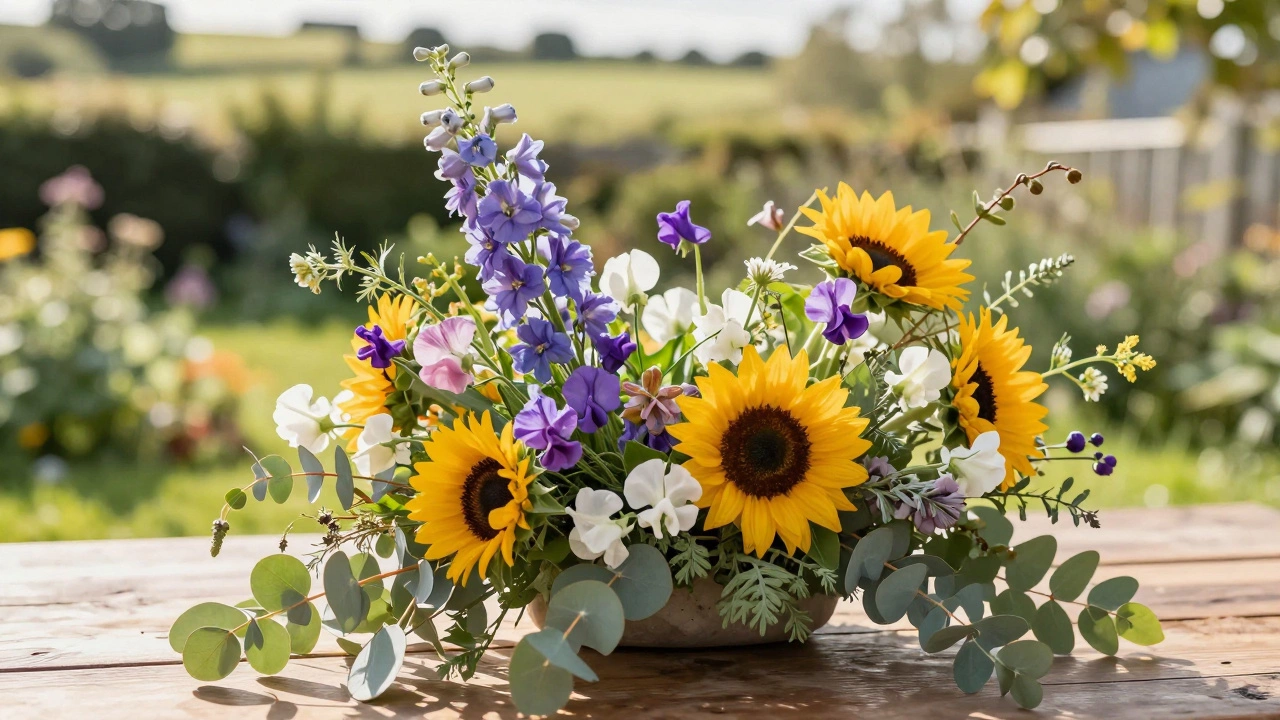
- June Favorites: Sweet Peas, Delphiniums, and Phlox. Sweet Peas are incredibly fragrant and have a whimsical, ruffled appearance. Pair them with Delphiniums for height. This combination is quintessentially British/Irish countryside.
- July Shift: As we move into July, Sunflowers and Zinnias come into their own. Don’t dismiss Sunflowers as rustic-only. Mixed with Lavender and Echinacea, they create a sophisticated, golden-hour glow perfect for outdoor receptions.
- Autumn Prep: If you are planning ahead for a fall wedding, start thinking about Hypericum berries, Chrysanthemums, and deep red Roses. These hold up well in cooler weather and provide rich, warm tones.
Working with your florist to choose locally sourced, in-season blooms is the single best way to ensure freshness and value. In Dublin, for instance, June means abundant sweet peas from local growers. Using these reduces carbon footprint and ensures the flowers arrive at your venue vibrant and firm.
Budget-Friendly Swaps That Look Expensive
Let’s talk money. Floral budgets can spiral quickly. The goal is to maintain the *look* of luxury without the *cost* of luxury imports. Here are three strategic swaps that professional designers use constantly.
- Replace Orchids with Alstroemeria: Orchids are elegant but pricey. Alstroemeria (Peruvian Lilies) have a similar exotic shape and last twice as long in water. They come in vibrant colors that mimic tropical orchids.
- Use Greenery as Volume: Instead of filling gaps with expensive small flowers, use generous amounts of Ruscus or Ferns. Greenery is cheap, durable, and provides a lush backdrop that makes colorful blooms pop.
- Choose Carnations over Roses: Modern spray carnations are ruffled and delicate. From three feet away, they are indistinguishable from spray roses. You can save 40-50% on your bouquet and table centerpieces by making this switch.
These aren’t compromises; they are smart design choices. A well-designed arrangement with carnations and eucalyptus looks far better than a sparse, expensive arrangement of imported roses that wilt by midnight.
Color Theory for Non-Artists
You don’t need an art degree to pick a winning color palette. Stick to one of these three proven frameworks:
Monochromatic: Choose one hue and vary the intensity. For example, light pink Lisianthus, medium pink Roses, and deep magenta Carnations. This is foolproof and always elegant. It relies on texture differences to keep it interesting.
Analogous: Pick colors next to each other on the color wheel. Yellow, Gold, and Orange. Or Blue, Purple, and Violet. These colors naturally harmonize because they share underlying pigments. Think of a sunset palette: peach, coral, and tangerine. It feels warm and inviting.
Complementary (Use with Caution): Opposite colors, like Blue and Orange. This creates high energy and drama. To avoid it looking like a Halloween decoration, desaturate one color. Use dusty blue Delphiniums with burnt orange Marigolds. The muted tones keep it sophisticated.
Common Pitfalls to Avoid
Even with great flowers, poor execution can ruin the vibe. Watch out for these common errors:
- Mixing Too Many Varieties: Limit yourself to 3-5 types of flowers per arrangement. More than that creates visual noise. Guests should be able to identify the main blooms easily.
- Ignoring Scent: Some flowers smell amazing (Sweet Peas, Gardenias) while others are pungent (Lilies, Hyacinths). If you have guests with allergies or sensitivities, avoid heavy scents in close-proximity areas like the dining table. Save the strong scents for the ceremony aisle where air circulation is better.
- Forgetting the Venue Lighting: White flowers look different under candlelight versus daylight. Ivory or cream flowers often photograph warmer and softer than stark white. Discuss lighting conditions with your photographer and florist to ensure your chosen whites don’t look gray or washed out.
Final Thoughts on Choosing Your Combo
The best flower combination is the one that reflects your personality and fits your practical constraints. It’s not about following a trend blindly; it’s about creating a cohesive environment for your celebration. Start with your venue’s architecture and your personal style preference. Then, apply the rules of texture and seasonality. Finally, trust your florist’s expertise on availability and pricing. By combining your vision with their technical knowledge, you’ll end up with arrangements that are not just decorative, but memorable.
What is the most popular flower combination for weddings in 2026?
In 2026, the trend is shifting towards "garden-style" mixes. Couples are favoring combinations of Sweet Peas, Ranunculus, and seasonal fillers like Statice. This look feels organic and relaxed rather than rigidly structured. Monochromatic palettes, especially in sage green and cream, are also highly popular for their versatility across different lighting conditions.
Can I mix wildflowers with traditional roses?
Absolutely. This is a fantastic way to add texture and reduce costs. Pairing structured Roses with loose, airy wildflowers like Queen Anne’s Lace or Cornflowers creates a beautiful contrast. Just ensure the wildflowers are cleaned and conditioned properly by your florist to prevent pollen stains and wilting.
How do I choose flowers if I’m having an indoor wedding?
Indoor weddings allow for more delicate flowers that might struggle outdoors in wind or heat. You can use heavier blooms like Peonies or Hydrangeas without worrying about them drooping. Also, consider scent more carefully indoors, as aromas linger. Lighter scents like Lilac or Freesia are safer bets than heavy Lilies.
What flowers should I avoid in my bridal bouquet?
Avoid flowers that are too heavy (which can strain your wrists) or those that drip sap (like some Tulips or Daisies), which can stain your dress. Also, steer clear of flowers with extremely short vase lives if your wedding day involves long hours before the ceremony. Roses and Orchids are generally the most durable options for bouquets.
Is it cheaper to buy flowers myself or hire a florist?
While buying wholesale seems cheaper, it rarely is for weddings. Florists have access to trade discounts and know how to condition flowers to last. DIY risks include wilting, poor arrangement skills, and the stress of managing logistics on your big day. Hiring a florist ensures professional design, timely delivery, and setup, which usually saves you time and potential disaster.