Quick Guide to Auspicious Colors
- Red: The gold standard for luck, joy, and passion in many Asian cultures.
- White: Symbolizes purity and new beginnings in Western traditions.
- Gold: Represents wealth, divinity, and eternal luxury.
- Green: Associated with growth, harmony, and nature.
- Blue: A symbol of fidelity and stability.
The Power of Red: Luck and Vitality
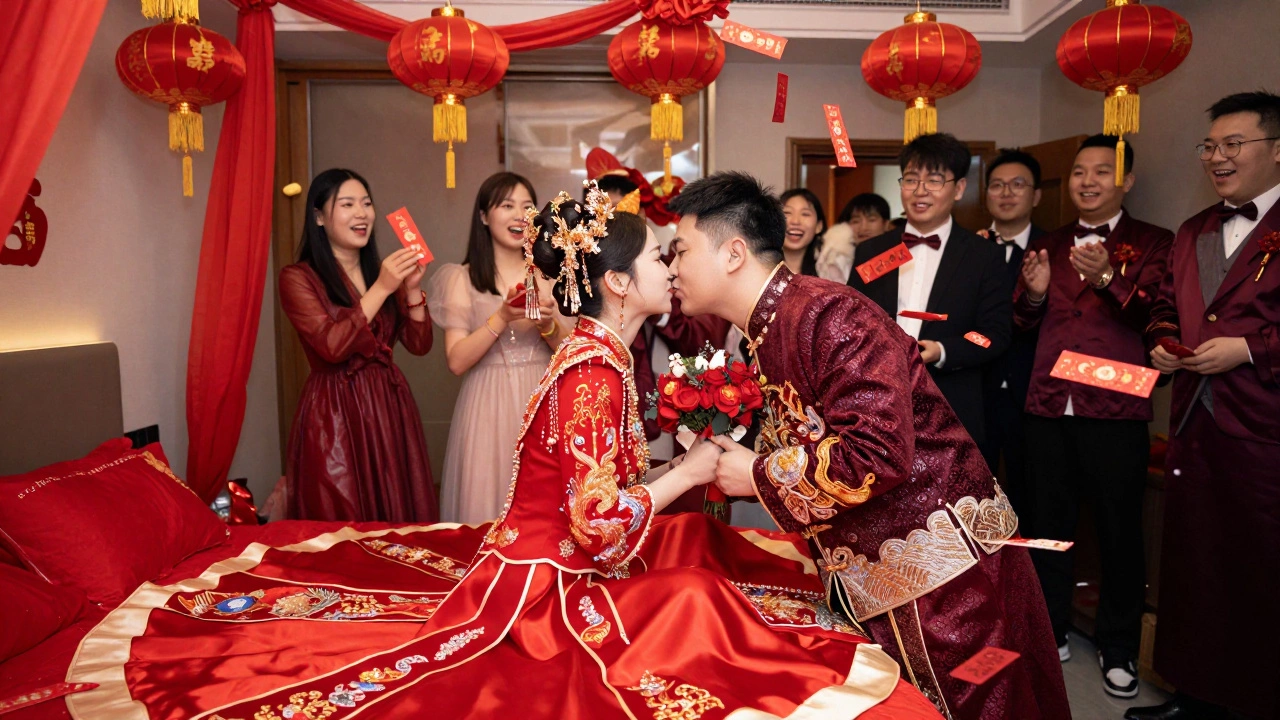
If you are looking for the absolute peak of luck, you can't beat red. In many Eastern cultures, red isn't just a color; it's a statement of energy. China is perhaps the most famous example. In traditional Chinese weddings, red is the primary color for the bride's dress, the decorations, and even the envelopes given as gifts. It's believed to ward off evil spirits and attract happiness.
It's not just about China. In India, red is the traditional color for the bridal sari. Here, it represents the planet Mars, which is associated with marriage, and symbolizes the strength and passion the bride brings into the new household. When you see a sea of red at an Indian wedding, you're seeing a visual prayer for a long, fertile, and prosperous life together.
White: Purity and the Western Shift
In the West, we view white as the ultimate wedding color. But here's a fun fact: white wasn't always the "lucky" choice. Before Queen Victoria wore a white lace gown in 1840, brides simply wore their best dress, regardless of the color. Victoria's choice shifted the entire cultural landscape, turning white into a symbol of innocence and wealth (since white fabric was incredibly hard to keep clean in the 19th century).
Today, white is seen as a lucky start-a blank slate. It represents a fresh beginning and the purity of the couple's intentions. However, if you're mixing cultures, be careful. In some parts of Asia, white is traditionally associated with mourning and funerals, which is why some couples choose to blend white with red or gold to balance the energy.
Gold and Yellow: Inviting Wealth
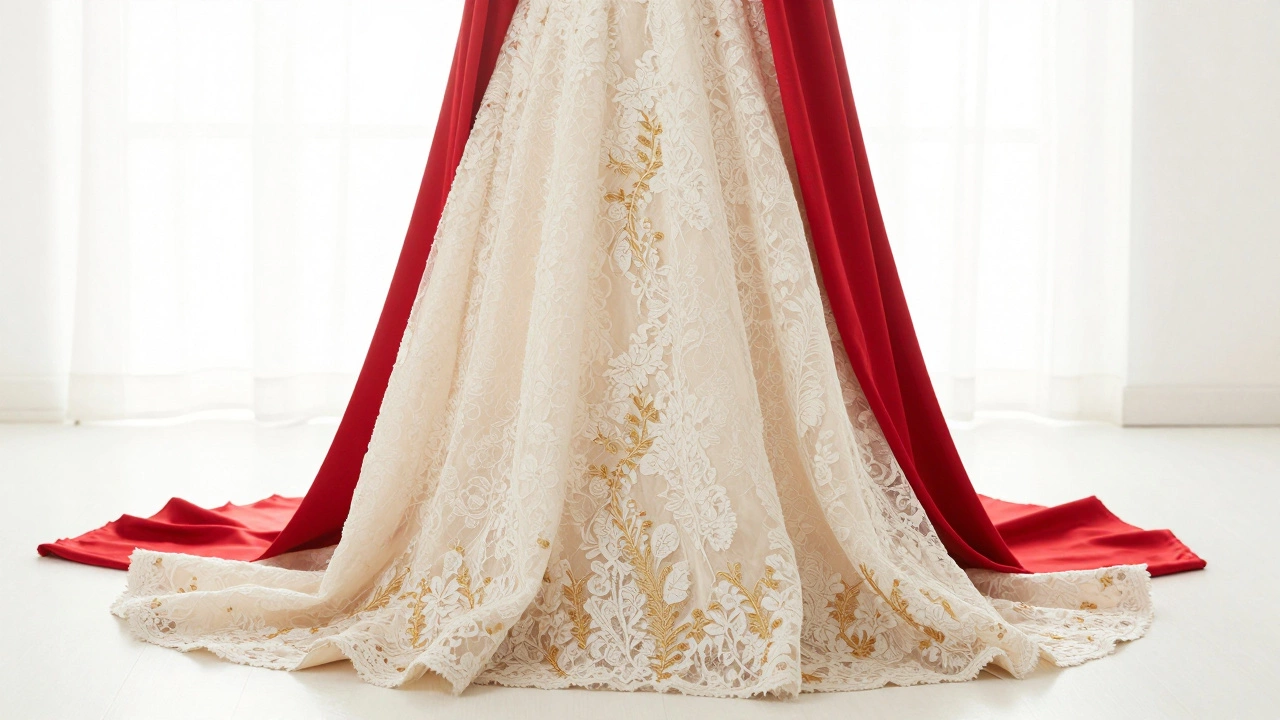
Gold is the color of the sun, and in almost every culture, that translates to success and abundance. Using gold in your wedding decorations-whether through gilded cutlery or shimmering table runners-is a way of symbolically inviting financial stability and a "golden' future.
In many Southeast Asian traditions, gold accents are essential. They don't just represent money in the bank; they represent the divine. When combined with other luck-bringing colors, gold acts as an amplifier, making the positive vibes of the wedding even stronger. If you're undecided on a primary color, adding gold accents is a safe bet for bringing good fortune.
| Color | Primary Meaning | Associated Region | Desired Outcome |
|---|---|---|---|
| Red | Joy & Passion | East Asia / India | Prosperity & Fertility |
| White | Purity & Innocence | Western Europe / North America | Fresh Start & Honesty |
| Gold | Wealth & Divinity | Global / South Asia | Financial Stability |
| Blue | Fidelity & Peace | West / Middle East | Loyalty & Trust |
| Green | Growth & Nature | Islamic Cultures / Ireland | Harmony & Renewal |
Blue: The Symbol of Trust and Fidelity
Ever wonder why the phrase "something blue" exists? This tradition likely stems from ancient Rome, where blue was the color of fidelity. By incorporating blue into the wedding, the couple is essentially claiming a bond of trust and loyalty.
In the Middle East, blue is often seen as a protective color. You'll see a lot of Nazar amulets (the blue eye) used to ward off the "evil eye" or jealousy from others. For a wedding, adding a touch of blue is like putting up a spiritual shield around the couple, ensuring that only positive energy enters their new life together.
Green: Harmony and New Beginnings
Green is the color of the earth, and it's deeply tied to the idea of growth. If you're looking for a color that promotes a healthy, evolving relationship, green is your best bet. In many Islamic cultures, green is highly revered and represents paradise and peace.
In Ireland, green is obviously a national pride, but in a wedding context, it's often used to symbolize the lushness of nature and the cycle of life. Using greenery like eucalyptus or ivy in your decorations isn't just a trend; it's a way of anchoring your marriage in the stability and endurance of the natural world. It's a "lucky" color for those who value peace and a steady, growing love over dramatic passion.
How to Combine Colors for Maximum Luck
You don't have to stick to just one color to be lucky. In fact, mixing colors can create a more comprehensive "blessing" for the marriage. The trick is to balance a high-energy color with a grounding one.
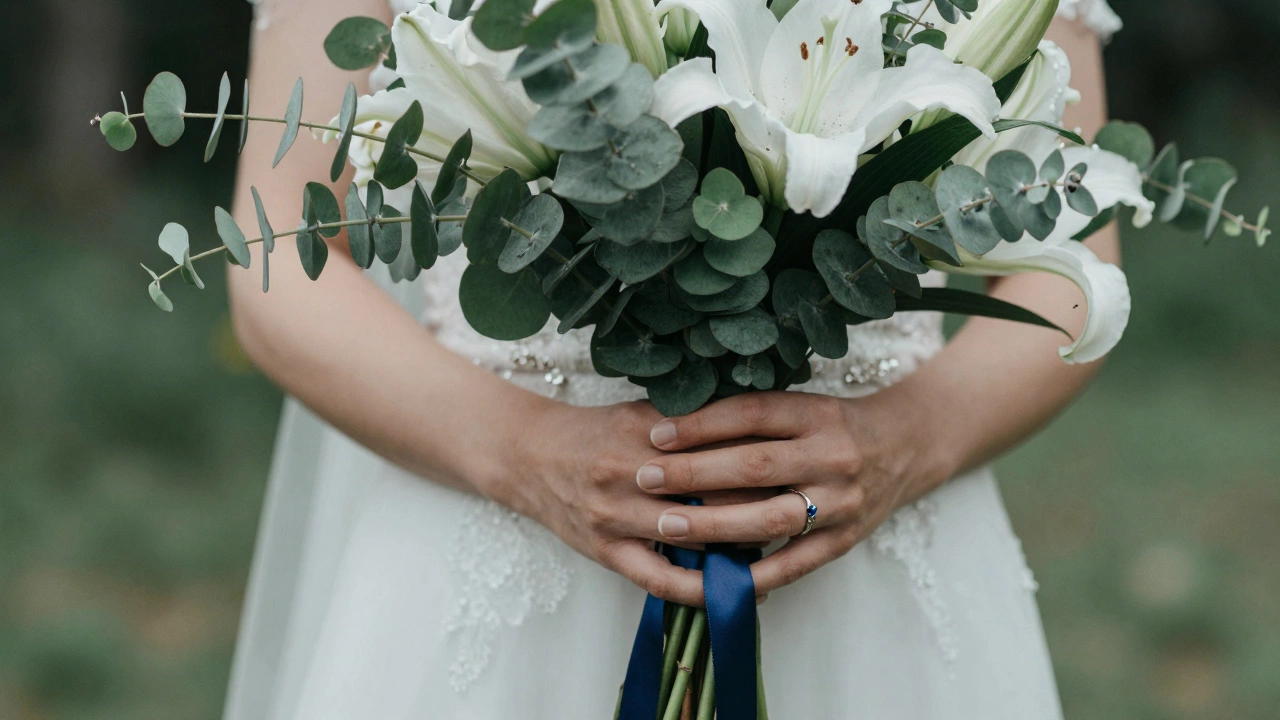
For example, pairing Red with Gold is a classic power-move in Chinese and Indian weddings. Red brings the joy and energy, while Gold stabilizes that energy with a promise of wealth. If you're going for a Western theme, pairing White with a touch of Blue (the "something blue") blends purity with loyalty.
When choosing your palette, think about what you actually need in your marriage. Are you starting a business together? Lean into Gold. Are you moving to a new city? Lean into White and Green for new beginnings and growth. Are you coming together after a long period of long-distance? Red and Blue can symbolize the passion and the trust that got you through the wait.
Pitfalls to Avoid When Choosing "Lucky" Colors
While searching for luck, it's easy to accidentally pick a color that means the opposite of what you intend. Color meanings are not universal. For instance, in some cultures, purple is the color of royalty and luck, but in others, it's strictly for funerals.
Avoid the mistake of blindly following a "lucky color list" without checking the cultural context of your partner's family. If you're having a multicultural wedding, the luckiest color is often a blend. Using a neutral base like cream or champagne and then adding pops of red, blue, or gold allows you to respect multiple traditions without the decor feeling cluttered or conflicting.
What is the luckiest wedding color overall?
There is no single "universal" lucky color, but Red is the most widely recognized color for luck, prosperity, and happiness across the largest number of global populations, particularly in Asia.
Can I use black in a wedding if it's not considered lucky?
In many traditional cultures, black is avoided as it symbolizes mourning or bad luck. However, modern weddings often use black for sophistication. If you're worried about luck, pair black with gold or white to balance the energy and avoid a purely "somber" feel.
Does the luckiest color depend on the season?
While luck is based on symbolism rather than weather, people often align their lucky colors with the season to enhance the vibe. For example, Green is especially powerful in Spring for renewal, while Red and Gold feel more natural and vibrant during Winter celebrations.
Is white actually lucky in all cultures?
No. While white is the standard for purity in the West, it is historically associated with death and mourning in several East Asian cultures. If you are marrying into such a culture, adding red accents can "neutralize" the white and make it festive.
How do I incorporate a lucky color without it being overwhelming?
You don't need to paint the whole room red. Use the lucky color in accents: the bridesmaids' bouquets, the cake frosting, the napkins, or even a hidden piece of fabric sewn into the lining of your dress or suit.
Next Steps for Your Color Palette
Now that you know which colors bring what kind of luck, your next move is to create a mood board. Don't just pick a color; pick a shade. A deep burgundy red feels more formal and grounded than a bright neon red. A soft sage green feels more modern than a forest green.
If you're still torn, try this: look at the venue. If you're getting married in a garden, Green and Gold will blend perfectly with the environment and amplify the feeling of growth. If you're in a grand ballroom, White, Blue, and Silver can create a regal, trusting atmosphere. The luckiest color is ultimately the one that makes you and your partner feel confident, happy, and connected.