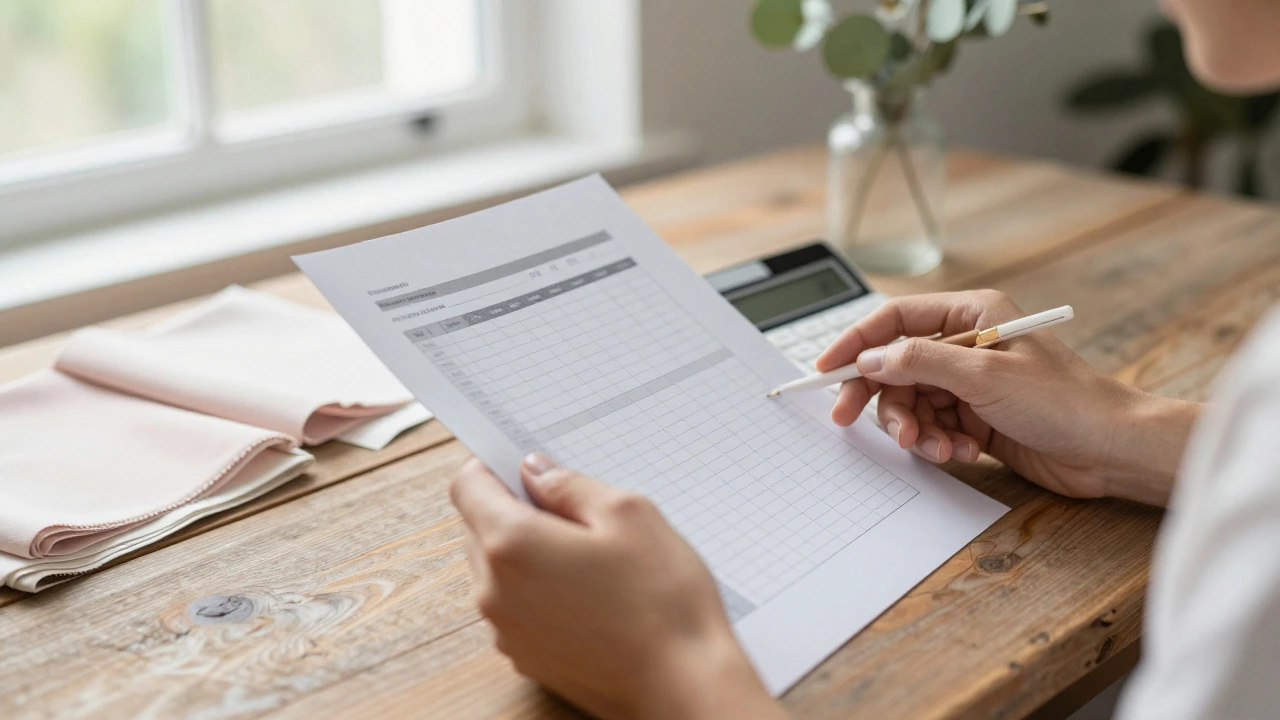
Wedding Decoration Budget Planner 2026 Guide
Cost Breakdown Estimate
Estimated distribution of your decoration budget across key categories.
Category Estimates
You’re staring at a spreadsheet that looks more like a tax return than a party plan. The cake is booked, the dress is fitted, but now comes the visual soul of your wedding: the decorations. How much should you actually spend? There is no single magic number, but there are clear benchmarks for 2026. For most couples in Ireland and the UK, the sweet spot for wedding decoration budget allocation sits between 15% and 20% of your total wedding expenditure. If your total budget is €30,000, expect to set aside roughly €4,500 to €6,000 just for making the space look the way you dreamt it would.
Breaking Down the Cost Structure
Money doesn’t just vanish into thin air; it goes into specific line items. Understanding where the cash lands helps you decide what to splurge on and where to save. The three biggest chunks of your decoration budget are usually florals, rentals (like arches or furniture), and lighting.
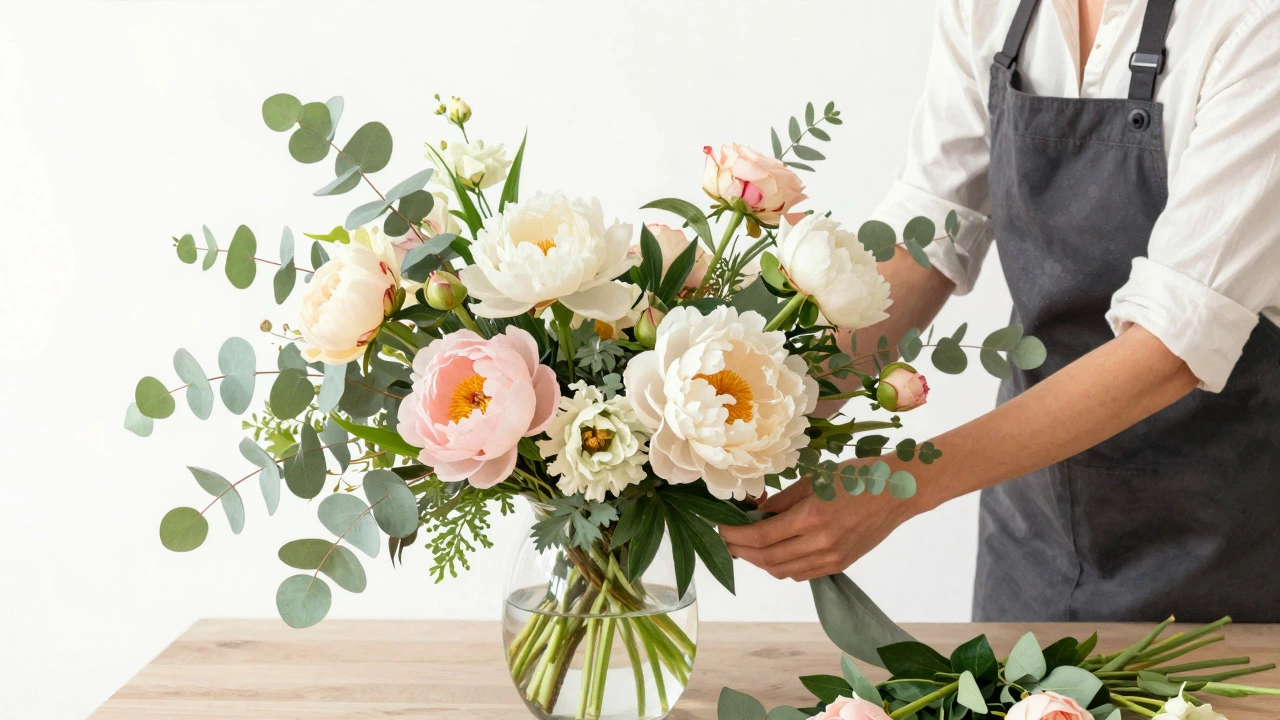
- Floral Arrangements: This is typically the largest expense, often consuming 40-50% of your decoration budget. In 2026, seasonal flowers like roses, peonies, and eucalyptus remain popular. A full-service floral package for a mid-sized venue can range from €1,500 to €3,500 depending on density and variety.
- Rentals & Furniture: Tables, chairs, dance floors, and photo backdrops. High-quality wooden tables and elegant chairs cost more than plastic alternatives. Expect to pay €800 to €2,000 for basic setup rentals if not provided by the venue.
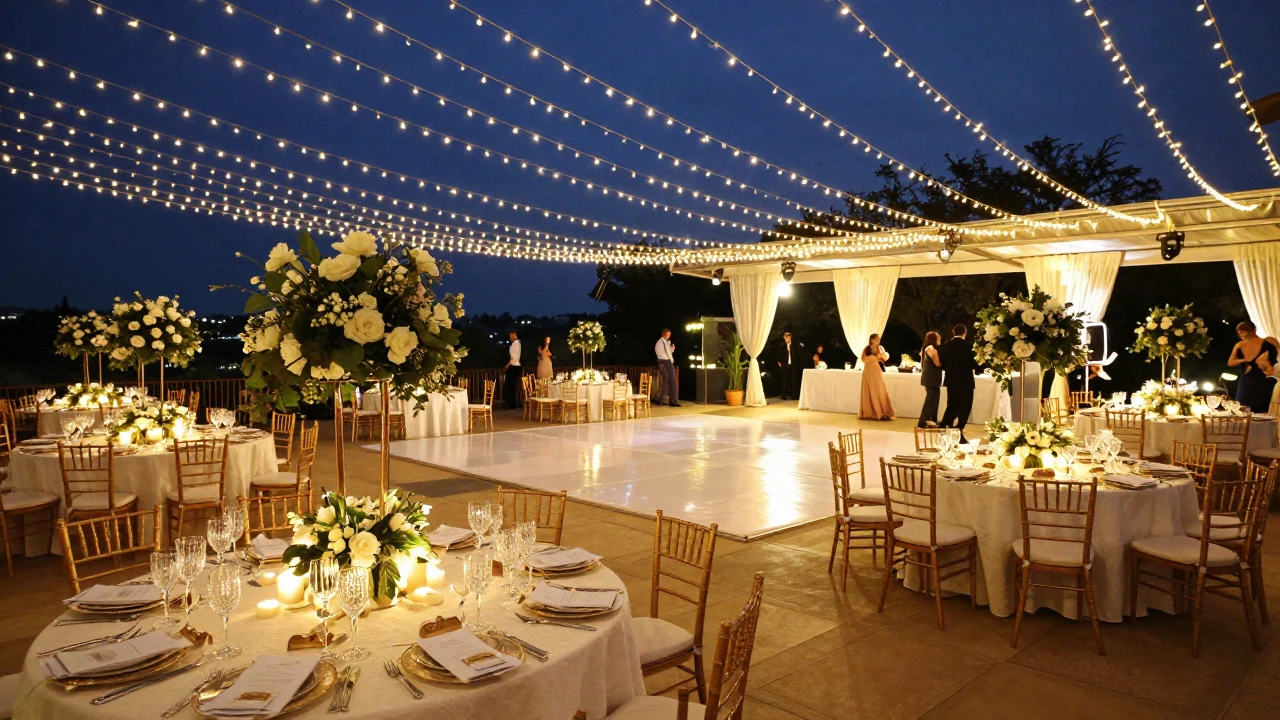
- Lighting & Ambience: Fairy lights, uplighters, and candle holders. LED technology has made this cheaper, but professional installation adds labor costs. Budget €500 to €1,500 for a well-lit evening reception.
The "Venue Included" Factor
Before you start pricing out external vendors, check your contract with the venue. Many hotels and estates in Dublin and across Ireland include basic table settings, centerpieces, and even some lighting in their package. If your venue provides white linen, simple glassware, and standard chair covers, your external decoration budget drops significantly. You might only need to add color accents, specific floral themes, or unique photo props. Always ask for an itemized list of what is included so you don’t double-pay for basics.
DIY vs. Professional: Where to Draw the Line
Do-it-yourself projects can save thousands, but they come with hidden costs: your time, stress, and potential mistakes. Here is a practical rule of thumb for 2026:
- Go DIY for: Signage, place cards, small accent pieces (like ribbon-wrapped bottles), and digital displays. These items have low risk if they fail and high personal value.
- Hire Pros for: Structural elements (arches, trellises), large floral installations, and anything involving electricity or heavy lifting. If a centerpiece falls over, it’s annoying. If a light fixture sparks, it’s dangerous.
A hybrid approach works best. Hire a florist for the main aisle runner and head table arrangements, but handle the table scatter and welcome sign yourself. This balances aesthetic cohesion with budget control.
Seasonal Price Fluctuations
Timing matters. Flowers are commodities, and their price swings based on supply.
- Spring (April-May): Peak demand. Peonies and tulips are expensive. Prices are highest here.
- Summer (June-August): Stable prices, but competition for venues drives up overall costs. Floral availability is good.
- Autumn (September-November): The smart money zone. Marigolds, dahlias, and dried elements are abundant and cheaper. Venues offer discounts, which indirectly helps your decoration budget by freeing up funds.
- Winter (December-February): Off-peak. You can get premium florals at lower rates, but you may need to source locally due to transport costs for fresh stock.
Budget Tiers: What Your Money Buys
| Tier | Total Budget Range | Floral Style | Key Features |
|---|---|---|---|
| Economy | €1,500 - €3,000 | Minimalist, Potted Plants, Dried Flowers | DIY signage, venue-provided furniture, simple candles |
| Mid-Range | €4,000 - €7,000 | Mixed Fresh & Faux, Seasonal Blooms | Professional arch, custom lighting, curated rentals |
| Luxury | €8,000+ | Lush Installations, Imported Rare Florals | Floor-to-ceiling florals, custom built sets, designer furniture |
Note that these figures assume a guest count of 100-150 people. Larger weddings scale linearly, while intimate elopements can operate on the lower end of the Economy tier.
Hidden Costs to Watch Out For
Quotes rarely tell the whole story. Keep an eye out for these common add-ons:
- Delivery & Setup Fees: Some florists charge extra for early morning setups or late-night breakdowns.
- VAT & Service Charge: Ensure quotes are inclusive of all taxes. In Ireland, VAT is 23%. A €2,000 quote excluding VAT becomes €2,460.
- Damage Deposits: Rental companies often require a refundable deposit for fragile items like glass vases or chandeliers.
- Weather Contingencies: If you’re having an outdoor ceremony, factor in backup tents or indoor transition costs. Weather delays can force last-minute decoration adjustments.
How to Optimize Your Spending
You don’t need to cut corners to stay within budget; you just need to prioritize. Focus your spending on the areas guests will see first and photograph most. The entrance, the head table, and the dance floor are high-impact zones. Background walls and distant corners are low-impact. Use greenery and texture rather than expensive blooms for background fill. Eucalyptus and olive branches are affordable, durable, and provide volume without breaking the bank. By concentrating your budget on focal points, you create a cohesive look that feels expensive without being overpriced.
Frequently Asked Questions
What percentage of the total wedding budget should go to decorations?
Aim for 15% to 20% of your total wedding budget. If your total budget is €20,000, allocate €3,000 to €4,000 for decorations. This ensures you have enough funds for other critical areas like catering and photography while still achieving your desired aesthetic.
Are artificial flowers worth the investment in 2026?
High-quality faux flowers are increasingly popular because they eliminate weather risks and wilting concerns. They are ideal for structural pieces like arches or ceiling installations. However, for close-up photos and bouquets, fresh flowers still offer superior realism. A mix of both is often the most cost-effective strategy.
When should I book my decoration vendors?
Book florists and major rental companies 9 to 12 months in advance, especially for peak season dates (May through September). Smaller vendors for DIY assistance or niche items can be booked 3 to 6 months prior. Early booking secures better pricing and preferred design slots.
Can I reuse wedding decorations for other events?
Yes, many items are reusable. Candles, lanterns, ribbons, and signage can be stored and used for anniversaries or other parties. Avoid buying single-use items like paper confetti or cheap plastic tableware. Invest in durable, neutral-toned pieces that fit multiple themes to maximize long-term value.
How do I negotiate with florists to reduce costs?
Ask about 'off-season' flower options that mimic the look of expensive blooms. For example, using ranunculus instead of peonies in spring can save significant money. Also, inquire about bulk discounts if you are ordering multiple arrangements. Being flexible with exact flower types allows florists to use whatever is currently abundant and cheap.