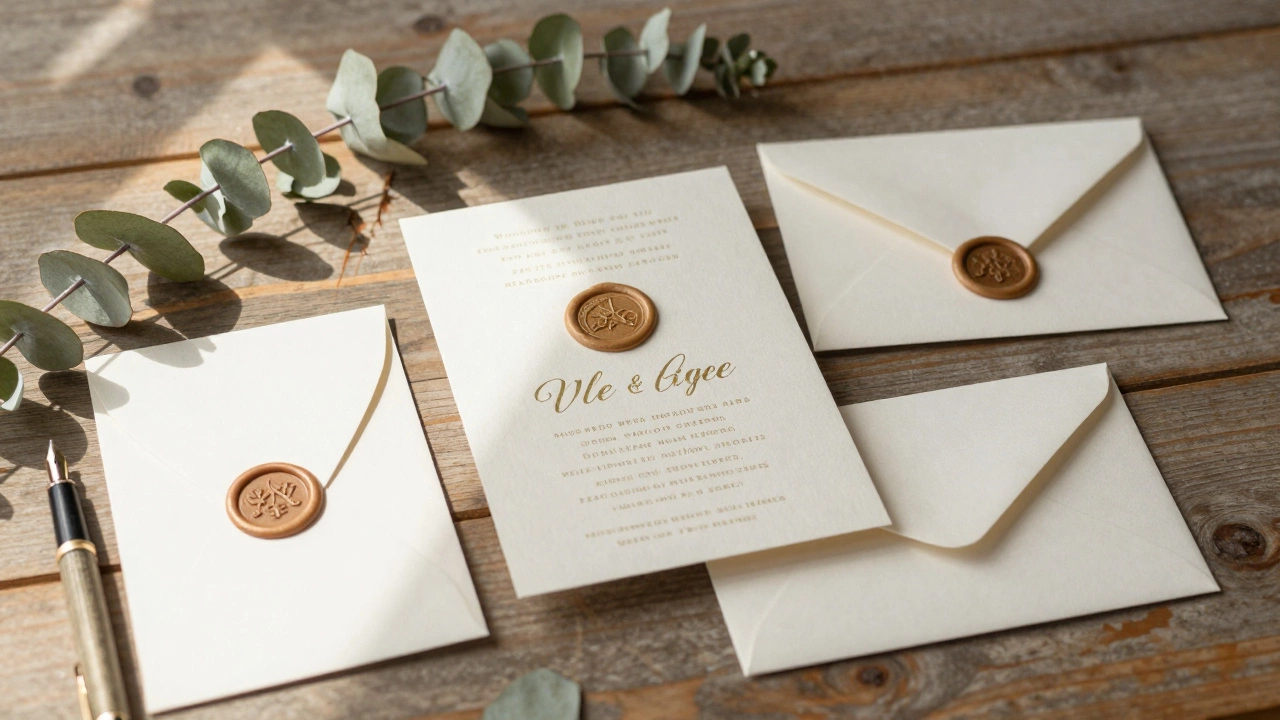
Wedding Invitation Timeline Planner
Your Key Dates
Based on standard etiquette guidelines.
Pro Tip:
Set a calendar reminder for each of these dates to ensure you stay on track!
You’ve picked the venue, booked the photographer, and finally settled on a color palette. Now comes the part that actually gets people through the door: sending out your wedding invitations is the formal request for guests to attend your ceremony and reception. It might seem like just paper and ink (or pixels), but getting the etiquette wrong can lead to confusion, hurt feelings, or an empty dance floor. You want your guests to feel excited, not confused about where to go, what to wear, or whether they’re actually invited.
Modern weddings are a mix of tradition and personal style. While some couples stick to strict Victorian rules, others prefer casual, direct communication. The key isn’t following every old rule blindly; it’s being clear, respectful, and consistent. This guide breaks down the essential etiquette for timing, wording, mailing, and digital options so you can send invites with confidence.
Timing Is Everything: When to Send Invites
The biggest mistake couples make is sending invitations too early or too late. If you send them too early, guests might forget by the time the date arrives. If you send them too late, they won’t have time to arrange travel or time off work. For most weddings, the sweet spot is 6 to 8 weeks before the big day. This gives guests enough notice to plan without losing interest in the details.
If your wedding is during a peak holiday season-like Christmas, New Year’s, or Thanksgiving-or if you expect many out-of-town guests, aim for the earlier end of that window. Eight weeks allows people to book flights and hotels before prices skyrocket. For destination weddings, you’ll need to send formal invitations even earlier, often 3 to 4 months in advance, because guests need significant lead time to secure visas, passports, and long-term accommodations.
Don’t forget the prelude: Save the Dates are preliminary notices sent to guests to reserve the date on their calendars. These should go out 6 to 12 months in advance. They aren’t legally binding, but they signal seriousness. Use them for close family and friends first, then expand to your wider guest list once you have a firm headcount estimate. Sending Save the Dates before you have a confirmed venue is risky; if the venue falls through, you’ll have to send awkward corrections.
Who Gets an Invite? Navigating the Guest List
Before you design anything, you need a final guest list. Wedding invitation etiquette dictates that you only invite people you genuinely want there. Don’t invite someone just because their spouse was invited years ago, or because their parents are pushing you. Keep it simple: if you wouldn’t be disappointed if they didn’t come, don’t send an invite.
A common point of contention is plus-ones. Traditional etiquette suggests that single guests should only receive a plus-one if they are in a serious relationship or if the couple doesn’t know them well. However, modern norms are shifting. Many couples now offer plus-ones to all single guests to ensure everyone feels comfortable and included. If you choose to restrict plus-ones, be consistent. Don’t give one friend a plus-one while excluding another similar friend unless there’s a clear, logical reason (like budget constraints). If you must cut corners, prioritize older single guests or those traveling from afar, as they may not know anyone else at the event.
For families, always include children if you are inviting the parents, unless the event is explicitly adults-only. If you are having an adults-only reception, state this clearly on the invitation or the website. Never assume guests will leave their kids at home without explicit instruction. Addressing envelopes correctly matters here too: write "The Smith Family" for a household, or list each child’s name if they are old enough to read.

Wording That Works: Formal vs. Casual
The tone of your invitation sets the mood for the entire wedding. Are you hosting a black-tie gala in a ballroom or a backyard BBQ with acoustic music? Your wording should match. There is no single "correct" way to word an invitation, but consistency is crucial. Mixing formal language with casual elements creates a disjointed experience.
For formal weddings, use traditional phrasing. Start with the hosts’ names (usually the parents, though increasingly it’s the couple themselves). Use full names, including middle names if desired. Specify the time, date, and location clearly. Avoid abbreviations. Instead of "Sat," write "Saturday." Instead of "Noon," write "Twelve o’clock in the afternoon." Here is a standard formal structure:
Mr. and Mrs. John Doe
request the honor of your presence
at the marriage of their daughter
Jane Marie Doe
to
James Robert Smith
Saturday, the fifteenth of June
at four o’clock in the afternoon
St. Patrick’s Cathedral
Dublin, Ireland
For semi-formal or casual weddings, you can relax the language. Use "Please join us" instead of "request the honor of your presence." You can omit titles like Mr. and Mrs. and just use first names. Feel free to add a personal touch, like a short note about why you’re marrying or a fun fact about your relationship. Just keep it brief; the invitation is still primarily a logistical tool.
Remember to include essential details on the main card or accompanying inserts: dress code, registry information (never on the main invite, but okay on a separate card or website), and parking instructions. If you have a wedding website, include the URL prominently. This is where you can dump extra info like travel guides, accommodation blocks, and dietary restriction forms, keeping the physical invite clean and elegant.
Digital Invitations: Are They Acceptable?
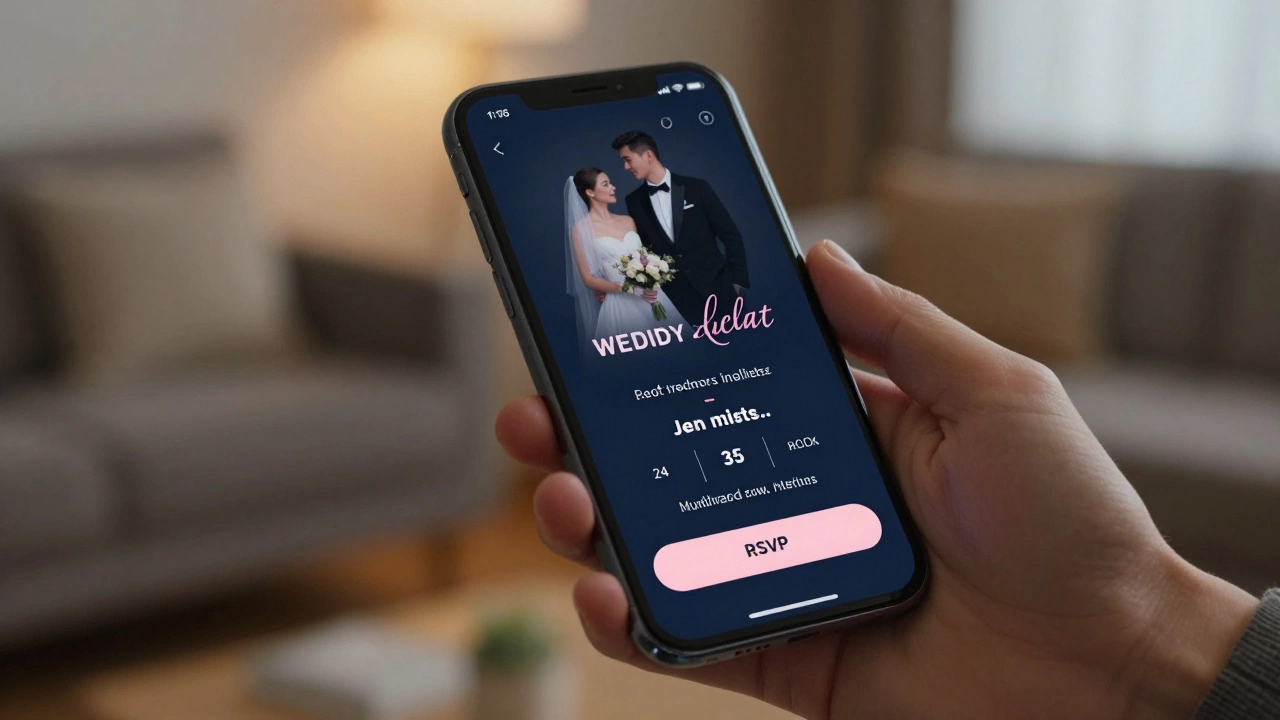
In 2026, digital invitations are widely accepted, especially for casual events or when budget and sustainability are priorities. Digital wedding invitations are electronic notifications sent via email, text, or dedicated apps. They offer real-time RSVP tracking, easy updates, and lower costs. Platforms like Paperless Post, Greenvelope, or even a well-designed email blast can work beautifully.
However, etiquette still applies. Digital invites shouldn’t feel like spam. Personalize the subject line. Use high-quality graphics. Ensure the mobile experience is seamless, as most guests will open these on their phones. One major advantage of digital invites is the ability to track who has opened the message. If someone hasn’t responded after two weeks, a gentle follow-up text or call is appropriate. With paper invites, you’re left guessing if they arrived.
There is a hybrid approach that works well for many couples: send a digital Save the Date to gauge interest and collect addresses, followed by physical invitations to the final confirmed list. Or, send physical invites to older relatives and close family who appreciate the tangible keepsake, while using digital versions for younger, tech-savvy friends. Just be transparent. If you send a digital invite, make sure it looks polished and professional. A poorly formatted email can look cheap, undermining the effort you put into the rest of the wedding planning.
The RSVP Game: Deadlines and Follow-Ups
An invitation without a response mechanism is useless. You need to know your numbers for catering, seating, and bar tabs. Include a clear RSVP deadline on the invitation, typically 3 to 4 weeks before the wedding. This gives you enough time to finalize counts with vendors while leaving a buffer for last-minute changes.
Make responding easy. Provide a phone number, an email address, or a link to your wedding website. QR codes on paper invites linking directly to an RSVP form are incredibly effective and reduce friction. If you use mail-in reply cards, include a stamped return envelope. Guests are more likely to respond if you remove the hassle of buying stamps and finding an mailbox.
What happens when people don’t respond? It’s annoying, but it happens. About 5% of guests will ignore your RSVP requests. After the deadline passes, reach out personally. Call or text the non-responders. Assume positive intent-they probably forgot, lost the card, or were overwhelmed. Be polite but firm: "Hi Sarah, we’re finalizing our seat count and haven’t heard back. Can you let us know if you can make it by tomorrow?" Most people will respond immediately upon hearing the urgency.
Track your responses meticulously. Use a spreadsheet or wedding planning app. Color-code guests: Green for Yes, Red for No, Yellow for Pending. Update this daily until the final headcount is submitted to your caterer. Remember to account for a small contingency (usually 5-10%) for unexpected plus-ones or late acceptances, depending on your venue’s flexibility.
Common Pitfalls to Avoid
Even experienced planners slip up on invitation etiquette. Here are the most common mistakes to watch out for:
- Double-dipping registries: Never include gift registry links on the main invitation or the enclosure card. It implies that gifts are expected, which is considered tacky. Share registry info on your wedding website, in bridal shower invitations, or verbally when asked.
- Vague locations: Don’t just write "Downtown Hotel." Specify the room, floor, or entrance. If the venue is hard to find, include a map or driving directions on the insert or website.
- Inconsistent timelines: If you say the ceremony starts at 4 PM, don’t start the reception at 4:30 PM. Allow for cocktail hour and transition time. Confusing schedules lead to frustrated guests.
- Ignoring accessibility: Ensure your venue is accessible for guests with mobility issues. Mention this on your website if applicable. Also, consider dietary restrictions early by asking about allergies in your RSVP process.
- Last-minute additions: Avoid adding guests to the list after invitations have been sent. It throws off your budget and seating chart. If you must, do it discreetly and inform your vendors immediately.
| Feature | Traditional Paper | Digital Only | Hybrid Approach |
|---|---|---|---|
| Cost per Guest | $2 - $5+ | $0.10 - $0.50 | $1 - $3 |
| Environmental Impact | High (paper, ink, shipping) | Low (server energy) | Medium |
| RSVP Tracking | Manual/Slow | Real-time/Automated | Mixed |
| Perceived Formality | High | Low to Medium | Medium |
| Best For | Formal/Black-Tie Events | Casual/Destination Weddings | Most Modern Weddings |
How far in advance should I send wedding invitations?
Send formal wedding invitations 6 to 8 weeks before the wedding date. For destination weddings or events during major holidays, send them 3 to 4 months in advance to allow guests ample time for travel arrangements.
Is it rude to send digital wedding invitations?
No, digital invitations are widely accepted in 2026, especially for casual weddings or eco-conscious couples. Ensure they are personalized, visually appealing, and easy to access on mobile devices to maintain professionalism.
Should I include my registry on the wedding invitation?
No, it is considered poor etiquette to include registry information on the main invitation or enclosure cards. Share this information on your wedding website, in bridal shower invitations, or verbally when guests ask.
Do I need to send Save the Dates?
Save the Dates are highly recommended, especially if you have many out-of-town guests or are booking during peak seasons. Send them 6 to 12 months in advance to help guests plan their schedules and travel.
What if a guest doesn't RSVP by the deadline?
Follow up personally with a phone call or text message. Assume they forgot or lost the invitation. Be polite but clear about the urgency of needing a final headcount for catering and seating arrangements.