Wedding Photographer Outfit Advisor
Configure Your Shoot Details
Select Your Outfit
Click an option to select your intended look.
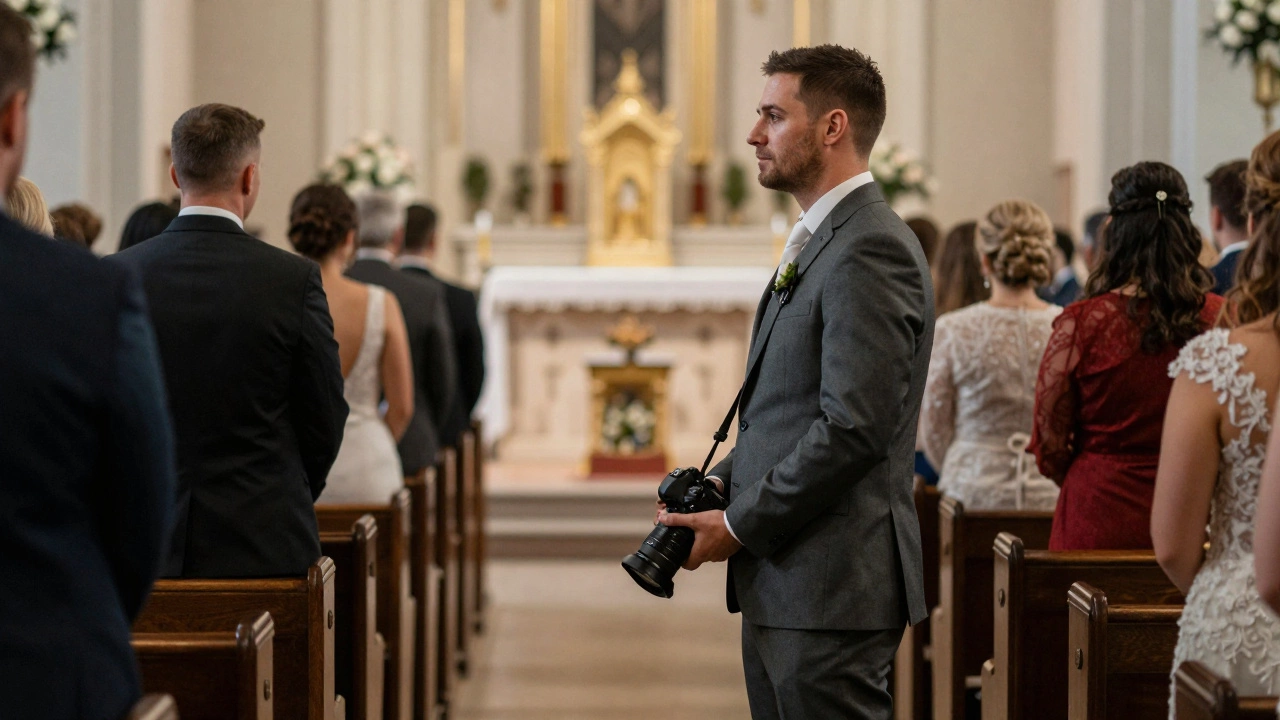
Picture this: you are standing in the aisle, lens ready, waiting for that perfect shot of the couple walking down. But instead of capturing the emotion, everyone is staring at your neon yellow shirt or your loud floral pattern. It’s awkward, it breaks the moment, and frankly, it’s unprofessional. As a wedding photographer, your job is to document love, not steal the spotlight. Getting your outfit right isn’t just about looking good; it’s about blending into the background so your clients feel comfortable and natural. If you’re wondering what color to wear, the short answer is dark neutrals. But there’s more nuance to it than just picking black.
The Golden Rule: Blend In, Don’t Stand Out
The primary goal of your wardrobe on a wedding day is invisibility. You want to be part of the scenery, not the subject. When you wear bright colors like red, orange, or electric blue, you draw the eye. Guests might look at you instead of the bride and groom. More importantly, if you end up in someone else’s photo (and you will), you become a distraction. A solid, dark color helps you disappear into the shadows or match the formal tone of the event.
Think about the psychology of the room. Weddings are emotional, high-stakes events. Couples have spent months planning every detail. Your presence should feel supportive and calm. Wearing a chaotic pattern or a flashy outfit adds visual noise to an already busy environment. By choosing muted tones, you signal respect for the occasion and allow the couple’s style to shine through your lens without competition.
Why Black Is the Safest Bet (But Not Always Best)
Black is the industry standard for a reason. It’s slimming, it’s formal, and it doesn’t clash with any wedding theme. Whether the wedding is a rustic barn dance or a black-tie gala, black works. It also hides stains from coffee spills or rain splashes, which happens more often than you’d think when you’re moving around all day.
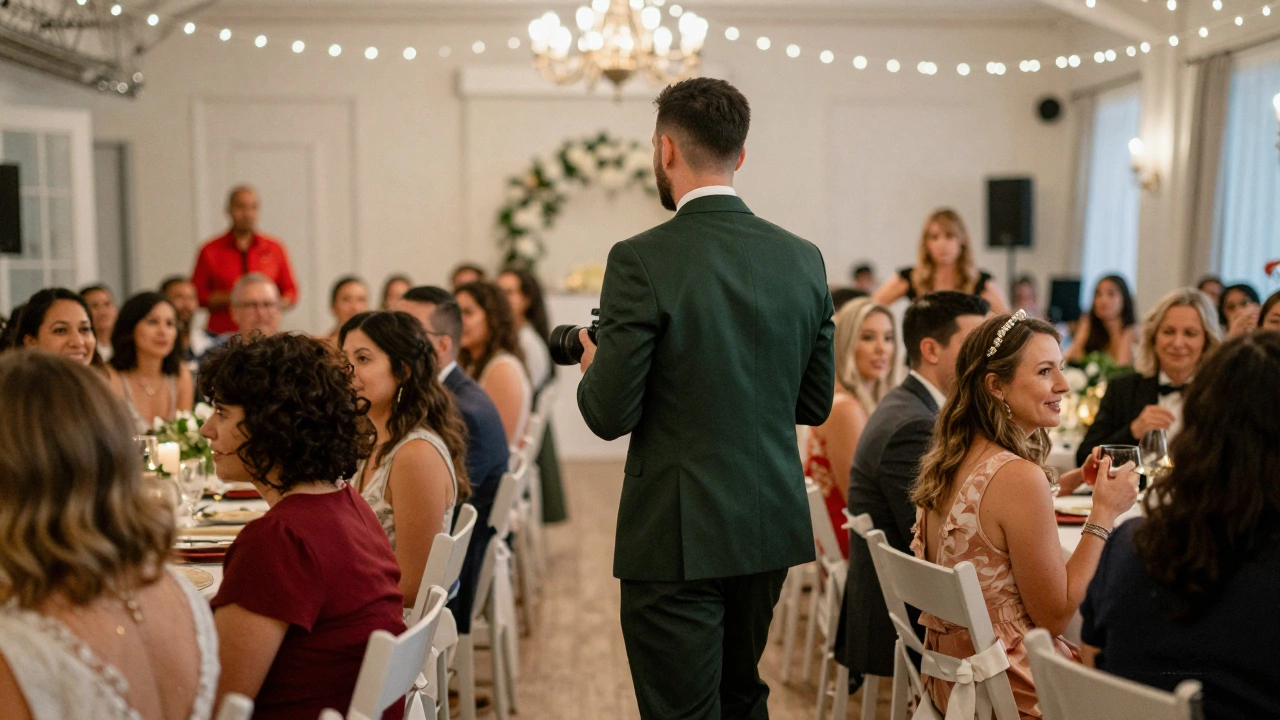
However, pure black can sometimes look too severe or funereal, especially at daytime outdoor weddings. In bright sunlight, a stark black shirt can create harsh contrasts against your skin or the background. Consider charcoal gray, navy blue, or deep forest green as excellent alternatives. These colors offer the same blending benefits as black but feel softer and more approachable. Navy, in particular, is a fantastic choice because it reads as professional yet friendly, bridging the gap between corporate formality and creative artistry.
Patterns and Textures: Proceed with Caution
If you hate wearing solids, you can experiment with patterns, but you need to be strategic. Small, subtle patterns like pinstripes, micro-checks, or faint herringbone can add texture without creating a visual mess. Avoid large florals, bold stripes, or graphic prints. Large patterns can cause moiré effects on video cameras if other vendors are filming, and they simply distract the human eye in photos.
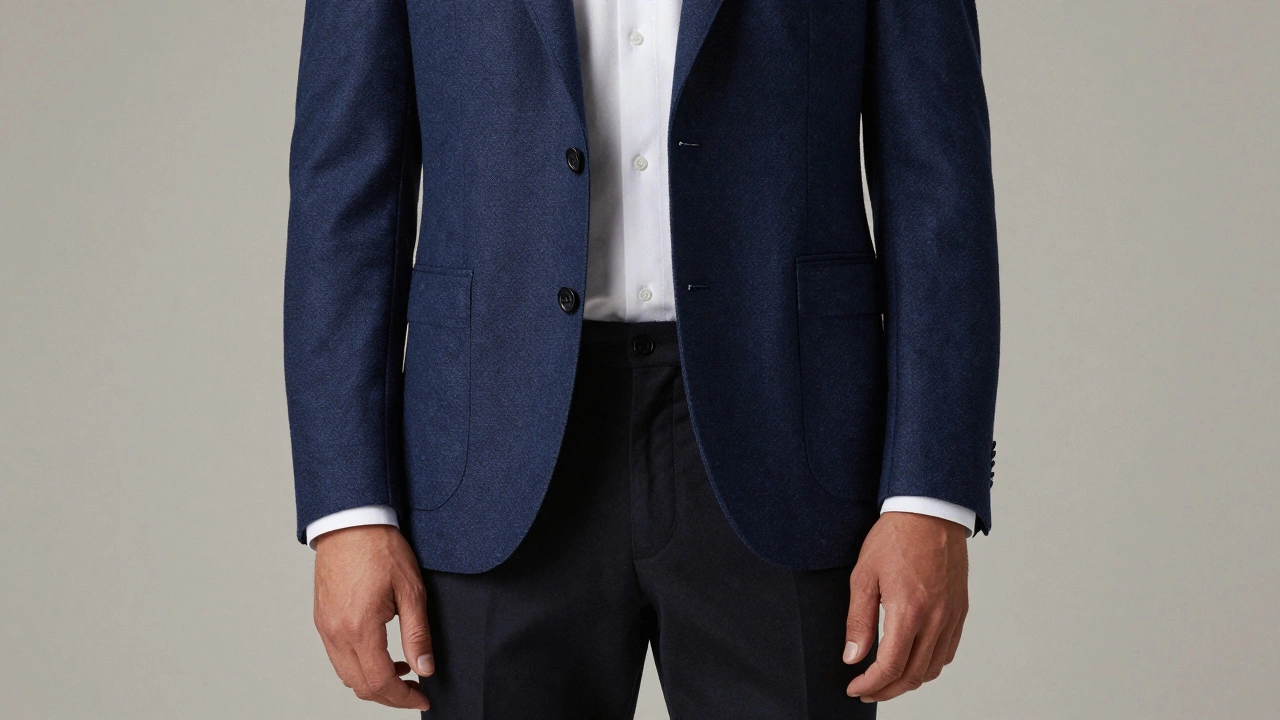
Texture is your friend. A well-fitted wool blazer, a textured cotton shirt, or a knit polo can elevate a simple outfit without adding color chaos. Texture catches light nicely, giving you dimension in group shots with the wedding party, while still keeping the focus off you. Just ensure the fabric isn’t too shiny. Satin or silk shirts can reflect flash or sunlight, creating unwanted glare that ruins your own images and makes you look out of place among matte fabrics worn by guests.
Comfort Meets Functionality
You aren’t just sitting at a table; you’re running, crouching, climbing stairs, and carrying heavy gear. Your outfit needs to support this physical activity. Avoid stiff suits that restrict movement. Instead, opt for stretch fabrics or tailored separates that allow you to move freely. Breathability is key, especially if you’re shooting in summer heat or crowded indoor venues.
Consider your footwear carefully. This is where many photographers fail. You will walk miles on your feet. Do not wear new shoes that haven’t been broken in, and avoid heels unless you are extremely experienced in them. Comfortable leather boots, clean sneakers (if the dress code allows), or loafers are ideal. They need to be quiet too-squeaky soles on hardwood floors during vows are a nightmare.
Pockets matter. You need easy access to memory cards, batteries, and lenses. A vest with multiple pockets or a belt bag worn discreetly under a jacket can keep your essentials handy without looking like a tourist. However, ensure these additions don’t bulge awkwardly under your clothes. Silhouette matters.
Matching the Wedding’s Vibe and Dress Code
Every wedding has a tone, and your outfit should align with it. Check the invitation or ask the couple directly. If it’s a beach wedding, linen pants and a crisp white or pastel button-down might be appropriate. For a formal evening reception, a dark suit and tie are expected. Ignoring the dress code shows a lack of attention to detail, which clients notice.
Here’s a quick guide to matching outfits to settings:
- Beach/Outdoor Daytime: Lighter neutrals like beige, light gray, or soft navy. Linen or cotton blends. No ties usually needed.
- Rustic/Barn: Dark denim jeans (no rips), a solid button-down shirt, and a casual blazer or sweater. Boots work well here.
- Formal/Black-Tie: Full dark suit, white or light blue shirt, conservative tie. Polished leather shoes.
- Modern/Minimalist: Monochromatic looks. All black, all gray, or tonal layering. Clean lines, minimal accessories.
If you’re unsure, always err on the side of being slightly overdressed rather than underdressed. It’s easier to remove a tie or jacket than to add formality later.
What to Avoid: The Red Flags
Some colors and styles are hard no-gos for professional photographers. Red is the biggest offender. It’s aggressive, draws immediate attention, and can cast red reflections on nearby surfaces or faces in low light. Bright whites are also tricky-they can blow out in photos and make you look like another guest or even the bride if not styled carefully. Save white for your own portfolio shoots, not client days.
Avoid logos, slogans, or branded clothing. You are representing yourself as a business, not promoting a sports team or a band. Plain, high-quality garments convey professionalism. Also, skip overly casual items like t-shirts, shorts, or flip-flops, even if the wedding is casual. Clients hire you for expertise, and your appearance reinforces that trust.
Gender-Neutral Guidelines
These rules apply regardless of gender. Men should avoid loud ties or pocket squares that clash with the wedding palette. Women should steer clear of overly revealing cuts or skirts that are difficult to move in. A midi-length skirt with a structured top, trousers with a blouse, or a tailored jumpsuit are all excellent options. Jewelry should be minimal and quiet-nothing that jingles when you move. Watches are fine, but keep them sleek and non-distracting.
Remember, your outfit is part of your brand. Consistency builds recognition. If you always show up in sharp, neutral attire, couples know what to expect. It becomes part of your professional identity. Over time, this reliability contributes to referrals and repeat business.
Practical Tips for the Big Day
Plan your outfit weeks in advance. Iron or steam everything the night before. Bring a backup shirt in case of sweat or spills. Pack a small kit with stain remover wipes and safety pins. Check the weather forecast and adjust layers accordingly. If it’s raining, bring a waterproof jacket that zips over your gear without looking bulky.
Finally, communicate with the couple. Send a photo of your planned outfit during pre-wedding consultations. Ask if it fits their vision. Most couples will appreciate the consideration and may even give you specific feedback. This proactive step reduces anxiety for everyone and ensures harmony on the day.
| Wedding Type | Recommended Colors | Fabric Suggestions | Footwear |
|---|---|---|---|
| Beach / Outdoor | Beige, Light Gray, Soft Navy | Linen, Cotton | Clean Sneakers, Loafers |
| Rustic / Barn | Charcoal, Olive, Denim Blue | Wool Blend, Twill | Leather Boots |
| Formal / Ballroom | Black, Navy, Dark Gray | Suit Wool, Silk Tie | Oxfords, Pumps |
| Garden / Spring | Sage Green, Dusty Rose, Taupe | Cotton Poplin, Lightweight Knit | Ballet Flats, Derbies |
Choosing the right color isn’t just aesthetics-it’s strategy. It affects how people perceive you, how well you capture moments, and how smoothly the day runs. Stick to dark, solid, comfortable neutrals, and you’ll never go wrong. Your clients won’t remember what you wore, but they’ll remember the beautiful photos you took because you weren’t distracting them.
Can I wear white as a wedding photographer?
It’s generally best to avoid pure white. White can blow out in photos, making you look like a ghost or confusingly similar to the bride. If you must wear light colors, opt for off-white, cream, or very light gray, and ensure the rest of your outfit grounds the look with darker elements.
Is it okay to wear jeans to a wedding?
Only if the wedding is explicitly casual or rustic, and even then, choose dark, clean, non-distressed denim. Pair it with a blazer and polished shoes to maintain professionalism. Never wear ripped or faded jeans to formal events.
Should I match the wedding party’s colors?
No, you should not match the wedding party exactly. That makes you look like a groomsman or bridesmaid. Instead, complement their palette with neutral tones that harmonize without copying. For example, if the party wears burgundy, you might wear charcoal gray.
What if I’m sweating a lot during the shoot?
Choose breathable fabrics like cotton or moisture-wicking blends. Carry a spare shirt and use antiperspirant strategically. Dark colors hide sweat marks better than light ones. Stay hydrated and take short breaks in shaded areas when possible.
How do I handle cultural or religious weddings?
Research the specific customs beforehand. Some cultures require head coverings or modest dress codes. When in doubt, ask the couple or their family for guidance. Showing respect for traditions builds trust and ensures you’re welcomed throughout the ceremony.
Can I wear sunglasses outdoors?
Avoid wearing sunglasses while actively photographing or interacting with guests. It creates a barrier and can look dismissive. Use a hat with a brim if you need sun protection, but keep your face visible for engagement and communication.
What about jewelry and accessories?
Keep jewelry minimal and silent. Avoid dangling earrings, noisy bracelets, or large watches that catch light. Simple studs, a thin chain, or a classic watch are sufficient. Accessories should enhance your professionalism, not distract from it.
Should I bring a change of clothes?
Yes, especially for long days or unpredictable weather. Pack a fresh shirt, socks, and perhaps a light jacket in your car or assistant’s bag. Being prepared for spills or temperature changes keeps you comfortable and focused on your work.