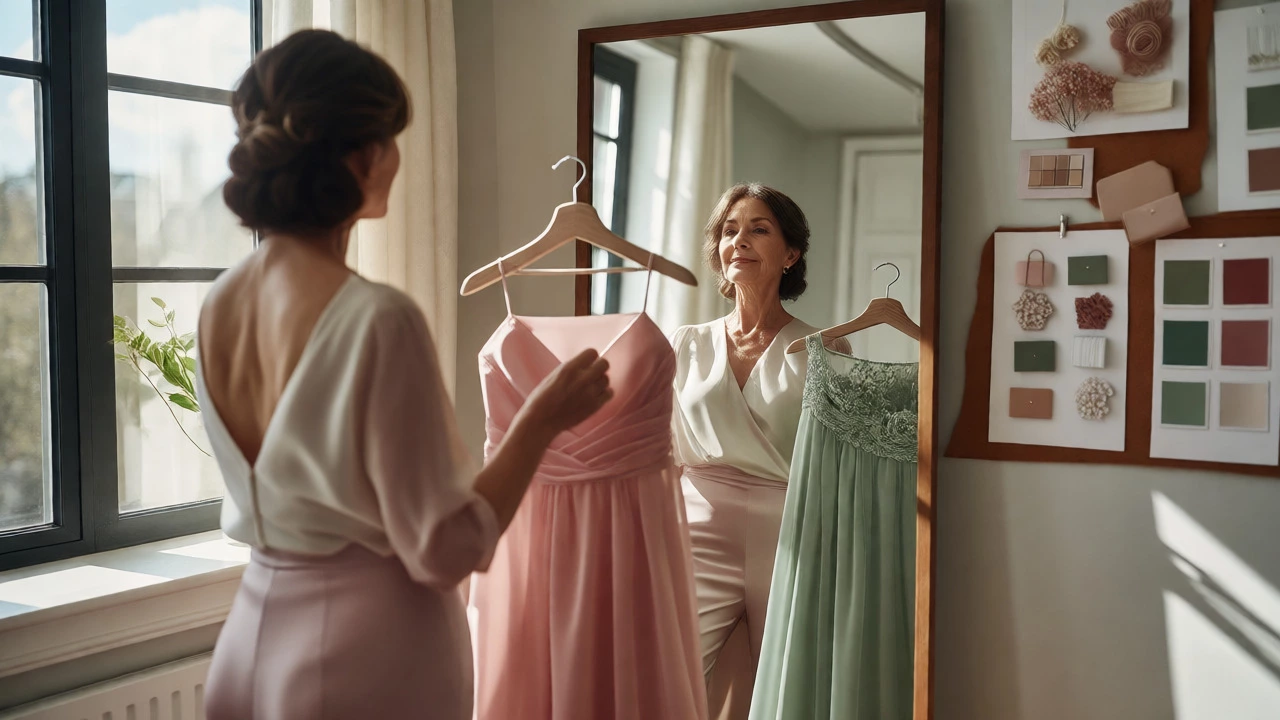
Groom's Mother Attire Color Advisor
Select your wedding details below to receive personalized color recommendations that respect tradition while embracing modern aesthetics.
You just got the invite. The date is set, the venue is booked, and suddenly, you’re staring at your closet wondering if that navy suit from last year still works or if you need something new. It’s a common panic for parents of the couple, especially when the wedding invitations are vague about dress codes. But here’s the thing: there isn’t one single "correct" color for the groom’s mother. The rules have shifted significantly in recent years, moving away from rigid traditions toward a more collaborative, aesthetic-driven approach.
If you’re looking for a simple answer like "wear blue," you won’t find it here because context matters more than ever. In 2026, the focus is on harmony with the bridal party, respect for the bride’s vision, and personal comfort. This guide breaks down exactly how to navigate the color choices without stepping on toes or feeling out of place.
The Golden Rule: Communication Over Tradition
Gone are the days when mothers of the bride and groom had to coordinate their outfits via long phone calls weeks in advance. While that tradition persists in some families, modern etiquette favors early, casual communication. The most important step isn't picking a color-it's asking the bride (or her planner) what palette they envision for the immediate family.
Why does this matter? Because the photos will tell the story. If the bridesmaids are wearing sage green and the mothers wear bright red, the visual clash can be jarring in professional photography. Most couples today curate a specific mood board. Your job as the groom’s mother is to complement that mood, not compete with it. A quick text saying, "Hey! I’m looking at dresses for the big day. Do you have any color preferences for us moms so we don't clash?" solves 90% of potential issues before they start.
Safe Bets vs. Trending Colors for 2026
While coordination is key, certain colors remain timeless staples for parents of the groom. These hues work across seasons and venues, offering a sophisticated backdrop that doesn’t steal attention from the bride. However, trends do evolve. Here is a breakdown of current recommendations versus classic choices.
| Category | Recommended Colors | Best For | Avoid/Use Caution |
|---|---|---|---|
| Classic Neutrals | Navy, Charcoal Grey, Champagne, Ivory (non-white) | Formal black-tie weddings, traditional churches | Pure white (reserved for bride), stark black (unless specified) |
| Modern Pastels | Dusty Rose, Sage Green, Lavender, Powder Blue | Garden parties, daytime ceremonies, spring/summer events | Neon pastels that photograph poorly under harsh light |
| Jewel Tones | Emerald, Sapphire, Burgundy, Amethyst | Evening galas, autumn/winter weddings, ballrooms | Colors that match the bridesmaids' exact shade |
| Trending 2026 | Terracotta, Olive, Deep Teal, Metallic Gold/Silver accents | Boho-chic, rustic venues, modern minimalist aesthetics | Overly busy patterns that distract from facial features |
Seasonality and Venue Dictate the Palette
A color that looks stunning in a sun-drenched garden might look washed out in a dimly lit cathedral. You must consider the lighting and setting. For outdoor summer weddings, lighter fabrics and breathable colors like linen-blend suits or chiffon dresses in soft blues or creams work beautifully. They reflect heat and keep you comfortable during long ceremonies.
Conversely, winter weddings often call for heavier textures like velvet or wool. Darker jewel tones-deep emeralds, rich plums, or midnight blues-add warmth and depth to the visual narrative. If the venue has dark wood paneling or low lighting, avoid dull browns or muddy greens that might make you disappear into the background. Instead, opt for colors with a slight sheen or texture to catch the light.
Consider the time of day, too. Daytime events generally lean towards lighter, brighter palettes. Evening affairs allow for darker, more dramatic hues. If you’re unsure, ask the photographer. They know exactly which colors pop against the venue’s walls and which ones blend in awkwardly.
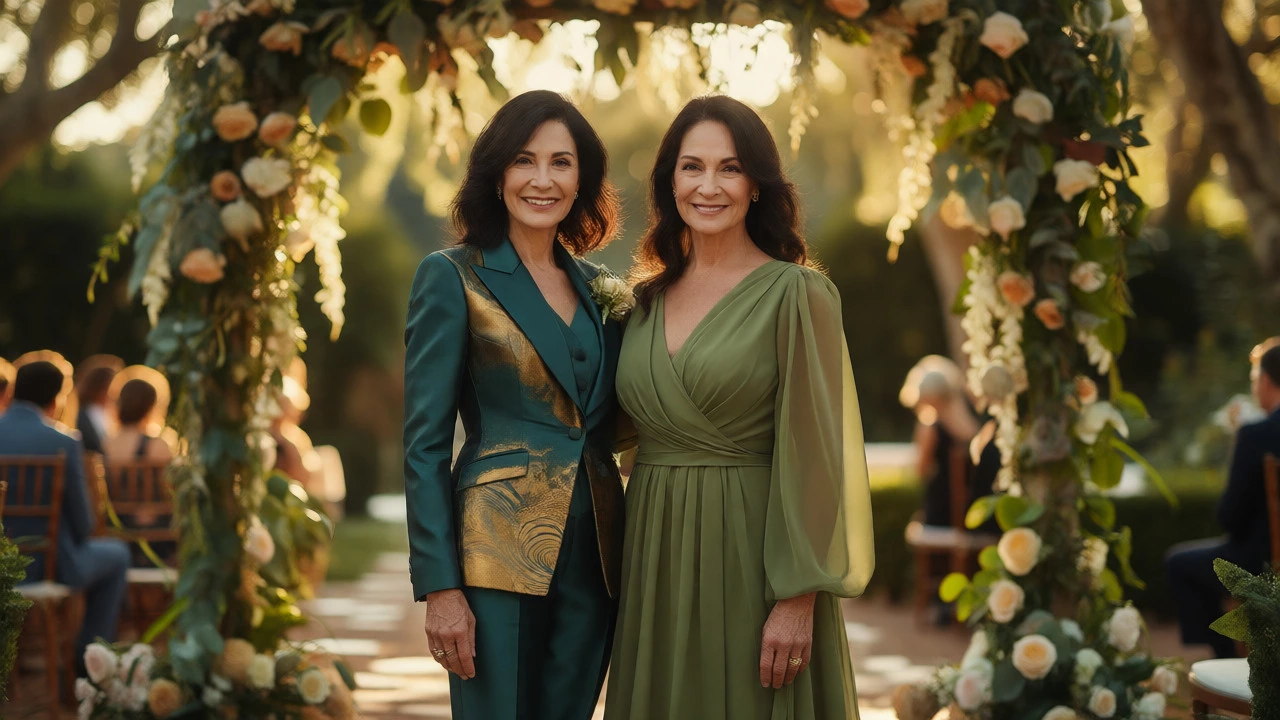
What About White and Black?
This is the biggest source of anxiety for many guests. Can you wear white? Technically, yes, but only if it’s an off-white, cream, champagne, or ivory shade-and even then, check with the bride. Pure white is universally reserved for the bride in Western traditions. Wearing a dress that is too close to white can cause unnecessary tension, no matter how elegant it is.
Black used to be considered a mourning color, inappropriate for celebrations. Today, a well-tailored black suit or a chic black cocktail dress is perfectly acceptable, especially for evening weddings or urban settings. Just ensure the fabric has some interest-lace, silk, or subtle embroidery-to elevate it beyond funeral attire. Pair a black outfit with colorful accessories or jewelry to add a festive touch.
Coordinating with the Mother of the Bride
You don’t need to match the mother of the bride exactly, but you should aim for complementary tones. Think of yourselves as bookends holding up the couple. If she wears a bold floral print, you might choose a solid color that picks up one of the flowers’ hues. If she opts for a sleek monochrome look, you could introduce a pattern or texture to balance the visual weight.
A good rule of thumb is to share photos of your options with each other. It’s less about matching dresses and more about ensuring neither of you overpowers the other in group shots. If the bride’s mother is wearing a heavy, floor-length gown, you might feel more comfortable in a knee-length dress or a tailored pantsuit. Balance creates harmony.
Accessories Make the Outfit
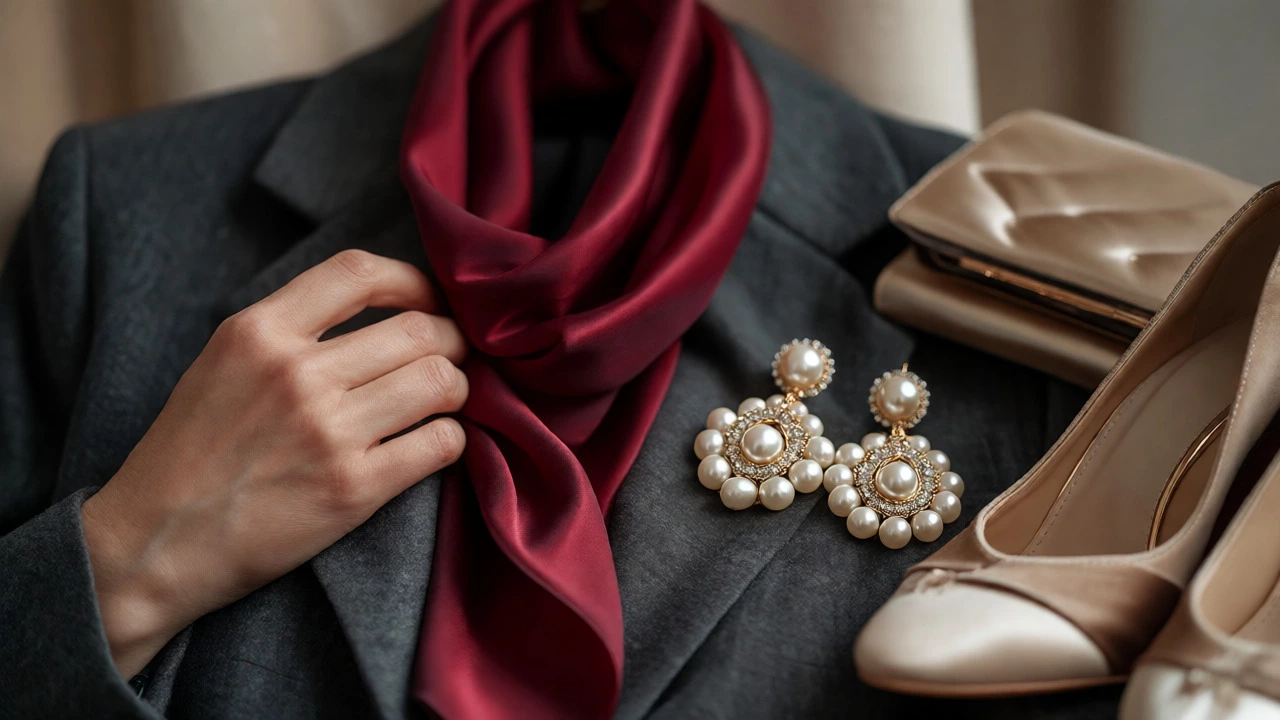
Sometimes, the right color is simply a vehicle for great accessories. If you already own a neutral suit or dress, you can transform its vibe with shoes, jewelry, and a clutch. A navy suit becomes festive with gold earrings and a burgundy tie or scarf. A grey dress gains energy with statement pearls or a bright brooch.
Comfort is crucial here. You’ll be standing, hugging, dancing, and eating for hours. Choose shoes you can actually walk in. Break them in weeks before the wedding. And remember, your face is the focal point in portraits. Keep makeup natural but polished, ensuring your skin tone complements your chosen outfit color rather than clashing with it.
Common Pitfalls to Avoid
- Wearing the same color as the bridesmaids: Unless specifically asked to, try to differentiate yourself slightly. You want to stand out as family, not blend into the bridal party.
- Ignoring the dress code: If the invitation says "Black Tie," a sundress won’t cut it, regardless of the color. If it says "Casual," a tuxedo might be overkill.
- Choosing uncomfortable fabrics: Synthetic materials that trap heat or itchiness can ruin your day. Prioritize natural fibers like cotton, silk, wool, or high-quality blends.
- Last-minute shopping: Start looking at least three months in advance. Alterations take time, and popular sizes sell out quickly.
Final Thoughts on Confidence
At the end of the day, the best color is the one that makes you feel confident and joyful. When you feel good, you radiate happiness, which translates beautifully in photographs and interactions with guests. Don’t stress over minor deviations from tradition. Focus on being present, supportive, and stylish in a way that feels authentic to you.
Can the groom's mother wear the same color as the bridesmaids?
It is generally recommended to avoid wearing the exact same color as the bridesmaids to distinguish yourself as family. However, wearing a similar hue or a complementary shade is perfectly fine and often encouraged to maintain visual harmony in photos.
Is it okay to wear black to a wedding as the groom's mother?
Yes, black is widely accepted for evening weddings and formal events. To ensure it looks celebratory rather than somber, choose a dress or suit with interesting details like lace, sequins, or vibrant accessories. Avoid plain, matte black if the wedding is very casual or daytime-focused.
Should the mothers of the bride and groom match their outfits?
No, they do not need to match exactly. The goal is coordination, not uniformity. Aim for complementary styles and colors that create a balanced look in family photos. Discussing your choices with each other beforehand helps prevent accidental clashes.
What colors should be avoided for the groom's mother?
Avoid pure white, unless explicitly permitted by the bride, as it is traditionally reserved for the bride. Also, steer clear of overly loud neon colors or large, distracting patterns that may draw attention away from the couple in photographs.
How far in advance should I decide my outfit color?
Ideally, start planning your outfit three to six months before the wedding. This allows ample time to communicate with the bride, shop for the perfect piece, and handle any necessary alterations without last-minute stress.