Wedding Flower Color Selector
Choose Your Wedding Details
Recommended Color Palette
Why this combination:
Choosing the right color for wedding flowers isn’t about following every trend on Pinterest. It’s about making something that feels true to you, your season, and the space you’re using. Too many couples stress over this because they think there’s a "right" answer-there isn’t. But there are smart ways to decide that cut through the noise.
Start with your venue
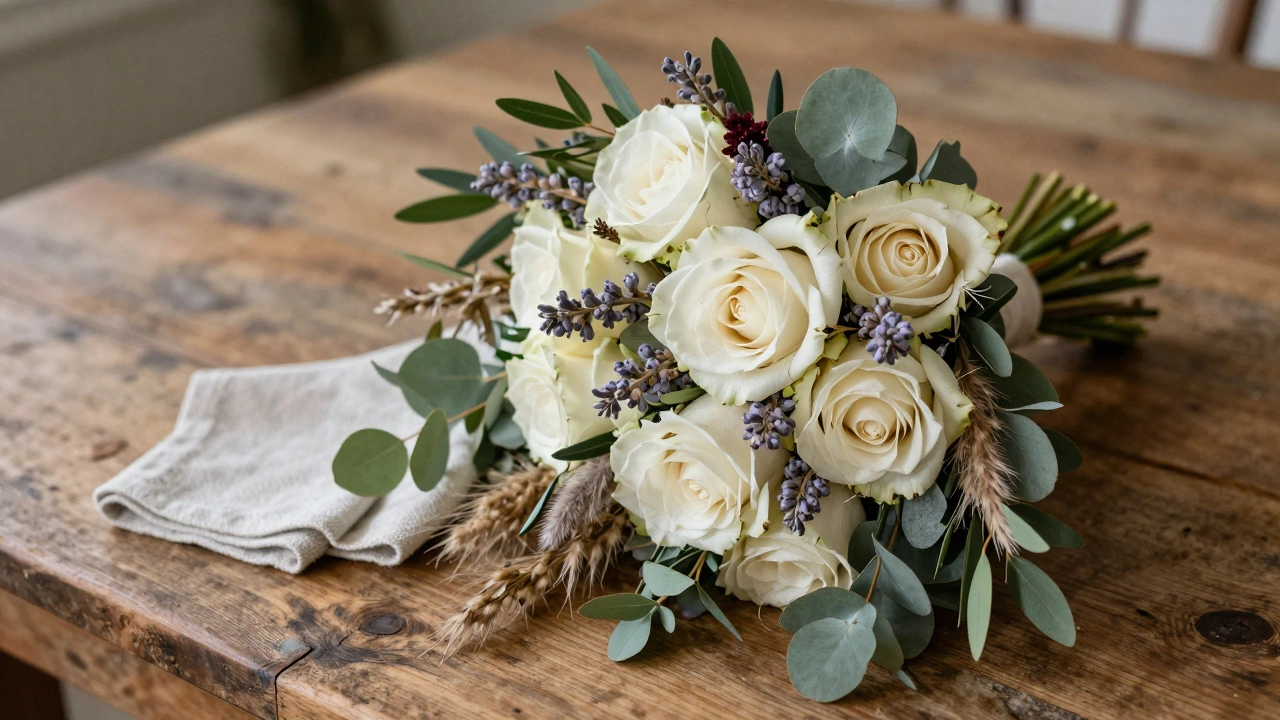
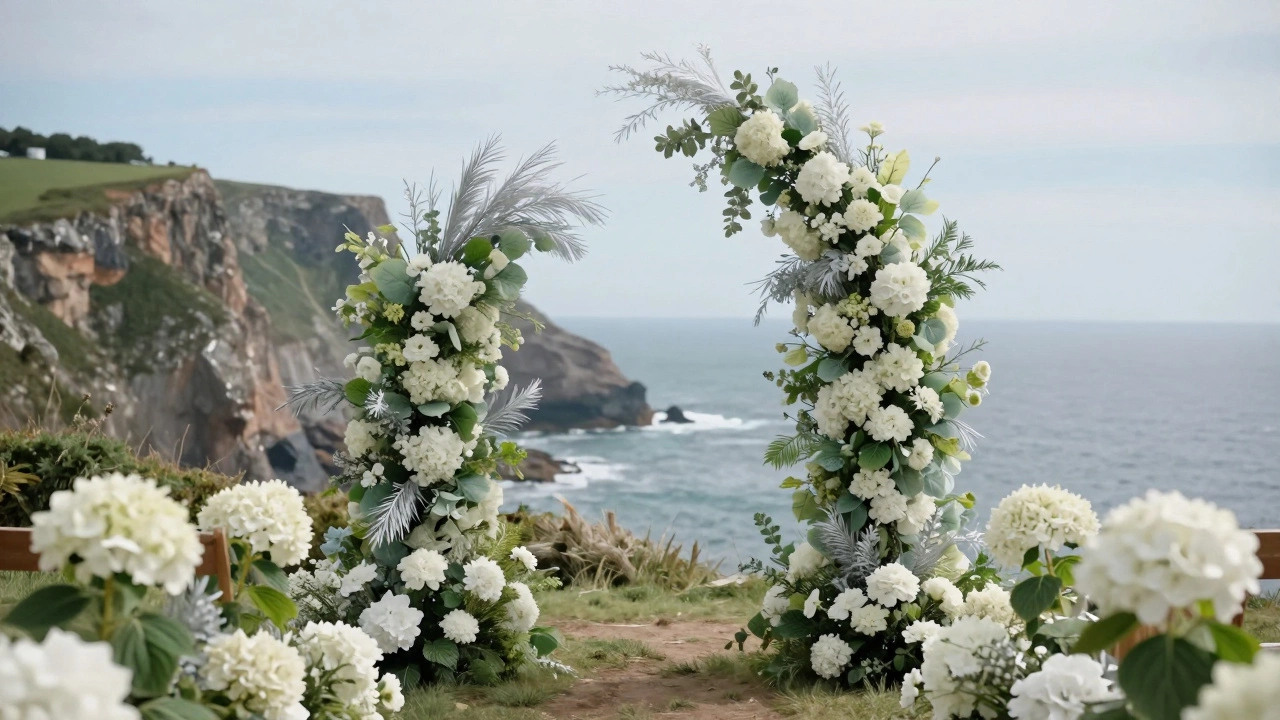
The color of your flowers should work with where you’re having the wedding, not fight it. If you’re getting married in a stone chapel with stained glass windows, deep burgundy or forest green blooms will look rich and timeless. If you’re outdoors in a sunlit garden with white fences and wild grasses, soft pastels like blush, cream, or pale lavender blend in naturally. Don’t force bright fuchsia into a rustic barn with wooden beams and burlap-it’ll feel out of place, not bold.Real couples in Dublin and across Ireland are choosing flowers that match their venue’s existing tones. A wedding at Powerscourt Estate? Think ivory roses, eucalyptus, and muted gold accents. A coastal cliffside ceremony? Seafoam green, white hydrangeas, and silver foliage mirror the ocean and sky.
Season matters more than you think
Flowers change with the seasons-not just in availability, but in mood. In spring, think tulips, peonies, and cherry blossoms in soft pinks and whites. Summer brings bold sunflowers, dahlias, and zinnias in oranges and yellows. Fall? Rich rusts, deep reds, and burnt oranges with dried wheat and berries. Winter weddings lean into evergreens, poinsettias, and white anemones with touches of deep plum or silver.Using seasonal flowers saves money and looks better. A February wedding with tropical orchids imported from halfway across the world doesn’t just cost more-it looks unnatural. A January wedding with white roses, pine, and red berries feels intentional and cozy.
Color psychology isn’t magic-but it’s real
You don’t need to be a designer to understand how colors make people feel. White and cream flowers signal purity and calm. That’s why they’re still the most popular choice. Soft pink adds warmth and romance without being too loud. Deep red says passion and tradition-it works for classic weddings, especially with black or gold accents.Blue is growing fast. Navy or cornflower blue hydrangeas bring a quiet sophistication, especially in modern or minimalist weddings. Purple? It’s not just for royalty anymore. Lavender and plum tones add depth and feel both elegant and a little unexpected. And don’t overlook green. Eucalyptus, ferns, and even artichokes are now used as the main floral element in many weddings, giving a fresh, organic feel.
Match your wedding palette, not the other way around
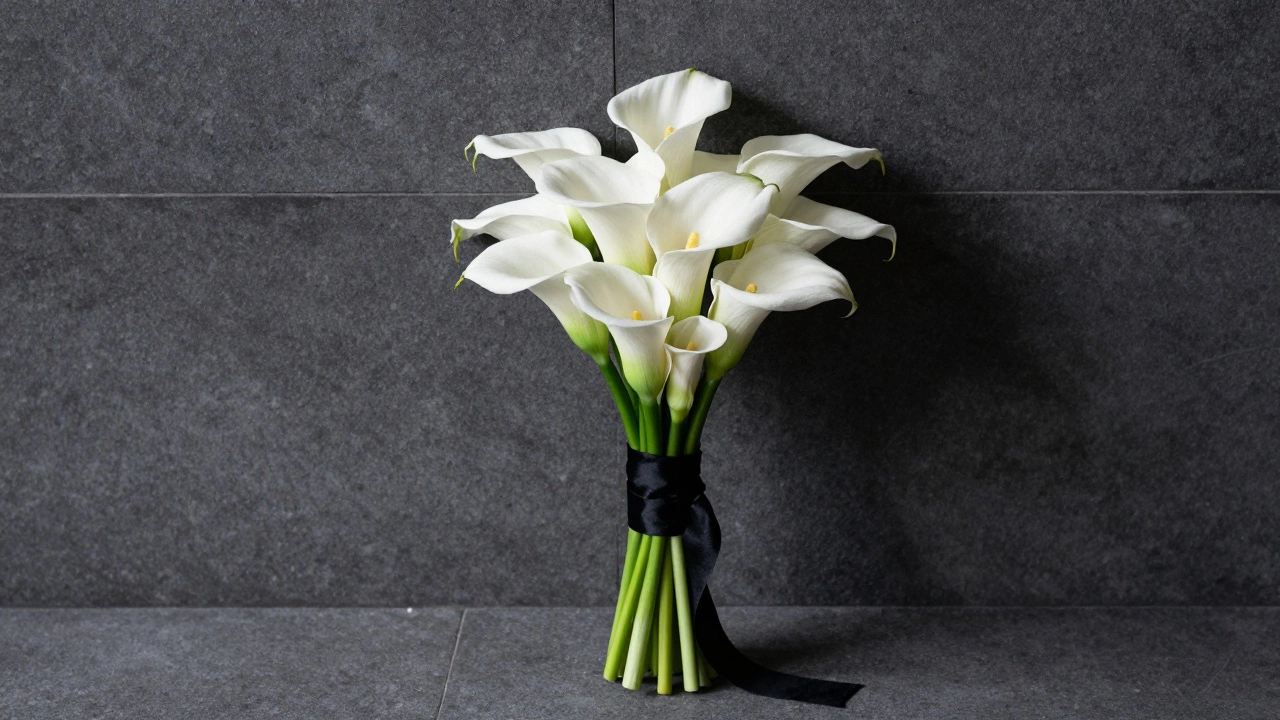
Your flowers shouldn’t be the first thing you pick. Start with your dress, your bridesmaids’ dresses, your table linens, or even your invitation colors. Then build your floral palette around those. If your bridesmaids are wearing sage green, your bouquets can include sage-toned roses and dusty miller. If your invitations are printed in charcoal gray, white and black calla lilies will feel intentional, not random.One couple in Galway used navy blue as their main color. Their florist used navy delphiniums, white ranunculus, and silver brunia. The result? A look that felt curated, not cookie-cutter. It didn’t look like every other wedding-they looked like themselves.
Forget white-only unless it’s your thing
Pure white weddings are beautiful, but they’re not the only option. Many couples now mix in at least one other color-even if it’s just a single stem of deep red in an otherwise white bouquet. That tiny pop adds soul. A single red rose in a bridal bouquet can mean something personal: a grandmother’s favorite flower, a tribute, or just a little rebellion against tradition.And if you’re worried about white looking too plain? Add texture. Use different kinds of greenery. Mix velvety ranunculus with spiky thistles. Tuck in dried lavender or wheat. It’s not about color-it’s about depth.
What colors to avoid
There are no hard rules, but some colors rarely work well in wedding flowers-and for good reason. Bright neon pink or electric blue can look like a birthday party, not a wedding. Overused colors like hot pink and lime green in the same arrangement feel dated. And while gold and silver accents are fine, overdoing metallics in flowers (like spray-painted petals) looks cheap and unnatural.Also avoid colors that clash with your skin tone. If you have cool undertones, avoid warm oranges or yellows too close to your face in your bouquet. If you have warm skin, steer clear of icy blues or purples that wash you out. Your florist can help with this-bring a photo of your dress and your makeup.
Real examples from 2025 weddings
A couple in Kilkenny chose terracotta, cream, and olive for their autumn wedding. Their bouquets had dried pampas grass, orange ranunculus, and olive branches. They didn’t use a single red or pink flower. Guests said it felt like a warm hug. Another in Cork used all-white flowers with black ribbon ties and black vases. The contrast was dramatic but not harsh. It looked modern, editorial, and totally intentional. And a young couple in Galway had their flowers dyed in gradient ombre tones-from pale yellow to deep peach. It wasn’t traditional, but it matched their art project wedding theme. It worked because it was personal.What your florist needs to know
Don’t just say, “I want pretty flowers.” Tell them:- What your dress looks like (color, fabric, neckline)
- Where the ceremony and reception are
- What time of year it is
- Any colors you love or hate
- Whether you want soft and romantic or bold and modern
A good florist will ask you these questions anyway. But if you come prepared, you’ll get better results faster.
Final tip: Trust your gut
The best wedding flowers aren’t the most expensive or the trendiest. They’re the ones that make you stop and smile when you see them. If you see a bouquet and think, “That’s us,” that’s the one. Don’t overthink it. Don’t ask ten people for opinions. Pick what feels true to you-and let the rest fall into place.What are the most popular wedding flower colors in 2026?
In 2026, the most popular wedding flower colors are soft neutrals like cream, ivory, and warm beige, paired with muted earth tones such as terracotta, olive green, and dusty lavender. Deep burgundy and navy blue are also trending for their rich, timeless feel. White remains classic, but it’s rarely used alone-most couples now add at least one subtle accent color for depth and personality.
Should wedding flowers match the wedding dress?
They don’t have to match exactly, but they should complement each other. If your dress is ivory with lace details, cream and blush flowers will harmonize. If your dress is pure white and modern, black or dark green accents in the bouquet can create contrast. The goal is balance-not sameness. Avoid colors that compete with your dress’s fabric or silhouette.
Can I use artificial flowers for my wedding?
Yes, and more couples are choosing them for practical reasons. High-quality silk or dried flowers look realistic and last forever. They’re great for outdoor weddings where wind or heat could damage fresh blooms. They also work well for color schemes that are hard to find in nature, like bright teal or metallic gold. Just make sure they’re not cheap-looking-invest in real craftsmanship.
Are pastel flowers still in style?
Pastels aren’t going away-they’re just being used differently. Blush pink, mint, and lavender are now mixed with darker tones like charcoal, rust, or deep green to add contrast. A bouquet of only pastels can look dated. The modern look pairs soft hues with texture, structure, and depth. Think blush peonies with black branches or lavender sprigs with dried wheat.
How many colors should I use in my wedding flowers?
Stick to two or three colors max. More than that gets messy. One main color (like cream), one accent (like burgundy), and one texture element (like eucalyptus) is a foolproof combo. If you want more variety, use different shades of the same color-like pale pink, rose, and deep rose-instead of jumping to unrelated hues.