Groom's Suit Style Finder
Wedding Details
Select Your Options
We'll generate a personalized recommendation.
Recommended Color
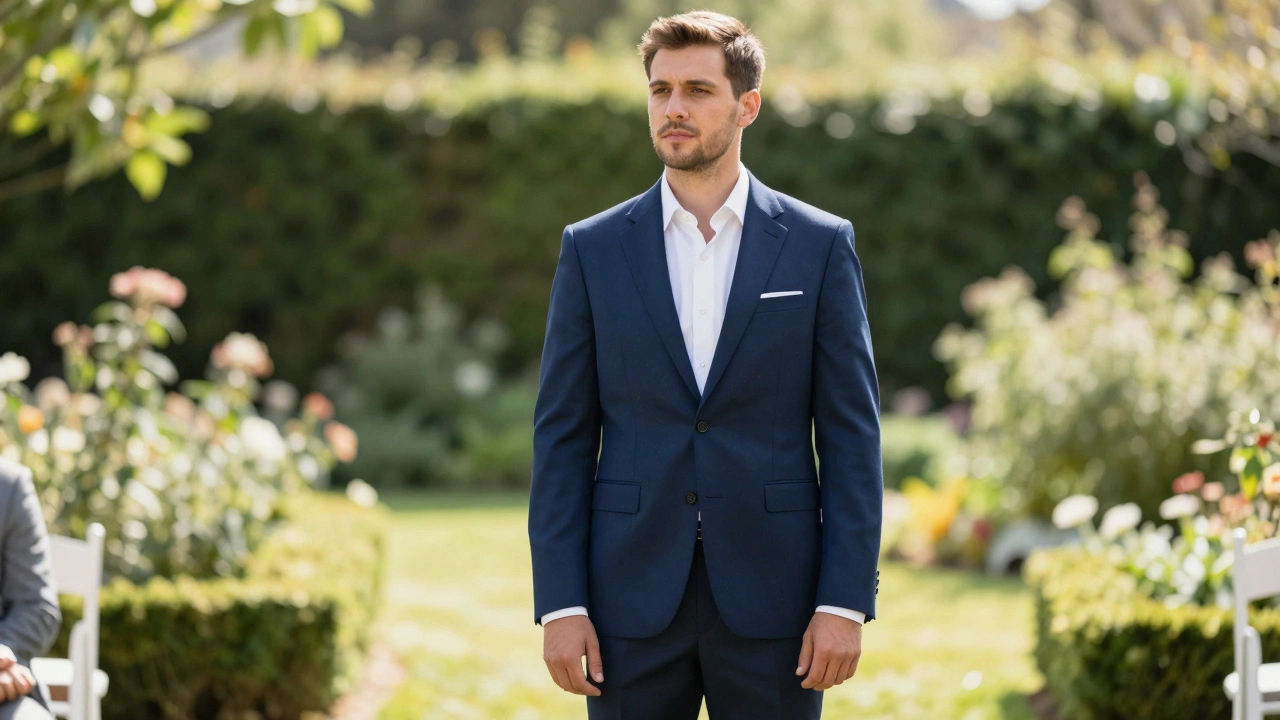
Navy Blue
Best Fabric
Wool Blend
Styling Tips
- • Pairs well with white shirt
- • Classic red tie option
Walking down the aisle is a moment you’ll remember forever. But before you get to that emotional peak, there’s a practical question that often causes more stress than it should: what color suit should you actually wear? It sounds simple, right? Just pick black or navy. But weddings in 2026 are less about rigid rules and more about personal style, venue vibes, and seasonality.
Picking the wrong shade can make you look like you’re attending your own funeral (too dark) or a casual brunch (too light). Picking the right one makes you feel confident, sharp, and perfectly aligned with the tone of your big day. Let’s break down exactly how to choose the perfect hue based on where you’re getting married, when it is, and who you’re marrying.
The Golden Rule: Match the Formality Level
Before you even think about trends, you need to define the dress code. This is the anchor for every other decision you make. If you ignore this, no amount of stylish accessories will save the look.
| Dress Code | Recommended Colors | What to Avoid |
|---|---|---|
| White Tie (Ultra-Formal) | Black Tailcoat with white waistcoat | Any other color; jackets must be tailcoats |
| Black Tie (Formal) | Black or Midnight Blue Tuxedo | Suit jackets, grey, brown, or loud patterns |
| Formal / Evening | Charcoal Grey, Navy Blue, Black | Light grey, beige, or linen textures |
| Semi-Formal / Daytime | Medium Grey, Navy, Olive Green | Tuxedos or overly casual shorts |
| Casual / Beach | Light Grey, Beige, Pastel Blues | Heavy wool fabrics or dark black suits |
If your invitation says "Black Tie," do not show up in a charcoal suit. It’s a tuxedo event. If it’s a Saturday afternoon garden party, a midnight blue tuxedo might feel out of place. Start here, and your choices narrow down significantly.
Navy Blue: The Safest Bet for Most Grooms
If you want one color that works almost everywhere, go with navy. It’s versatile, slimming, and photographs beautifully. Unlike black, which can sometimes look flat or severe in daylight photos, navy has depth. It catches the light just enough to give dimension to your shoulders and chest.
A Navy Suit works for spring, summer, autumn, and winter. In the warmer months, opt for a lightweight wool or cotton blend. In winter, a heavier wool fabric adds warmth and texture. Pair it with a crisp white shirt for a classic look, or a light blue shirt for a softer contrast. It pairs effortlessly with most bridesmaid dresses, whether they’re wearing blush, burgundy, or sage green.
Why does navy work so well? Because it’s authoritative without being intimidating. It says "I’m dressed up" without screaming "look at me." For grooms who are nervous about standing out too much, navy is the comfort zone that still looks expensive.
Grey: From Charcoal to Light Silver
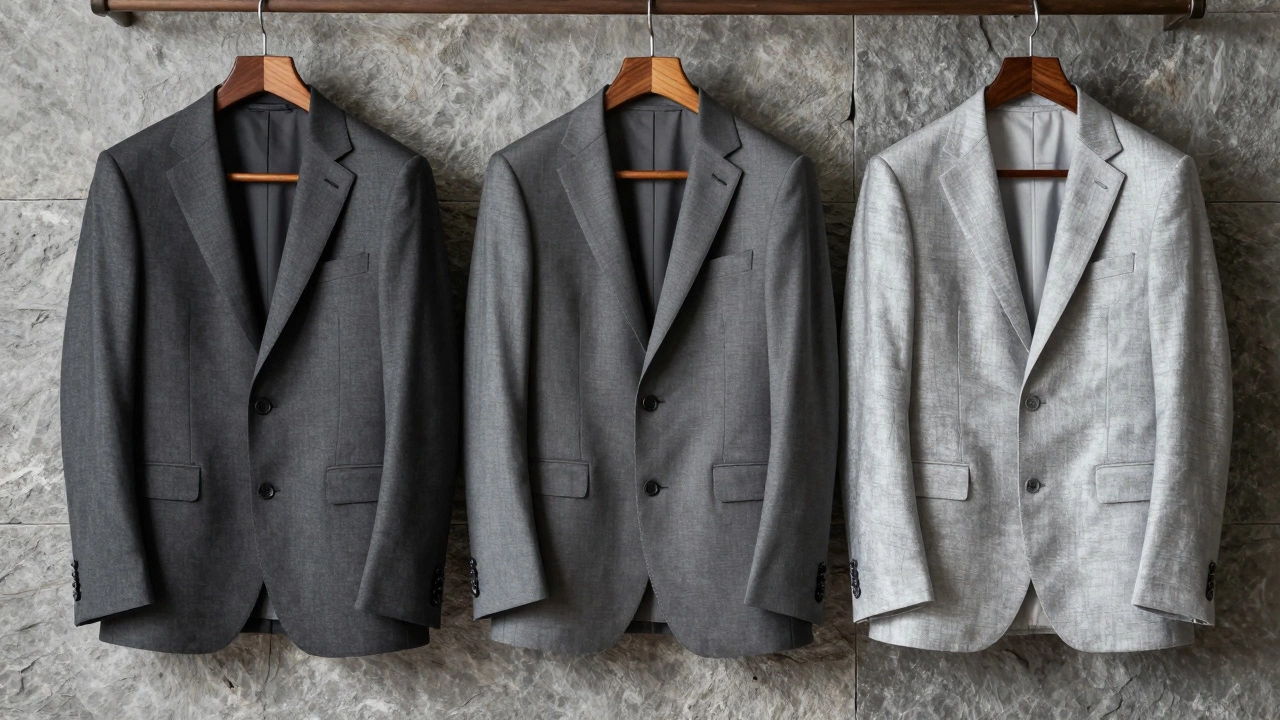
Grey is the chameleon of suit colors. Its effectiveness depends entirely on the shade you choose. Darker greys lean formal; lighter greys lean relaxed.
- Charcoal Grey: This is the second-most formal option after black. It’s perfect for evening weddings, winter ceremonies, or urban venues like hotels and ballrooms. It’s sophisticated and serious. If you’re having a December wedding in a city center, charcoal is your best friend.
- Medium Grey: Also known as "steel" or "slate" grey, this is the ultimate all-rounder. It works for daytime church weddings, outdoor barns, and semi-formal receptions. It’s less harsh than charcoal but still polished.
- Light Grey: Ideal for spring and summer. A pale silver or ash grey suit looks airy and modern. However, be careful with stains-light grey shows wine spills and grass dirt easily. Stick to this if you’re confident in your venue’s cleanliness and your own coordination.
One pro tip: avoid matching your grey suit exactly to the bride’s bouquet if it’s a similar tone. You don’t want to blend into the background decor. Aim for contrast.
Black: When to Wear It (And When Not To)
There’s a myth that grooms should always wear black. In reality, black suits are tricky. They are associated with funerals, corporate boardrooms, and waitstaff uniforms. Wearing a black suit to a daytime wedding can look somber or mismatched with the celebratory vibe.
However, black is appropriate in two specific scenarios:
- Black Tie Events: As mentioned earlier, a black tuxedo is required. Note that a tuxedo is different from a black suit. Tuxedos have satin lapels and specific trousers. A regular black suit jacket with matte lapels is not a tuxedo.
- Evening Urban Weddings: If your reception is in a sleek city loft or a high-end hotel ballroom after sunset, a black suit can look sharp and modern, especially if paired with a bold tie or pocket square.
For most other weddings, skip the black suit. Choose charcoal or navy instead. You’ll look more festive and less like you’re heading to a business meeting.
Bold Choices: Brown, Olive, and Pastels
Wedding fashion in 2026 embraces personality. If you’re having a rustic, bohemian, or beach wedding, traditional navy and grey might feel too stiff. That’s where bolder colors come in.
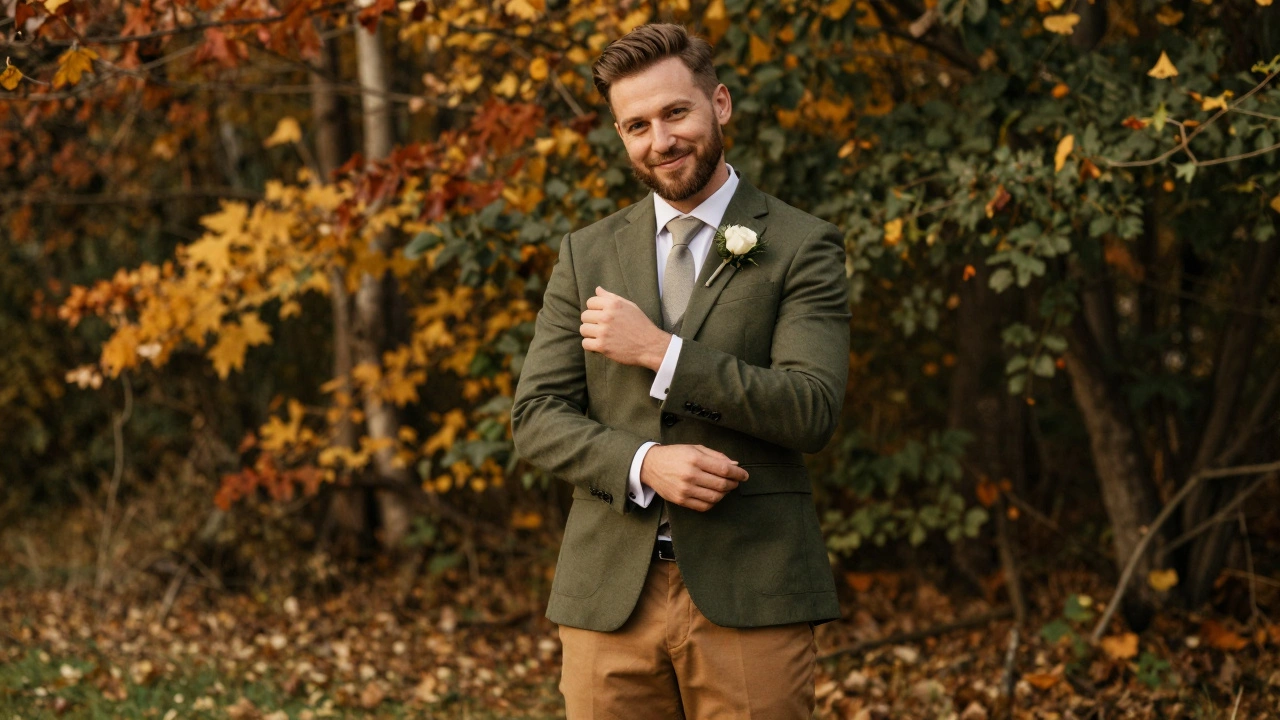
Olive Green: This earthy tone is perfect for woodland, forest, or garden weddings. It complements natural surroundings beautifully. An olive blazer paired with grey or tan trousers creates a smart-casual look that feels intentional and stylish. It’s particularly popular for autumn weddings when the leaves are turning.
Brown: Once considered a fashion faux pas, brown suits are making a comeback for casual and vintage-themed weddings. A chocolate brown suit looks rich against autumn foliage. A camel or tan suit works well for summer beach weddings. Just ensure the fabric is high-quality; cheap brown fabric can look muddy.
Pastels: Soft blues, dusty pinks, and mint greens are great for spring and early summer. These colors feel light and joyful. They photograph wonderfully in bright sunlight. If you choose a pastel suit, keep the rest of your outfit neutral-white shirt, brown shoes-to let the color shine without overwhelming your appearance.
Seasonal Guidelines for Suit Colors
The time of year plays a huge role in how a suit color is perceived. Here’s a quick cheat sheet to match your suit to the seasons:
- Spring: Light grey, pastel blue, lavender, or medium grey. Fabrics should be lightweight wool or linen blends.
- Summer: Beige, tan, light grey, or navy (in lightweight fabric). Avoid heavy blacks and charcoals unless it’s an evening event.
- Autumn: Olive green, rust, deep navy, charcoal, or brown. Heavier fabrics like tweed or flannel add texture and warmth.
- Winter: Charcoal, black, midnight blue, or deep burgundy. Velvet accents on lapels or waistcoats add a luxurious touch for cold-weather weddings.
Ignoring the season can make you look out of sync. Imagine wearing a light beige linen suit in a snowy December wedding-it signals carelessness. Conversely, a heavy black wool suit in July screams discomfort.
Coordinating With the Bride and Wedding Party
Your suit doesn’t exist in a vacuum. It needs to harmonize with the bride’s dress and the wedding party’s attire. Communication is key here.
If the bride is wearing a traditional white gown, almost any suit color works. But if she’s choosing ivory, champagne, or blush, avoid suits that clash. For example, a warm-toned champagne dress pairs better with navy or taupe than with cool-toned steel grey.
Consider the groomsmen too. If they’re wearing suits, should you match them exactly? Traditionally, the groom stands out by wearing a slightly different shade or a unique accessory. Maybe they wear navy, and you wear charcoal. Or everyone wears grey, but you add a patterned waistcoat. This subtle distinction highlights your role without creating chaos.
Also, think about the bridesmaids’ dresses. If they’re wearing strong colors like emerald green or royal purple, a neutral suit (navy or grey) balances the palette. If they’re in pastels, you can afford to wear a slightly bolder suit color.
Fabric Matters as Much as Color
You can have the perfect shade, but if the fabric is wrong, the suit will fail. Fabric affects how color appears under different lighting conditions.
Wool: The gold standard. It drapes well, resists wrinkles, and holds color deeply. Super 100s to Super 150s wool is ideal for most weddings. It looks expensive because it moves naturally with your body.
Linen: Great for summer, but it wrinkles easily. A wrinkled linen suit can look messy rather than relaxed. If you choose linen, embrace the wrinkles-they’re part of the charm. Linen also fades quickly in sun, so stick to darker shades if you’re worried about longevity.
Cotton: Casual and breathable. Good for daytime garden parties. It doesn’t drape as elegantly as wool, so it’s less formal. Opt for high-thread-count cotton for a sharper look.
Velvet: Reserved for winter or evening events. Velvet absorbs light, making colors appear richer and deeper. A velvet navy or burgundy blazer adds instant glamour.
Final Tips for Choosing Your Groom Suit Color
Choosing your suit color isn’t just about aesthetics; it’s about feeling comfortable and confident. Here are some final thoughts to guide your decision:
- Try it on: Colors look different on hangers than they do on your body. Visit a tailor or boutique and see how the shade interacts with your skin tone. Some navies wash people out; others enhance their features.
- Think about photos: Will you be outdoors? Indoor lighting changes how colors appear. Ask your photographer for advice if you’re unsure.
- Invest in quality: A well-tailored mid-range suit looks better than a poorly fitted designer one. Fit is king.
- Accessories matter: Your tie, pocket square, and shoes can shift the entire vibe. A navy suit with a red tie looks classic; with a grey tie, it looks modern.
Remember, there’s no single "right" answer. The best suit color is the one that makes you feel like the best version of yourself on your wedding day. Whether you go classic navy, bold olive, or timeless charcoal, own it with confidence.
Can a groom wear a black suit to a daytime wedding?
It’s generally discouraged. Black suits are associated with evening events or funerals. For daytime weddings, opt for navy, charcoal, or medium grey to match the lighter, celebratory atmosphere.
What is the most versatile suit color for a groom?
Navy blue is the most versatile. It works for almost any season, venue, and formality level (except ultra-formal white tie). It photographs well and pairs easily with various shirt and tie combinations.
Should the groom’s suit match the groomsmen’s suits?
Not necessarily. While matching is common, many grooms choose a slightly different shade or add a unique accessory (like a waistcoat or patterned tie) to stand out subtly from the wedding party.
Is it okay to wear a brown suit to a wedding?
Yes, especially for casual, rustic, or autumn weddings. Chocolate brown or tan suits look stylish in these settings. Avoid brown for formal evening events or traditional church weddings.
What suit color is best for a beach wedding?
Light colors like beige, light grey, or pastel blue work best. Choose lightweight fabrics like linen or cotton blends to stay cool. Avoid dark, heavy wools that absorb heat.
How do I know if my suit color clashes with the bride’s dress?
Compare the undertones. Warm dresses (ivory, champagne) pair well with warm suits (taupe, brown, navy). Cool dresses (pure white, silver accents) pair well with cool suits (charcoal, steel grey). When in doubt, ask your bride or planner for input.
Can I wear a colored suit to a formal wedding?
Only if the color is dark and sophisticated, like midnight blue or deep burgundy. Bright or pastel colors are too casual for formal events. Stick to traditional neutrals for black-tie or white-tie occasions.