Wedding Flower Symbolism Decoder
Select up to 3 blooms to create your perfect bouquet narrative.
Roses
Classic Love, Passion, HumilityLilies
Elegant Purity, Renewal, SuccessTulips
Modern Perfect Love, Cheerful ThoughtsOrchids
Luxury Strength, Beauty, FertilityIvy
Greenery Fidelity, AttachmentBaby’s Breath
Filler Everlasting Love, PurityYour Bouquet Story
You’ve probably heard that roses mean love and lilies represent purity. But when you’re standing in a florist shop or scrolling through Pinterest boards, it’s easy to feel overwhelmed by the sheer number of options. Why do we pair specific blooms with such a monumental life event? It turns out, every petal has a story. Choosing the right wedding flower isn’t just about aesthetics; it’s about speaking a silent language that dates back centuries.
If you want your big day to reflect your unique relationship, understanding these symbols can help you make choices that resonate on a deeper level. Let’s break down which blooms carry the weight of tradition and what they actually say to your guests.
The Timeless Rose: More Than Just Red
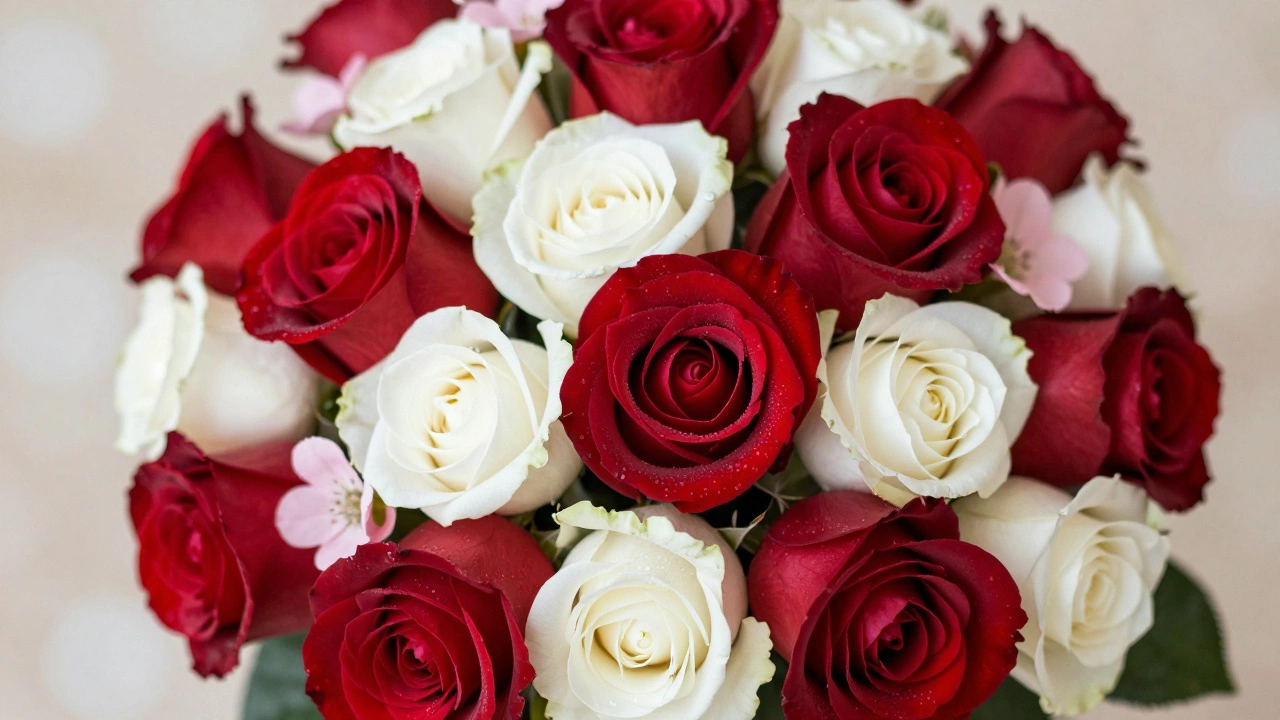
When people think of weddings, they almost always picture roses. They are the heavyweight champions of the bridal world. But did you know that the color changes the message entirely? A red rose is the classic symbol of deep passion and enduring love. It’s bold, unapologetic, and says, “I am committed to you.” If you go with white roses, the meaning shifts toward reverence, humility, and youthfulness. These are often chosen for their elegance and ability to brighten up any arrangement.
Pink roses offer a softer touch, symbolizing grace, gratitude, and admiration. They are perfect if you want to convey appreciation for your partner without the intensity of red. Yellow roses, however, are tricky. In modern times, they can signify friendship and joy, but historically, they were associated with jealousy. Most couples stick to red, white, or pink to avoid any unintended messages.
Can I mix different colored roses in my bouquet?
Absolutely. Mixing colors allows you to combine multiple meanings. For example, pairing red and white roses can symbolize unity and shared commitment, while adding pink brings in an element of gratitude and sweetness.
Lilies: Purity and Renewal
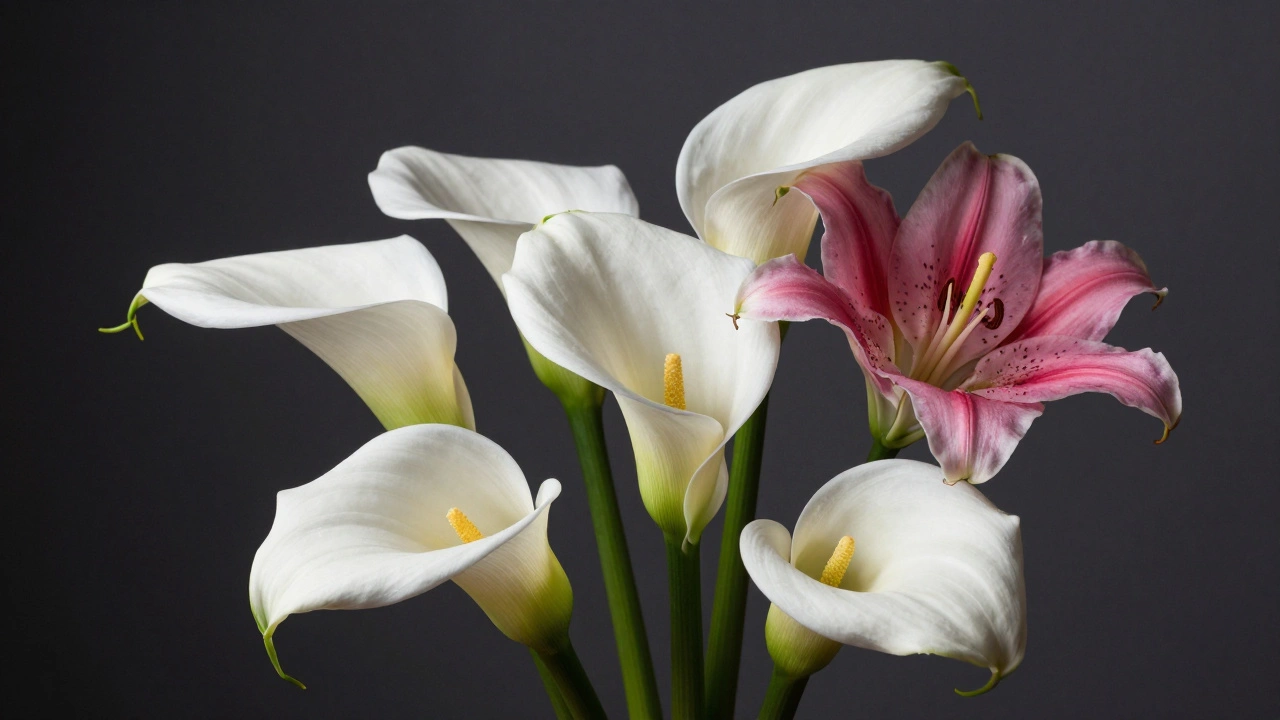
Lilies are another staple in wedding decor, particularly the Stargazer Lily and the Calla Lily. Stargazer Lilies are known for their vibrant pink petals and strong fragrance. They symbolize ambition, success, and prosperity. If you’re starting a new chapter together and looking forward to building a successful future, these are a great choice. However, be mindful of the scent-some guests might be sensitive to strong fragrances.
Calla Lilies, on the other hand, are sleek and elegant. Their smooth, trumpet-shaped blooms represent beauty and magnificence. Historically, they have been linked to rebirth and transformation, making them a fitting choice for a ceremony that marks a significant change in life status. White lilies, including the Easter Lily, are deeply connected to purity and innocence. They are often used in traditional ceremonies where religious symbolism plays a key role.
Tulips: Perfect Love and Declaration
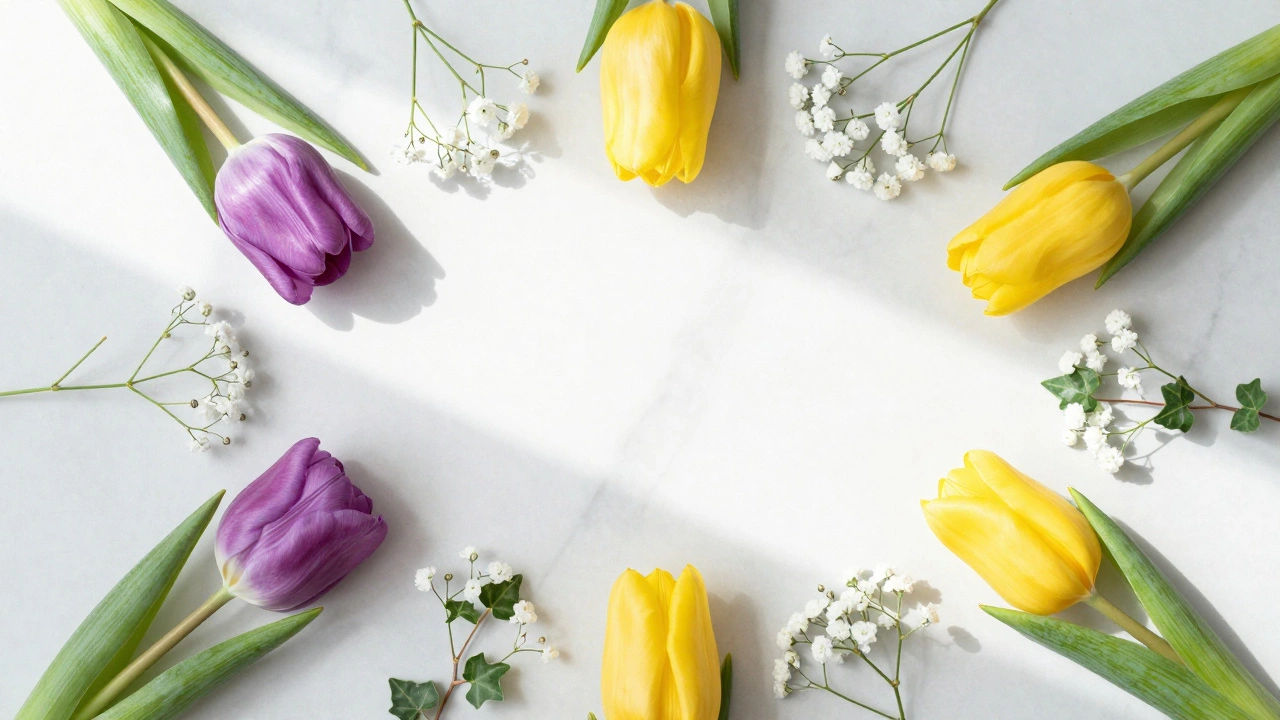
If you prefer something slightly less common than roses or lilies, tulips are a fantastic option. They come in a wide array of colors, each with its own nuance. Red tulips declare perfect love, while yellow tulips represent cheerful thoughts and sunshine. Purple tulips stand for royalty and elegance, making them ideal for a more formal or luxurious wedding theme.
Tulips also have a practical advantage: they are generally more affordable than roses and lilies, especially during their peak season in spring. This makes them a budget-friendly alternative without sacrificing symbolic depth. Plus, their simple, cup-shaped form adds a modern, minimalist touch to bouquets and centerpieces.
Orchids: Luxury and Strength
Orchids exude sophistication. They are often associated with luxury, beauty, and strength. The Phalaenopsis orchid, commonly known as the moth orchid, is a popular choice for weddings because of its long-lasting blooms. Unlike cut flowers that wilt quickly, orchids can last for weeks, making them a durable option for both the ceremony and reception.
In many cultures, orchids symbolize fertility and new beginnings. If you are planning to start a family soon, incorporating orchids into your decor can be a subtle nod to those hopes. Their exotic appearance also adds a touch of drama and uniqueness to your wedding aesthetic, setting you apart from more traditional floral choices.
Ivy and Baby’s Breath: Enduring Bonds
Sometimes, the smallest flowers carry the biggest meanings. Ivy is often used as filler in bouquets, but it represents fidelity, attachment, and eternal love. Its creeping vines symbolize a bond that grows stronger over time. Similarly, Baby’s Breath, with its tiny white clusters, signifies everlasting love and purity. Despite being seen as a humble filler, it plays a crucial role in tying together larger arrangements.
These smaller elements remind us that love isn’t just about grand gestures; it’s also about the quiet, consistent support that sustains a marriage. Including them in your wedding flowers can add layers of meaning that guests might not immediately notice but will appreciate upon reflection.
How to Choose Your Wedding Flowers
Selecting the right flowers involves balancing symbolism with practicality. Consider the season, your budget, and the overall theme of your wedding. Spring weddings might lean towards tulips and daffodils, while autumn could feature chrysanthemums and dahlias. Always consult with your florist to ensure the blooms you choose are available and fresh.
Think about the emotional tone you want to set. Do you want a romantic, passionate vibe (roses), a pure, traditional feel (lilies), or a modern, elegant look (orchids)? Your flowers should reflect your personality as a couple. Don’t be afraid to mix and match to create a unique narrative.
Common Mistakes to Avoid
One common mistake is choosing flowers based solely on color without considering their meaning. Another is ignoring the scent factor. Strongly fragrant flowers like lilies or gardenias can be overwhelming in enclosed spaces. Also, avoid overly complex arrangements that distract from the natural beauty of the blooms. Simplicity often speaks louder than excess.
Finally, don’t forget about the greenery. Leaves and stems provide structure and contrast, enhancing the visual appeal of your flowers. They also contribute to the overall symbolism, representing growth and vitality.
Are there any flowers I should avoid at a wedding?
While personal preference matters, some flowers have negative connotations. For instance, marigolds are often associated with death in certain cultures, and chrysanthemums are sometimes used in funerals. Research cultural sensitivities to ensure your choices are appropriate.
Do wedding flower meanings vary by culture?
Yes, significantly. In Western cultures, white lilies symbolize purity, but in some Eastern traditions, they may be linked to mourning. Always consider your cultural background and that of your guests when selecting blooms.
Can I use artificial flowers for better symbolism?
Artificial flowers can mimic the look of real blooms, but they lack the organic essence and scent. Many couples prefer real flowers for their authenticity and connection to nature, which aligns with themes of growth and new beginnings.
How far in advance should I book my florist?
Ideally, six to twelve months before your wedding. Popular florists book up quickly, especially for peak seasons. Early booking ensures you get your preferred blooms and allows time for detailed consultations.
What is the most expensive wedding flower?
Orchids and rare varieties of peonies tend to be among the most expensive due to their cultivation difficulty and seasonal availability. Roses and lilies are generally more affordable but can vary in price depending on the type and size.