Wedding Flower Finder
Not sure which flowers to choose? Use this tool to find recommendations based on your specific wedding requirements.
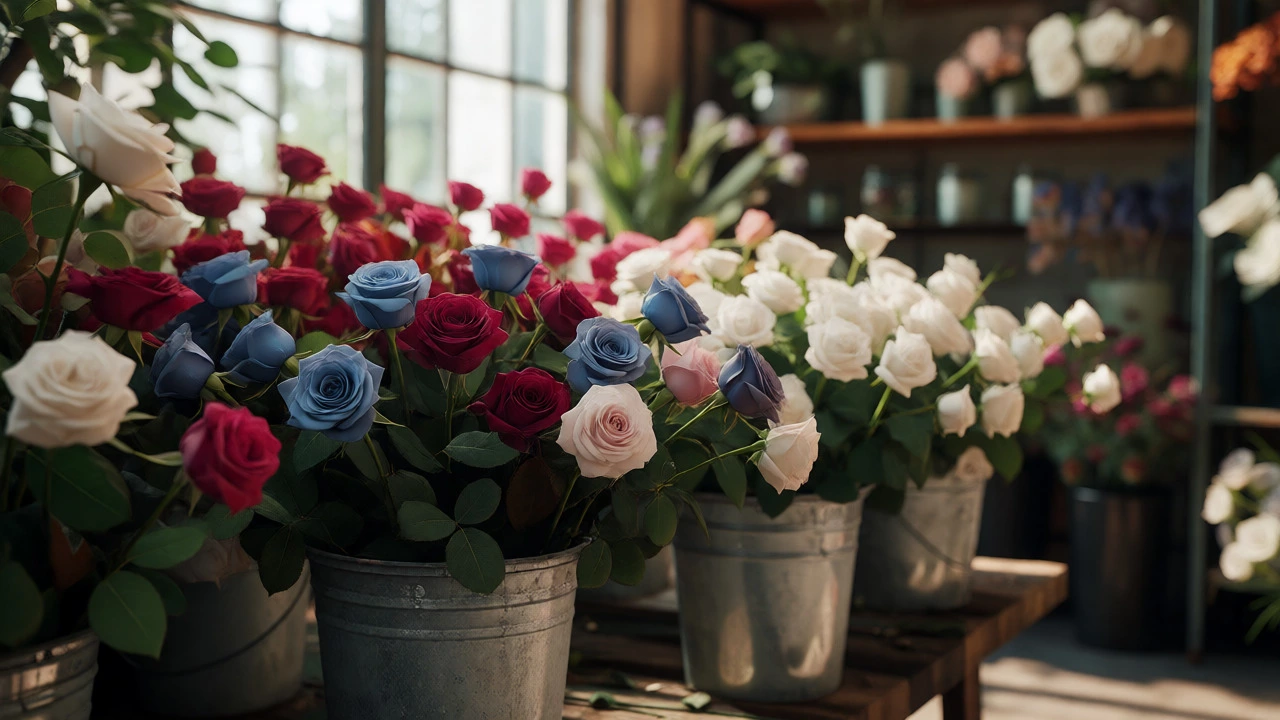
You walk into a florist’s shop, and the air hits you first-sweet, earthy, heavy with scent. Then you see them: buckets upon buckets of stems waiting to be cut, wrapped, and arranged. If you’re planning a wedding, you’ve probably wondered why certain flowers seem to appear in every Pinterest board and Instagram feed. It’s not just because they look pretty. There’s a whole ecosystem of logistics, durability, and cost behind what ends up on your table.
Florists don’t pick flowers randomly. They choose based on availability, how well the flower holds up after being cut, and whether it fits your budget without looking cheap. Let’s break down exactly what flowers do florists use most, so you can make smarter choices for your big day.
The Undisputed King: Roses
If there’s one flower that dominates the wedding industry, it’s the Rose. This isn’t news to anyone who has ever walked past a florist window. But here’s the thing: not all roses are created equal. When florists talk about "standard" roses, they mean the long-stemmed, high-grade varieties grown specifically for bouquets. These are different from the garden roses you might grow in your backyard.
Why do florists love them? Durability. A properly conditioned rose can last days out of water if kept cool. For a wedding, this is critical. You need your bouquet to survive an eight-hour ceremony and reception without wilting or turning brown at the edges. Plus, roses come in every color imaginable thanks to hybridization techniques developed over centuries. Want a dusty blue? Done. Deep burgundy? Easy. White? Classic.
However, roses have a reputation for being expensive. That’s partly true, but also partly myth. The price depends heavily on the season and origin. Dutch-grown roses are consistent but pricey. Ecuadorian roses are larger and longer-lasting but cost more due to transport. Colombian roses are often the sweet spot for value and quality. If you want to save money, avoid peak Valentine’s Day pricing and stick to local seasons where possible.
The Texture Builders: Hydrangeas
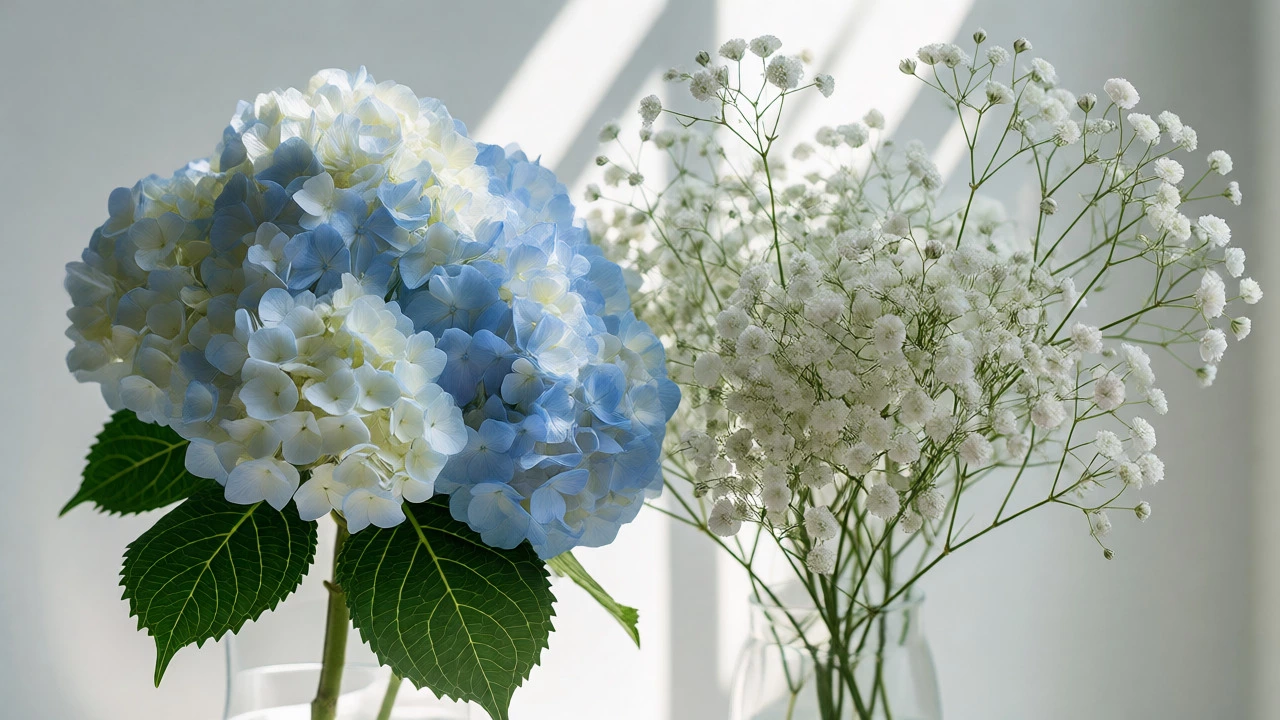
Hydrangeas are another staple in almost every florist’s cooler. They are massive, voluminous blooms that can fill space quickly. If you’re trying to make a small arrangement look lush without spending a fortune on individual stems, hydrangeas are your best friend.
But they come with a warning label. Hydrangeas are thirsty. Very thirsty. They drink water rapidly and wilt fast if left dry. In Dublin, where humidity levels fluctuate, this matters. A hydrangea bouquet left in a hot car for twenty minutes might droop permanently. Florists often recommend using them in centerpieces rather than handheld bouquets unless the event is indoors and climate-controlled.
There are different types. The large mophead hydrangeas are the classic round balls. Lacecap hydrangeas are flatter and more delicate, offering a vintage feel. Oakleaf hydrangeas add interesting texture with their distinctive leaves. Choosing the right type changes the entire vibe of your decor.
The Filler That Isn’t Just Filler: Baby’s Breath
For years, Baby’s Breath (Gypsophila) was seen as the lazy option. Cheap, abundant, and used to pad out arrangements. But recently, it’s had a major comeback. Modern brides are embracing the wild, airy look of Gypsophila, either mixed with other flowers or used entirely on its own for a minimalist aesthetic.
Florists like it because it’s incredibly affordable and durable. It dries well, too, which means you can keep your bouquet as a keepsake. However, traditional florists sometimes avoid it because it can smell faintly of cat urine when crushed-a detail many people don’t know until it’s too late. High-quality, double-flowered varieties reduce this issue significantly.
Seasonal Stars: Peonies and Ranunculus
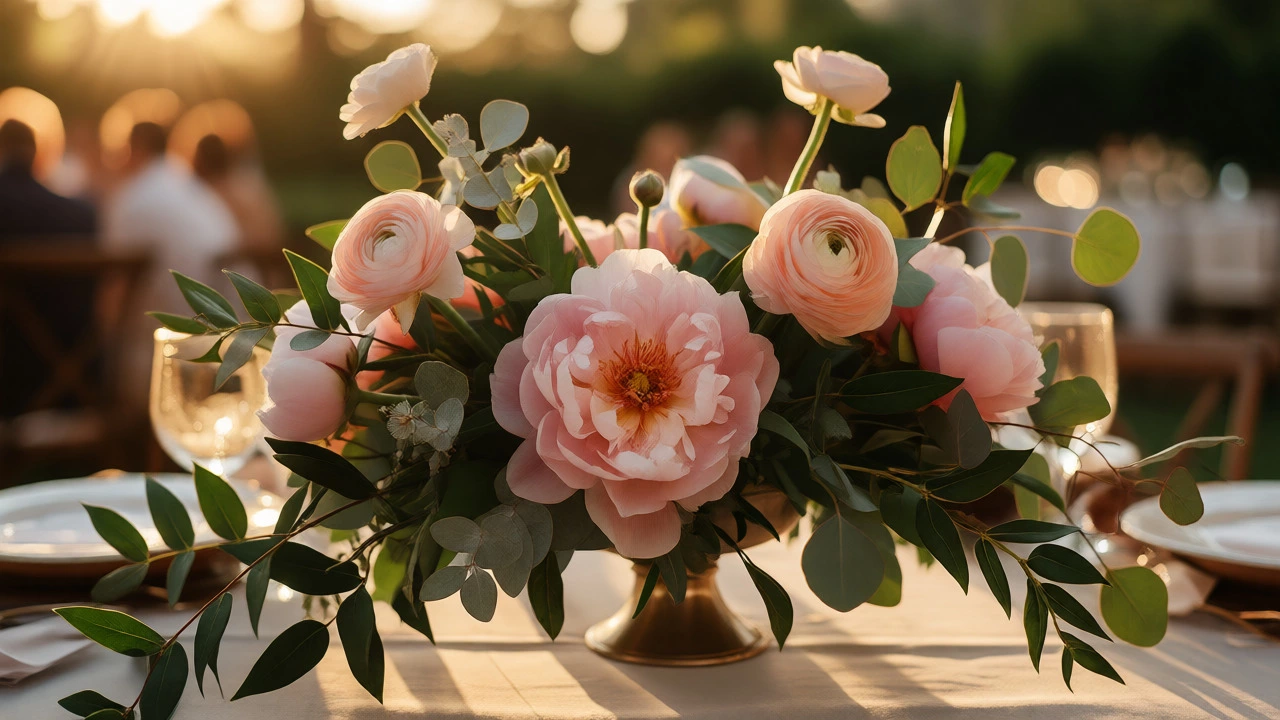
If you’re getting married in late spring or early summer, you’ll hear two names constantly: Peonies and Ranunculus. These are the darlings of luxury weddings. Peonies offer huge, ruffled blooms that scream romance. Ranunculus provide layers of delicate petals that catch light beautifully.
Here’s the catch: they are strictly seasonal. Peonies have a short window, usually May to June in Europe. If you try to force them outside this period, you’ll pay triple the price and risk receiving buds that never open. Ranunculus are available slightly longer but still suffer in heat. In July, they tend to close up or fade quickly. Florists will tell you honestly: if your date falls outside their prime, consider alternatives like dahlias or carnations, which mimic similar textures at a fraction of the cost.
Greenery and Structure: Eucalyptus and Ruscus
No discussion of florist staples is complete without greenery. Eucalyptus, particularly the Silver Dollar variety, became ubiquitous around 2015 and hasn’t gone away. Its silvery-blue leaves add contrast and movement to arrangements. It’s fragrant, soft, and photographs beautifully.
Another favorite is Ruscus. It’s sturdy, dark green, and provides excellent structure. Unlike eucalyptus, which can be brittle, ruscus holds up well in humid conditions. Many florists mix both to balance aesthetics with practicality. Greenery is often overlooked by couples focusing only on blooms, but it makes up nearly 40% of the visual weight in modern floral design.
Comparison of Top Wedding Flowers
| Flower | Cost Range | Durability | Best Season | Ideal Use |
|---|---|---|---|---|
| Roses | Medium-High | High | All Year | Bouquets, Boutonnieres |
| Hydrangeas | Medium | Low-Medium | Summer | Centerpieces |
| Baby’s Breath | Low | High | All Year | Fillers, Minimalist Bouquets |
| Peonies | Very High | Low | Late Spring | Focal Points |
| Eucalyptus | Low-Medium | High | All Year | Garlands, Backdrops |
How to Talk to Your Florist About These Choices
When you sit down with your florist, don’t just say "I want roses." Be specific. Ask about the grade. Ask about the origin. Ask if they are imported or locally sourced. In Ireland, we have some stunning local growers, especially for summer blooms. Supporting local doesn’t always mean cheaper, but it often means fresher.
Also, trust their expertise on substitutions. If you ask for peonies in October, a good florist won’t just charge you extra; they’ll suggest a substitute that captures the same romantic vibe, perhaps a deep pink ranunculus or a lush carnation. Carnations have shed their "cheap gas station" image completely. Modern varieties are ruffled, vibrant, and indistinguishable from peonies to the untrained eye.
Pitfalls to Avoid
- Ignoring Weather: Delicate flowers like tulips or anemones wilt instantly in direct sun. Plan accordingly.
- Overlooking Scent: Some guests may be allergic to strong scents like lilies. Opt for unscented roses or hydrangeas if allergies are a concern.
- Last-Minute Changes: Flowers are perishable goods. Changing your order less than two weeks before the wedding often incurs rush fees or limited availability.
Frequently Asked Questions
Which flower is the cheapest for weddings?
Chrysanthemums and carnations are typically the most affordable options. They are widely available, hardy, and come in many colors. When arranged creatively, they can look far more expensive than they actually are.
Do florists use fake flowers anymore?
Yes, but rarely for main bouquets. High-quality silk flowers are increasingly used for arches or installations that need to stay perfect for multiple days. However, most couples prefer real flowers for the tactile experience and scent.
How far in advance should I book my florist?
For popular dates, especially during peak wedding season (May to September), booking 9-12 months in advance is recommended. This ensures the florist has time to source specific varieties and reserve their schedule.
Can I use grocery store flowers for my wedding?
You can, but it’s risky. Grocery store flowers are often older stock and haven’t been conditioned professionally. They may wilt within hours of cutting. For a once-in-a-lifetime event, professional sourcing is worth the investment.
What is the most popular wedding flower color right now?
Soft neutrals remain dominant. Cream, blush, and sage green are top choices. Bold colors like terracotta and burnt orange are gaining traction for autumn weddings, reflecting a shift toward warmer, earthier palettes.