Flower Bouquet Longevity Calculator
Select Flowers
Bouquet Analysis
Estimated Longevity:
When you’re planning a wedding, the bouquet isn’t just an accessory-it’s a statement. It frames the bride’s hands, echoes the theme, and often becomes one of the most photographed details of the day. But not all flowers work the same way in a bouquet. Some wilt too fast. Others look great in a field but feel out of place in a hand-held arrangement. So what flowers actually look best in a bouquet? The answer isn’t just about beauty-it’s about structure, longevity, scent, and how they hold up under real-world conditions.
Roses: The Classic That Never Fails
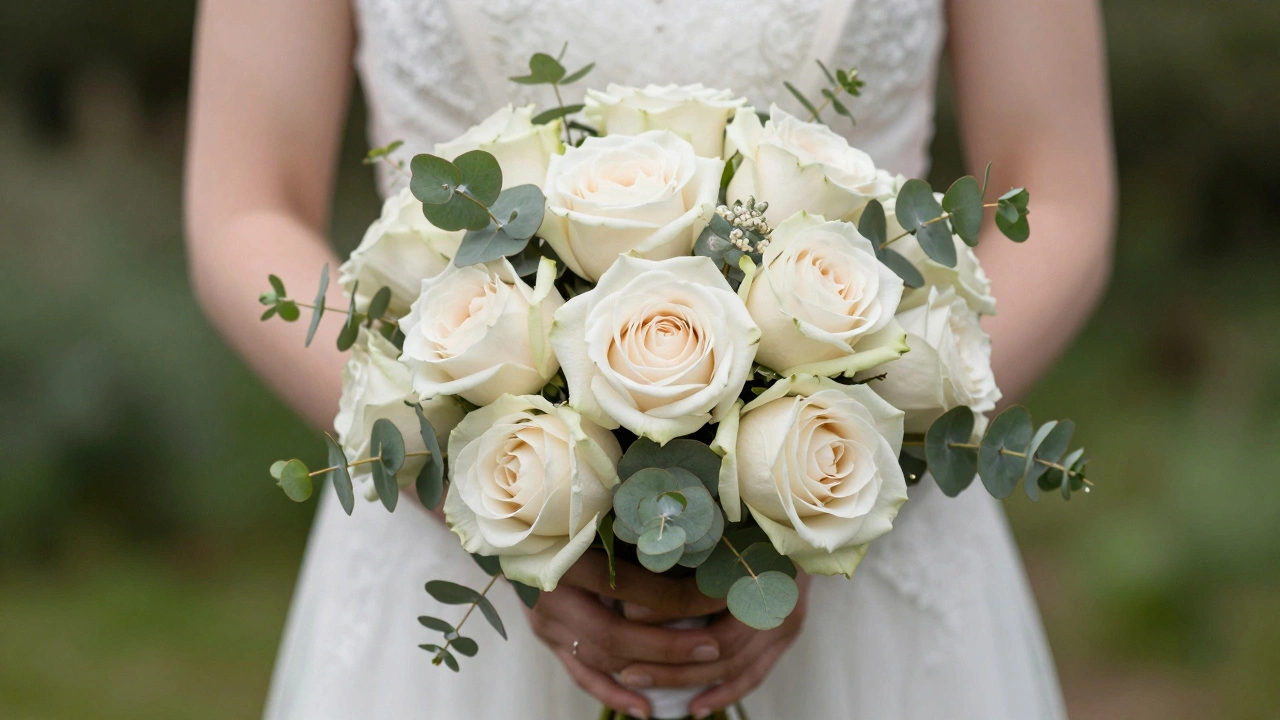
Roses are the go-to for a reason. They’re available year-round, come in dozens of shades, and hold their shape beautifully. A single rose can look elegant on its own, but when grouped in odd numbers-three, five, or seven-they create a full, balanced look. Hybrid tea roses are the most popular for bouquets because of their long stems and tight buds. They open slowly, so if you pick them a day or two before the wedding, they’ll be at peak bloom on the big day. Don’t skip the thorns-trim them cleanly and wrap the stems with floral tape. A bouquet of ivory or blush roses with a touch of eucalyptus is timeless.
Peonies: The Romantic Showstopper
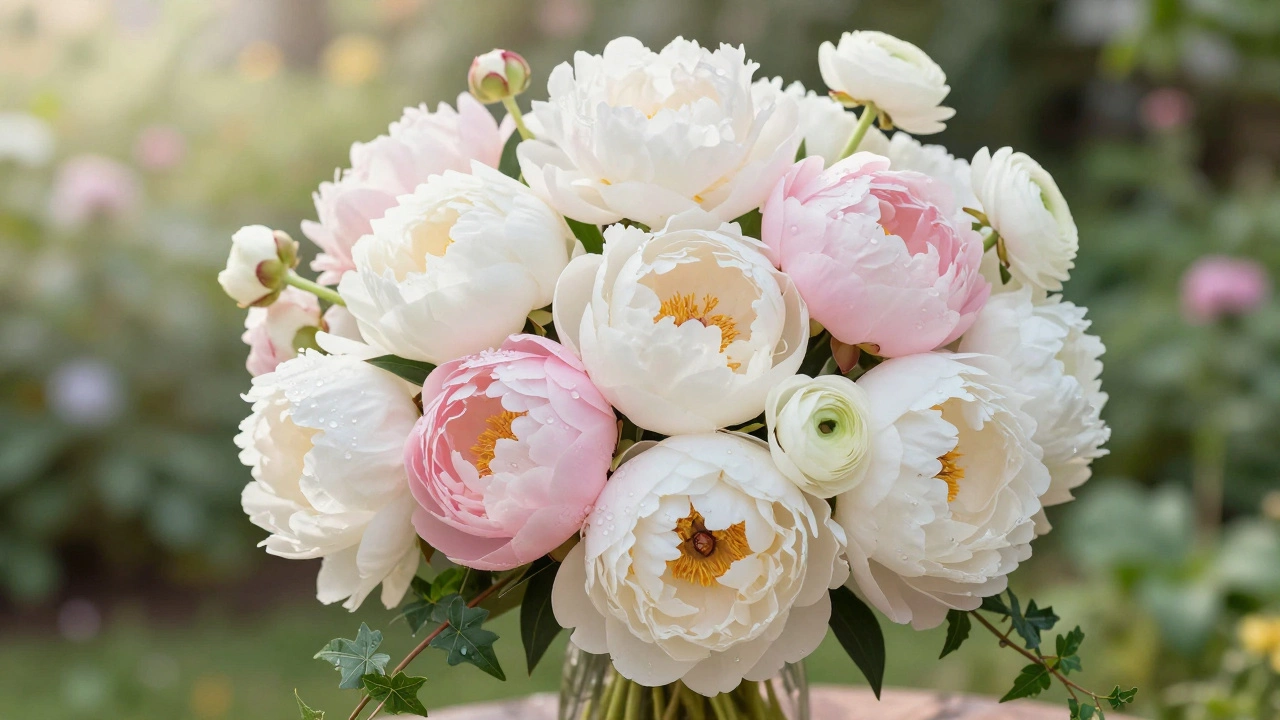
If you want your bouquet to feel lush, soft, and full of texture, peonies are your best bet. Their big, ruffled petals give off a dreamy, romantic vibe that’s perfect for spring and early summer weddings. They’re expensive, yes-but if your budget allows, they’re worth it. A single peony can fill the center of a bouquet, surrounded by smaller blooms like ranunculus or garden roses. The trick? Buy them slightly closed. Peonies bloom fast once they’re out of the fridge, so plan to receive them three days before the event. A peony bouquet with a mix of white and soft pink petals looks like it was pulled from a fairy tale.
Calls: The Elegant Alternative
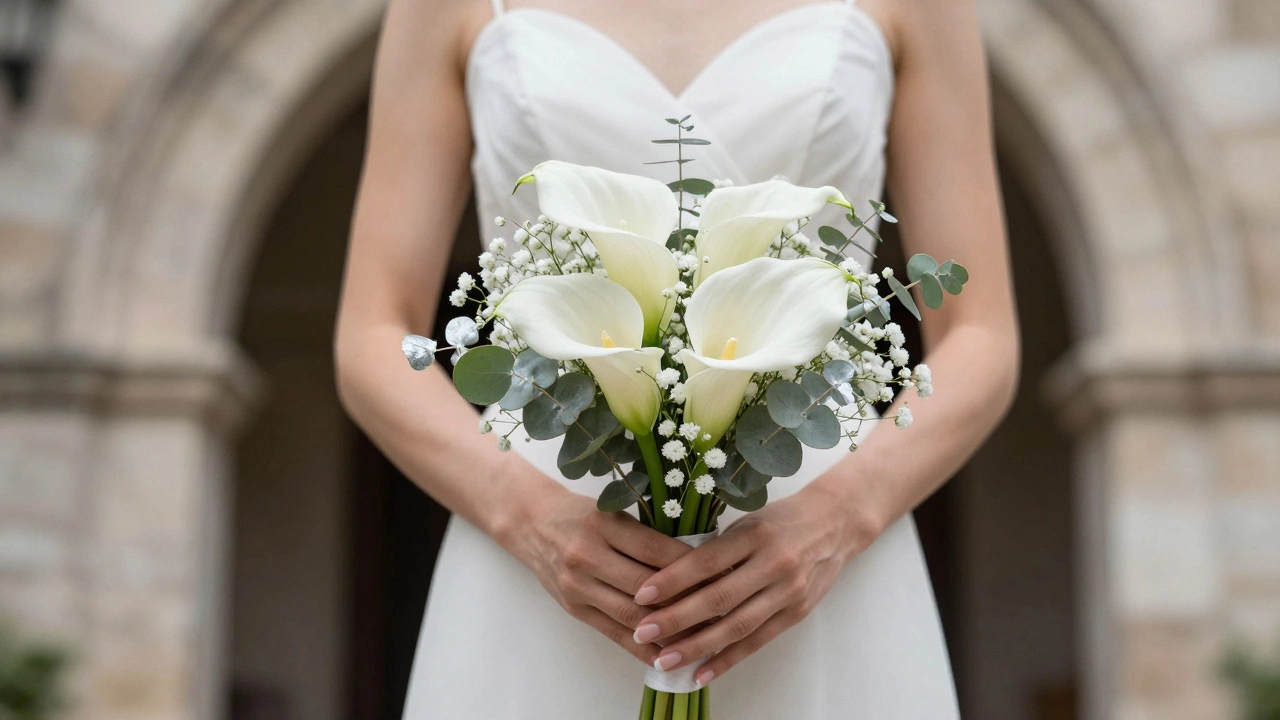
Calla lilies are sleek, modern, and surprisingly durable. Their trumpet shape adds height and drama, making them ideal for minimalist or modern weddings. Unlike soft, fluffy blooms, callas bring structure. They’re perfect if you’re going for a monochrome palette-white callas with black stems look bold and chic. They last up to two weeks in water, which means you can use them in the bouquet, the ceremony arch, and even the reception centerpieces. Just avoid overloading the bouquet with them-they’re strong, so they need room to breathe. One or two callas paired with greenery and a few baby’s breath sprigs create a clean, high-end look.
Orchids: The Luxe Statement
Orchids don’t just look exotic-they last. A single Cattleya or Dendrobium orchid can sit in a bouquet for over a week without wilting. They’re perfect for winter or destination weddings because they’re not affected by heat or humidity like roses or peonies. A bouquet of purple orchids with silver eucalyptus feels luxurious without being over the top. Orchids work best when used as accents, not the main event. Too many, and the bouquet starts to look like a tropical display. One or two orchids mixed with roses or hydrangeas adds just the right amount of glamour.
Hydrangeas: The Fullness Factor
Hydrangeas are the secret weapon for bouquets that need volume. Each bloom is made up of dozens of tiny flowers, giving you a dense, cloud-like shape. They’re ideal for brides who want a big, full bouquet without using dozens of individual stems. Blue hydrangeas are rare and stunning, but they’re not always available. Stick with white or green for more consistent results. They’re heavy, so pair them with lighter blooms like freesia or waxflower to balance the weight. A hydrangea bouquet with a few trailing ivy vines looks like it was plucked from a garden in Provence.
Tulips: The Unexpected Favorite
Tulips might seem too simple, but they’re one of the most underrated bouquet flowers. They bend gracefully, which gives the bouquet movement. They’re also incredibly affordable and available in late winter and early spring-perfect for March or April weddings. A bouquet of red tulips with green stems feels fresh and lively. White tulips with a single sprig of lavender? Pure elegance. The best part? Tulips keep growing after you cut them. If your bouquet looks a little flat the morning of the wedding, just trim the stems and put them in water. They’ll perk right up.
Wildflowers: For the Free-Spirited Bride
Not every bride wants perfection. If you’re drawn to rustic, boho, or countryside weddings, wildflowers are your answer. Think poppies, daisies, Queen Anne’s lace, and yarrow. They’re affordable, seasonal, and full of personality. A bouquet made of wildflowers feels personal-like it was gathered from a field just for you. The key is to keep it loose. Don’t tie it too tight. Let some stems stick out. Add a piece of ribbon or twine for texture. Wildflower bouquets don’t need to be symmetrical. In fact, asymmetry makes them more beautiful.
What to Avoid
Some flowers look amazing in a vase but fall apart in a bouquet. Avoid chrysanthemums-they’re common and cheap, but they look like they belong in a hospital room. Carnations have a strong scent that can overpower the air, and their petals tear easily. Lilies of the valley are fragrant and delicate, but they’re extremely short-lived and prone to wilting in warm weather. And while sunflowers are cheerful, they’re too bulky for most bouquets unless you’re going for a very specific country theme.
Greenery Matters More Than You Think
A bouquet isn’t just about flowers. The greenery is what ties everything together. Eucalyptus is popular for its silvery tone and subtle scent. Ruscus gives structure and stays green for days. Ferns add texture and work well with wildflower bouquets. Don’t skimp on greenery. It fills gaps, hides stems, and adds depth. A bouquet with 60% flowers and 40% greenery looks professional. A bouquet with 90% flowers looks messy.
Seasonality Is Everything
Flowers aren’t available all year in the same quality. In March, you’re looking at tulips, ranunculus, anemones, and early roses. Peonies won’t be ready until May. If you’re having a fall wedding, dahlias and chrysanthemums are your stars. Winter weddings? Try amaryllis, hellebores, or even dried elements like wheat or pampas grass. Your florist should know what’s in season. Don’t insist on peonies in December-your budget will suffer, and the flowers will look sad.
Final Tip: Test Before You Commit
Before you lock in your bouquet design, ask your florist to make a mock-up. Hold it. Walk around with it. Take photos in natural light. Does it feel heavy? Does it look right in your hands? Does it match your dress? A bouquet that looks stunning in a catalog might feel awkward when you’re holding it for three hours. Small tweaks-like swapping one bloom for another or trimming a stem by half an inch-can make all the difference.
What flowers last the longest in a wedding bouquet?
Calla lilies, orchids, and chrysanthemums last the longest-up to two weeks with proper care. Roses and hydrangeas hold up well for 3-5 days if kept cool and hydrated. Tulips actually improve over time, as they continue to grow after being cut. Avoid delicate blooms like lilies of the valley or ranunculus if you need longevity.
Can I mix fresh and dried flowers in a bouquet?
Yes, and it’s becoming a popular trend. Dried elements like pampas grass, bunny tails, or lavender add texture and keep the bouquet looking beautiful for months after the wedding. Use them sparingly-about 20% of the bouquet-to avoid a cluttered look. They’re especially effective in autumn or winter weddings. Just make sure your florist knows how to secure them properly so they don’t break off during the ceremony.
How many flowers should be in a bridal bouquet?
There’s no set number, but most bridal bouquets contain 15-30 stems total, including greenery. A small bouquet might have 8-12 flowers. A large, full bouquet can have 40+ stems. The key is proportion: your bouquet should fit comfortably in your hands and not overwhelm your dress. For a ball gown, go big. For a sheath dress, keep it simple.
Are artificial flowers a good option for weddings?
High-quality artificial flowers have come a long way. If you’re allergic to pollen, having a wedding in a cold climate, or want to reuse the bouquet later, they’re a smart choice. Look for silk flowers with realistic texture and color variation-avoid the shiny, plastic-looking ones. Brands like The Bouqs and Artistic Florists offer custom artificial bouquets that are nearly indistinguishable from real ones. They cost more upfront but last forever.
What’s the best way to preserve a wedding bouquet?
The easiest way is air-drying: hang the bouquet upside down in a dark, dry room for 1-2 weeks. For better results, use silica gel-it preserves color and shape. Some florists offer professional pressing or resin preservation, where the bouquet is encased in a glass dome. If you want to keep the scent, freeze-drying is the best option, though it’s expensive. Don’t try to preserve it in water-it won’t work.