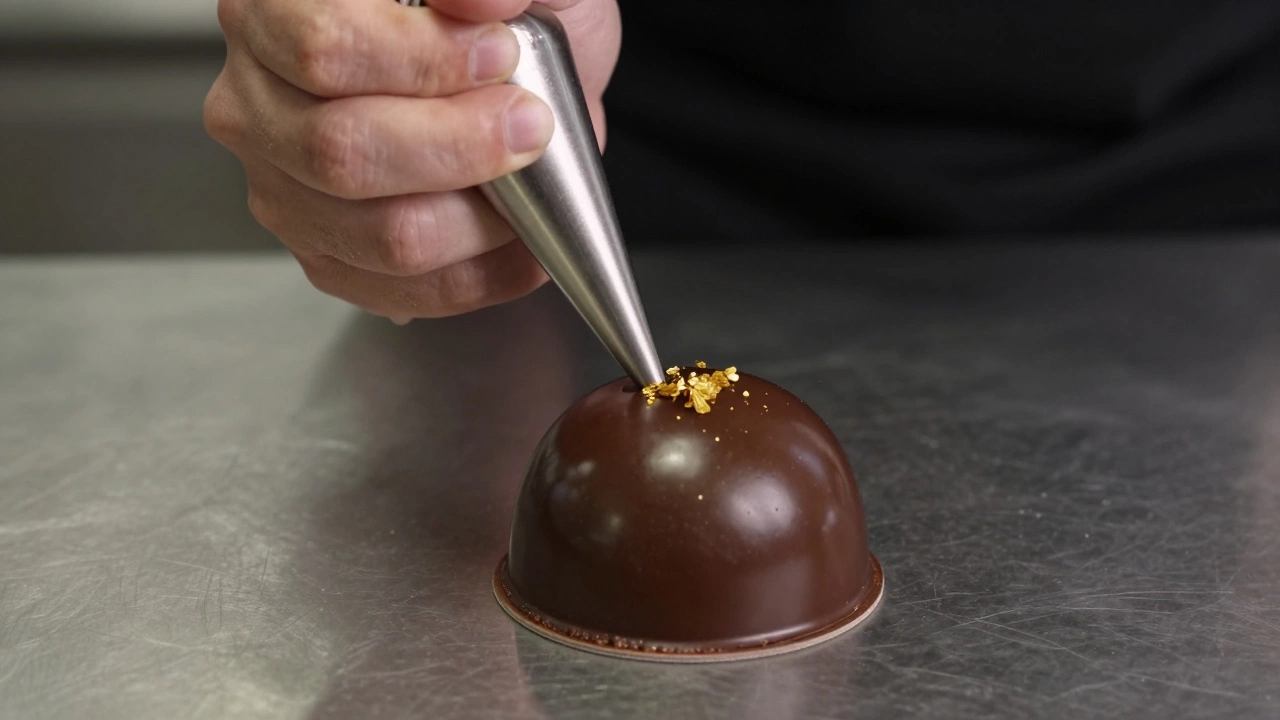
Wedding Cake Role Matchmaker & Budget Calculator
Select Your Needs
Results
Select your preferences on the left and click 'Find My Perfect Match' to see which professional fits your needs and how much to expect to pay.
Why you need this role:
Questions to Ask Them
If you have ever looked at a wedding brochure or scrolled through social media feeds dedicated to luxury events, you might notice a mix of job titles for the people creating the desserts. You see "Baker," "Chef," and sometimes something French like "Pâtissier." It can get confusing when you are trying to book the right person for your big day. Knowing the exact title matters because it tells you exactly what skills they bring to your table. A standard bakery worker makes bread and cupcakes every morning, while someone handling a custom wedding tier has very different qualifications.
In the world of high-end confectionery, the specific name often dictates the price, the quality, and even the logistics of how the dessert gets made. We tend to lump everyone under the umbrella of "baker," but that oversimplifies a lot of hard work and specialized training. If you are planning a wedding in 2026, understanding these distinctions helps you ask the right questions during your consultation. You do not want to hire someone who loves sourdough to construct a five-tiered sugar sculpture.
The Official Title: Pâtissier
Pâtissier is a trained professional specializing in sweet dishes, including pastries, cakes, and chocolates. This role differs significantly from a generalist chef because it requires intense focus on sugar chemistry, temperature control, and visual design. While a regular chef might plate a steak with precision, a pâtissier plates a meringue with the same level of scientific care. When you are shopping for a wedding cake maker, this is often the highest qualification you will see on a business card. In many European countries, this title is legally protected and requires certification. However, in other regions, anyone can print a menu with this word. You still need to verify their portfolio.
The difference lies in the scope. A general baker produces goods for immediate sale. They focus on volume and speed. A pâtissier focuses on artistry and complexity. For example, a standard round layer cake uses basic buttercream. A pâtissier approach might involve a génoise sponge, a fruit curd filling, and a fondant finish decorated with hand-pulled chocolate flowers. That level of detail changes the labor hours dramatically.
Cake Designer Versus Pastry Chef
As the wedding industry evolved, the term "cake designer" emerged. This is less common in traditional kitchens but huge in the wedding sector. Unlike a pastry chef who works in a hotel kitchen, a cake designer usually operates from a studio. Their entire business model revolves around bespoke, one-off creations rather than mass production.
| Role | Primary Focus | Typical Setting |
|---|---|---|
| Baker | Volume production | Bakery or Restaurant |
| Pâtissier | Technical pastry arts | Fine Dining Hotel |
| Cake Designer | Custom wedding art | Private Studio |
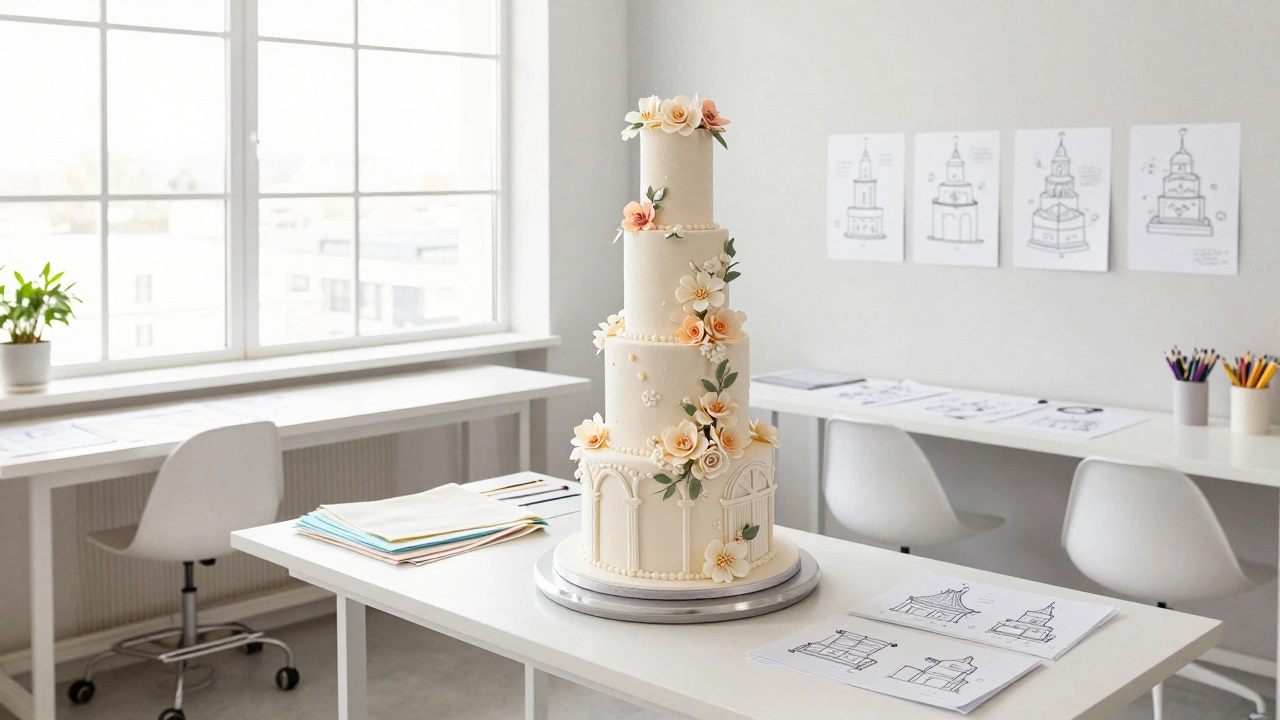
A cake designer acts more like an artist than a cook. They spend months developing templates for sugar structures. If your dream wedding involves a giant fondant tree growing out of the top tier, you need this specific skill set. A typical pastry chef might not have the structural engineering knowledge to make that safe for transport. They rely on gravity and internal supports that require specific math and material science knowledge.
This distinction becomes vital when discussing budget. You are paying for artistic vision, not just ingredients. In a standard restaurant, the food cost is usually kept low. In a design studio, the labor cost is high because every detail is handmade. This explains why some quotes seem astronomical compared to others. One offers a product, the other offers a service built on custom design.
The World of Confectionery and Sugar Art
Sugar art is its own beast entirely. Within the realm of wedding cakes, there are artists who specialize solely in sugar manipulation. These individuals often hold titles like Confectioner or Sugar Artist. They treat edible sugar like clay. They use blowpipes, molds, and ovens to create grooms, flowers, or architectural replicas that look nothing like typical food.
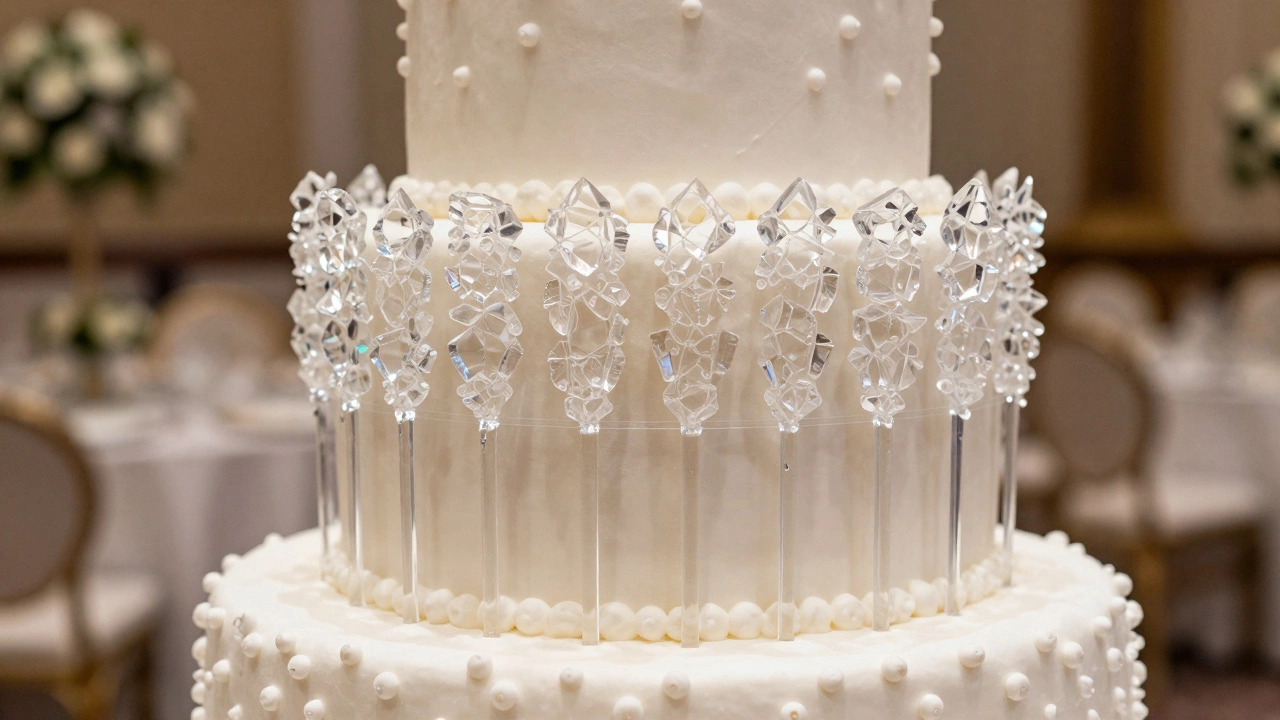
For instance, isomalt glass is a clear substance used to make crystal-like decorations. Handling this requires heat resistance and steady hands. If the weather in Dublin turns rainy, the humidity affects how quickly these pieces dissolve. A skilled confectioner knows how to protect the art with barriers like acrylic stands so the wedding guests don't watch the groom melt into a puddle before cutting the slice.
While this sounds purely aesthetic, there is safety involved too. Edible images and non-toxic paints are part of the trade. Regulations around food hygiene in the UK and Ireland are strict, especially regarding cross-contamination in studios that also handle raw eggs or gluten. When you speak to a pro, listen for how they discuss allergen protocols. If they ignore it, that is a red flag regardless of how fancy their title is.
Training and Certification Paths
How do you become one of these experts? There isn't a single university degree that covers everything. Many start with a diploma in culinary arts or hospitality. From there, specialization happens in real-world kitchens. Apprenticeships are still common in the Republic of Ireland. You spend three years working under a senior pastry chef to learn the ropes.
However, in 2026, online learning plays a bigger role. Platforms now offer specialized courses on things like macaron stability or marzipan carving. This allows artists to update their skills quickly as trends shift. Before booking, asking about their background gives you confidence. Did they train in a Michelin-starred kitchen? Or did they teach themselves via YouTube? Both paths can produce great work, but formal training often means better consistency.
Professional bodies exist, such as the Guild of Fine Food in the UK. Membership indicates they adhere to certain standards. It shows they are serious about their craft. When browsing websites, look for logos from these organizations. It helps separate hobbyists from true professionals who understand the pressure of a live event setup.
Hiring for Your Big Day
Finding the right person starts with the timeline. You need to book early. Top-tier cake designers often fill their calendars 12 to 18 months ahead. Demand peaks in June and July. If you wait until winter, you might only find generic options. Think of it like securing a photographer; good ones book fast.
- Contact potential vendors by December for a summer wedding.
- Schedule a tasting session to gauge flavor quality.
- Ask about delivery and setup logistics on-site.
- Verify their insurance coverage for public liability.
During the meeting, bring photos of what you like. Do not just say "I want a pretty cake." Show texture, height, and color samples. This saves time and money later. Clear communication prevents costly mistakes. Some artists charge extra for travel if the venue is remote. In rural parts of Ireland or Scotland, delivery fees can add up significantly.
Always read the contract carefully. Who handles cleanup? Does the price include the stand or just the cake? Does it cover cutting service? Some venues require catering staff to cut the cake, meaning you need a knife provided beforehand. These small details cause friction if not agreed upon upfront.
Pricing and Value Considerations
Prices vary wildly based on the title of the vendor you choose. A home baker might charge per slice simply. A full-service cake studio charges per head plus a base fee for design. A standard wedding cake might cost £2,500, while a complex architectural piece could exceed £5,000. The gap comes down to labor hours versus materials.
You should ask if the design includes a dummy cake. Sometimes tiers are empty blocks covered in fondant to look larger. This saves food waste but costs less to make than a full sponge layer. Be sure you know exactly what you are getting. If you want guests eating cake, request fully edible tiers. If display is priority, dummy layers are acceptable.
Taxation and VAT are also factors in the UK and Ireland. Make sure your quote includes tax. Hidden fees appear after the signing phase otherwise. Budget realistically. Don't stretch your finances just for aesthetics. A smaller, beautifully designed cake often tastes better than a massive, dry monstrosity that sits on a table untouched.
Common Questions About Wedding Cake Professionals
Is a pâtissier the same as a baker?
No. A baker focuses on breads and basic goods for daily sales. A pâtissier specializes in sweets, pastries, and intricate designs requiring chemical precision and artistic skill.
Do I need a tasting before booking?
Yes. Tasting ensures the flavors suit your preferences. Many designers charge a deposit fee for tastings which gets deducted from your final bill.
Can they deliver to my venue?
Most professional studios include setup services, but delivery may incur extra mileage fees. Always confirm the radius of their delivery zone in the contract.
What is the cancellation policy?
Policies vary, but typically deposits are non-refundable. Some allow transferring the order to a future date if the wedding is cancelled.
Are vegan options available?
Yes, many confectioners now specialize in plant-based alternatives. You need to request this early as recipes differ from traditional dairy-based mixes.