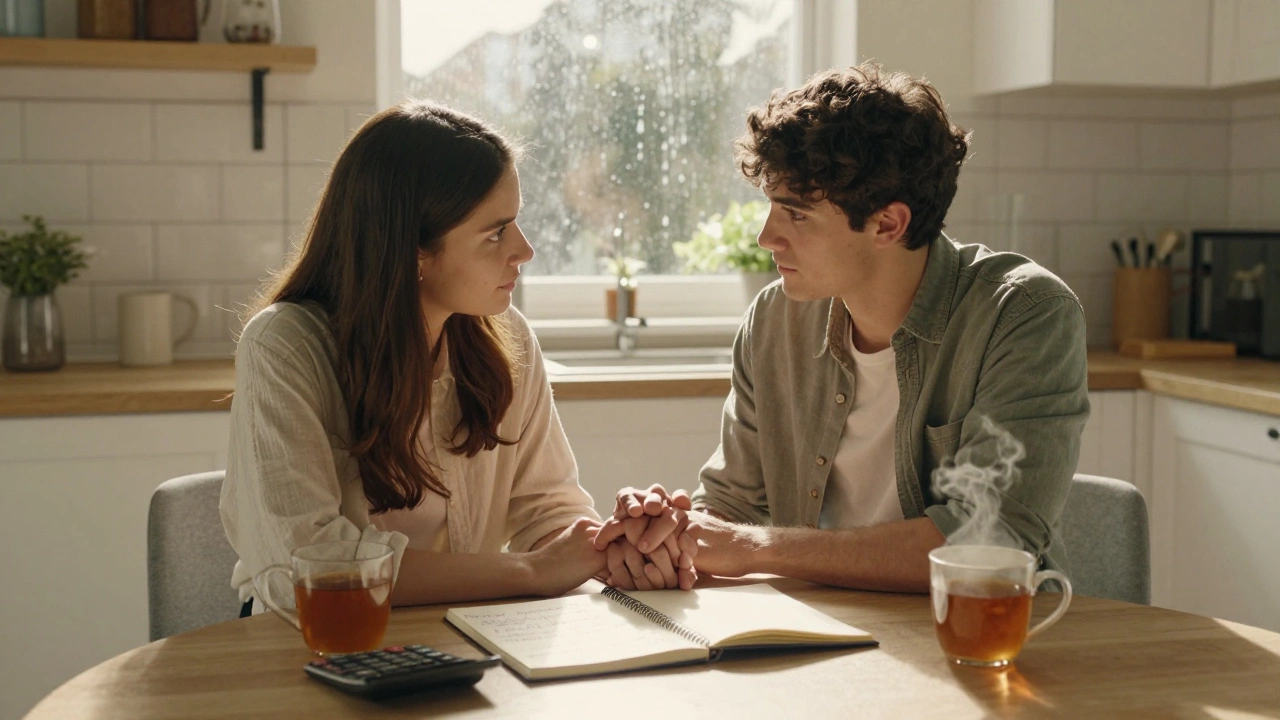
2026 Wedding Budget Estimator
Your Details
Estimated Budget Breakdown
Click calculate to see your estimated wedding budget
Pro Tip
Cutting your guest list by 20 people can save $3,000–$6,000. This is the single most effective way to reduce costs without sacrificing quality.
You’ve seen the photos. You’ve scrolled through the Instagram feeds of friends who spent their life savings on a single weekend. Now you’re staring at your bank account, wondering if love actually has a price tag. The short answer? Yes. But the long answer is that wedding budget planning is less about what others spend and more about what you can comfortably afford without losing sleep for the next five years.
The 2026 Reality Check: What Does a Wedding Actually Cost?
Let’s cut through the noise. In 2026, the average couple in the United States spends roughly $30,000 to $35,000 on their wedding day. If you live in the UK or Ireland, that number drops significantly-closer to £15,000 to £20,000 (€17,000 to €23,000). But "average" is a dangerous word. It includes the outliers: the celebrity weddings, the destination resorts, and the couples who simply don’t care about the bill. For most people, a realistic amount sits much lower.
A truly realistic budget is one that doesn’t require you to max out three credit cards or borrow from your retirement fund. According to recent data from The Knot and Zola, the median wedding cost-meaning half of couples spend less than this-is closer to $20,000 in the US and £8,000-£10,000 in the UK. That’s the sweet spot where you still get a beautiful day, but you keep your financial health intact.
| Region | Median Cost | High-End Average | Low-Cost Option |
|---|---|---|---|
| United States | $20,000 | $35,000+ | $8,000 |
| United Kingdom | £9,000 | £15,000+ | £4,000 |
| Ireland | €12,000 | €20,000+ | €5,000 |
| Australia | AUD $25,000 | AUD $40,000+ | AUD $10,000 |
How to Set Your Own Number (Without Panic)
Before you book a venue, you need a hard number. Not a wishful thinking number, but a real one. Start by looking at your current savings. Then, subtract any emergency fund you need to keep safe. Whatever is left? That’s your ceiling. Do not go above it.
If you’re getting contributions from parents, be clear about how much they are giving upfront. Don’t assume. Ask directly. “Can you contribute $5,000?” is better than hoping they’ll cover the band. Once you have all confirmed cash sources, add them up. That total is your budget. Period.
Here’s a simple rule of thumb: If you can’t pay for the entire wedding with cash on hand without affecting your ability to buy a house or save for retirement within the next two years, you’re spending too much. A wedding is a day. Your financial future is forever.
Where Does the Money Go? The Big Three Expenses
You might think flowers or invitations will break the bank. They won’t. The biggest chunks of your budget always come down to three things: Venue, Food, and Photography. These three categories typically consume 50% to 60% of your total spend.
- Venue: This is often the largest single expense. In cities like Dublin or New York, renting a historic hall or boutique hotel ballroom can run $5,000 to $10,000 alone. Outdoor spaces might be cheaper but require permits and insurance. Always ask if the venue has an in-house catering requirement, as that locks you into higher food prices.
- Catering & Bar: Food isn’t just about the meal; it’s about service staff, rentals, and alcohol. A plated dinner averages $75-$120 per person. A buffet is slightly cheaper, around $50-$80. Open bars are the budget killer. Limiting drinks to beer, wine, and a signature cocktail can save thousands. Remember: every guest eats. Cutting the guest list is the fastest way to reduce food costs.
- Photography & Videography: You’ll look back at these images for decades. Cheap photographers often deliver blurry, poorly edited photos. Expect to pay $2,000-$4,000 for a full-day shooter in major markets. Skimping here usually leads to regret later.
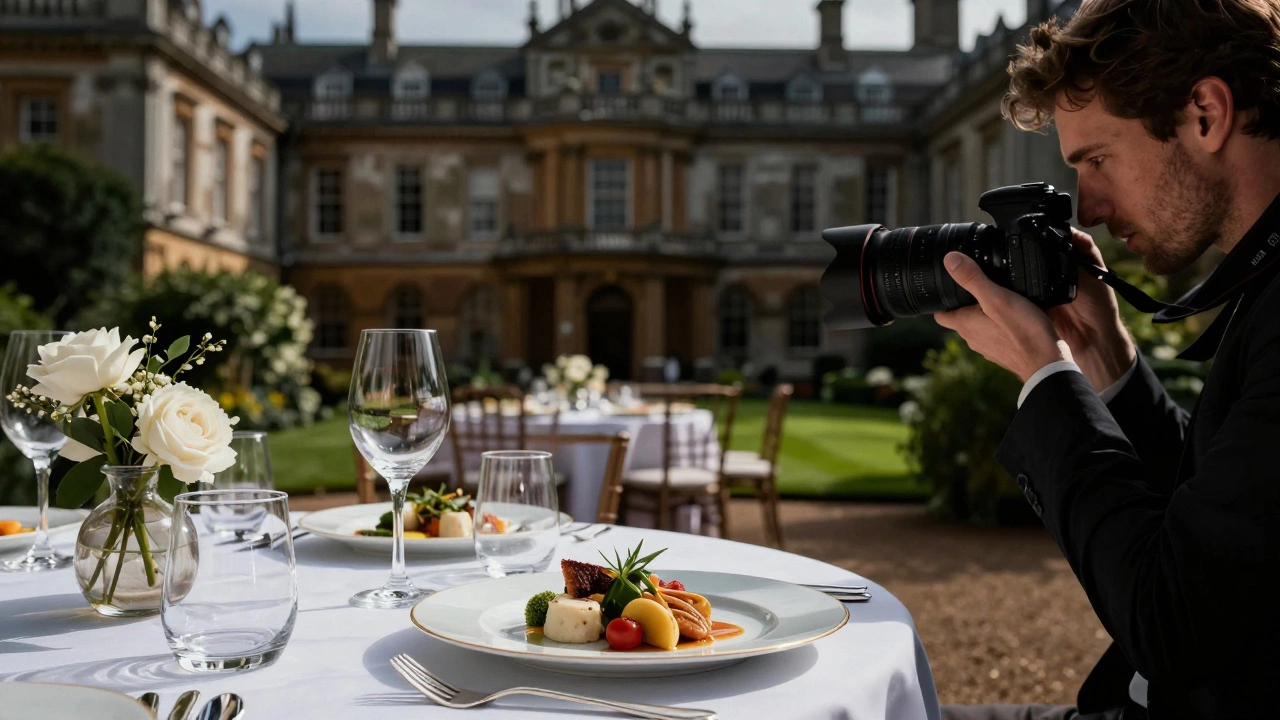
The Guest List Trap: Why Fewer People Means More Freedom
This is the hardest part for most couples. Every person you invite adds roughly $150-$300 to your bill, depending on your location and menu choices. If you want to lower your total spend, start here. Not with the decorations, not with the dress-but with the names on the list.
Ask yourself: Who do I genuinely want there? Not who feels obligated to be invited. Not who you met once at work five years ago. Just the people who matter. A wedding with 50 guests feels intimate, warm, and personal. A wedding with 200 guests feels like an event management project. And it costs four times as much.
If you’re struggling to cut names, try this: Write down everyone you feel pressured to invite. Then cross out anyone you haven’t spoken to in the last year. Keep going until you hit a number that makes your wallet happy.
Smart Ways to Cut Costs Without Looking Cheap
Spending less doesn’t mean sacrificing style. It means being strategic. Here are proven ways to trim the fat while keeping the magic:
- Choose an Off-Peak Date: Saturdays in June and October are peak pricing. Wednesdays, Sundays, or winter months can slash venue and vendor costs by 20% to 40%. Many couples find that off-season weddings feel cozier anyway.
- Skip the Traditional Reception: Instead of a formal sit-down dinner, host a brunch, a coffee-and-donuts celebration, or a casual backyard BBQ. Food costs drop dramatically, and the vibe becomes relaxed and fun.
- Dress Smart: You don’t need a custom gown from a designer salon. Sample sales, second-hand boutiques, or even high-end rental services offer stunning dresses for a fraction of the retail price. Men can rent suits for under $200 instead of buying new tuxedos.
- DIY Selectively: Don’t try to make everything yourself. You’ll burn out. Instead, DIY only the items that don’t require technical skill: digital invitations, playlist curation, or simple floral arrangements using local blooms. Leave lighting, sound, and cake to professionals.
- Negotiate Packages: Vendors often have flexibility. Ask if they offer package deals. Sometimes bundling photography with videography or having the same florist handle both ceremony and reception bouquets saves money.

Hidden Costs That Sneak Up On You
Even the best-planned budgets get derailed by expenses you forgot to account for. Make sure you include these line items in your spreadsheet:
- Tips and Gratuities: Plan to tip 15%-20% for vendors like caterers, photographers, and musicians unless gratuity is already included in the contract.
- Attire Alterations: Dresses rarely fit perfectly off the rack. Budget $200-$500 for alterations.
- Marriage License: It sounds small, but fees vary by county and state. In some places, it’s $25; in others, it’s over $100.
- Transportation: Getting the ring bearer from point A to B, or shuttling guests between venues, adds up quickly.
- Contingency Fund: Always set aside 10% of your total budget for unexpected issues. Last-minute outfit changes, extra chairs, or overtime fees for vendors can appear without warning.
Is It Worth Going Into Debt for a Wedding?
No. Financial advisors universally agree: taking on high-interest debt for a wedding is a bad move. Credit card interest rates can exceed 20%, meaning a $5,000 charge could cost you $10,000+ over five years. Student loans or personal loans might seem easier, but they delay other life goals like buying a home or starting a family.
If you’re tempted to overspend because of family pressure or social media envy, remember this: Your marriage success is not correlated with how much you spent on the party. Studies show that couples who prioritize communication and shared values report higher marital satisfaction than those who focus on grand gestures. Save the money. Invest in your future together.
Final Thoughts: Define Your Own Value
A realistic wedding budget is deeply personal. For some, $5,000 is plenty for a courthouse ceremony followed by a nice dinner. For others, $30,000 is worth it for a multi-day destination event. There’s no right or wrong-only what works for you. The key is intentionality. Know your numbers. Stick to them. And celebrate the fact that you’re building a life, not just throwing a party.
What is the average cost of a wedding in 2026?
In 2026, the average wedding cost in the US is approximately $30,000-$35,000, though the median is closer to $20,000. In the UK and Ireland, averages range from £9,000 to €12,000. These figures include venue, catering, attire, and photography.
How much should I spend on my wedding per guest?
A common guideline is $150-$300 per guest, covering food, drink, and venue allocation. However, this varies widely based on location and menu choice. To control costs, keep your guest list tight and choose affordable catering options like buffets or brunches.
Can I have a beautiful wedding on a $5,000 budget?
Yes. By choosing an off-peak date, limiting guests to close family and friends, opting for a non-traditional venue like a park or community center, and handling decor yourself, you can create a memorable experience for under $5,000. Prioritize experiences over expensive props.
What are the biggest expenses in a wedding budget?
The top three expenses are typically the venue rental, catering and bar services, and photography/videography. Together, these often account for 50%-60% of the total budget. Attire and flowers usually take up smaller portions.
Should I use credit cards to pay for my wedding?
It’s generally advised against unless you have a zero-interest promotional period and can pay off the balance before regular interest kicks in. High-interest debt can strain your finances for years after the wedding. Aim to pay with saved cash whenever possible.
How do I split wedding costs with my partner?
Open communication is key. Decide early whether you’ll split costs 50/50, proportionally based on income, or assign specific responsibilities to each person. Document agreements clearly to avoid misunderstandings later.
What hidden wedding costs should I watch out for?
Common hidden costs include gratuities for vendors, attire alterations, marriage license fees, transportation for guests or wedding party members, and a contingency fund for unexpected issues. Always budget an extra 10% for surprises.