2026 Wedding Budget Calculator
Your Parameters
Estimated Breakdown
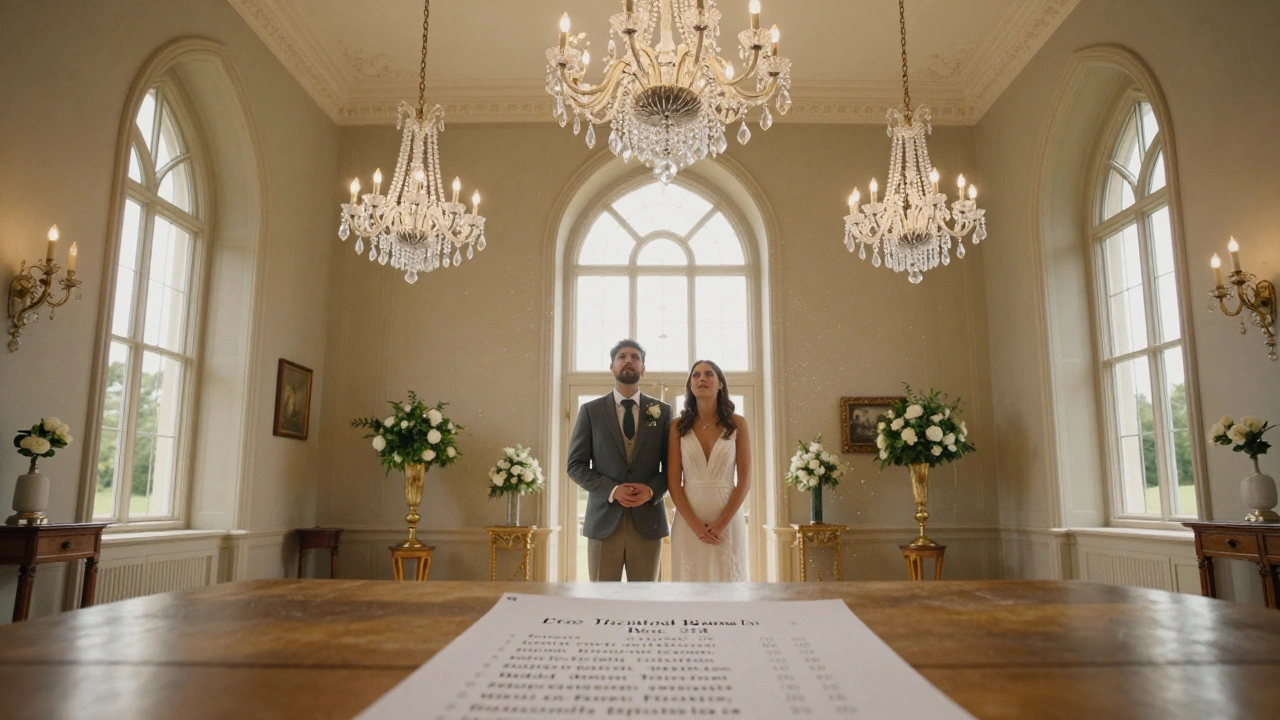
Let’s be honest: the moment you start looking at wedding venues, your heart skips a beat and your bank account starts sweating. You see photos of grand estates with chandeliers that look like frozen waterfalls, and suddenly, the number on the quote sheet feels less like a price tag and more like a ransom demand. So, what is actually realistic in 2026?
If you are planning a celebration in Ireland or the UK, the national average hovers around €15,000 to €18,000. But averages are dangerous things. They don’t tell you if you can pull off a beautiful day for half that amount, nor do they explain why some couples spend €30,000 without breaking a sweat. A "realistic" price isn't a fixed number; it is the total cost of the experience you want, stripped of the guilt-tripping industry standards that say you must have everything everywhere all at once.
The Big Three: Where Your Money Actually Goes
To understand what is realistic, you need to look at the three pillars that consume about 60% of every wedding budget: the venue, the food, and the photography. These are non-negotiables for most people because they define the atmosphere, the memory, and the physical reality of the day.
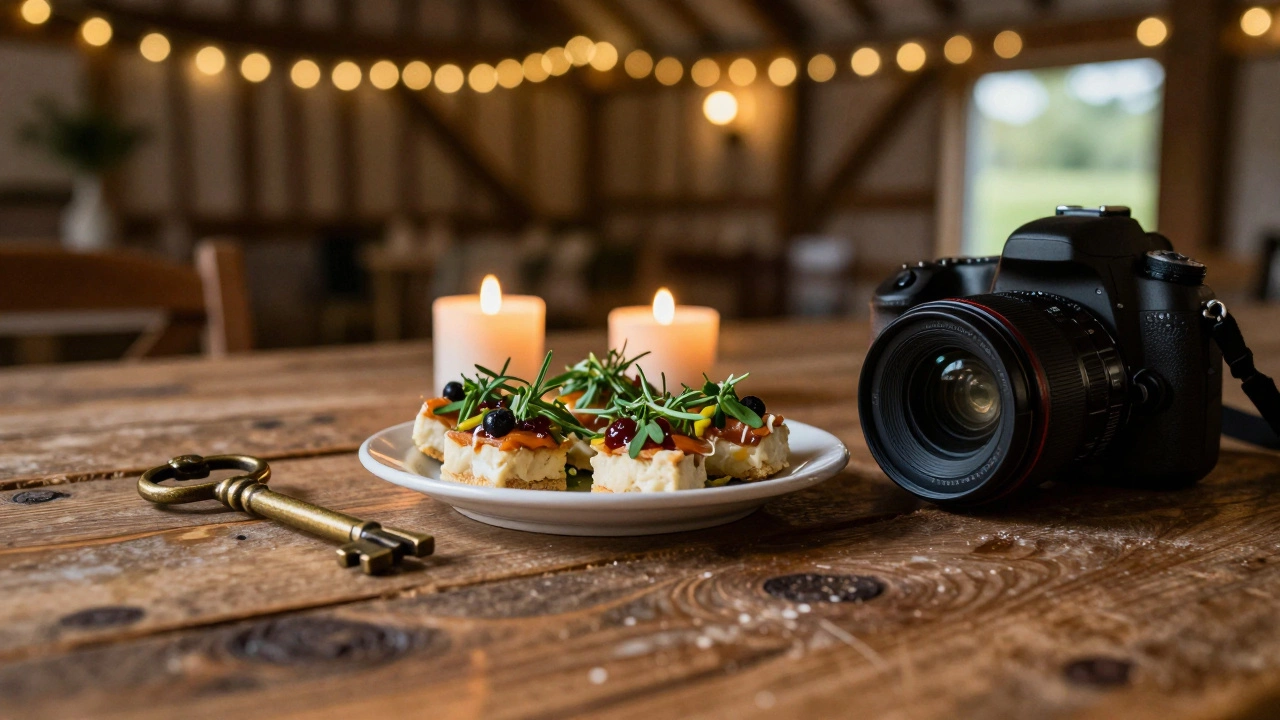
Venue hire has become increasingly competitive. In major cities like Dublin or London, a premium hotel ballroom might charge €5,000 to €8,000 just for the space, plus a per-head fee for food and drink. However, if you look outside the city center-perhaps a barn in County Kildare or a community hall in Manchester-you can find spaces for €1,500 to €2,500 flat fees. The trick is knowing what you are paying for. Are you paying for the tables and chairs, or do you need to rent those separately? Many couples get blindsided by "hidden" costs like corkage fees, security deposits, or mandatory minimum spends on alcohol.
Food and drink typically account for another 40-50% of the total budget. In 2026, inflation has pushed catering prices up. A standard plated dinner with two courses, coffee, and tea runs between €45 and €65 per person. If you opt for a buffet, you might save €10 per head, but you lose control over portion sizes and presentation. Then there is the bar. An open bar is the fastest way to blow your budget. A realistic approach? Offer a signature cocktail, beer, wine, and soft drinks. Limit the open bar to the first two hours of the reception, then switch to a cash bar or stop service entirely. This single change can save you thousands.
Photography is the other big ticket item. You will look at these photos for decades. A professional photographer who captures the emotion, not just the poses, charges between €2,000 and €4,000. Do not cheap out here. I know a couple who hired a friend for €500 to save money. They got blurry photos, missed the father-of-the-bride speech, and ended up hiring an editor later to fix them. That was false economy. Invest in someone who tells a story.
How Guest Count Drives the Cost Curve
The single biggest variable in your wedding price is the number of people eating cake. Every additional guest adds roughly €100 to €150 to your total bill when you factor in food, drink, seating, favors, and invitations. Let’s break that down.
- Intimate (20-50 guests): Total realistic budget: €5,000 - €9,000. You can splurge on better food and a higher-end venue because the per-head cost is manageable.
- Standard (100-150 guests): Total realistic budget: €12,000 - €18,000. This is where most budgets live. You need a mid-range venue and careful catering choices.
- Grand (200+ guests): Total realistic budget: €25,000+. At this scale, economies of scale kick in for rentals, but the sheer volume of food and drink drives the price up significantly.
Ask yourself: Who truly needs to be there? Often, we invite people out of obligation rather than love. Cutting the list from 150 to 100 doesn’t just feel lighter; it saves you €7,500 instantly. That’s enough to upgrade your flowers, your dress, or even take a honeymoon extension.
Hidden Costs That Blow Up Budgets
Even if you nail the big numbers, small leaks sink ships. Here are the sneaky expenses that catch couples off guard in 2026:
- Attire Alterations: Your dress might cost €1,500, but tailoring it to fit perfectly can add €300 to €600. Grooms often forget their suits need pressing, minor tweaks, or new shoes.
- Hair and Makeup Trials: Don’t skip the trial. It usually costs €100-€150, but it ensures you don’t hate your look on the day. On the wedding day itself, expect to pay €200-€300 for bridal hair and makeup combined.
- Stationery: Save-the-dates, invitations, RSVP cards, menus, and place cards. Digital invites are trendy and eco-friendly, saving you hundreds in postage and paper. If you go print, budget at least €300-€500 for high-quality designs.
- Music: A DJ costs less than a band, but a good DJ still charges €800-€1,200. Live bands range from €2,500 to €5,000+. Remember to tip them! Cash envelopes left on the table work wonders for energy levels.
- Florals: Flowers are perishable luxury goods. Centerpieces, bouquets, boutonnieres, and ceremony arches add up fast. A realistic floral budget is €1,500-€3,000. To save, use greenery instead of expensive blooms like peonies or orchids. Greenery looks lush, costs less, and stays fresh longer.
Smart Ways to Cut Costs Without Looking Cheap
You don’t need to bake your own cake or wear a thrift-store dress to have a stunning wedding. Strategic choices make a bigger difference than penny-pinching.
| Strategy | Potential Savings | Aesthetic Impact |
|---|---|---|
| Off-Peak Date (Jan-Mar, Nov) | 20-30% off venue/catering | None (guests won't notice) |
| Weekday Wedding | Up to 50% off venue | None |
| Digital Invites | €200-€400 | Modern, clean look |
| Seasonal Flowers Only | €500-€1,000 | High (seasonal blooms are fresher) |
| Limited Open Bar | €1,000-€2,000 | Low (if communicated clearly) |
Choosing an off-peak date is the single most effective financial move you can make. Venues are desperate to fill slots in January, February, November, and early December. You might get a Saturday prime-time slot for the price of a Sunday afternoon. Plus, vendors are less busy, meaning you get more attention and potentially better rates.
Another pro tip: prioritize what matters to you. If you love food, spend more on catering and cut back on decor. If you’re visual, splurge on photography and flowers, but keep the guest list small. Trying to do everything equally well leads to mediocrity and bankruptcy. Pick two or three elements to shine and let the rest be simple and elegant.
Financing Your Day: Etiquette and Reality
Who pays for the wedding? In modern times, it’s rarely just the bride’s parents. Most couples split costs among themselves, both sets of parents, and sometimes siblings. Have this conversation early. Awkwardness now prevents resentment later. If parents offer to contribute, ask for a specific amount upfront so you can plan around it. Don’t assume they will cover the whole thing unless they explicitly say so.
Should you put your wedding on credit? Generally, no. A wedding is a party, not an investment. It does not appreciate in value. If you must borrow, keep it under €5,000 and ensure you have a repayment plan before you say "I do." Starting your marriage with debt stress is a terrible foundation. There is no shame in a simple courthouse ceremony followed by a modest dinner with close friends. That is a realistic, joyful, and financially responsible choice.
Building Your Personalized Budget Spreadsheet
Stop using mental math. Create a spreadsheet with three columns: Estimated Cost, Actual Cost, and Paid/Balance. Update it weekly. Assign a percentage to each category based on your priorities. For example:
- Venue & Catering: 50%
- Photography & Videography: 15%
- Attire & Beauty: 10%
- Musicians & Entertainment: 10%
- Florals & Decor: 10%
- Stationery & Misc: 5%
Stick to these percentages. If you overspend on flowers, you must underspend on music. This discipline keeps you grounded. When a vendor quotes you a price, enter it immediately. Seeing the "Actual Cost" column rise in real-time is sobering and helpful.
Finally, remember that a realistic price is one that allows you to enjoy your day without checking your bank balance every time you laugh. It’s about intentionality, not extravagance. Whether you spend €8,000 or €20,000, the value comes from the love shared, not the line items on the invoice.
What is the average cost of a wedding in Ireland in 2026?
The average wedding cost in Ireland ranges from €15,000 to €18,000. However, this varies greatly depending on location, guest count, and style. Rural venues may be cheaper, while Dublin city centers command premium prices.
How much should I budget per guest?
A realistic rule of thumb is €100 to €150 per guest. This covers food, drink, seating, stationery, and favors. If you include venue rental amortized over guests, the number could be higher.
Can I have a nice wedding for under €10,000?
Yes, absolutely. By keeping the guest list under 50 people, choosing an off-peak date, limiting the open bar, and opting for digital invitations, you can create a beautiful, intimate celebration within this budget.
What is the most expensive part of a wedding?
Catering and venue hire typically consume the largest portion of the budget, often totaling 50-60% of the overall cost. Food and beverage alone can account for nearly half the total spend.
Is it worth hiring a wedding planner?
For larger weddings (100+ guests), a planner can save money by negotiating vendor discounts and preventing costly mistakes. For smaller weddings, a "day-of" coordinator costing €500-€800 is sufficient to manage logistics without the full planning fee.