Wedding Photo Color Accuracy Checker
Test Your Knowledge
Evaluate these common wedding photo elements for color accuracy. Select the most accurate option for each.
1. Wedding Dress Color
2. Skin Tones
3. Foliage and Greens
4. Shadow Detail
5. Color Calibration
Results
When you look at your wedding photos, do they feel like a memory-or like a filtered dream? If your dress looks more lavender than ivory, your venue’s wooden beams appear too orange, or your bouquet’s peonies look like they were painted with a highlighter, you might be dealing with a photographer who doesn’t prioritize true-to-color rendering. A true-to-color photographer captures your wedding exactly as it happened: the light, the tones, the mood-no exaggeration, no artificial tinting, no default presets that turn everything golden-hour orange.
What Does ‘True to Color’ Really Mean?
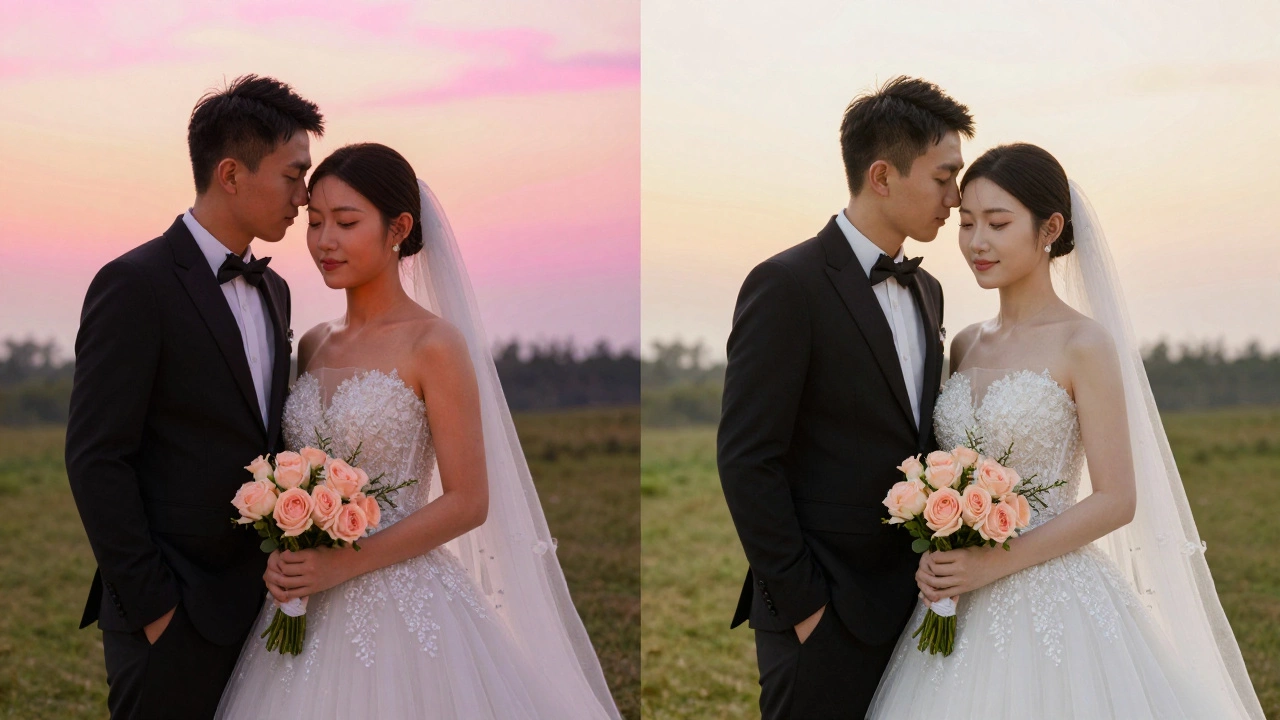
It’s not about shooting in black and white or avoiding edits. It’s about accuracy. A true-to-color photographer understands that the ivory lace on your dress wasn’t cream, the sunset behind the church wasn’t neon pink, and your groom’s beard wasn’t a muddy brown. They capture the actual colors present in the scene and preserve them through careful camera settings, lighting choices, and post-processing that enhances-not alters.
This isn’t just about aesthetics. It’s about legacy. Ten years from now, you’ll want to look at your wedding photos and say, ‘That’s exactly how it looked.’ Not ‘That’s what Instagram thought it should look like.’
How Do True-to-Color Photographers Work?
It starts before the ceremony even begins. A true-to-color photographer uses a calibrated camera and shoots in RAW format, which keeps every bit of color data the sensor picks up. They don’t rely on in-camera JPEG presets that auto-enhance saturation or sharpening. Instead, they set a custom white balance based on the actual lighting-whether it’s the cool blue of a cloudy afternoon or the warm amber of candlelight in a historic hall.
During editing, they avoid presets like ‘Vibrant’ or ‘Warm Glow’ that come bundled with Lightroom or Photoshop. Instead, they use color references: a gray card shot at the start of the day, a white balance target, or even known colors in the scene (like a bride’s red lipstick or a groom’s navy tie) to calibrate the entire album. They adjust exposure, contrast, and shadows-but only to reveal what was already there, not to invent something new.
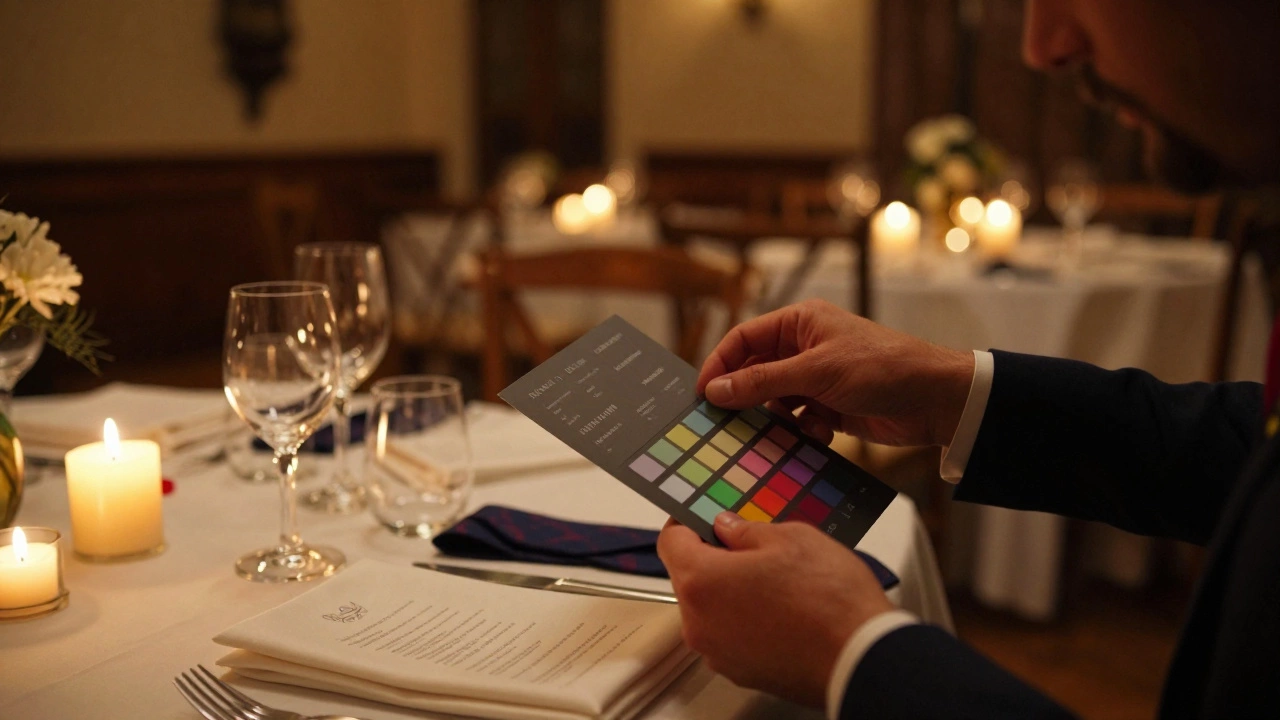
Some photographers even use color-checker charts during engagement shoots or rehearsal dinners to build a custom color profile for your specific event. That means if your venue has unusual lighting-like dim Edison bulbs or green-tinted LED uplighting-their edits will correct for that, not amplify it.
Why Most Wedding Photographers Don’t Do This
It’s easier to apply a preset. It’s faster. It’s what clients expect because they’ve seen it everywhere: the dreamy, oversaturated, overly warm wedding photos flooding Pinterest and Instagram. Many photographers use these styles because they’re popular. Clients think they want ‘romantic’ and equate that with golden tones and boosted reds. But ask anyone who’s been married for five years: they don’t want their wedding to look like a sunset filter. They want it to look like their day.
True-to-color photography takes more time. It requires technical knowledge. It means saying no to trends. It means having the confidence to deliver images that might not get 10,000 likes-but will make your grandmother say, ‘That’s how your mother looked on her wedding day.’
How to Spot a True-to-Color Photographer
Don’t just look at their portfolio. Look at the details.
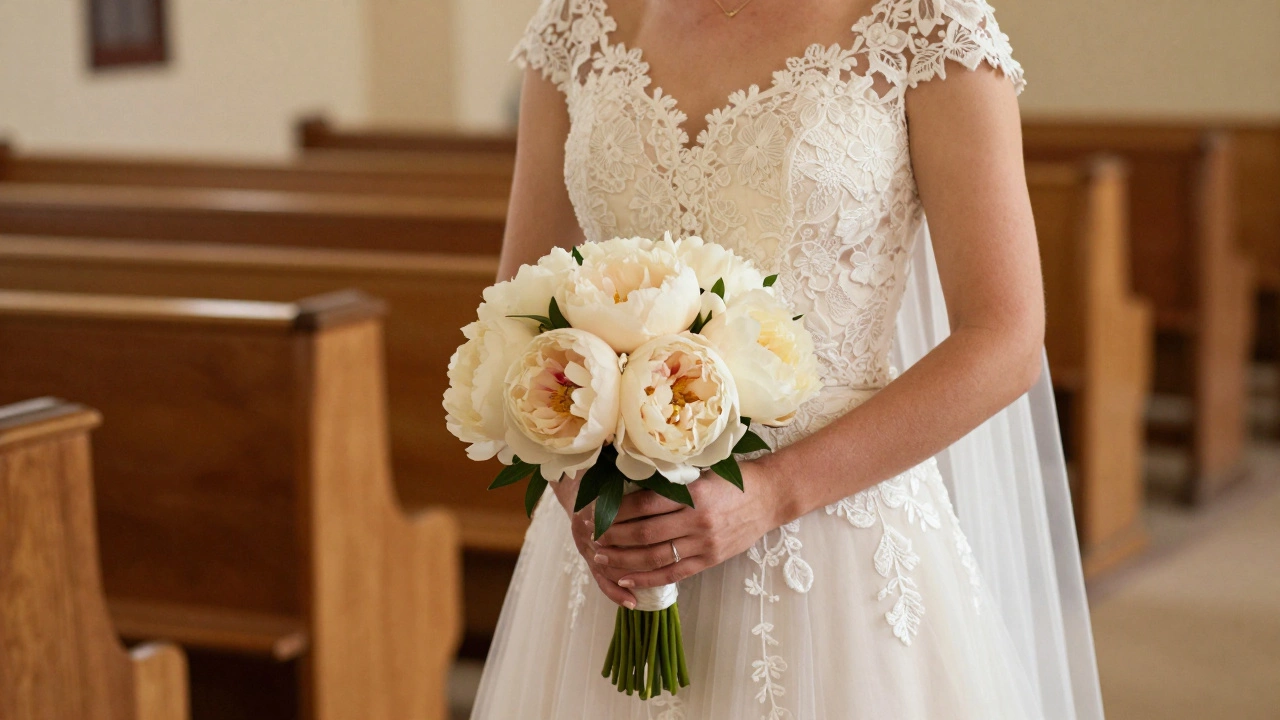
- Check the whites: Are wedding dresses actually white or slightly yellow? Do they look natural, or like they’ve been dipped in honey?
- Look at skin tones: Do they look like real human skin? Or are they unnaturally orange, pink, or flat?
- Examine the greens: Are the leaves in the garden a natural emerald or a neon chartreuse?
- Check the shadows: Are they deep and rich, or muddy and gray? True color preserves detail in shadows without crushing them.
- Ask for unedited RAW files: A true-to-color photographer won’t hesitate to show you the original file and the edited version side by side. If they refuse, that’s a red flag.
Also, ask them this question: ‘Do you use a color checker or custom white balance for every wedding?’ If they say yes, they’re serious. If they say ‘I just use Lightroom presets,’ walk away.
What Happens When Color Is Wrong?
Imagine this: You’re holding your wedding album, and you point to a photo of your bouquet. ‘That’s not the color of the roses,’ you say. ‘They were blush, not coral.’ Your photographer shrugs: ‘It looked better that way.’
That’s not just a mistake. It’s a loss. That bouquet was chosen after months of planning. The color matched your invitations, your bridesmaids’ dresses, your table linens. It was part of your story. And now, the photo doesn’t tell the truth.
Or worse-you’re looking at a photo of your father, standing beside you, and his skin tone looks off. Maybe it’s too red. Maybe it’s too gray. Suddenly, the photo doesn’t feel like him. It feels like a stranger wearing his clothes.
True-to-color photography isn’t about perfection. It’s about honesty. It’s about letting your memories live as they were, not as someone else thinks they should be.
Where to Find One
Start by looking beyond the top search results. The photographers who use heavy presets often dominate Instagram and Google Ads. Instead, search for terms like ‘natural wedding photography Dublin’ or ‘true color wedding photographer Ireland.’ Look at reviews that mention ‘accurate colors’ or ‘didn’t look like a filter.’
Check their website for behind-the-scenes content. Do they talk about lighting conditions? Do they mention white balance settings? Do they explain why they avoid presets? These are signs of someone who cares about the craft, not just the click.
Book a consultation. Bring a swatch of your dress fabric, your bouquet color card, or even your invitation. Ask them to match the colors in the photo. If they can do it, you’ve found your person.
It’s Not About Being ‘Flat’ or ‘Boring’
Some people think true-to-color means dull. That’s not true. A photo can be vibrant and still be accurate. A red rose is still red. A blue sky is still blue. A golden ring still glows in the sunlight. True-to-color doesn’t mean removing beauty-it means preserving it as it existed in real life.
When you choose a true-to-color photographer, you’re not rejecting style. You’re choosing authenticity. You’re choosing a record that will outlast trends, filters, and algorithms. You’re choosing a story that will still feel real when your grandchildren flip through the album decades from now.
Your wedding day wasn’t a photoshoot. It was a life moment. Don’t let someone else’s preset rewrite it.
Is a true-to-color photographer the same as a documentary wedding photographer?
Not exactly. A documentary wedding photographer focuses on capturing moments as they happen, without staging. A true-to-color photographer focuses on accurate color representation. Many photographers do both, but they’re different priorities. You can have a staged, posed photo with true colors, or a candid shot with inaccurate tones. The best wedding photographers combine both approaches.
Can a true-to-color photographer handle low-light wedding venues?
Yes, but it takes skill. Low-light venues-like dimly lit churches or candlelit receptions-can easily turn photos muddy or overly noisy. A true-to-color photographer uses high-quality gear, proper lighting techniques (like off-camera flash with color gels), and careful post-processing to preserve detail without introducing color shifts. They avoid turning everything orange just to make it look ‘warmer.’
Do true-to-color photographers charge more?
Often, yes. Because it takes more time, more technical knowledge, and more attention to detail, true-to-color photographers usually charge a premium. But you’re not paying for a filter-you’re paying for accuracy, longevity, and a record that won’t look dated in five years. Many couples find it worth the investment when they see their grandparents tear up looking at the photos because everything looks exactly as they remember.
Can I fix color issues in post-production myself?
You can try, but it’s risky. Without knowing the original color values, you might overcorrect and make things look unnatural. A true-to-color photographer uses reference tools and calibrated monitors to make precise adjustments. If you edit without those tools, you’re guessing-and most people end up making colors worse. It’s better to get it right at the source.
What if I love the warm, dreamy filter look?
That’s fine. But ask yourself: Do you love the look because it’s authentic to your day, or because it’s popular? A true-to-color photographer can still give you warmth-they just won’t fake it. They’ll enhance the natural golden light from your venue’s windows or the soft glow of lanterns, not add an artificial filter. You get the beauty without the lie.
Next Steps
If you’re planning your wedding and want true-to-color photos, start by reviewing at least 10 full galleries-not just highlight reels. Look for consistency in color across different lighting conditions: daylight, indoor ceremonies, evening receptions. If the colors shift wildly, keep looking.
Ask for a sample album with unedited RAW files. If they’re willing to show you, that’s a sign of confidence. If they say no, they’re hiding something.
And when you find the right photographer, thank them. Because they’re not just taking pictures. They’re preserving your truth.