Wedding Bouquet Cost & Season Estimator
Calculate the estimated cost of your bridal bouquet based on stem count and flower type. Check seasonal availability to ensure freshness and better pricing.
Estimation Results
You stand at the florist’s counter, staring at a wall of blooms. Roses, peonies, hydrangeas, orchids-the options are endless, and suddenly, choosing the best flower for a wedding bouquet feels like a high-stakes gamble. You want something that looks stunning in photos, smells incredible, stays fresh through the ceremony, and doesn’t drain your entire budget before you even say "I do."
The truth is, there is no single "best" flower. The perfect choice depends on your season, your style, your budget, and how much drama you’re willing to handle. Some flowers are divas that wilt if you look at them wrong; others are sturdy workhorses that survive a summer heatwave with ease. Let’s cut through the noise and look at what actually works.
The Heavy Hitters: Classic Choices That Never Fail
When people think of weddings, they usually picture roses or lilies. These aren’t just traditions; they are reliable for specific reasons. If you want a safe bet that looks elegant and photographs beautifully, these are your go-to candidates.
Roses are the most popular wedding flower globally due to their variety of colors, shapes, and price points. They come in hundreds of varieties, from the classic red hybrid tea to delicate spray roses. A standard rose stem typically costs between $3 and $8 depending on the size and color. White and blush roses are often more expensive because they are in higher demand for weddings. Roses hold up well in water and last for days after the event, making them practical as well as pretty.
Lilies, particularly Stargazer Lilies or Calla Lilies, offer a dramatic, architectural look. Stargazers have a powerful fragrance-so powerful that some guests might find it overwhelming, so use them sparingly or ask about allergies. Calla lilies, on the other hand, are sleek, modern, and virtually scent-free. They are excellent for minimalist or contemporary weddings. A single calla lily can cost $5 to $10, but because they are large, you need fewer stems to create impact.
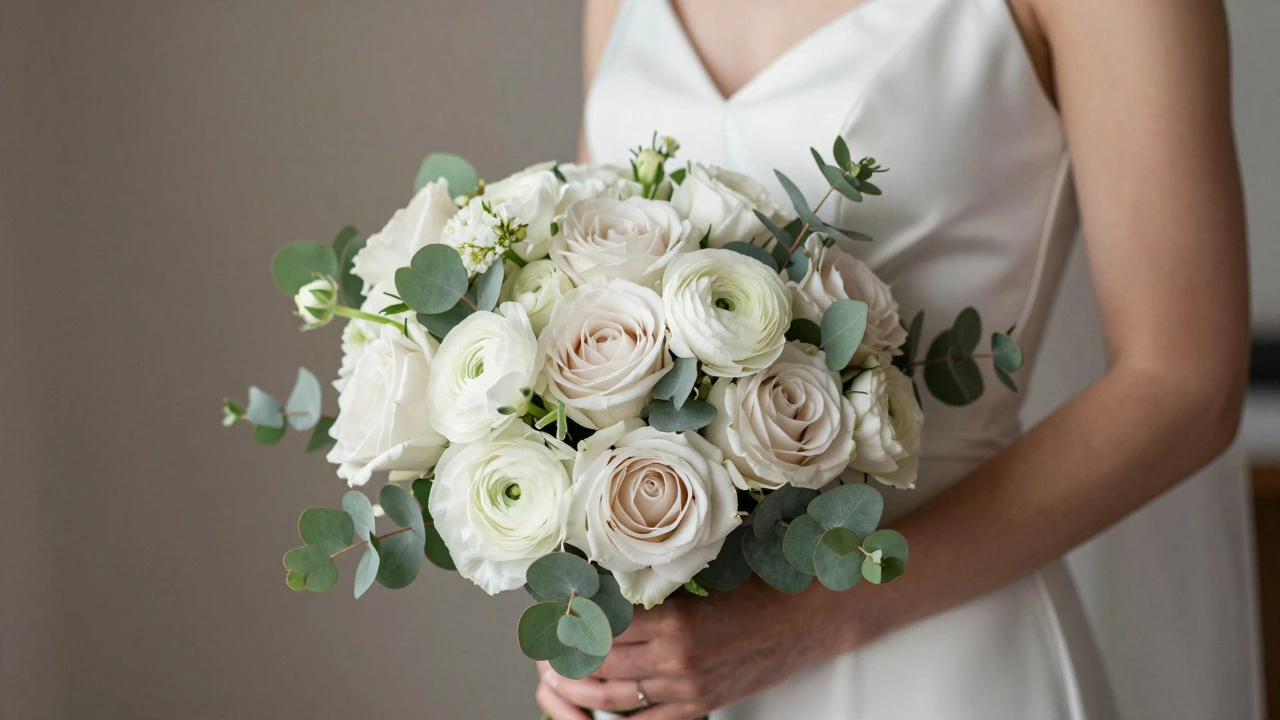
If you prefer a softer, romantic aesthetic, consider Ranunculus. These flowers resemble miniature roses with tightly packed, paper-thin petals. They are incredibly photogenic and add texture to a bouquet without the heaviness of traditional roses. However, they are fragile. The stems are thin and can snap easily, requiring careful handling by your florist. Expect to pay a premium, around $6 to $12 per stem, especially during peak spring months.
The Seasonal Stars: Timing Is Everything
One of the biggest mistakes couples make is picking a flower that is out of season. Out-of-season flowers are flown in from halfway across the world, which spikes the price and reduces their lifespan. In Ireland and the UK, where I live, the weather dictates what’s available. But even if you’re in California or Australia, sticking to local seasons saves money and ensures freshness.
| Season | Top Flower Choices | Why It Works | Avg. Cost Per Stem |
|---|---|---|---|
| Spring (Mar-May) | Tulips, Peonies, Hyacinths | Fresh, vibrant, and widely available locally | $4 - $15 |
| Summer (Jun-Aug) | Sunflowers, Dahlias, Zinnias | Heat-resistant, bold colors, cheerful vibe | $3 - $10 |
| Autumn (Sep-Nov) | Chrysanthemums, Marigolds, Eucalyptus | Earthy tones, long-lasting, rustic appeal | $2 - $8 |
| Winter (Dec-Feb) | Anemones, Amaryllis, Poinsettias | Dramatic contrast against cold weather, unique textures | $5 - $12 |
Peonies are the holy grail of spring weddings, known for their lush, full blooms and sweet scent. They are incredibly popular for good reason-they look expensive and luxurious. But here’s the catch: they only bloom for about six weeks in late spring. If you try to get them in July, you’ll pay double, and they might not be as fresh. Also, they bruise easily. Handle them gently, or they will turn brown within hours.
For summer weddings, Dahlias are a fantastic alternative to peonies. They have a similar fullness but are hardier and last longer. They come in rich jewel tones like deep purple, orange, and burgundy, which photograph beautifully in golden hour light. Sunflowers are another summer staple, offering a casual, joyful vibe that works perfectly for outdoor or barn weddings.
Budget-Friendly Beauties: Look Expensive, Spend Less
You don’t need to spend a fortune to get a gorgeous bouquet. Some flowers are naturally cheaper because they are easier to grow or produce in larger quantities. Smart couples mix these affordable options with a few pricier focal flowers to create depth and volume.
Carnations are one of the most affordable and versatile wedding flowers, often misunderstood as cheap but highly adaptable. Modern carnations come in ruffled, double-petal varieties that look nothing like the stiff flowers from your grandmother’s era. They are tough, last forever, and cost as little as $1 to $3 per stem. When paired with greenery, they create a lush, full bouquet that rivals more expensive arrangements.
Hydrangeas are another budget winner. One large head of hydrangea can fill an entire vase or take up half a bouquet. Because they provide so much volume, you need fewer stems overall, which lowers the total count and cost. However, they are thirsty plants. They wilt quickly if not kept hydrated, so your florist must keep them in water until the very last moment.
Don’t overlook Eucalyptus. This greenery has become a wedding favorite because it adds texture, scent, and a soft gray-green hue that complements almost any color palette. It’s inexpensive, durable, and dries beautifully for keepsakes. Mixing eucalyptus with white roses or ranunculus creates a sophisticated, organic look without breaking the bank.
Flowers to Avoid (Unless You Love Drama)
Not every beautiful flower is suitable for a wedding. Some have hidden drawbacks that can ruin your day if you’re not prepared.
- Lilies (Stargazer): As mentioned, their scent is potent. In a closed venue, it can trigger migraines or allergic reactions. Also, they drop pollen, which stains white dresses instantly. Ask your florist to remove the stamens.
- Tulips: They continue growing after being cut. If you leave your bouquet sitting out for too long, the stems will bend and twist, making the bouquet look messy. They also close up in low light, so they might look shut during an evening reception.
- Orchids: While elegant, they are expensive and brittle. Their waxy petals don’t absorb water well, so they don’t last as long as other flowers once arranged. They are better suited for boutonnieres than large bouquets.
- Delphiniums: Beautiful blue spikes, but they are toxic if ingested (keep away from pets) and the stems are hollow and prone to snapping. They require specialized wiring to stay upright.
How to Choose Based on Your Dress Style
Your bouquet should complement your dress, not compete with it. Think about the silhouette and details of your gown.
If you’re wearing a ballgown with heavy lace or beading, opt for structured flowers like roses, gardenias, or orchids. These flowers have defined shapes that match the formality of the dress. Avoid wild, messy arrangements that clash with the precision of intricate beadwork.
For a slip dress or minimalist satin gown, go for loose, organic styles. Ranunculus, lisianthus, and lots of greenery work well here. The goal is to create a sense of movement and ease that mirrors the simplicity of the fabric.
If your dress has bold colors or patterns, stick to neutral flowers. White, cream, or pale pink roses and hydrangeas provide a clean backdrop that lets the dress shine. Adding bright flowers to a colorful dress can create visual chaos.
Practical Tips for Florist Consultations
When you meet with your florist, bring inspiration photos, but be flexible. Florists know what’s in season and what’s available. If you fall in love with a flower that isn’t in season, ask for alternatives that have a similar shape or color.
Ask about the stem count. A typical bridal bouquet has 20 to 30 stems, but this varies based on the size of the flowers. Large blooms like dahlias or sunflowers mean fewer stems, while small sprays like baby’s breath mean many more. Knowing this helps you understand the quote.
Discuss delivery and setup. Who will arrange the bouquets? Will they be made the night before or the morning of? Freshness matters. Ideally, bouquets should be assembled no more than 24 hours before the ceremony.
Finally, think about what happens after the wedding. Do you want to dry your flowers? Press them? Give them to guests? Some flowers, like lavender, rosemary, and statice, dry beautifully. Others, like tulips and lilies, turn into mush. Plan ahead so you can preserve memories without disappointment.
What is the most affordable flower for a wedding bouquet?
Carnations and chrysanthemums are typically the most affordable options, costing between $1 and $3 per stem. Hydrangeas are also budget-friendly because one large head provides significant volume, reducing the total number of stems needed. Greenery like eucalyptus and ferns are inexpensive ways to add bulk and texture.
Do wedding bouquets need to match the bridesmaids' bouquets?
No, they don’t have to match exactly. Many couples choose complementary designs using the same color palette but different flower varieties. For example, the bride might have a large, round bouquet with peonies, while bridesmaids carry smaller posies with ranunculus and greenery. Coordination is key, but uniformity is not required.
Can I make my own wedding bouquet?
Yes, DIY bouquets are possible and can save money, but they require time and skill. Buy flowers a day or two before the wedding to ensure freshness. Watch tutorials on spiral technique and wiring. Keep in mind that professional florists have access to wholesale prices and expertise in handling delicate blooms, which might offset the labor savings.
What flowers should I avoid if I have allergies?
Avoid heavily scented flowers like lilies, gardenias, and certain roses, as pollen and strong fragrances can trigger allergies. Opt for unscented varieties like calla lilies, orchids, or alstroemeria. You can also ask your florist to remove pollen-bearing stamens from lilies to reduce allergens.
How long does a wedding bouquet last after the ceremony?
If kept in cool water and away from direct sunlight, a bouquet can last 3 to 7 days. Hardier flowers like chrysanthemums and carnations may last longer, while delicate blooms like tulips or peonies might wilt within 2-3 days. To extend life, trim stems every day and change the water regularly.