Wedding Photographer Dress Code Checker
Select your wedding scenario below to get personalized outfit recommendations that balance professionalism, comfort, and functionality.
Recommended Attire
Pro Tips
Avoid These Mistakes
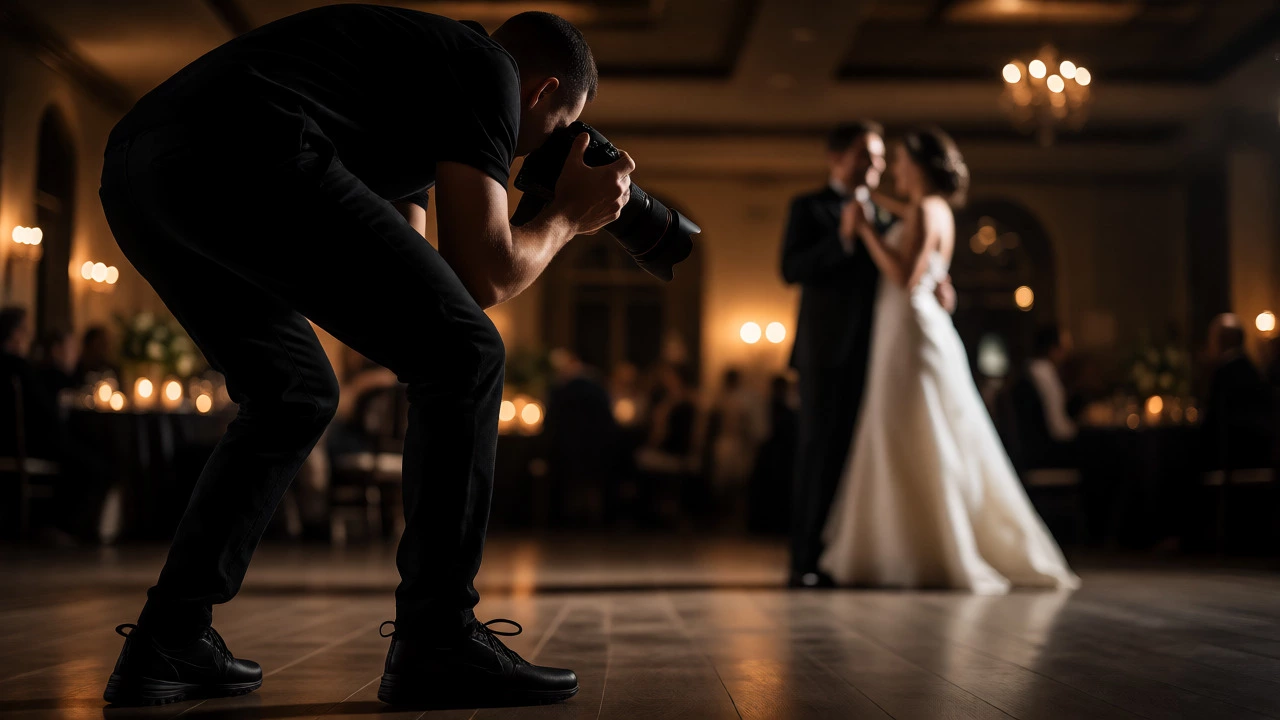
You’re standing in the corner of a ballroom, trying to capture the first dance. The couple is spinning, the guests are cheering, and you’re doing everything possible not to look like a giant black blob blocking the view. But here’s the thing: what you wear actually matters more than most people think. It’s not just about looking professional; it’s about blending in, staying comfortable enough to squat for ten minutes straight, and ensuring your outfit doesn’t end up on Instagram with a weird stain or a distracting logo.
So, what is the dress code for a photographer? While there isn’t a strict uniform law, the unwritten rulebook is pretty clear: go dark, go comfortable, and go neutral. If you’re shooting weddings, your clothes are part of your gear. Let’s break down exactly how to dress so you can focus on the shots, not your wardrobe malfunctions.
The Golden Rule: Why Black is Best
If you ask any seasoned pro what they wear, nine out of ten will say "all black." This isn’t because photographers are secretly part of a goth club (though some might be). It’s purely functional. Dark colors absorb light rather than reflecting it. When you’re moving around a dimly lit reception hall or a candlelit church, wearing white or bright yellow makes you glow under flash photography. You become a distraction in your own client’s photos.
Think about it from the guest’s perspective. If you’re wearing a neon green shirt at a formal evening wedding, everyone looks at you instead of the bride. Black recedes into the background. It helps you stay invisible, which is crucial when you’re trying to capture candid moments without ruining the mood. Plus, let’s be honest-black hides stains. Wedding receptions involve red wine, chocolate cake, and occasionally spilled champagne. If you drop a bit of frosting on your sleeve, nobody notices if it’s black. On a white shirt? You’re suddenly the guy with the dessert accident.
Comfort Over Style: Shoes Are Your Most Important Gear
You might spend eight to twelve hours on your feet during a wedding day. You’ll be walking, running, crouching, kneeling, and jumping. If your shoes hurt after two hours, you’re going to hate your life by hour six. Forget about looking cool with stiff leather dress shoes if they give you blisters. Prioritize support and cushioning.
Many photographers swear by high-quality athletic sneakers in all black. Brands like Nike, Adidas, or New Balance offer plenty of stylish, monochrome options that provide arch support and shock absorption. If the venue requires a more formal look, look for black leather boots or loafers with thick, cushioned soles. Avoid heels unless you’re incredibly experienced in balancing while holding a heavy camera. Also, make sure your shoes are silent. Squeaky sneakers can ruin a quiet moment during vows.
Dressing for Movement: Pants vs. Skirts
Photographers need range of motion. You never know when you’ll need to get low to the ground for a unique angle or climb a small step to get above the crowd. Tight jeans or restrictive skirts can limit your ability to move quickly. Opt for stretchy fabrics. Chinos with elastane blend, cargo pants with multiple pockets, or joggers made from technical fabric are great choices.
| Attire Type | Pros | Cons | Best For |
|---|---|---|---|
| All-Black Sneakers & Joggers | Maximum comfort, easy movement, hides sweat/stains | Might look too casual for very formal venues | Daytime ceremonies, outdoor weddings, active shooting styles |
| Black Chinos & Polo Shirt | Professional look, still comfortable, versatile | Can wrinkle easily if sitting for long periods | Traditional churches, semi-formal receptions |
| Dark Jeans & Button-Down | Classic look, durable denim, familiar fit | Denim can be stiff; watch for fading patches | Rustic barns, modern urban weddings |
| Formal Suit (No Tie) | Blends in with groomsmen, highly professional | Hot, restrictive, expensive to clean | High-end luxury weddings, winter events |
Pockets Are Life: Storage Solutions
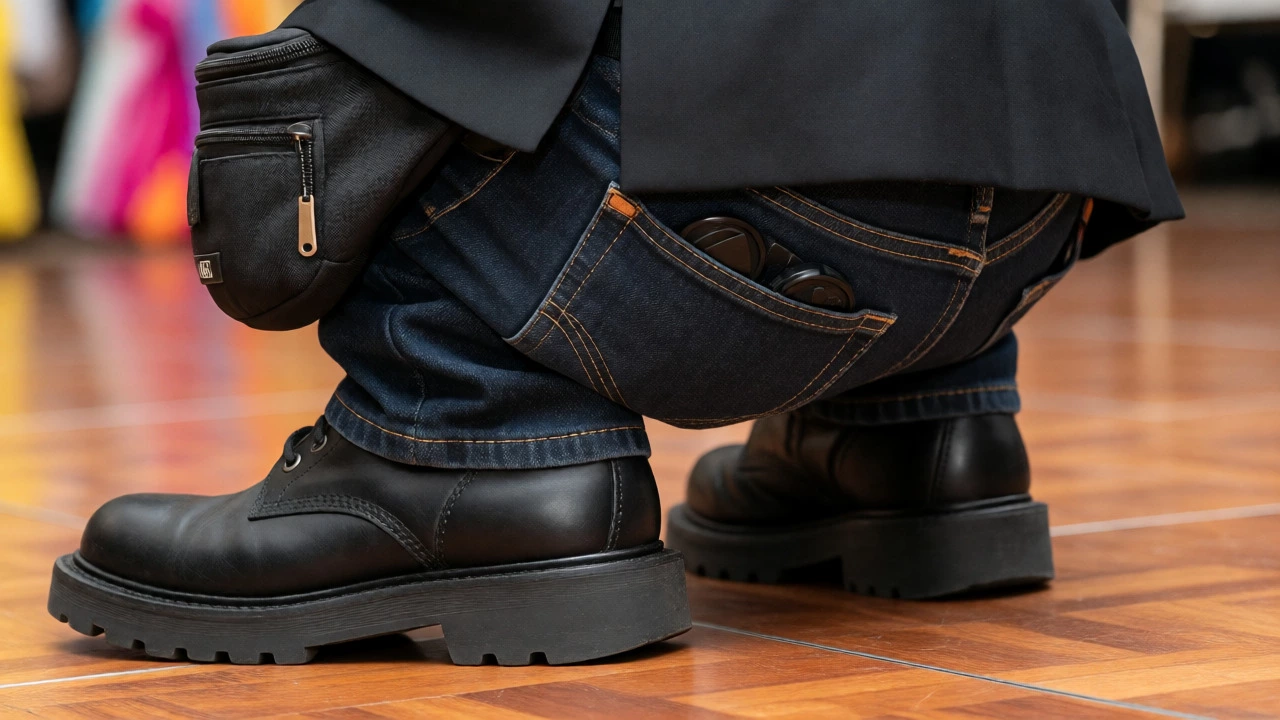
Where do you put your lens caps, memory cards, spare batteries, and phone? Pockets. Lots of them. Cargo pants aren’t just for hikers anymore. Many photographers prefer pants with deep side pockets or zippered thigh pockets. This keeps your hands free to hold your camera securely. If you’re wearing a jacket or vest, ensure it has internal pockets for small items. Relying solely on a camera bag means constantly digging through it, which slows you down and risks dropping something.
Avoid carrying loose items in back pockets where they can fall out when you bend over. Front pockets are safer but can bulge awkwardly if overloaded. A small fanny pack worn around the waist under a jacket can also work for quick-access items, keeping them secure against your body.
Weather and Venue Considerations
Your outfit needs to adapt to the environment. Shooting an outdoor summer wedding in Ireland? It might rain unexpectedly. Bring a lightweight, waterproof black shell that fits over your normal clothes. It packs small and saves you from getting soaked. In contrast, if you’re shooting a winter wedding in a drafty old castle, layer up. Thermal base layers under your regular clothes can keep you warm without adding bulk.
Indoor venues vary wildly. Some churches are freezing cold due to stone floors and lack of heating. Others, like packed banquet halls, can get stiflingly hot once dancing starts. Dress in layers you can remove. A black cardigan or blazer is perfect for this. You can take it off if it gets hot, but have it ready if the air conditioning blasts you during the ceremony.
Accessories and Grooming Details
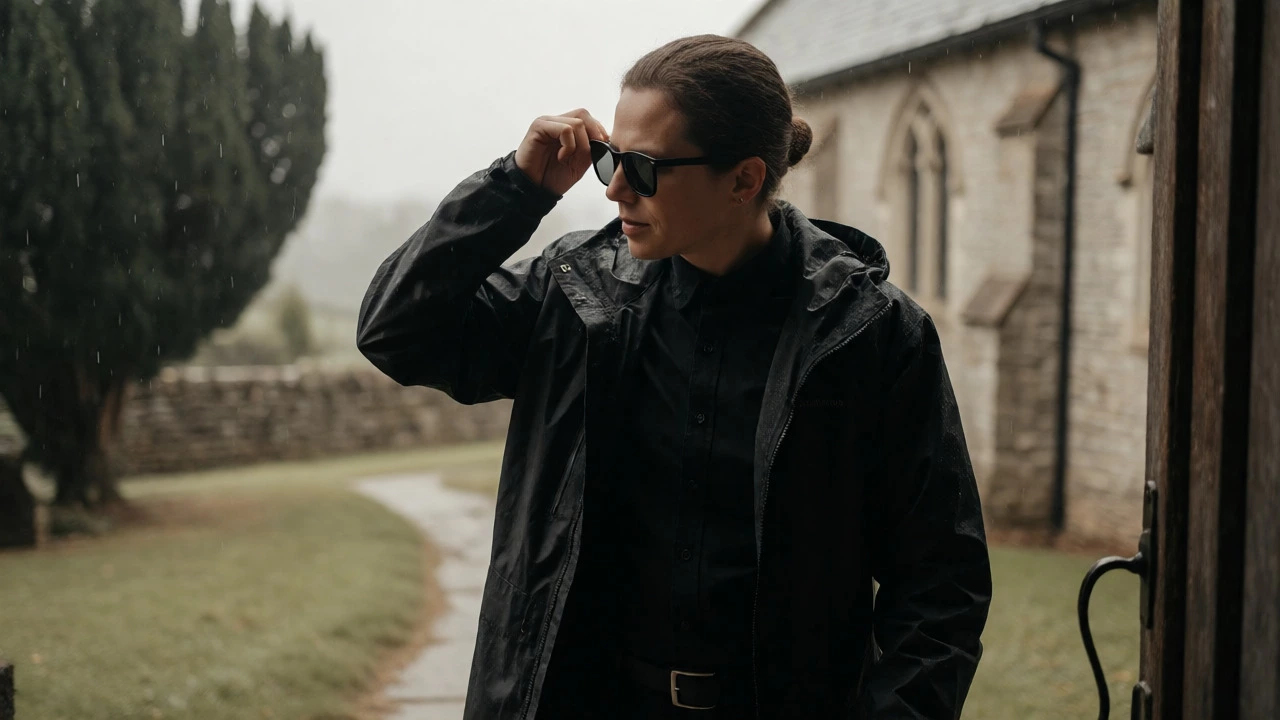
Keep accessories minimal. Large watches, jangling bracelets, or dangling earrings can catch on camera straps or make noise when you move. Stick to simple, silent jewelry. Hair should be tied back if it’s long, so it doesn’t fall in your face while you’re composing a shot. Sunglasses? Wear them outdoors, but remember to take them off before entering indoor spaces. It’s respectful and allows clients to see your eyes, building trust.
Grooming matters too. You don’t need to be perfectly coiffed, but looking disheveled can undermine your professionalism. Clean clothes, ironed shirts, and polished shoes signal that you care about details. Since you’re often close to the bride and groom, smelling good helps too. A subtle scent is fine; overpowering cologne can be annoying in tight spaces.
When to Break the Rules
Are there times when black isn’t appropriate? Yes. If you’re shooting a themed wedding, like a tropical beach party or a vintage 1920s event, you might want to match the vibe slightly. However, even then, stick to muted tones. Pastels can work if they’re dark enough not to reflect flash. Avoid white entirely-it confuses guests who might mistake you for the bride or groom. And absolutely avoid logos. Unless you’re sponsored, big brand names on your chest distract from your work.
Some couples specifically request their photographer to dress formally. If they’re having a black-tie affair, show up in a suit. It shows respect for their occasion. Always check with your clients beforehand. A quick email asking, “Do you have any preferences for my attire?” can save you from an awkward situation later.
Common Mistakes to Avoid
- Wearing white: Never wear white. It clashes with bridal traditions and reflects light poorly.
- Bright patterns: Stripes or checks can create moiré effects on video recordings or distract in photos.
- Uncomfortable new shoes: Never debut new footwear on a wedding day. Break them in weeks prior.
- Overdressing: Showing up in a tuxedo to a backyard BBQ wedding makes you stand out unnecessarily.
- Under-dressing: Wearing gym shorts to a cathedral ceremony can seem disrespectful.
Remember, your job is to document the day, not participate in it. Your clothes should facilitate that mission. By sticking to dark, comfortable, and practical outfits, you ensure that nothing stands between you and the perfect shot.
Why do photographers wear all black?
Photographers wear black primarily to remain visually unobtrusive. Dark colors absorb light rather than reflecting it, preventing the photographer from appearing as a bright spot in flash-lit images. Additionally, black hides stains from food, drinks, and outdoor elements, maintaining a professional appearance throughout long wedding days.
Can wedding photographers wear jeans?
Yes, provided they are dark-colored (black or dark blue) and free of rips or excessive fading. Dark jeans paired with a neat button-down shirt or polo are acceptable for many casual or semi-formal weddings. However, for very formal or traditional ceremonies, chinos or slacks are often preferred for a cleaner look.
What shoes should wedding photographers wear?
Comfortable, supportive, and silent shoes are essential. All-black athletic sneakers are popular for their cushioning and ease of movement. Alternatively, black leather boots or loafers with thick soles work well for a more formal aesthetic. Avoid squeaky soles, hard leather that causes blisters, or heels that hinder mobility.
Should photographers wear ties?
Generally, no. Ties can dangle into lenses, get caught on equipment, or feel restrictive during active shooting. Most photographers opt for open-collar shirts or polos. Exceptions include ultra-formal black-tie weddings where matching the groom’s level of formality is requested by the couple.
Is it okay to wear a hat while photographing?
It depends on the setting. Outdoors, a cap protects from sun glare and rain. Indoors, hats are usually removed as a sign of respect, especially in religious venues. If wearing one, choose a solid, dark color without loud logos to maintain a professional and non-distracting appearance.