Wedding Cake Filling Builder
Select Your Fillings
Choose up to 3 layers to create your perfect combination.
| Filling Type | Flavor Profile | Texture | Stability |
|---|
Baker's Insight
Select your layers and click "Build My Cake" to see how they compare.
Ask a hundred bakers what makes a wedding cake truly memorable, and half of them will point to the frosting. The other half will whisper about the filling. While the exterior gets all the Instagram likes, the interior is where the actual flavor lives. So, if you are planning your big day in 2026, you need to know: what is actually inside those tiers?
The short answer is that buttercream remains the undisputed king of popularity. It is versatile, stable, and universally loved. However, the definition of "popular" shifts depending on whether you ask a bride looking for tradition or a baker chasing modern trends. Vanilla bean Swiss meringue buttercream dominates the charts, but rich chocolate ganache and tangy lemon curd are fighting hard for second place.
The Reign of Buttercream: Why It’s Number One
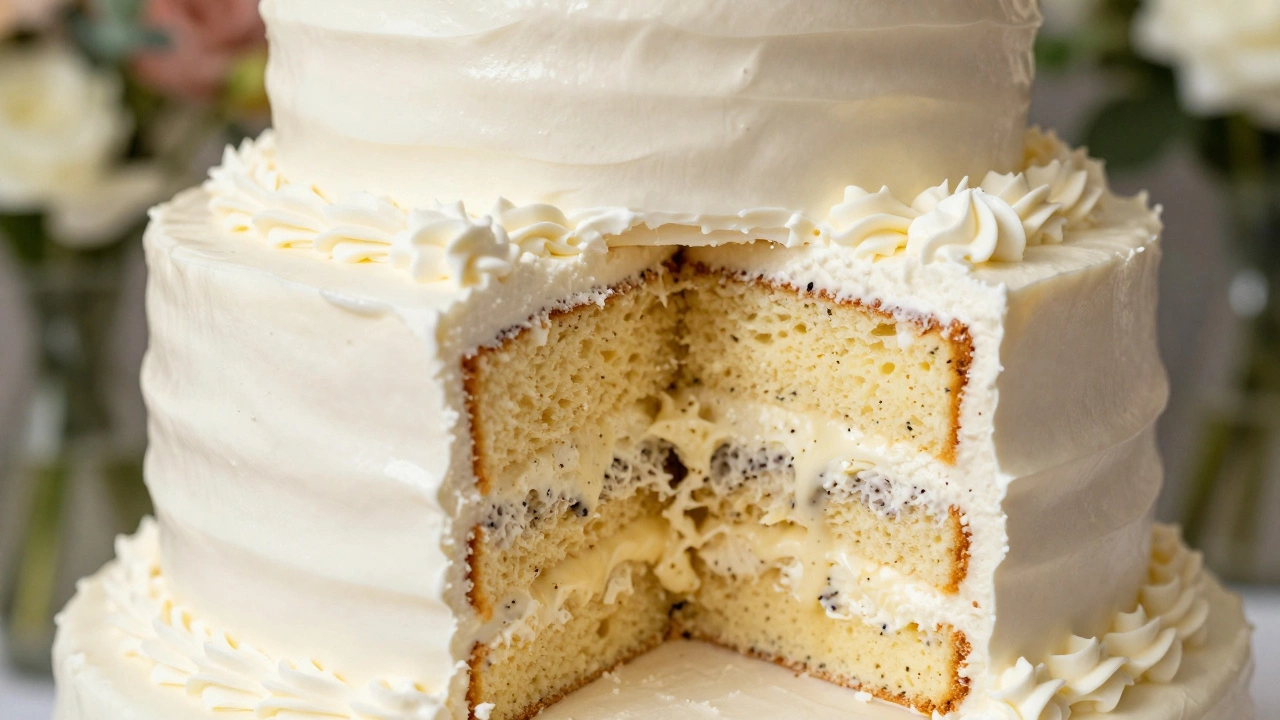
When we talk about the most popular wedding cake filling, we are almost always talking about buttercream. Specifically, Swiss Meringue Buttercream (SMBC). Unlike the stiff, sugary American buttercream of the past, SMBC is silky, less sweet, and has a texture that feels like whipped cloud rather than fondant paste.
Vanilla Bean Buttercream is the standard-bearer for wedding cakes because it pairs with literally any sponge flavor. Whether your cake layers are yellow, white, red velvet, or almond, vanilla bean buttercream bridges the gap without overpowering the palate. It provides a creamy mouthfeel that cuts through the density of dense sponge cakes.
Bakers love it because it is structurally sound. You can pipe a thick dam of buttercream around a cake layer, fill it with something else, and cap it off. Or, you can just use a generous amount of buttercream as the sole filling. For many couples, this simplicity is a feature, not a bug. It guarantees a consistent taste from the first bite to the last.
The Rise of Fruit Curds: The Tangy Counterpoint
If buttercream is the safe choice, fruit curds are the exciting upgrade. In recent years, there has been a massive surge in demand for acidic fillings. Why? Because weddings are often hot, humid events. A slice of pure sugar and fat can feel heavy after three hours of dancing and champagne. Acid cuts through that richness.
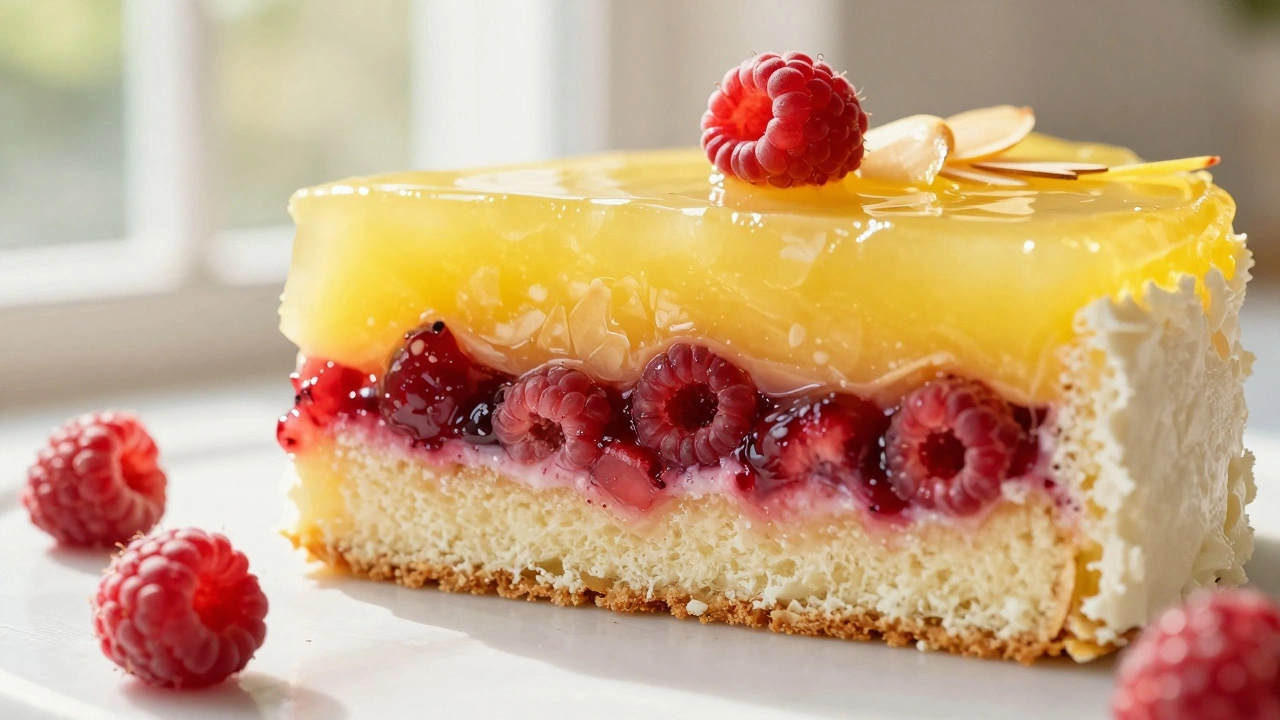
Lemon Curd is a bright, zesty filling made from lemon juice, zest, eggs, sugar, and butter. It offers a sharp contrast to sweet vanilla or chocolate sponges. Paired with raspberry jam or fresh berries, it creates a complex flavor profile that keeps guests coming back for seconds.
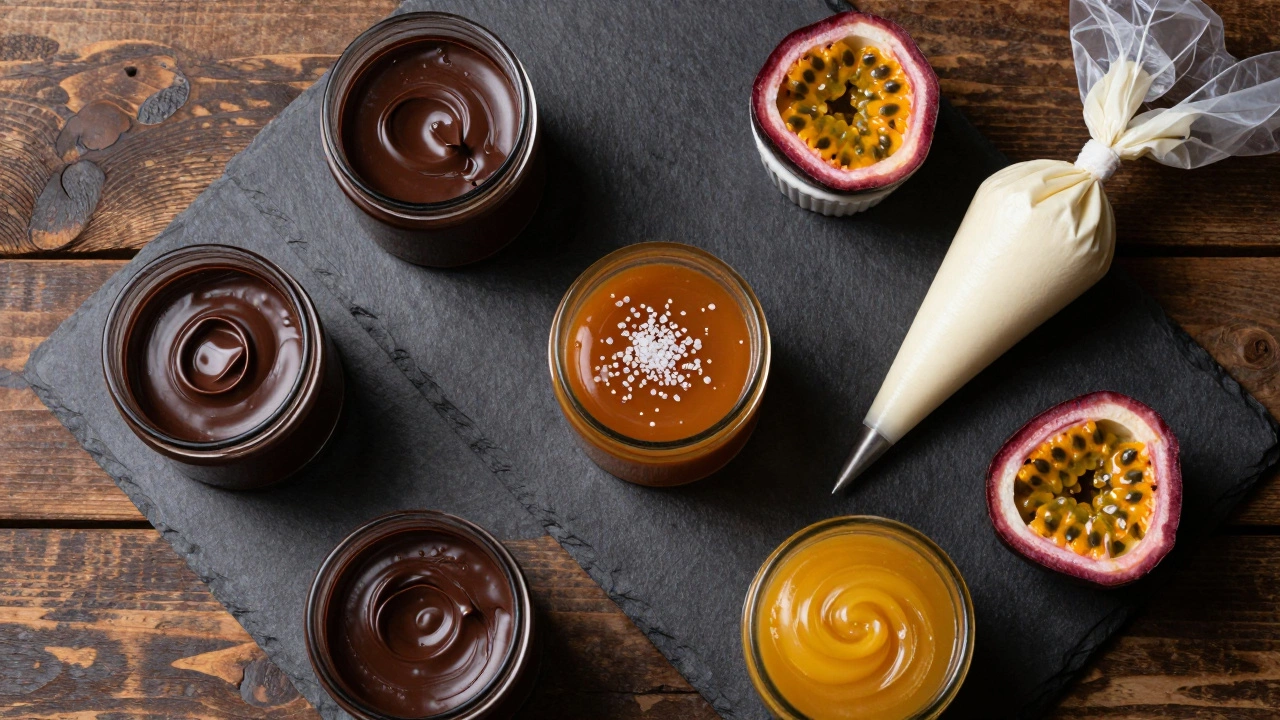
Other popular curds include passion fruit, which brings a tropical punch, and elderflower, which adds a subtle floral note. These fillings require a bit more care during assembly-they are softer and can leak if not contained properly-but the payoff in flavor is significant. If you want your cake to feel fresh and modern, skip the plain buttercream and go for a curd center.
Ganache: The Chocolate Lover’s Dream
You cannot discuss popular fillings without mentioning ganache. While technically an emulsion of cream and chocolate, ganache functions as a filling when cooled to a spreadable consistency. It is denser than buttercream and richer than curd.
Chocolate Ganache is a luxurious filling created by heating cream and pouring it over chopped chocolate. It sets firm but melts on the tongue, providing an intense chocolate experience that light frostings simply cannot match.
In 2026, dark chocolate ganache (70% cocoa or higher) is trending among couples who find milk chocolate too cloying. It pairs exceptionally well with salted caramel or espresso-infused sponge. If your guest list includes serious chocoholics, a layer of ganache is non-negotiable. Just be aware that ganache is heavier; a cake filled entirely with it might feel too dense for some guests.
The Hybrid Approach: Layering for Complexity
Here is the secret most professional bakers use: they rarely pick just one. The most popular wedding cakes in high-end markets use a hybrid filling strategy. This isn't just about aesthetics; it's about texture engineering.
A common winning combination is:
- Base Layer: A thin smear of jam (like strawberry or raspberry) to add moisture and fruitiness.
- Middle Layer: A thick band of buttercream or ganache for structure and richness.
- Top Layer: Fresh fruit compote or a lighter curd to finish with brightness.
This method ensures that every bite has a balance of sweet, sour, creamy, and fruity elements. It prevents "palate fatigue," where the sweetness becomes overwhelming after a few bites. When discussing your cake with your baker, ask if they offer layered fillings. It’s often an optional upgrade that transforms a good cake into a great one.
Regional Preferences and Seasonal Shifts
Popularity is also geographic. In warmer climates like Florida or Texas, lighter fillings dominate. Whipped cream stabilized with gelatin or mascarpone cheese mixtures are preferred because they melt slower and feel lighter in the heat. In cooler regions like New York or Chicago, richer fillings like salted caramel or brown butter frosting hold up better and satisfy the desire for comfort food.
Seasonality matters too. Spring weddings see a spike in floral infusions-rose water, lavender, and jasmine fillings. Fall and winter weddings lean toward spiced fillings like pumpkin spice, apple cinnamon, or pecan praline. Aligning your filling with the season makes the cake feel cohesive with the rest of your decor and menu.
| Filling Type | Flavor Profile | Texture | Best Sponge Pairing | Stability |
|---|---|---|---|---|
| Swiss Meringue Buttercream | Creamy, Sweet, Versatile | Smooth, Pipeable | Vanilla, Yellow, Red Velvet | High |
| Lemon Curd | Tangy, Bright, Acidic | Jelly-like, Soft | White, Almond, Coconut | Medium |
| Chocolate Ganache | Rich, Intense, Bitter-Sweet | Dense, Silky | Chocolate, Carrot, Espresso | High |
| Salted Caramel | Savory-Sweet, Buttery | Sticky, Chewy | Vanilla, Salted Butter | Medium |
| Fresh Fruit Compote | Natural, Juicy, Light | Chunky, Moist | Lemon, Strawberry Shortcake | Low |
Common Pitfalls to Avoid
Choosing a filling isn't just about taste; it's about logistics. Here are three mistakes couples make when selecting their interior flavors:
- Ignoring Structural Integrity: Fresh fruit slices (like whole strawberries) can release water and make the cake soggy within hours. Always opt for cooked jams, curds, or compotes unless your baker uses specialized stabilization techniques.
- Overcomplicating the Flavor Wheel: Don’t pair five different strong flavors. A classic mistake is mixing mint, chocolate, and raspberry. Stick to two complementary notes max. Simple is elegant.
- Skipping the Tasting: Cake tastes different in a cupcake versus a full-sized tier. The ratio of sponge to filling changes. Insist on tasting the specific filling you plan to order, not just the frosting sample.
How to Discuss Fillings With Your Baker
When you sit down with your wedding cake maker, come prepared. Instead of saying "I want something delicious," try these specific questions:
- "Do you offer Swiss Meringue Buttercream, or do you use Italian Meringue?" (SMBC is generally smoother and less sweet.)
- "Can I have a layered filling? For example, a thin layer of raspberry jam under the buttercream?"
- "How do you prevent fruit curds from leaking out of the sides?" (Look for answers involving a buttercream dam.)
- "Is there an extra cost for specialty fillings like passion fruit or lavender?"
Most reputable bakers will guide you toward a filling that complements your chosen sponge. If you pick a dense chocolate cake, they’ll likely suggest a lighter fruit element to balance it. Trust their expertise, but advocate for your preferred flavor profile.
Final Thoughts on Choosing Your Filling
The most popular wedding cake filling isn't a single ingredient; it's a balance. Vanilla bean buttercream wins on versatility and crowd-pleasing appeal. Lemon curd wins on freshness and modern trendiness. Ganache wins on intensity and richness. The best choice depends on your personal taste, the season, and the structural needs of your cake design.
Don't underestimate the power of the interior. Guests may judge the book by its cover, but they'll remember how it tasted. Take the time to explore beyond the basic options, and you'll create a dessert that stands out long after the confetti settles.
What is the most requested wedding cake filling in 2026?
Vanilla bean Swiss Meringue Buttercream remains the most requested filling due to its universal appeal, smooth texture, and ability to pair with any cake flavor. However, lemon curd and salted caramel are rapidly gaining popularity as secondary or layered fillings.
Is buttercream better than ganache for wedding cakes?
It depends on your preference. Buttercream is lighter, sweeter, and easier to pipe for decorative effects. Ganache is richer, denser, and less sweet, offering a more intense chocolate experience. Many bakers use both: ganache for chocolate cakes and buttercream for vanilla or fruit-based cakes.
Can I use fresh fruit as a wedding cake filling?
Fresh fruit can be risky because it releases moisture, which can make the cake soggy and cause structural issues. It is safer to use fruit preserves, jams, curds, or compotes. If you insist on fresh fruit, ensure your baker uses a barrier like a buttercream dam to contain the juices.
What filling goes best with red velvet cake?
Red velvet cake traditionally pairs with cream cheese frosting or filling. However, many modern bakers recommend using a cream cheese-flavored buttercream for better stability and a smoother texture. Vanilla bean buttercream is also a popular neutral option that lets the cocoa notes shine.
How much does a specialty filling cost extra?
Costs vary by bakery, but expect to pay an additional $0.50 to $2.00 per serving for specialty fillings like passion fruit curd, homemade caramel, or intricate layered combinations. Basic buttercream and ganache are usually included in the base price.