Wedding Cake Filling Finder
Not sure what goes inside your cake? Answer three quick questions to find the best filling pairings for your big day.
You’ve picked the venue, chosen the dress, and finalized the guest list. But then comes the panic moment: what goes inside the cake? It’s a surprisingly common question because most people eat wedding cake once or twice a year, if that. You’re expected to make a high-stakes flavor decision with little experience. The truth is, there isn’t one single "most popular" filling for everyone, but there are clear winners depending on your region, season, and cake structure. In Ireland and the UK, where I live in Dublin, the landscape looks different than in New York or Paris.
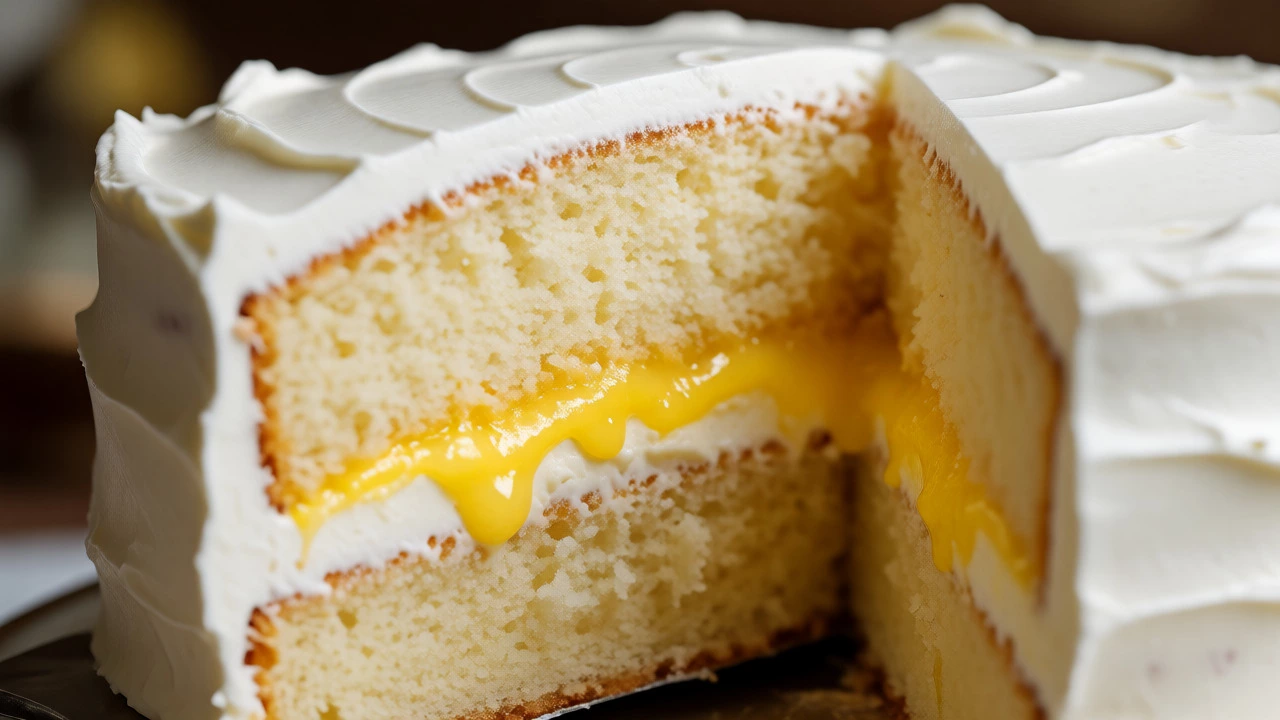
If you want the short answer before we get into the delicious details: Lemon Curd paired with Swiss Meringue Buttercream is currently the top contender for modern weddings in Europe, while Chocolate Ganache remains the timeless global classic. Why? Because they solve two major problems: they keep the cake moist and they provide structural stability so your tiers don’t slide apart during transport.
The Reality of Moisture and Structure
Before you fall in love with a flavor, you need to understand the physics of a wedding cake. A standard sponge cake dries out quickly. If you just stack layers with dry frosting, you’ll end up with something resembling cardboard by cutting time. Fillings aren't just about taste; they are moisture reservoirs. They also act as glue. A thin layer of jam might taste great, but it offers zero structural support. Thick fillings like ganache or dense buttercream hold the weight of upper tiers.
This is why pastry chefs often push back against requests for very light, airy mousses in tall, multi-tier cakes. Unless you have internal supports (which add cost), the cake needs density at the seams. So, when choosing a filling, ask yourself: does this help my cake survive the journey from the bakery to the reception hall?
Top Contender: Lemon Curd and Citrus Blends
In recent years, citrus has dominated wedding trends, especially here in Ireland. Lemon Curd is a thick custard made from lemon juice, zest, sugar, eggs, and butter. Its popularity stems from its ability to cut through the sweetness of vanilla or almond sponge. Let’s be honest-traditional wedding cake can be cloyingly sweet. The sharp acidity of lemon balances that perfectly.
But lemon curd alone can be runny. Professional bakers almost always pair it with a stabilizer. The most common pairing is Swiss Meringue Buttercream. This combination creates a bright, zesty profile that feels fresh rather than heavy. It works exceptionally well with almond sponge, which provides a nutty backdrop that complements the citrus without overpowering it.
| Filling Type | Best Sponge Match | Structural Stability | Flavor Profile |
|---|---|---|---|
| Lemon Curd + Swiss Meringue | Almond or Vanilla | Medium-High | Bright, Tangy, Sweet |
| Dark Chocolate Ganache | Rich Chocolate | High | Deep, Rich, Decadent |
| Raspberry Coulis + Cream Cheese | Vanilla or Red Velvet | Low-Medium | Fruity, Tart, Creamy |
| Salted Caramel | Vanilla or Coffee | Medium | Sweet, Salty, Savory |
| Passion Fruit Curd | Coconut or Vanilla | Medium | Tropical, Intense, Sharp |
The Global Classic: Chocolate Ganache
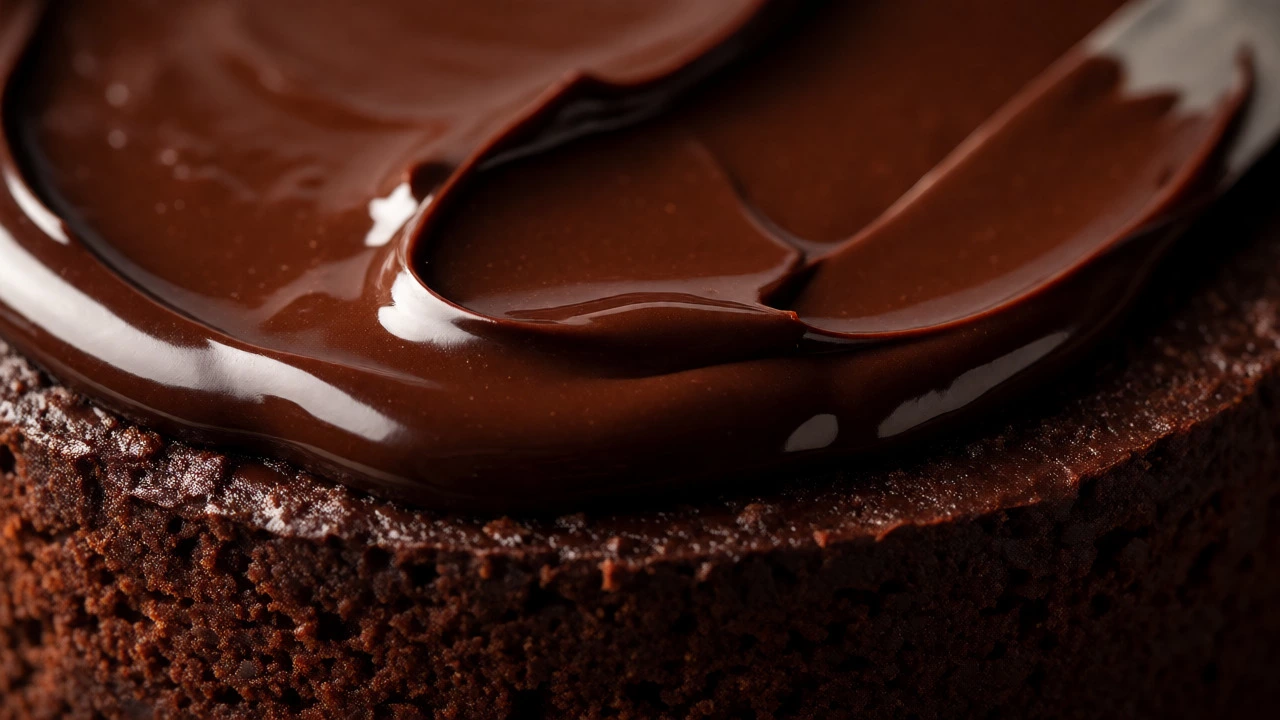
If you look at global data, chocolate is still king. But not all chocolate fillings are created equal. Ganache is a mixture of chocolate and heated cream, cooled until it reaches a spreadable consistency. When used correctly, it sets firm enough to hold tiers together but melts beautifully on the tongue.
The secret to a great ganache filling is the ratio. Too much cream, and it stays soft and greasy. Too much chocolate, and it becomes waxy and hard to cut. A 1:1 ratio of dark chocolate to double cream is the industry standard for filling. It pairs best with a rich chocolate mud cake or a dense devil's food cake. Avoid pairing ganache with light chiffon cakes; the weight difference causes instability.
One pitfall to avoid: temperature sensitivity. In a hot summer wedding, even stable ganache can soften. If your reception is outdoors in July, consider chilling the cake right before service or opting for a more heat-stable buttercream base with chocolate swirls instead.
Cream Cheese and Berry Compotes
Cream cheese frosting is polarizing. Some people hate the tang; others can’t get enough. However, when used as a filling component rather than the sole exterior coating, it shines. Paired with a fruit compote, it creates a lush, indulgent bite. Raspberry is the traditional partner, but blackberry and strawberry work too.
Here’s the catch: cream cheese is perishable. Unlike buttercream or ganache, it requires strict refrigeration. If your wedding cake maker doesn’t have cold storage on-site, or if the truck ride exceeds two hours without proper cooling, you risk spoilage. Always confirm the logistics. Also, berry seeds can ruin the texture if the compote isn’t strained properly. Ask your baker specifically if they strain their fruit fillings.
Modern Favorites: Salted Caramel and Nutella
Salt has become a key player in dessert design. Salted Caramel is a confection made by heating sugars and adding butter, cream, and salt. It adds complexity and prevents the cake from tasting one-dimensional. It’s particularly popular for autumn and winter weddings, offering warmth and comfort.
Nutella or hazelnut praline is another rising star, especially among younger couples who grew up eating these spreads. It’s nostalgic and universally liked. However, both caramel and Nutella are sticky. Cutting them cleanly requires a hot knife. If you plan to serve slices to guests immediately after the toast, ensure your catering team knows how to handle sticky fillings to avoid messy plates.
How to Choose Your Filling: A Decision Framework
Don’t just pick based on what sounds good in isolation. Consider the whole experience:
- Seasonality: Lighter fillings like lemon or passion fruit suit spring and summer. Heavier options like chocolate or caramel fit autumn and winter.
- Guest Demographics: Are you serving older relatives who prefer traditional vanilla? Or young friends who might enjoy experimental flavors like Earl Grey or Lavender?
- Dietary Restrictions: Vegan cakes often use coconut oil-based frostings, which pair differently with fruit curds. Gluten-free sponges can be denser, requiring moister fillings.
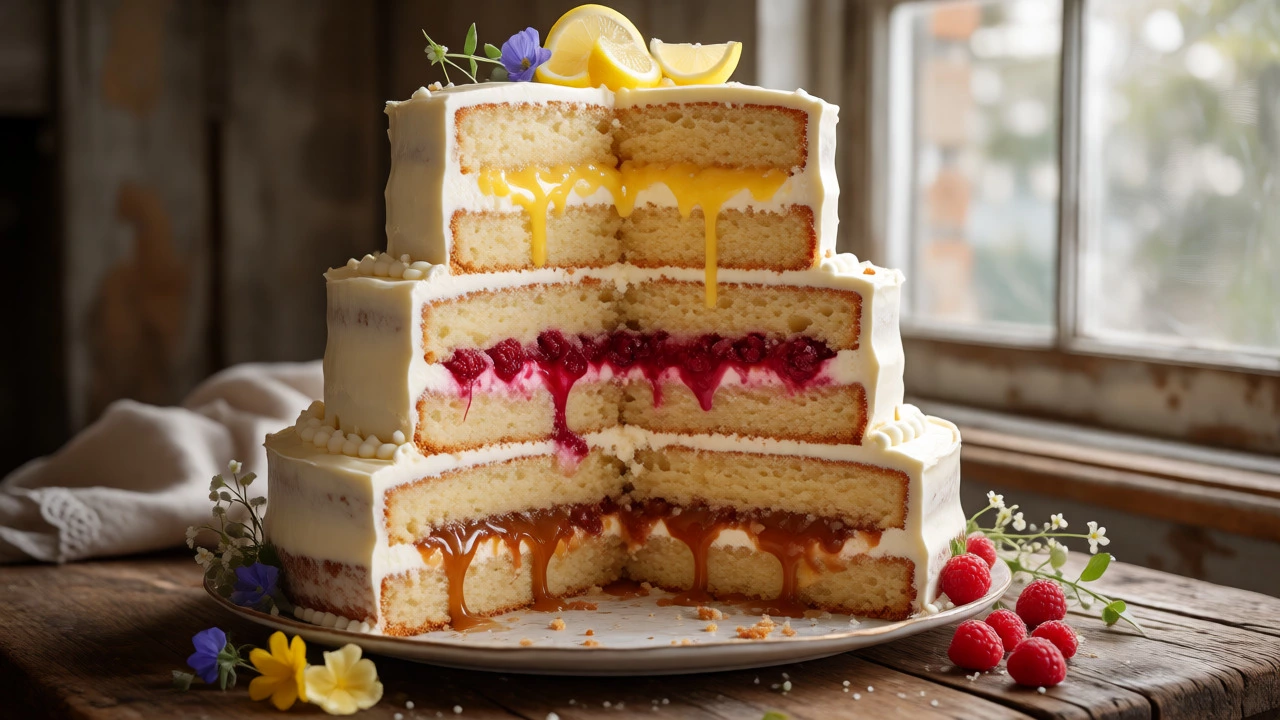
- Visual Impact: Will you show the cross-section? A vibrant raspberry filling looks stunning against white sponge. Brown chocolate blends in unless you use colored sponges.
A pro tip: Do a tasting session with your baker. Bring your favorite wine or cocktail. See if the filling clashes with what you’ll be drinking. A delicate lemon curd might disappear next to a bold Cabernet Sauvignon, whereas a rich chocolate ganache stands up to it.
Common Mistakes to Avoid
I’ve seen many brides regret their choices because they ignored practical constraints. Here are the big ones:
- Too Many Flavors: Stacking five different fillings confuses the palate. Stick to one main filling per tier, or two complementary ones max.
- Ignoring Humidity: Irish weather is unpredictable. Sugar-based fillings can weep in humidity. Ask your baker about stabilizers if you’re worried.
- Assuming "Natural" Means Simple: Fresh fruit fillings release water over time, making the cake soggy. Cooked compotes or jams are safer bets than raw fruit.
Ultimately, the most popular filling is the one that makes your guests say, "Wow, this actually tastes good." It’s not about following trends blindly. It’s about matching flavor profiles to your event’s vibe. Whether you go with the crisp brightness of lemon curd or the deep richness of chocolate ganache, ensure it complements your sponge and survives the night.
Is lemon curd too sour for a wedding cake?
Not if balanced correctly. High-quality lemon curd uses plenty of butter and sugar, mellowing the acidity. Pairing it with a sweet vanilla or almond sponge neutralizes the sharpness, creating a balanced, refreshing taste rather than a sour shock.
Can I mix different fillings in one cake?
Yes, but keep it simple. Mixing two complementary flavors (like chocolate and raspberry) on different tiers is fine. Mixing three or more can confuse the palate and complicate structural integrity. Ensure the flavors share similar moisture levels to prevent separation.
Which filling lasts longest without refrigeration?
Ganache and Swiss Meringue Buttercream are the most stable at room temperature. Cream cheese and fresh fruit fillings require refrigeration. If your venue lacks fridge space, stick to buttercream-based options or shelf-stable jams.
Does the filling affect the price of the cake?
Yes. Complex fillings like homemade passion fruit curd or premium dark chocolate ganache cost more than standard vanilla buttercream due to ingredient quality and labor. Always ask for a breakdown of filling costs during the quote phase.
What is the safest filling for a summer outdoor wedding?
Swiss Meringue Buttercream is the safest bet. It’s stable in heat compared to American buttercream and doesn’t melt like pure chocolate. Avoid cream cheese or whipped cream fillings unless you have guaranteed cold storage until service.