Groom Style Score Calculator
Answer these questions based on the article's advice to see if you are avoiding the top 10 style mistakes.
Your Style Readiness
Areas to Review:
You spent months planning the venue, the menu, and the playlist. But when it comes to your own look, you might be winging it. That is a risky move. As a groom, your appearance sets the tone for the entire wedding party. A sloppy fit or a clashing accessory doesn't just look bad in photos; it signals a lack of attention to detail that can undermine the elegance of the event. You want to look sharp, confident, and like you belong next to the bride.
The good news? Most fashion disasters are preventable. They usually stem from outdated advice, poor tailoring, or trying too hard to stand out. This guide breaks down the specific mistakes grooms make with their groom suits and overall presentation. We will cover everything from fabric choices to tie knots, ensuring you avoid the pitfalls that turn a great wedding into a wardrobe malfunction.
Skip the Off-the-Rack Rental
The biggest mistake a groom can make is treating his suit like a disposable costume. Renting a suit sounds economical until you realize that rental garments are designed to fit no one perfectly. They are mass-produced in standard sizes that rarely account for shoulder width, inseam length, or chest proportions. When you wear a rental, you are wearing a garment that has been through dozens of dry cleaning cycles, stretched out by previous wearers, and likely lacks the structural integrity to hold its shape during a long day of dancing and dining.
Instead of renting, invest in a well-tailored off-the-rack suit or go bespoke if your budget allows. A suit that fits your body correctly transforms your silhouette instantly. It makes you look taller, leaner, and more authoritative. Think about it this way: you will wear this suit again. Maybe for an anniversary, a formal interview, or another special event. A rented suit goes back to the shop forever. Your own suit becomes part of your personal uniform. The cost per wear drops significantly when you reuse the garment over the next decade.
If you must rent due to budget constraints, ensure you have a professional tailor adjust it before the wedding. Even small tweaks, like taking in the waist or hemming the trousers, can make a rented suit look custom-made. Never skip the fitting appointment. If the store says "it fits fine," trust your eyes, not their sales pitch. If it pulls at the buttons or bunches at the ankles, it does not fit fine.
Ignore the Fit of the Shoulders
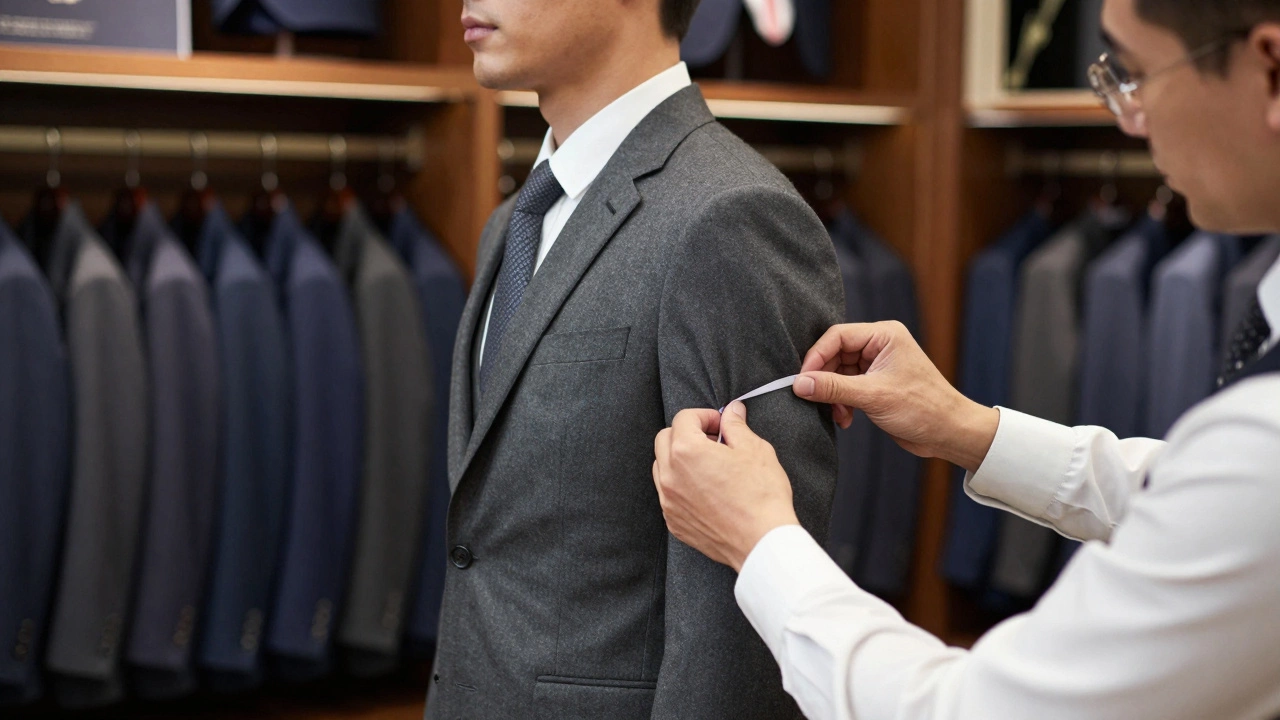
Shoulder fit is non-negotiable. It is the foundation of any jacket. If the shoulders of your suit do not lie flat against your natural shoulder line, no amount of tailoring on the sleeves or waist will save it. A jacket with padded shoulders that extend past your actual shoulders makes you look like you are shrinking inside the clothes. Conversely, shoulders that dip below your bone structure make you look slouched and weak.
Check the seam where the sleeve meets the body of the jacket. It should end right where your shoulder bone ends. If there is excess fabric creating wrinkles or divots, the jacket is too big. If the fabric feels tight across your back when you hug yourself, it is too small. This area is difficult and expensive to alter, so get it right from the start. A proper shoulder fit gives you a V-shape torso, which is universally considered attractive and powerful. It frames your face and draws attention upward, away from any midsection concerns.
When shopping, try on jackets with different lapel styles. Peak lapels add visual width to narrow shoulders, while notch lapels are safer for broader frames. Match the lapel width to your body type. Wide lapels on a slim frame overwhelm your physique. Narrow lapels on a heavy-set frame make you look top-heavy. Balance is key. Your suit should complement your anatomy, not fight against it.
Wear the Wrong Fabric for the Season
Fabric choice dictates comfort and drape. Many grooms pick a suit based solely on color, ignoring how the material behaves in the weather. Wearing a heavy wool flannel suit in July is a recipe for sweat stains and irritability. Wool flannel is warm and soft, perfect for winter weddings, but it traps heat. In summer, you need lightweight fabrics like tropical wool, linen, or cotton blends. These materials breathe, allowing air to circulate between your skin and the jacket.
Linen looks incredibly stylish in spring and summer, but it wrinkles easily. Embrace the wrinkles. They are part of the charm of linen. However, pure linen can be too casual for some black-tie events. A linen-cotton blend offers a smoother finish while maintaining breathability. For fall and winter, opt for heavier wools, tweeds, or corduroys. These textures add depth and warmth to your look. They photograph beautifully under low-light conditions, adding richness to evening shots.
Consider the venue's climate control. Indoor venues with strong air conditioning might make a light summer suit feel chilly later in the night. Layering is your friend. A high-quality vest or waistcoat adds warmth and formality without bulk. It also covers the shirt button area if you accidentally unbutton it while eating. Always check the fabric content label. Avoid polyester blends if possible. Pure natural fibers regulate temperature better and last longer. Polyester tends to shine under flash photography, making you look oily rather than polished.
Mismatch Your Shoes and Belt
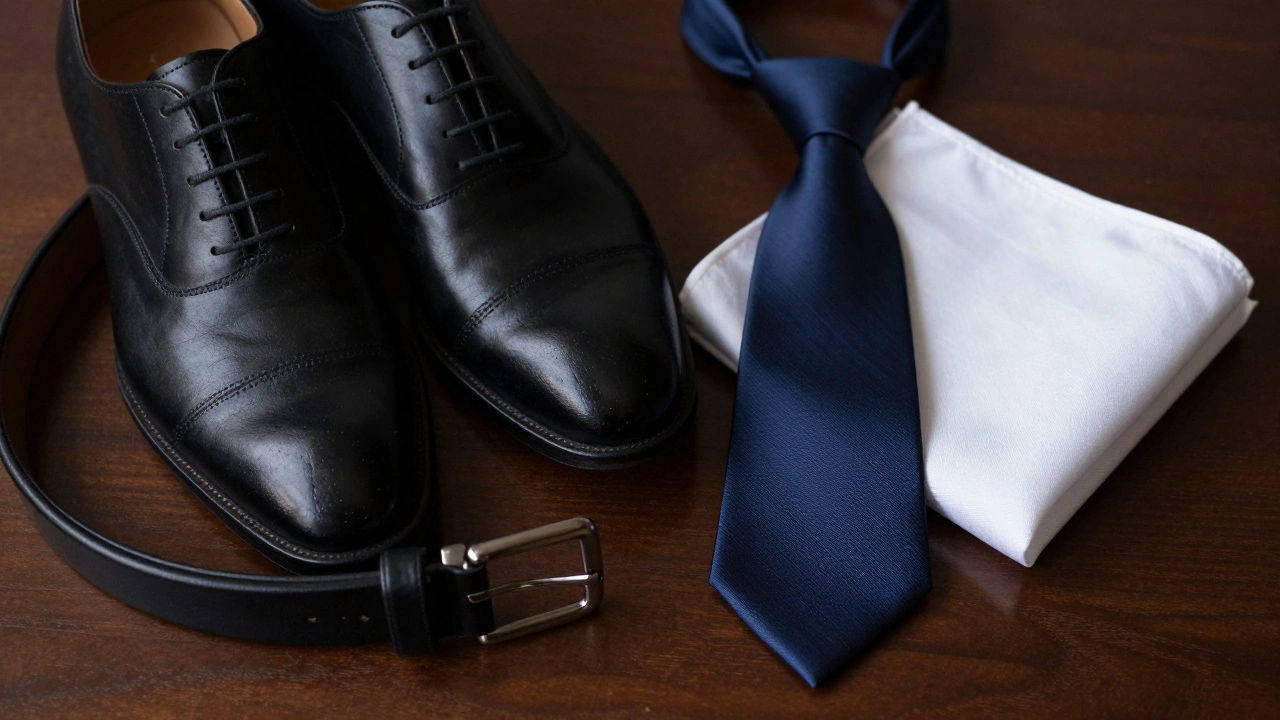
This seems obvious, yet we see it constantly. Your shoes and belt must match in both color and leather type. Black oxfords with a brown belt create a jarring visual disconnect. Brown derbies with a black belt look accidental rather than intentional. The rule is simple: match the darkness and the finish. If your shoes are shiny patent leather, your belt should be too. If they are matte calfskin, choose a matte belt.
Beyond matching, consider the formality level. Oxfords are the most formal shoe style, featuring closed lacing. They are ideal for black-tie and morning dress. Derbies have open lacing and are slightly less formal, suitable for business casual or daytime weddings. Loafers or monk straps work for relaxed, rustic, or beach weddings. Never wear sneakers unless the wedding is explicitly casual and you have styled them intentionally with a tailored suit. Even then, clean, minimalist white leather sneakers are the only acceptable option. Dirty canvas runners ruin the aesthetic.
Shoe condition matters immensely. Scuffed toes or worn heels signal neglect. Polish your shoes the night before the wedding. Use a cream polish to nourish the leather and a wax polish for shine. Invest in good socks. No-show socks with trousers are a faux pas. Your socks should match your trousers or your shoes, ensuring no bare skin shows when you sit down. Long enough socks protect your legs and maintain a continuous line from knee to shoe.
Overcomplicate the Tie and Pocket Square
Ties and pocket squares are accessories, not main characters. A common error is making them too loud or too large. A tie that is four inches wide looks dated and bulky. Stick to ties between 3 and 3.5 inches wide. This proportion works for most body types and modern suit cuts. Knot size should match your collar spread. A wide-spread collar needs a larger knot like a Windsor. A narrow collar pairs better with a Four-in-Hand or Half-Windsor.
Avoid novelty prints unless you are sure the theme supports it. Polka dots, stripes, and solid colors are timeless. Silk ties reflect light nicely, adding texture to your chest area. Knit ties offer a rugged, textured look for casual weddings. Whatever you choose, ensure the tip of the tie hits the top of your belt buckle. Too short looks unfinished. Too long looks sloppy.
Pocket squares often get done wrong. Many grooms stuff a large handkerchief into the pocket, creating a billowing cloud of fabric. This is messy and distracting. Instead, fold the square neatly. The presidential fold is flat and conservative. The puff fold adds a bit of personality without being overwhelming. Never match your pocket square exactly to your tie. That looks coordinated in a cheap way. Complement instead. If your tie is navy blue, a white pocket square with a subtle pattern provides contrast and sophistication. White linen is always a safe, elegant choice.
Neglect Grooming Details
Your suit is only half the battle. Grooming completes the picture. Unkempt hair, overgrown facial hair, and chipped nails detract from even the most expensive suit. Schedule a haircut two weeks before the wedding, not the day before. This allows your hair to settle into a natural style. If you wear facial hair, trim it meticulously. Edges should be sharp. Stubble should be even. Patchy beards look unintentional.
Skincare matters too. Shaving the night before prevents razor burn on the wedding day. Moisturize to keep your skin hydrated, especially if you are shaving daily. Perfume should be subtle. Apply it sparingly to pulse points. You want guests to smell you when they hug you, not when they walk into the room. Overpowering cologne clashes with floral scents and food aromas, causing headaches for attendees.
Don't forget your hands. Men often overlook nail care. Trim and clean your fingernails. Rough cuticles draw attention when you gesture or hold a glass. Smooth, clean hands convey hygiene and care. Finally, check your posture. Stand tall. Roll your shoulders back. Good posture enhances the fit of your suit and projects confidence. Slouching ruins the silhouette of even a perfectly tailored jacket.
| Mistake | Why It Fails | Best Practice |
|---|---|---|
| Renting ill-fitting suits | Generic sizing ignores body proportions | Buy tailored or customize rentals |
| Wrong shoulder fit | Cannot be easily altered; ruins silhouette | Ensure seams align with shoulder bone |
| Heavy wool in summer | Causes sweating and discomfort | Use linen, cotton, or tropical wool |
| Mismatched shoes/belt | Looks accidental and careless | Match color and leather finish exactly |
| Billowing pocket square | Distracting and messy | Use neat folds like presidential or puff |
Coordinate with the Wedding Party Poorly
Your outfit exists within a group context. Ignoring the rest of the wedding party creates visual chaos. If the groomsmen are wearing dark grey suits and you show up in black, you stand out in a jarring way. Coordinate colors and styles early. Decide on a palette that complements the bride’s dress and the venue decor. Navy and charcoal are versatile anchors. Lighter greys or tans work for daytime outdoor events.
Provide clear guidelines to your groomsmen. Specify the exact shade of tie, the type of shoe, and whether suspenders or belts are required. Ambiguity leads to mismatches. One groomsman in loafers and another in oxfords disrupts the uniformity. Uniformity doesn’t mean everyone looks identical; it means they look cohesive. Variations can come from pocket squares or boutonnières, but the base elements-suit, shirt, tie, shoes-should align.
Communicate with the bride. Her vision for the wedding includes your look. She may have specific preferences regarding color tones or formality levels. Collaborate rather than dictate. A harmonious couple looks better together. Ensure your boutonnière matches the bridal bouquet in style and flower type, even if the colors differ slightly. Small details like these show thoughtfulness and unity.
Forget Comfort and Mobility
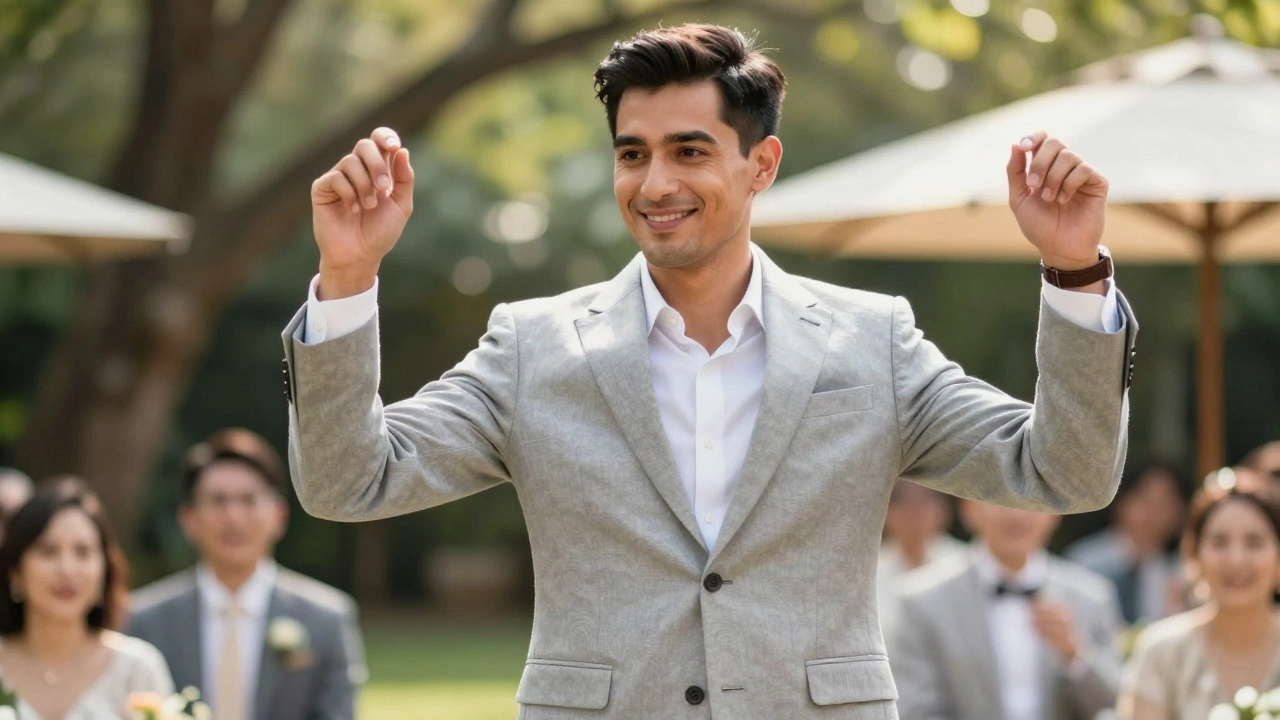
A beautiful suit is useless if you cannot move in it. You will be sitting, standing, dancing, and hugging throughout the day. Test your range of motion during fittings. Raise your arms. Sit down. Walk briskly. If the jacket rides up excessively or the trousers pinch your thighs, something is wrong. Tailors can add action pleats to trousers for extra room in the seat and thighs. They can also let out the jacket slightly if needed.
Choose shirts with comfortable collars. Stiff, starched collars can chafe your neck over twelve hours. Opt for breathable cotton with a soft finish. Underwear choice also impacts comfort. Seamless briefs or boxer-briefs prevent visible lines under fitted trousers. Avoid thick waistbands that dig into your stomach. Comfort allows you to relax and enjoy the moment. Stress manifests physically; if you are uncomfortable, you will look tense in photos.
Plan for temperature changes. Bring a light layer if the ceremony moves outdoors in the evening. A tailored overcoat or a high-quality blazer can be draped over your shoulders or worn. Keep spare buttons and a sewing kit in your pocket. Buttons pop under stress. Having the tools to fix minor issues keeps you looking polished until the last dance. Prioritize ease of movement without sacrificing structure. A well-made suit moves with you, not against you.
Can I wear a tuxedo to a semi-formal wedding?
Generally, no. A tuxedo is reserved for black-tie or formal evening events. Wearing one to a semi-formal wedding makes you overdressed and can make other guests feel underdressed. Stick to a dark suit with a tie for semi-formal occasions. Save the tuxedo for events that specifically request black-tie attire.
How far in advance should I buy my groom suit?
Start shopping six to nine months before the wedding. This timeline allows for alterations, which typically take two to three weeks. Custom suits require even more time, often three to four months. Buying early reduces stress and ensures you have options if your first choice is unavailable or doesn't fit perfectly.
Is it okay to wear a colored suit as a groom?
Yes, but choose wisely. Light grey, navy, and burgundy are safe and stylish choices. Avoid bright neon colors or patterns that clash with the wedding theme. Colored suits work best for daytime or outdoor weddings. For evening events, darker shades are more appropriate and photograph better under artificial lighting.
Should I wear a vest with my suit?
A vest adds formality and coverage. It is optional but recommended if you want a traditional look or need extra warmth. Vests hide the shirt button area, preventing accidental exposure. They also streamline your torso, creating a cleaner line. Ensure the vest fits snugly without pulling at the buttons.
What if I gain weight before the wedding?
Most suits have extra fabric inside the seams for alterations. A skilled tailor can let out the waist and hips by an inch or two. If you expect significant weight change, buy your suit closer to the date or choose a style with adjustable features. Regular fittings help monitor fit adjustments needed as the wedding approaches.