Find Your Cake Professional
Not sure who to hire? Answer these three questions to find the right specialist for your project.
Recommended Professional:
Key Skills Match
Best For
You’re scrolling through Instagram, drooling over a five-tier masterpiece adorned with edible gold leaf and sugar flowers that look real enough to touch. You want one for your big day, but when you start searching, you hit a wall of confusing job titles. Pâtissier is a professional baker who specializes in French pastries and desserts, often trained in classical culinary arts. But is that the person making your wedding cake? Or should you be looking for a Cake Artist is a specialist focused on the artistic design and structural engineering of large celebration cakes. The terms get thrown around interchangeably online, but hiring the wrong expert can mean the difference between a structurally sound showstopper and a leaning tower of frosting disaster.
Here’s the thing: not all bakers are created equal, especially when it comes to high-stakes events like weddings. A local bakery might make incredible chocolate chip cookies, but ask them to stack four tiers of dense fruitcake on a single dowel rod, and they might panic. Understanding the specific terminology helps you find the right talent, avoid awkward misunderstandings during consultations, and ensure your cake doesn’t collapse before the first dance.
The Classic Title: What Is a Pâtissier?
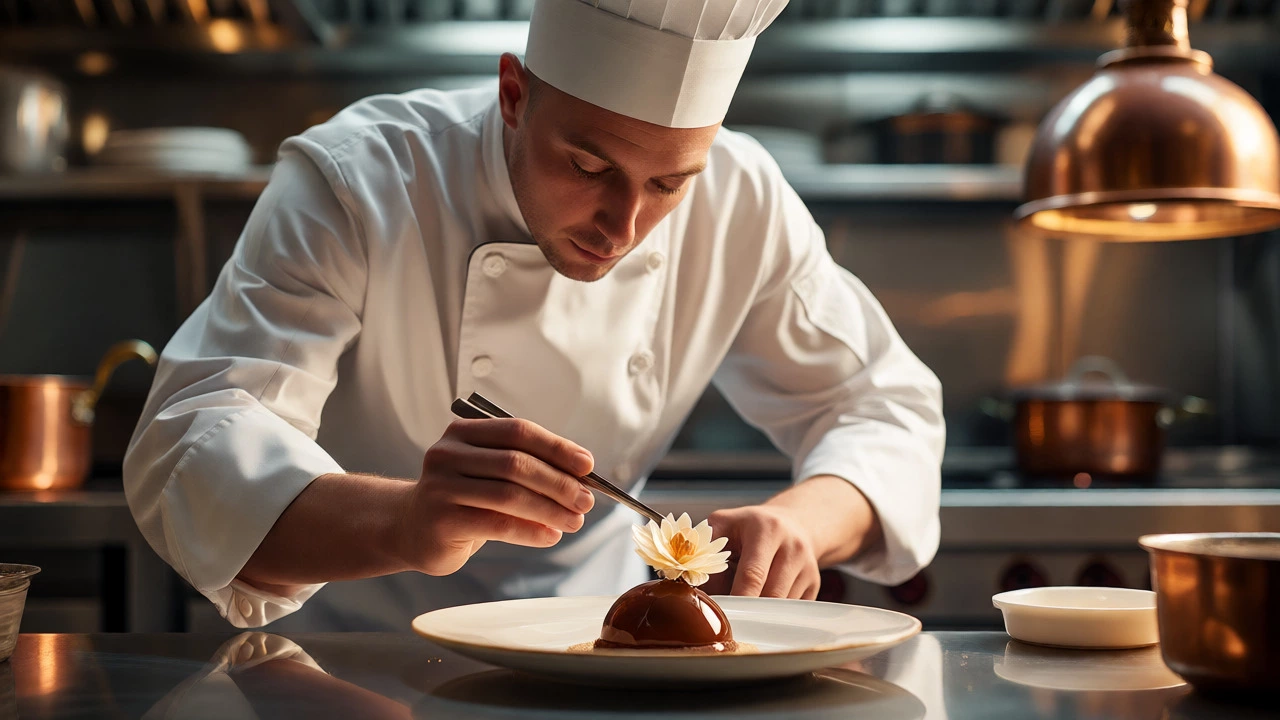
If you’ve ever watched a cooking competition or dined at a high-end restaurant, you’ve likely heard the term Pâtissier. This title refers to the head pastry chef responsible for all sweet dishes in a professional kitchen. In France, this role is deeply respected and requires rigorous training, often through institutions like Le Cordon Bleu. A pâtissier isn’t just someone who follows a recipe; they understand the chemistry of gluten, the crystallization of sugar, and the emulsification of fats.
When you hire a pâtissier, you’re paying for technical precision. They excel at creating delicate textures-think airy mousse, flaky croissants, or perfectly tempered chocolate decorations. However, traditional pâtissiers often focus on individual portions or plated desserts rather than massive, multi-tiered structures. If your dream cake involves intricate sugar work or complex flavor profiles (like lavender-infused ganache or yuzu curd), a pâtissier is your best bet. But if you need a sturdy, gravity-defying structure covered in smooth fondant, their skill set might need some tweaking.
The Modern Specialist: Who Is a Cake Artist?
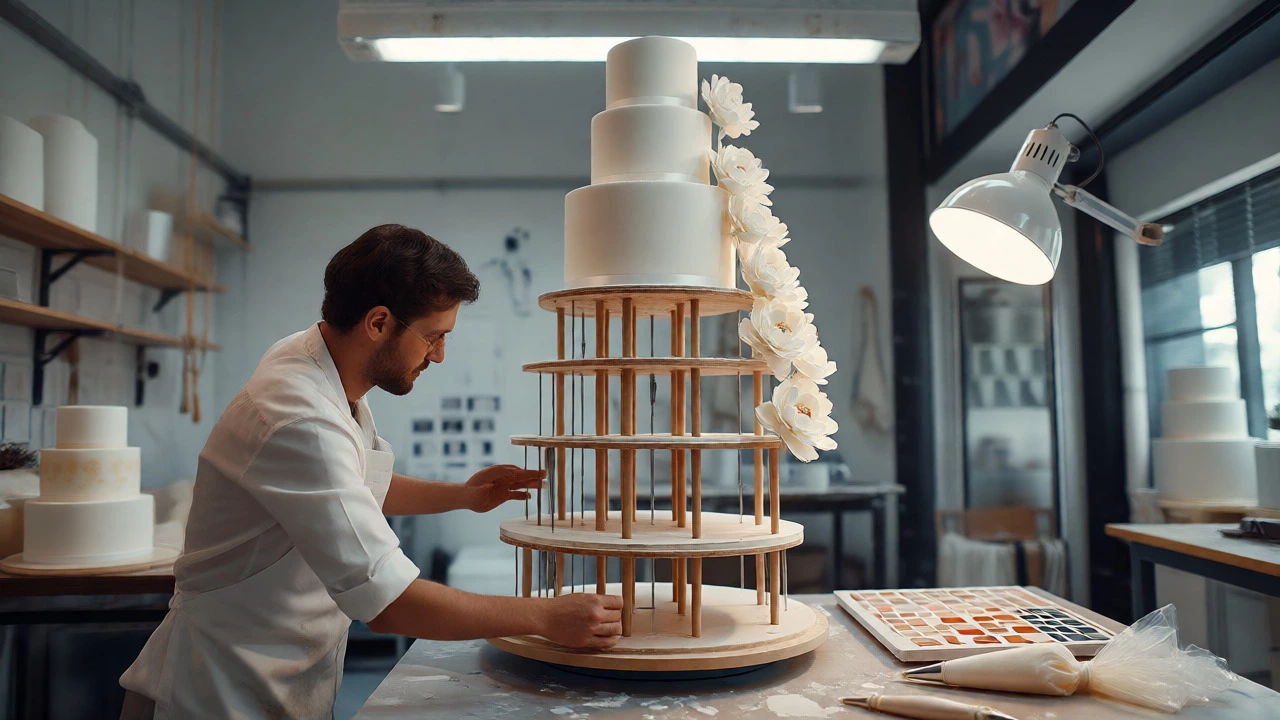
Enter the Cake Artist. Unlike the broad culinary scope of a pâtissier, this specialist focuses exclusively on the construction and aesthetic decoration of cakes. This is the person you probably want for a wedding. Cake artists treat cakes as canvases. Their expertise lies in sculpting, piping, and assembling layers into stable towers. They spend years mastering techniques like covering cakes in buttercream without visible seams, creating realistic sugar flowers, and managing the physics of tiered cakes.
Think of it this way: a pâtissier is an architect who designs beautiful buildings, while a cake artist is a structural engineer who ensures those buildings don’t fall down under their own weight. Many modern cake artists have backgrounds in graphic design or fine arts, bringing a unique visual sensibility to their work. They are less concerned with the interior crumb structure of a sponge and more focused on how the exterior looks under camera lights and how it holds up during transport.
Confusing Titles: Confectioner vs. Baker
You might also see the term Confectioner. Historically, a confectioner was a candy maker, specializing in chocolates, bonbons, and hard sweets. While some confectioners do make cakes, the term usually signals a business focused on candies and holiday treats. If you walk into a shop labeled "The Sweet Confectioner," you’ll likely find boxes of truffles and fudge, not custom wedding tiers. Don’t let the word "confection" fool you-it rarely implies high-end cake design skills unless specified otherwise.
Then there’s the generic Baker. This is the catch-all term for anyone who mixes flour, water, and heat. Bakers produce breads, muffins, and simple sheet cakes. While many talented bakers branch out into decorating, their primary skill is production volume. They are great for office parties or birthday sheets where cost and quantity matter more than bespoke artistry. For a wedding, hiring a general baker often means you get a standard vanilla cake with basic piping, which might feel underwhelming compared to the Pinterest-perfect images you’ve saved.
How to Spot the Right Pro for Your Wedding
So, how do you know which title matches your needs? It’s not always about the job description; it’s about the portfolio. Look for these clues:
- Portfolio Focus: Does their Instagram feed show mostly cupcakes and cookies (Baker/Confectioner) or elaborate tiered cakes with sharp edges and detailed decorations (Cake Artist)?
- Structural Knowledge: Ask them how they support tiers. A true cake pro will talk about dowels, center rods, and board thicknesses. A casual baker might just say, "We use toothpicks."
- Flavor Complexity: Pâtissiers will offer nuanced flavors and fillings. Cake artists might offer simpler classics (vanilla, lemon, red velvet) because their time is spent on design.
- Consultation Style: A pâtissier might discuss ingredient sourcing and baking techniques. A cake artist will discuss color palettes, height, and venue logistics.
In Dublin, for example, the line can blur. Many small businesses operate as hybrid studios. One week they’re supplying scones to a café (baker duties), and the next they’re crafting a three-tier masterpiece for a wedding in Wicklow (cake artist duties). Always ask to see photos of their work, not stock images from suppliers.
Why the Distinction Matters for Your Budget
Understanding these roles helps you budget realistically. A Pâtissier typically charges higher rates due to labor-intensive techniques and premium ingredients. You’re paying for their culinary degree and the hours spent hand-piping details. A Cake Artist charges for design complexity and structural risk management. A simple two-tier buttercream cake from a skilled cake artist might cost less than a complex entremet-style dessert table from a pâtissier.
Don’t expect a bakery price for a studio-level creation. If you see a quote that seems too low for a five-tier cake, check who is actually making it. Sometimes, large bakeries outsource the decorative work to freelance cake artists, adding a middleman fee. Knowing the title helps you negotiate directly with the creator.
Quick Reference Guide: Who Do You Need?
| Professional Title | Primary Skill Set | Best For | Typical Output |
|---|---|---|---|
| Pâtissier | Advanced baking techniques, flavor development, French pastry methods | Dessert tables, complex flavors, plated desserts | Macarons, tarts, mousses, sophisticated cakes |
| Cake Artist | Sculpting, piping, structural engineering, visual design | Weddings, birthdays, themed events | Tiered cakes, sugar flowers, fondant sculptures |
| Confectioner | Candy making, chocolate tempering, sugar boiling | Holiday gifts, candy buffets | Truffles, lollipops, brittle, bonbons |
| Baker | Dough preparation, oven management, bulk production | Daily bread, simple sheet cakes, muffins | Loaves, rolls, basic sponge cakes |
Frequently Asked Questions
Can a pâtissier make a wedding cake?
Yes, absolutely. Many pâtissiers specialize in wedding cakes. However, you must verify their experience with tiered structures. Some pâtissiers prefer plated desserts and may lack the confidence or equipment to manage heavy, multi-tiered cakes safely. Always ask to see photos of previous tiered cakes they have built.
Is a cake decorator the same as a cake artist?
Not exactly. A cake decorator often works within a bakery team, applying pre-made designs or following strict guidelines. A cake artist usually runs their own business or leads a studio, offering custom designs and creative freedom. If you want a unique, bespoke design, look for an artist or designer, not just a decorator.
Why are wedding cakes so expensive if they're just cake?
You aren't just buying cake; you're buying hours of skilled labor. A professional cake maker spends days baking, filling, chilling, stacking, and decorating. They also invest in specialized tools, high-quality ingredients, and insurance. The price reflects the risk they take-if the cake collapses, they lose money and reputation. It’s a service-based product, not a commodity.
Do I need a pâtissier for a naked cake?
For a naked cake, texture matters more than decoration. Since the sponge is exposed, any flaws in the bake are visible. A skilled pâtissier or experienced baker will ensure the sponge is level, moist, and visually appealing. A novice baker might produce dry or uneven layers that look unappetizing without full frosting coverage.
How far in advance should I book a professional cake maker?
For popular professionals, especially those known as top-tier cake artists, booking 6 to 12 months in advance is common for peak wedding seasons. In Ireland, summer weekends fill up quickly. Even for smaller studios, 4-6 months is a safe window to secure your date and schedule tasting sessions.