
Wedding Budget Planner & Estimator
Budget Summary
Recommended allocation based on industry standards.
*Includes the recommended 5% emergency fund plus 10% for hidden costs/taxes.
Enter your budget to see the detailed breakdown.
Tip: Be honest about your ceiling to avoid financial stress.
Key Takeaways
- The venue and catering typically eat up 40% to 50% of your total spend.
- Guest count is the biggest lever for controlling costs; every extra person adds food, drink, and rentals.
- Hidden costs like service charges, taxes, and tips can add 20% to your bill if not accounted for.
- Prioritizing three 'must-haves' helps prevent budget creep.
First, let's define what we're talking about. Wedding Planning is the process of coordinating the logistics, vendors, and budget for a marriage ceremony and reception. It's less about picking colors and more about managing a complex project with a hard deadline. When people ask what is 'realistic,' they are usually asking how to avoid going into debt while still feeling like they had a special day.
The Core Pillars of Wedding Spending
To understand your budget, you need to see it as a series of trade-offs. You can't have a 300-person guest list at a luxury hotel and also stay under a modest budget. The most realistic way to approach this is by breaking the costs into pillars.
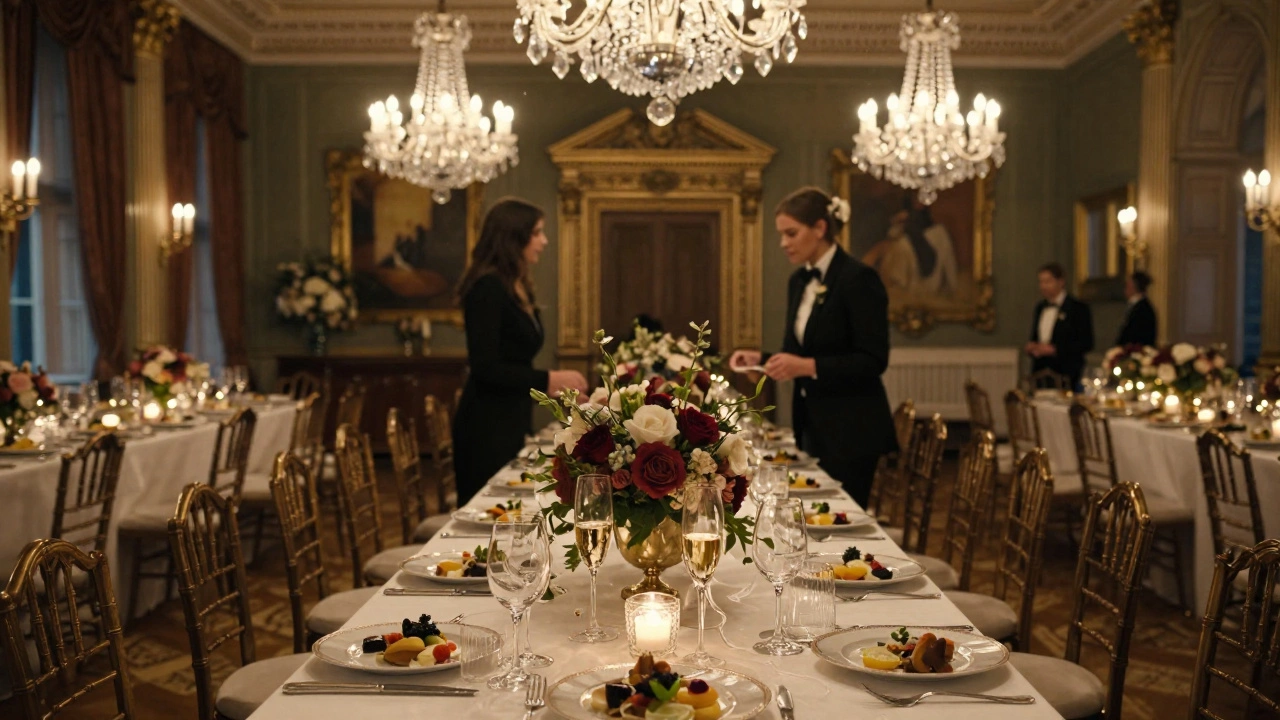
The first and largest pillar is the venue and food. Whether you're booking a rustic barn or a ballroom, Catering is often the most expensive line item because it's priced per head. If you have 100 guests and a plate costs $80, you're already at $8,000 before you've even added appetizers or a cake. Many couples find that moving from a plated dinner to a buffet or family-style service can save a bit of money, but the biggest saving comes from limiting the guest list.
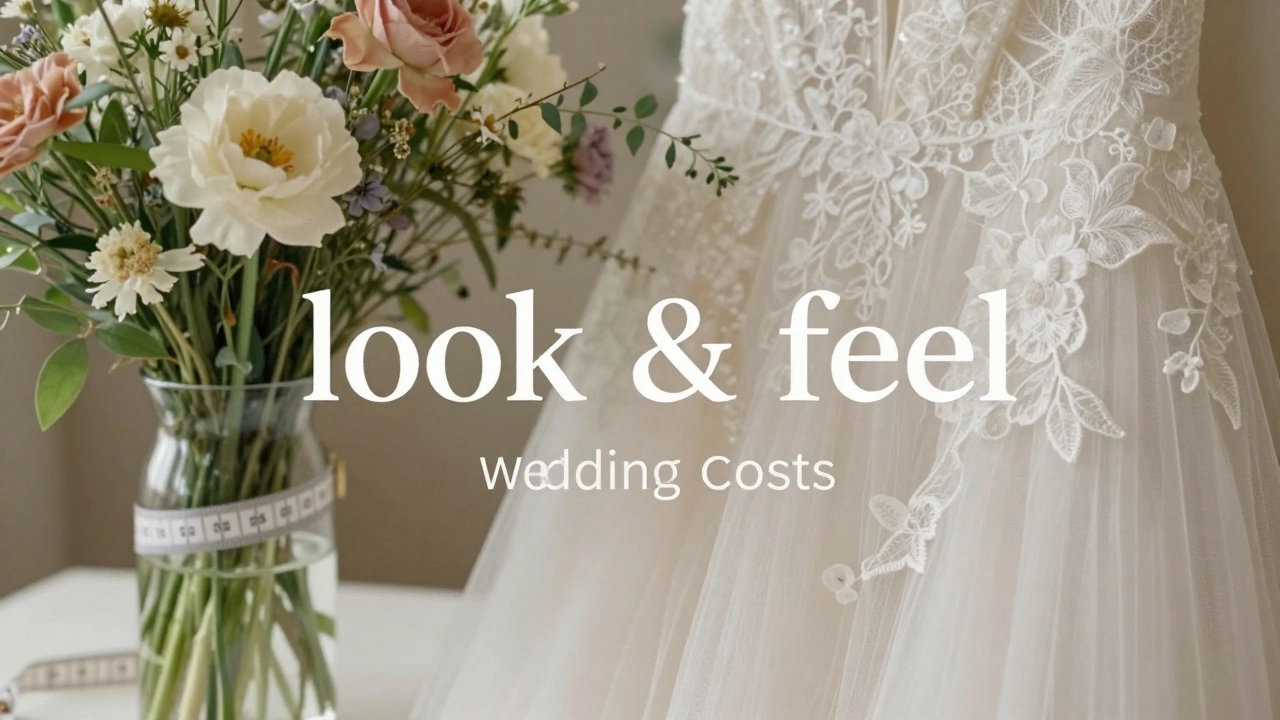
The second pillar is the 'look and feel.' This includes Wedding Flowers, decorations, and the attire. Flowers are a notorious budget-killer because they are perishable and labor-intensive. A simple trick is to use seasonal blooms or focus greenery on a few high-impact areas rather than every single table. Your dress and suit are one-time purchases, but don't forget the cost of alterations-a $500 dress can easily become a $800 dress once a tailor spends six hours making it fit perfectly.
The third pillar is the experience, which covers your Wedding Photographers and entertainment. This is where you're paying for skill and time. A high-end photographer isn't just taking photos; they're providing a curated gallery and an album that lasts a lifetime. If you cut too deep here, you might regret it years later, as these are the only tangible things you keep after the party ends.
| Expense Category | Suggested Percentage | What it Includes |
|---|---|---|
| Venue & Catering | 40% - 50% | Rental fee, food, open bar, staff |
| Photography & Video | 10% - 15% | Engagement shoot, wedding day, editing |
| Attire & Beauty | 10% | Dress, suit, makeup, hair, shoes |
| Flowers & Decor | 10% | Bouquets, centerpieces, lighting |
| Planner & Admin | 5% - 10% | Consultant, invitations, postage |
| Emergency Fund | 5% | Last-minute fixes, overages |
How to Set Your Actual Number
Stop looking at the 'average wedding cost' in your country. Averages are skewed by a few people spending $200,000 and many people spending $15,000. Instead, use a bottom-up approach. Start by listing everything you absolutely want. Do you care more about a top-tier DJ or a five-course meal? Once you have your non-negotiables, assign a value to them based on local quotes.
If you're feeling stuck, look at your current savings. A common mistake is to plan a wedding based on a loan. A realistic budget is one where you aren't starting your marriage with a financial hangover. If you have $20,000 saved and your parents are contributing $5,000, your hard ceiling is $25,000. Subtract 10% immediately for a 'miscellaneous' fund because things always go wrong-someone forgets a permit, or you realize you need more champagne than expected.
Consider the 'hidden' costs that often sneak in. For example, Wedding Invitations might seem cheap, but once you add high-quality cardstock, custom envelopes, and stamps for 100 households, you're suddenly spending several hundred dollars. Then there are the service charges. Many venues add a 'service fee' of 18% to 22% on top of the food and drink price. This isn't a tip; it's a fee to cover their operating costs. If your food is $10,000, that's an extra $2,000 you didn't plan for.
Scaling Your Budget: Three Realistic Scenarios
To give you a better idea of how numbers translate to reality, let's look at three different approaches to the same 100-guest count.
The Budget-Conscious Approach ($5,000 - $15,000): This usually involves a non-traditional venue, like a public park, a backyard, or a community hall. You'll likely opt for a brunch wedding or a cocktail-style reception with heavy appetizers instead of a sit-down dinner. You'll probably handle the Wedding Decorations yourself using DIY elements and focus on a few high-quality floral arrangements from a local market.
The Mid-Range Approach ($20,000 - $40,000): This is the 'sweet spot' for many. You can afford a dedicated event space or a mid-tier hotel. You'll have a professional catering team and a full open bar for a few hours. You can hire a reputable photographer for a full day and spend a bit more on a designer dress. This budget allows for comfort without extravagance.
The Luxury Approach ($60,000+): Here, you're paying for a seamless experience. You likely have a full-service Wedding Planner who handles every detail. The venue is likely a high-end estate or luxury hotel. You're looking at premium champagne, a multi-course tasting menu, and potentially a multi-day event with a welcome dinner and a farewell brunch.
The Art of the 'Budget Cut'
When the numbers aren't adding up, don't just slash everything by 10%. That leaves you with a wedding that feels like a compromised version of what you wanted. Instead, be aggressive with the things you don't care about.
Ask yourself: Do we really need a wedding cake that looks like a sculpture, or would a variety of smaller cakes from a local bakery satisfy everyone? Do we need a full floral arch, or would a few beautiful clusters of flowers do the trick? Many couples find that they can save thousands by skipping traditions they don't actually like. For example, if you hate the idea of a formal dance, you can save on a massive DJ setup and opt for a curated playlist and a smaller sound system.
Another area for savings is the timing. A Saturday night in June is the most expensive time to get married. Moving your date to a Friday or Sunday, or choosing a month like November or March, can lead to significant discounts on venue rentals. Some venues offer 'off-peak' packages that can shave 20% to 30% off the base price.
Common Budgeting Pitfalls to Avoid
One of the biggest traps is the 'just one more thing' syndrome. You start with a $20,000 budget, but then you decide you want a photo booth. Then you decide you want personalized favors. Then you realize you need a hotel room for the night before. These $200 to $500 additions add up quickly. Keep a running spreadsheet and update it in real-time. If you add a photo booth, you have to find $500 to cut from somewhere else.
Avoid the mistake of ignoring the 'after-wedding' costs. Your budget should include the marriage license fees, the cost of shipping gifts back home, and the honeymoon. If you spend every last cent on the party, you might find yourself too broke to actually enjoy the trip to the Maldives you've been dreaming about.
Lastly, be careful with 'all-inclusive' packages. While they seem easier, they sometimes include things you don't need and charge a premium for things you could find cheaper elsewhere. Read the fine print. Does the 'all-inclusive' package include the cake, or just the cake cutting fee? Does the bar package include premium spirits or just house wine and beer?
What is the most expensive part of a wedding?
For the vast majority of couples, the venue and catering are the most expensive. This usually includes the space rental, the food for the cocktail hour and dinner, and the beverage service. Because these costs are typically calculated per person, they scale quickly as your guest list grows.
Can I plan a wedding for under $10,000?
Yes, but it requires a shift in strategy. This usually means avoiding traditional wedding venues in favor of homes, parks, or restaurants. It also often involves DIY elements, a smaller guest list (typically under 50), and choosing a more casual dining style like a buffet or potluck.
How much should I set aside for tips?
A good rule of thumb is to budget 3% to 5% of your total cost for tips. Key vendors to tip include the catering staff, the DJ, and the hair/makeup artists. Check your contracts first; some venues automatically include a service charge that serves as a gratuity.
Is a wedding planner worth the cost?
It depends on your budget and stress level. A full-service planner can actually save you money by leveraging their industry connections and preventing costly mistakes. If you're on a tight budget, a 'day-of coordinator' is a great middle ground-they handle the logistics on the actual wedding day so you can relax, without the high cost of months of planning.
How do I handle guests who want to bring plus-ones?
From a budget perspective, be very clear on your invitations about who is invited. Use the envelope to specify 'And Guest' only for those you can afford. If you're over budget, it is perfectly acceptable to limit plus-ones to partners in long-term relationships only.
Next Steps for Your Budget
If you're just starting, your first move should be to have a transparent conversation with your partner and any contributing family members about the total sum available. Once that number is locked, create a spreadsheet and plug in the percentages from the table above to see your starting limits.
If you find your dream wedding costs $10,000 more than you have, don't panic. Start by trimming your guest list-it's the only way to make a massive dent in the cost quickly. After that, look for a venue that doesn't require a huge amount of extra decor. A beautiful garden or a modern gallery often needs far less spending on flowers and lighting than a blank-wall ballroom does.