Bridal Shapewear Finder
Select your dress silhouette to find the perfect foundation for your big day.
Please select a silhouette on the left to see recommended undergarments.
Ballgown Recommendations
Control Slip or Petticoat
Focuses on providing volume and structure to maintain the gown's shape.
Mermaid / Trumpet Recommendations
High-Waisted Mid-Thigh Shaper
Designed for smoothing and shaping the silhouette to ensure the fabric glides over the skin.
Sheath / Slip Recommendations
Seamless Thong or G-String
The primary goal is invisible lines, as thin fabrics reveal everything.
A-Line Recommendations
Light Compression Shorts
Provides a balance of comfort and confidence without over-compressing.
You've spent months hunting for the perfect gown, but here is the secret nobody tells you until the final fitting: the dress is only half the battle. The real magic happens in the layers you can't see. Whether you're rocking a sleek mermaid silhouette or a massive ballgown, what you put on your skin first determines if you spend your wedding day feeling like a goddess or constantly tugging at a bunching waistline.
Quick Guide to Bridal Undergarments
- Seamless Panties: Essential for slip dresses and thin fabrics to avoid visible lines.
- Shapewear: Used to smooth curves and provide structural support for heavy skirts.
- Bridal Slips: Prevents the dress from clinging to legs and adds a layer of modesty.
- Bustiers/Corsets: Provide lift and a snatched waist, often replacing a traditional bra.
- Petite Pads: Added to the hem of short dresses to prevent transparency.
The Invisible Foundation of Your Gown
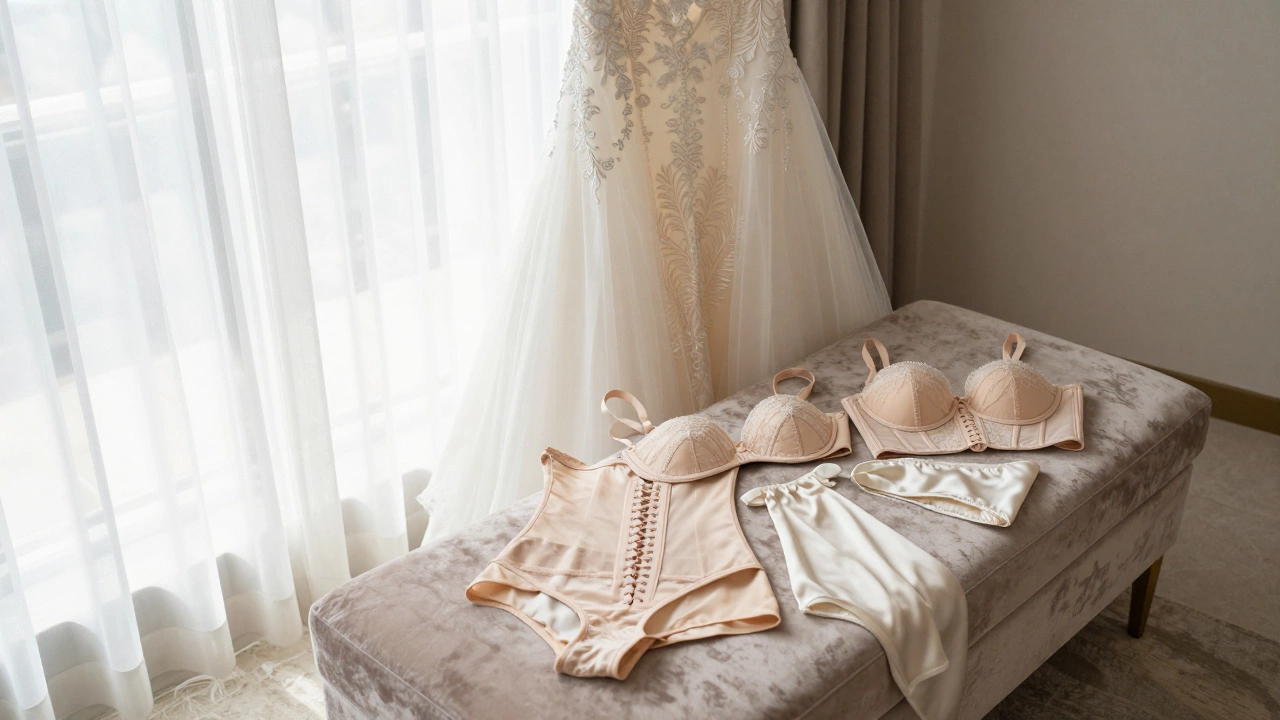
When people ask what a bride wears under her dress, they usually expect a one-word answer. But the truth is, it depends entirely on the fabric and cut. Most brides rely on bridal shapewear is specialized undergarments designed to smooth the silhouette and provide support under wedding gowns. Unlike everyday leggings, these are crafted from high-compression fabrics like spandex and nylon blends that don't add bulk to the hips. For a dress with a tight fit, such as a trumpet or mermaid style, a high-waisted mid-thigh shaper is the gold standard. It prevents the dreaded "muffin top" and ensures the fabric glides over the skin without snagging.
If you're wearing a dress with a built-in bodice, you might not need a bra at all. In fact, many designers build in cups and boning. Adding a traditional bra on top of that often creates an awkward bulge or pushes the breasts too low. Instead, many brides opt for adhesive lifts or silicone inserts to get that extra pop of volume without the straps.
Choosing the Right Shapewear for Your Silhouette
Not all shapewear is created equal. If you wear a heavy-duty compression garment under a light chiffon dress, you'll actually see the edges of the shapewear through the fabric. This is where the "seamless" part of the equation becomes critical. You want laser-cut edges that lay flat against the skin.
| Dress Silhouette | Best Undergarment | Key Goal | Pro Tip |
|---|---|---|---|
| Ballgown | Control Slip or Petticoat | Volume & Structure | Use a crinoline for extra poof. |
| Mermaid / Trumpet | High-Waisted Mid-Thigh Shaper | Smoothing & Shaping | Ensure the waist doesn't roll down. |
| Sheath / Slip Dress | Seamless Thong or G-String | Invisible Lines | Choose a shade close to your skin tone. |
| A-Line | Light Compression Shorts | Comfort & Confidence | Avoid heavy binders if the waist is loose. |
The Role of the Bridal Slip and Crinoline
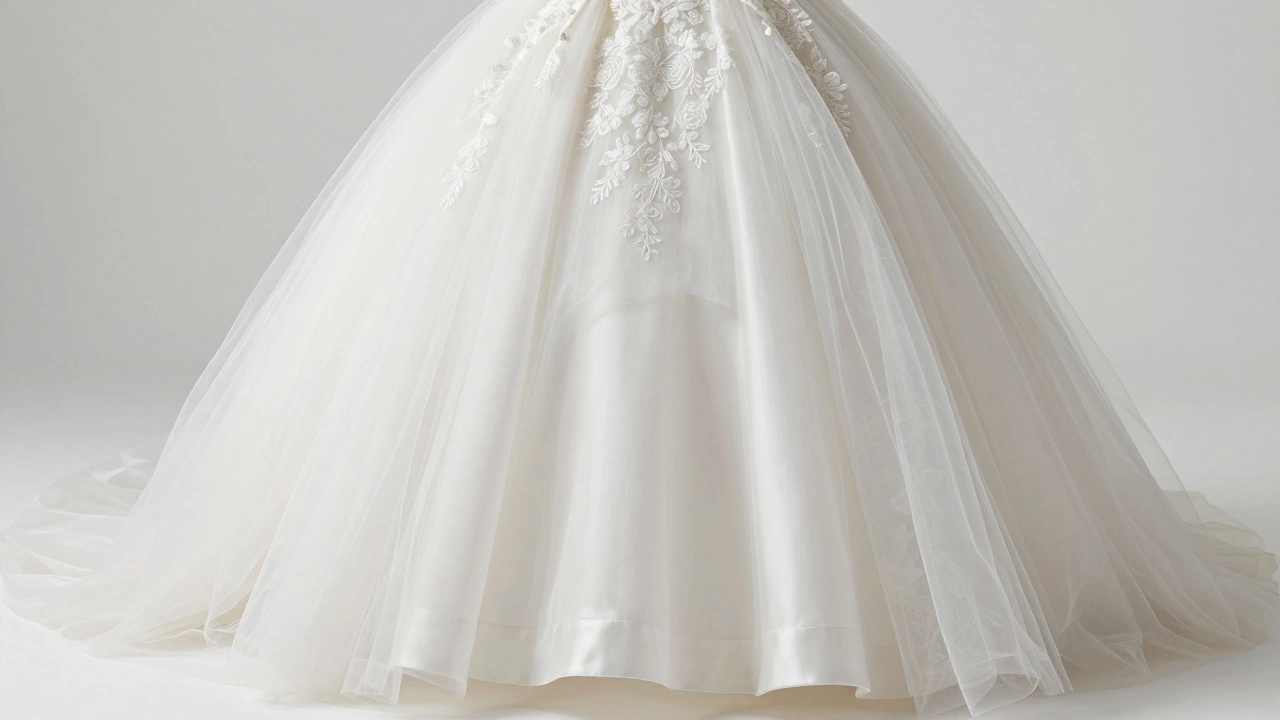
Have you ever noticed how some wedding dresses look like they are floating? That's usually thanks to a Crinoline is a stiffened or padded petticoat worn under a skirt to give it a full, bell-like shape. While a standard slip prevents the dress from clinging to your legs-especially in humid weather or with silk fabrics-a crinoline adds the actual architecture. Without it, a ballgown can look flat and sad. If you want that fairy-tale volume, you'll need a layered tulle petticoat that matches the circumference of your skirt.
For brides opting for a more minimalist look, a simple satin slip is a lifesaver. It acts as a barrier between your skin and the lining of the dress, which can sometimes be scratchy. It also prevents the dress from becoming translucent under the harsh flash of a photographer's camera.
Support Systems: From Corsets to Sticky Bras
Dealing with the neckline is the trickiest part of the process. If you have a backless or plunging neckline, you can't exactly wear a shoulder strap. This is where Bustiers come in. A bridal bustier is essentially a structured corset that provides significant lift and cinches the waist. It's a game-changer for strapless gowns because it anchors the dress to your body, preventing it from sliding down as you move and dance.
For those who find corsets too restrictive, silicone adhesive bras are the go-to. They stick directly to the skin and provide a modest lift. However, a word of caution: test these during your dress fitting. Sweat from nerves or dancing can occasionally cause the adhesive to fail, and there is nothing more stressful than a bra sliding off mid-ceremony.
Common Pitfalls to Avoid
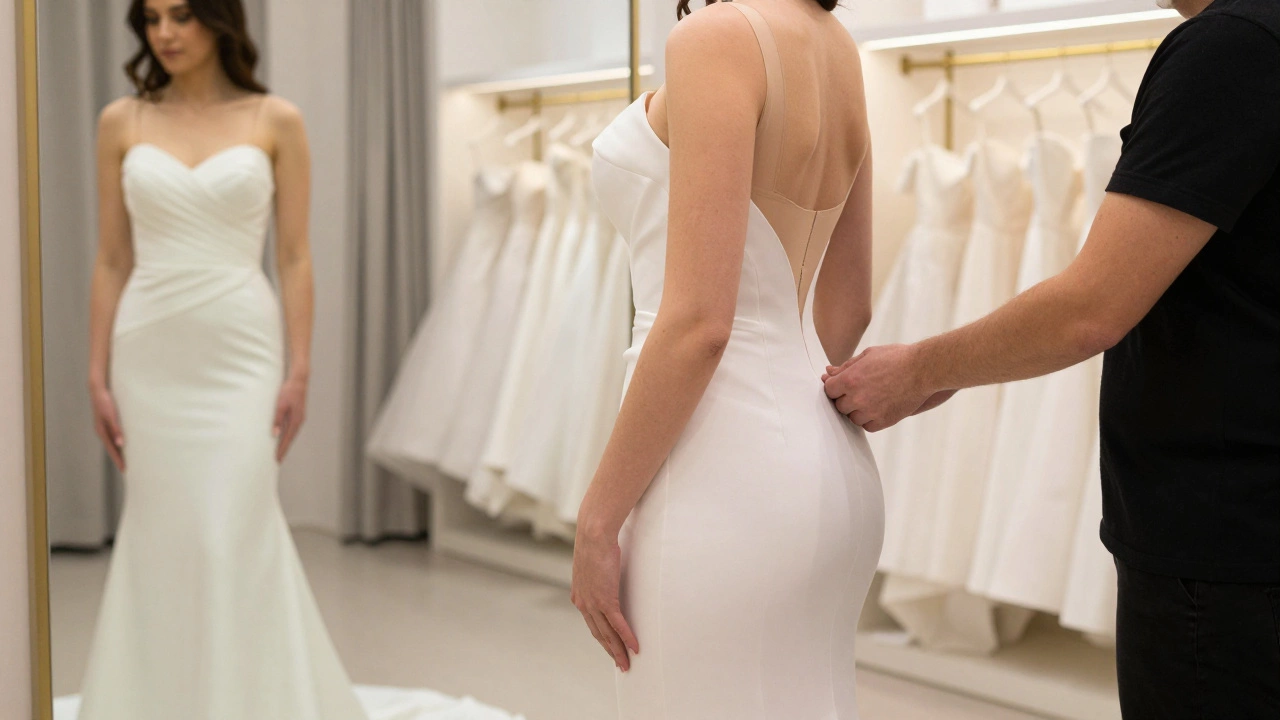
The biggest mistake brides make is buying their undergarments last. You should be wearing your chosen shapewear to every single fitting. If you show up to your final hem appointment in regular cotton underwear and then switch to a 3-inch compression waist-cincher on the wedding day, the dress will fit differently. The shapewear compresses your body, which changes the way the fabric hangs and where the hem hits the floor.
Another common error is choosing white underwear. It sounds logical, but white fabric against skin often glows through a white dress, especially in sunlight. The gold rule is to wear nude-to-you tones. Find a shade that matches your actual skin color so the garment disappears completely under the layers of tulle and satin.
Comfort vs. Compression: Finding the Balance
It's easy to get carried away with "snatching" your waist, but remember that you'll be in this outfit for 10 to 12 hours. If you can't breathe or sit down comfortably, you won't enjoy your party. If a garment feels like it's cutting off your circulation during the fitting, size up. A slightly looser shaper that you can actually wear is better than a tight one that you'll want to rip off the moment the photos are done.
Consider the logistics of the bathroom. High-compression jumpsuits or one-piece shapers can be a nightmare when you're wearing a 10-pound dress and need a quick bathroom break. Many brides now prefer two-piece sets-a separate waist cincher and a thigh smoother-to make things a bit more manageable.
Can I wear a regular bra under my wedding dress?
You can, provided the dress has a traditional neckline and straps. However, for strapless or low-back gowns, regular bras are usually too visible. It's better to use a built-in corset, a strapless bridal bra, or adhesive cups to maintain the dress's lines.
What is the difference between a slip and a petticoat?
A slip is a thin, smooth layer that prevents the dress from clinging to your body and adds a touch of opacity. A petticoat (or crinoline) is a structured, often tiered layer of fabric used specifically to add volume and "poof" to the skirt of the gown.
Do I really need shapewear if the dress is a ballgown?
While ballgowns are forgiving in the hips and legs, you might still want a waist cincher or a smoothing slip. This helps the bodice fit more securely and prevents any lines from showing across the stomach area where the dress is most fitted.
What color underwear should I wear under a white dress?
Always go for nude or skin-tone colors. Pure white undergarments often create a high contrast against your skin, making them visible through the dress fabric, especially in bright light or flash photography.
How do I stop my shapewear from rolling down at the waist?
Look for shapewear with silicone grip strips along the top waistband. Additionally, ensure you are wearing the correct size; if the garment is too small, it will naturally push downward to find a more comfortable fit, causing it to roll.