Wedding Month Planner
Choose a month to explore its risks, in-season blooms and cost impact.
June
Peak SeasonCompared with an average month, expect higher venue and vendor prices during peak demand.
Compare With Your Ideal Month
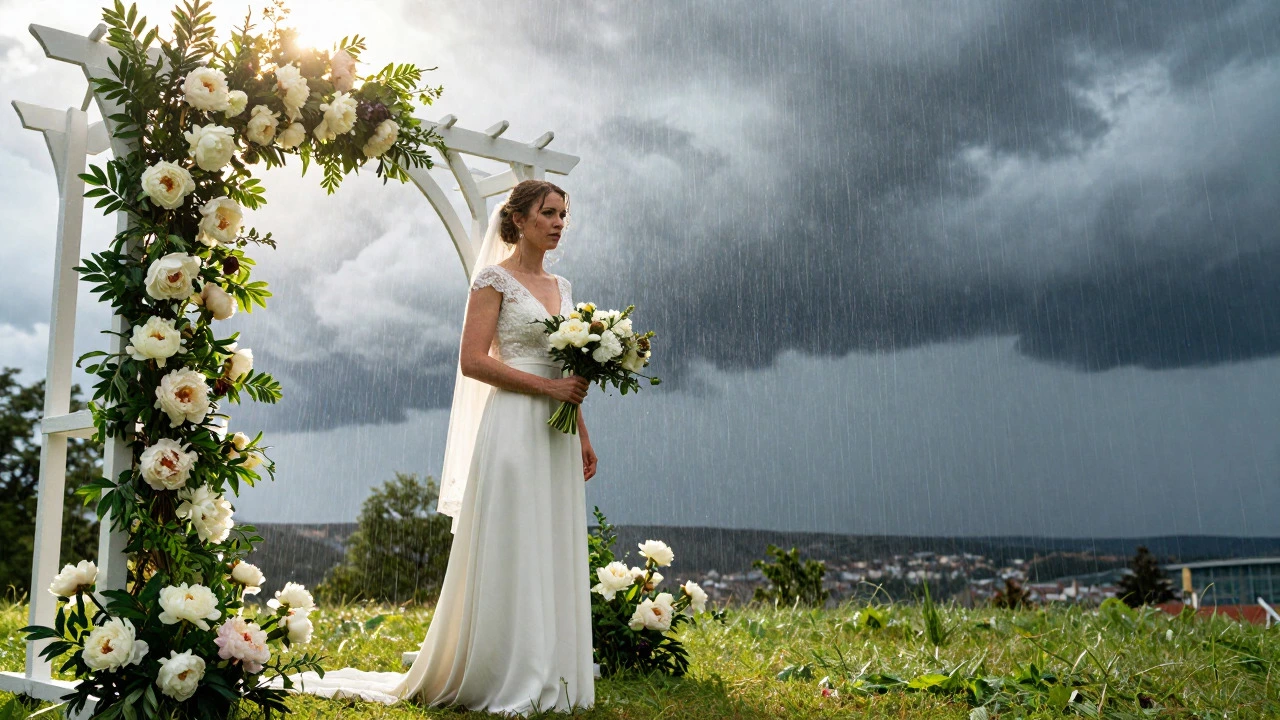
Imagine this: you’ve booked the venue, sent the invitations, and selected your dress. Then, two weeks before the big day, a freak heatwave hits, turning your outdoor ceremony into a sauna, or a sudden downpour ruins the delicate peonies in your bouquet. While most couples dream of June or September, some months carry hidden pitfalls that can stress budgets and logistics. The question isn't just "when is it pretty?" but "when is it safe for my plans?" Understanding which months are risky helps you avoid expensive last-minute changes and ensures your wedding flowers look their best without fighting against nature.
The Hidden Risks of Peak Season Months
June and July are the holy grails for many, but they come with a price tag that goes beyond just money. In Ireland and much of Northern Europe, these months bring unpredictable weather patterns. You might get perfect sunshine one hour and torrential rain the next. This volatility makes planning outdoor elements incredibly difficult. If you’re set on an open-air ceremony, the risk of disruption is highest here. Moreover, because demand is so high, vendors often charge premium rates. Florists, photographers, and caterers know everyone wants these dates, so flexibility drops and prices rise. If you book late, you’ll likely face limited availability for top-tier suppliers who are already fully booked months in advance.
Why Winter Months Can Be Tricky (But Also Beautiful)
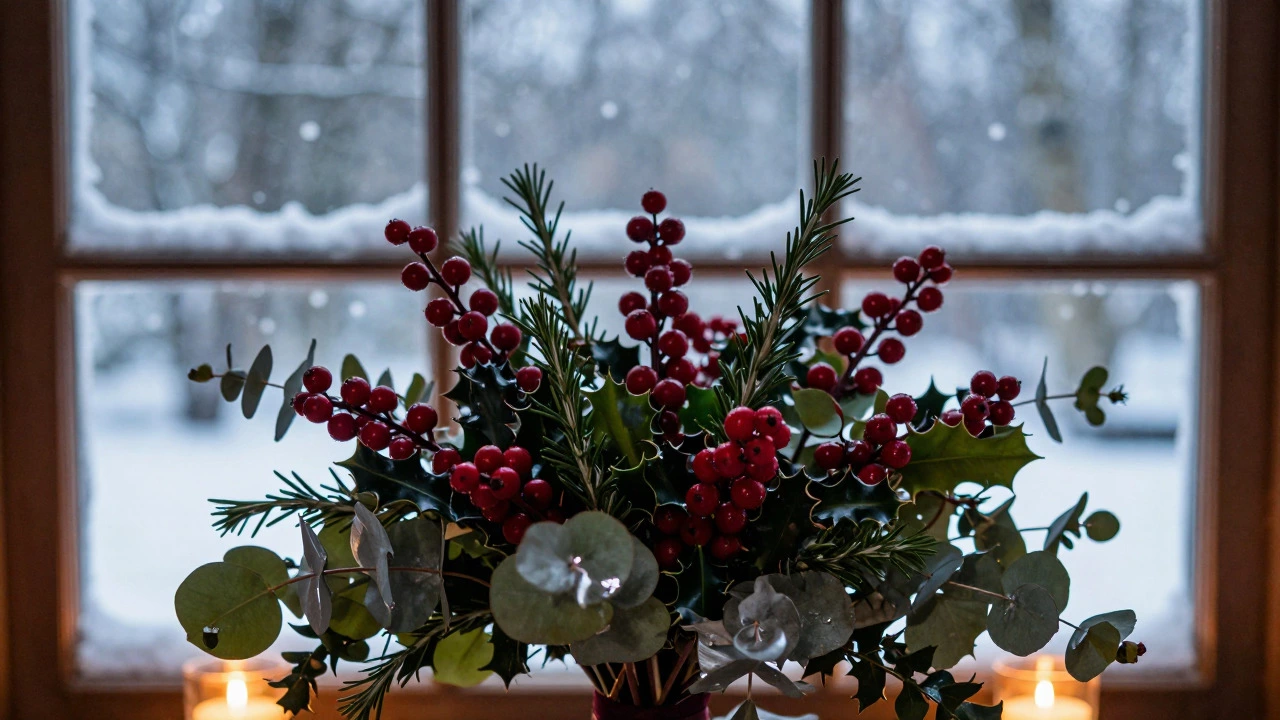
December and January are often dismissed as "bad" wedding months due to cold temperatures and shorter days. However, the real issue isn't the cold itself-it’s the logistics. Venues may have reduced staff during holiday closures, and finding reliable transportation for guests can be harder if snow or ice appears. For florals, winter means relying heavily on imported blooms or hardy local varieties like holly, rosemary, and eucalyptus. These options are stunning but can be more expensive than summer staples because they aren’t in peak natural season. If you love a cozy, candlelit aesthetic, winter works, but you need to budget for heating and potentially higher floral costs to achieve that lush look.
The Shoulder Season Sweet Spot: April and October
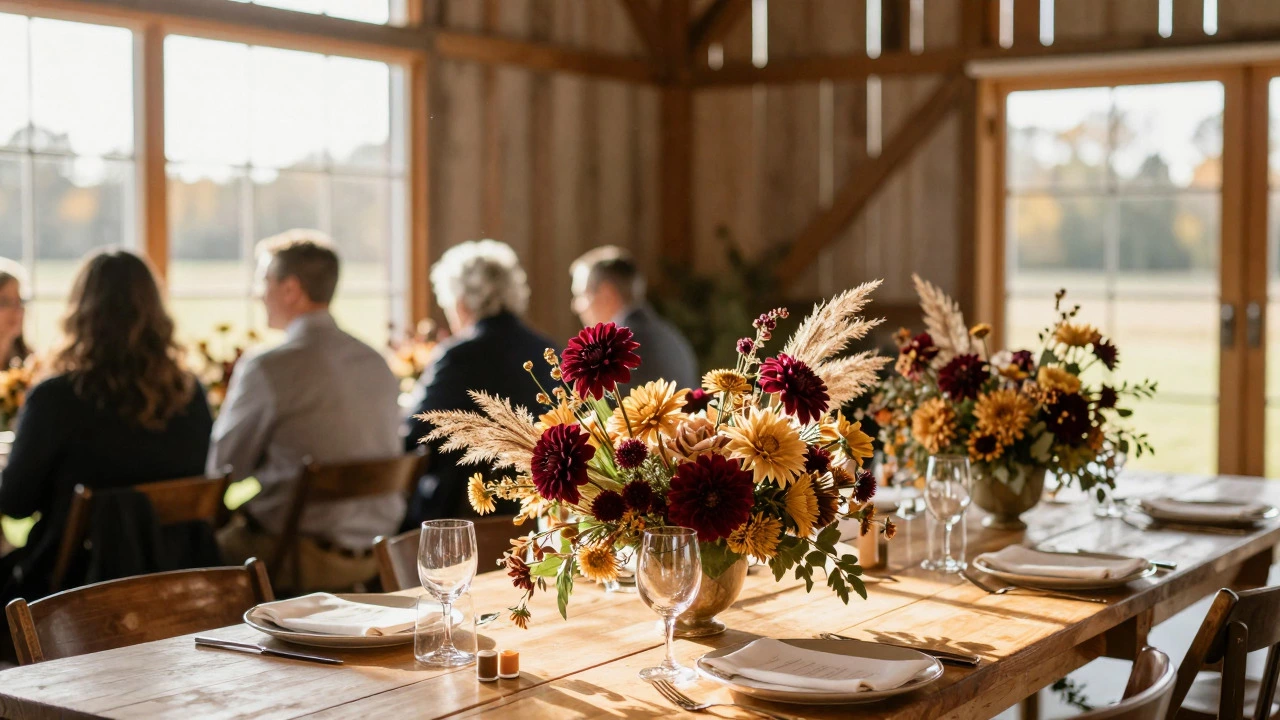
This is where it gets interesting. Many people overlook April and October, assuming they are too early or too late. In reality, these months offer a balance of mild weather, lower costs, and abundant flower choices. In April, spring blooms like tulips, ranunculus, and early roses are at their peak. The light is soft, perfect for photography, and the crowds are thinner. October brings its own charm with warm tones-amber, burgundy, and gold-that translate beautifully into floral arrangements using dahlias, chrysanthemums, and dried grasses. The key advantage here is vendor availability. Top florists and photographers are less saturated, meaning you can negotiate better packages and secure your preferred team without scrambling.
Floral Availability by Month: What Blooms When
Your flower choice dictates your timing as much as the weather does. Some flowers are only available for a few weeks a year, while others are grown globally and shipped year-round. Knowing what’s in season locally saves money and ensures freshness. Here’s a quick breakdown of popular wedding flowers and their peak seasons in the Northern Hemisphere:
| Flower Type | Peak Season | Ideal Months | Cost Factor |
|---|---|---|---|
| Peonies | Spring | May - Early June | High (short window) |
| Roses | All Year | Year-round (varied quality) | Moderate |
| Dahlias | Late Summer/Fall | August - October | Moderate |
| Tulips | Early Spring | March - May | Low-Moderate |
| Holly/Ivy | Winter | November - January | Moderate-High |
If you want peonies, you have a very narrow window. Miss May, and you’re looking at imported stems that cost significantly more. Conversely, if you choose dahlia-heavy arrangements, August through October is your sweet spot. This alignment between flower season and wedding date is crucial for both budget and aesthetics.
Cost Considerations: Off-Peak Savings
Let’s talk numbers. On average, holding a wedding in an off-peak month (like February, March, or November) can save you 10-20% on venue and vendor costs. Why? Because supply exceeds demand. Venues want to fill their calendars, and vendors want consistent work throughout the year. This leverage allows you to negotiate better terms. For example, a Saturday in June might command a $5,000 floral budget, while a Saturday in February could be achieved for $3,500 with similar quality, simply because the competition for slots is lower. Additionally, accommodation for out-of-town guests is often cheaper in off-peak months, further reducing overall expenses.
How to Choose the Right Month for Your Style
There is no single "bad" month-only mismatches between your vision and the season. Ask yourself these questions:
- Do I want specific flowers? If yes, prioritize their peak season.
- Is my ceremony outdoors? Avoid months with extreme weather risks (midsummer heat or deep winter cold).
- What is my budget flexibility? Peak months require higher budgets for comparable service levels.
- How important is guest convenience? Travel is easier and cheaper in shoulder seasons.
Frequently Asked Questions
Is February a bad month for a wedding?
Not necessarily. February is often considered off-peak, which means lower costs and fewer crowds. The main challenges are colder weather and shorter days, but these can be managed with proper venue selection and lighting. It’s a great choice for intimate, cozy celebrations.
Which month has the best wedding flowers?
Late spring (May) and early fall (September/October) offer the widest variety of in-season flowers. Peonies, roses, dahlias, and chrysanthemums are all available during these periods, providing excellent color and texture options without excessive import costs.
Are summer weddings always more expensive?
Generally, yes. June and July are peak demand months, leading to higher prices for venues, caterers, and florists. However, if you book well in advance or choose a weekday, you can mitigate some of these costs.
Can I have a summer-themed wedding in winter?
Yes, by focusing on color and texture rather than temperature. Use bright floral colors like coral, yellow, and white, along with tropical foliage such as monstera leaves or palm fronds, to evoke a summer vibe indoors.
What are the risks of booking a weekend in peak season?
The primary risks are limited vendor availability and higher costs. Top photographers, florists, and venues book up 12-18 months in advance for peak Saturdays. If you wait too long, you may have to settle for less experienced vendors or pay significant premiums.