Wedding Car Decor Budget & Planner
✓ 1. Choose Your Decor Style
✓ 2. Who Applies It?
✓ 3. Vehicle Details
✓ 4. Etiquette Mode
Estimated Total Cost
€0 - €0
Based on 2026 average market rates
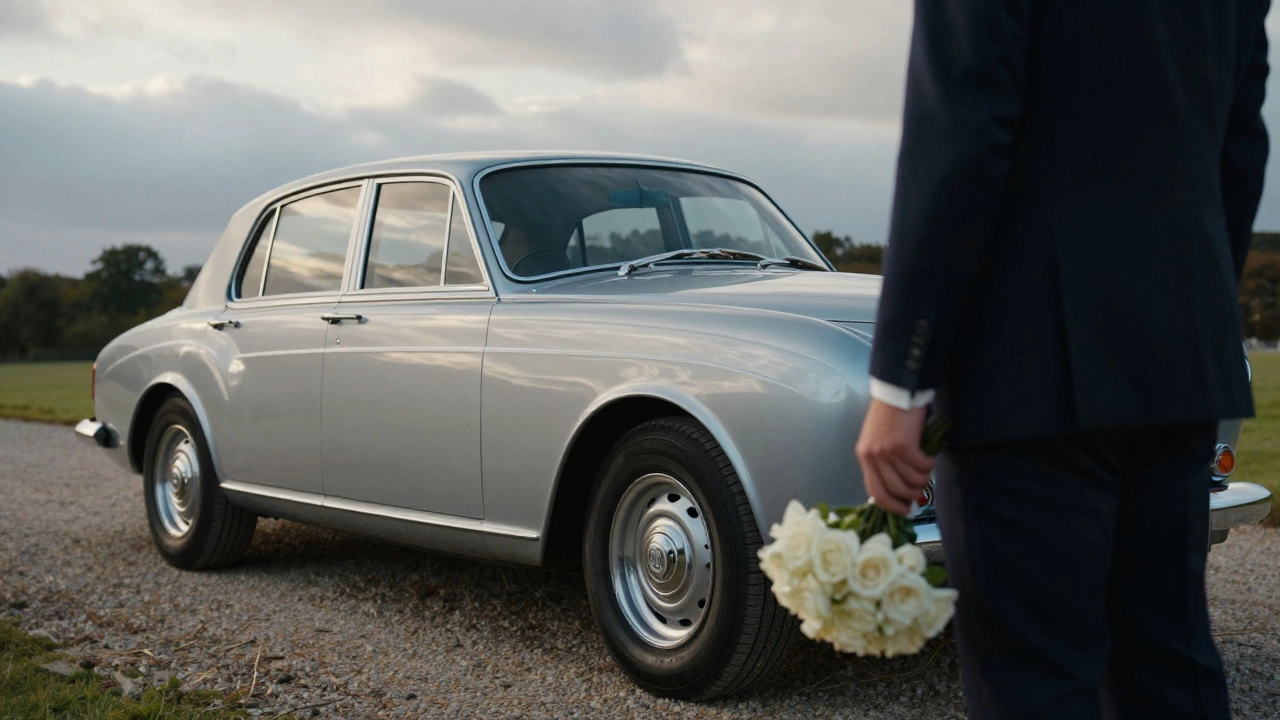
You’ve booked the vintage Rolls-Royce. You’ve picked the perfect bouquet. But as you stand in the driveway on your wedding morning, staring at the bare bonnet of the car, a panic sets in: who is supposed to put those ribbons on?
It’s one of those questions that nobody talks about until it’s too late. Is it the groom’s job? The bride’s? The florist? Or does the driver handle it? The short answer is: it depends entirely on who paid for what and how formal your wedding is. But there is a traditional rule that still holds weight in many circles.
The Traditional Rule: The Groom’s Responsibility
If we look at classic Western wedding etiquette, decorating the wedding car falls squarely on the shoulders of the groom. This isn’t just about aesthetics; it’s a historical gesture of commitment.
In traditional customs, the groom (and often his family) was responsible for providing the transportation for the wedding party. By decorating the vehicle, he was signaling to the community that he was ready to take responsibility for his new wife. It was a public declaration of intent. Even today, if you are following strict etiquette protocols, the expectation is that the groom will ensure the car looks presentable before picking up the bride.
This duty usually extends beyond just the flowers. It includes ensuring the car is clean, fueled, and driven by someone reliable. If you hire a professional chauffeur service, this responsibility shifts slightly. In that case, the groom pays for the service, and the company handles the basic upkeep. However, the specific decorative elements-like the white ribbons or fresh blooms-are still considered part of the groom’s contribution to the day’s visuals.
Is it rude for the bride to decorate her own car?
Not at all. Modern weddings are less rigid. Many brides enjoy the creative process and prefer to choose their own styles. The key is communication. If the bride wants to handle it, she should let the groom know so he doesn't accidentally hire a decorator. It's about teamwork, not rules.
Modern Realities: Who Actually Does It?
While tradition says "the groom," modern logistics often tell a different story. Weddings today are complex productions involving multiple vendors, tight timelines, and shared budgets. Here is how the responsibility typically breaks down in real-world scenarios:
- The Florist: If you have hired a full-service floral designer, they often include car decorations in their package. In this case, the cost is covered by whoever pays the florist (usually the couple jointly). The florist arrives early, secures the arrangements with non-damaging tape, and leaves. This is the most common scenario for mid-to-high-budget weddings.
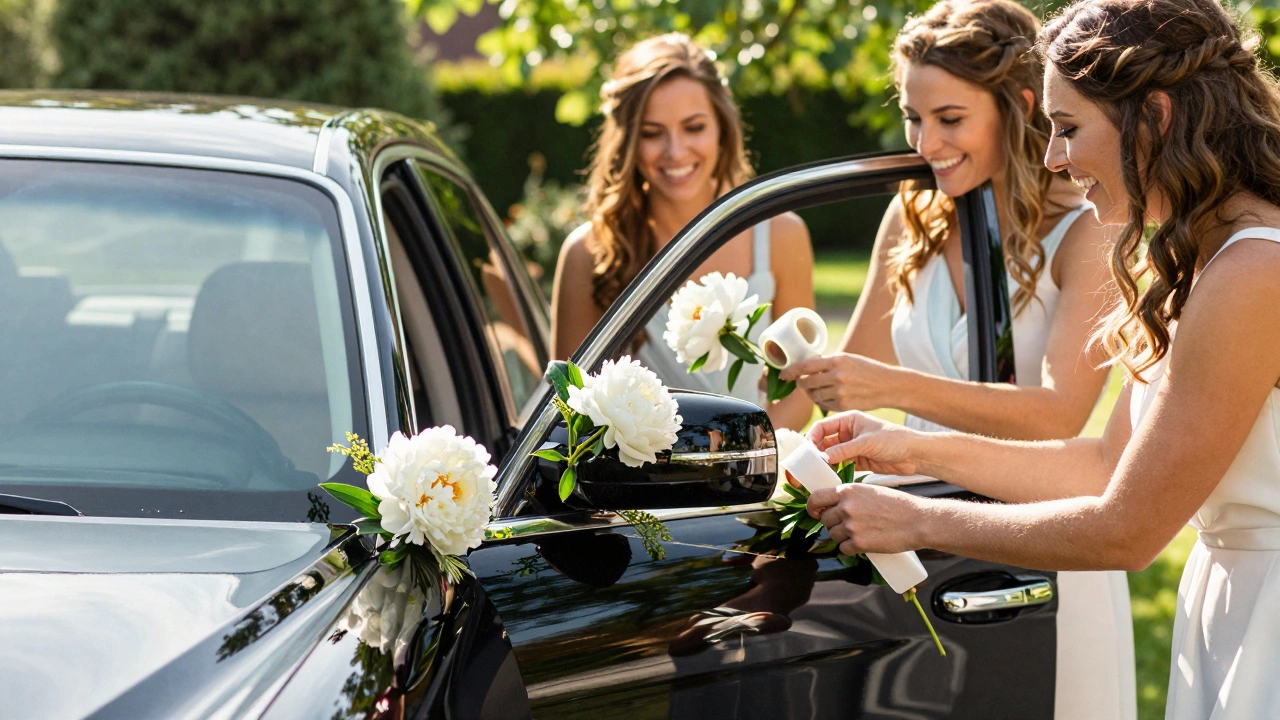
- The Bride’s Maid of Honor: In close-knit friend groups, the maid of honor might step up to help the bride decorate the car as a final touch before the ceremony. This is a sweet, personal gesture that adds sentimental value. It’s less about duty and more about friendship.
- The Couple Jointly: Many couples view the wedding as a shared project. They might decide together that the car needs to match the theme, and they split the cost and effort. One person buys the supplies, the other applies them.
- No One: Let’s be honest. A significant number of modern couples skip car decorations entirely. If you’re renting a sleek black sedan or a vintage convertible that already looks stunning, adding plastic ribbons might actually detract from its beauty. Choosing simplicity is a valid choice.
Costs and Budgeting for Car Decor
Before assigning tasks, you need to talk about money. Who pays for the decorations? This is where conflicts can arise if expectations aren’t set early.
Traditionally, the groom’s family paid for the rehearsal dinner and transportation costs. Today, the couple usually pays for everything out of their joint budget. However, if you are sticking to older etiquette, the groom should cover the cost of any flowers or ribbons used on the vehicle.
Here is a rough breakdown of what you might expect to pay in 2026:
| Decoration Type | Estimated Cost (EUR) | Who Typically Pays |
|---|---|---|
| Simple White Ribbons (DIY) | €15 - €30 | Groom or Couple |
| Fresh Flower Bouquet (Bonnet) | €80 - €150 | Florist (paid by Couple/Groom) |
| Full Floral Arrangement (Flanks + Bonnet) | €200 - €400+ | Couple Jointly |
| Professional Chauffeur Service (with basic decor) | €300 - €600 | Groom or Couple |
Note that prices vary significantly depending on the season. Roses and peonies in June are cheaper than in December. Also, consider the type of vehicle. A large limousine requires more material and labor than a small hatchback.
DIY vs. Professional: Making the Call
Deciding whether to do it yourself or hire someone comes down to three factors: time, skill, and risk.
DIY Pros: It’s cheaper, more personal, and you get exactly what you want. If you’re crafty, you can create unique designs using dried flowers, greenery, or even fairy lights. Plus, it’s a fun activity to do with friends the night before.
DIY Cons: It takes time. You need to arrive at the venue early. There’s a risk of damaging the car (more on that below). And if it rains, your paper flowers might wilt.
Professional Pros: Peace of mind. Florists know how to secure arrangements so they don’t fall off during the drive. They use high-quality materials that last. They also handle cleanup.
Professional Cons: It’s expensive. You lose some creative control unless you provide very detailed references.
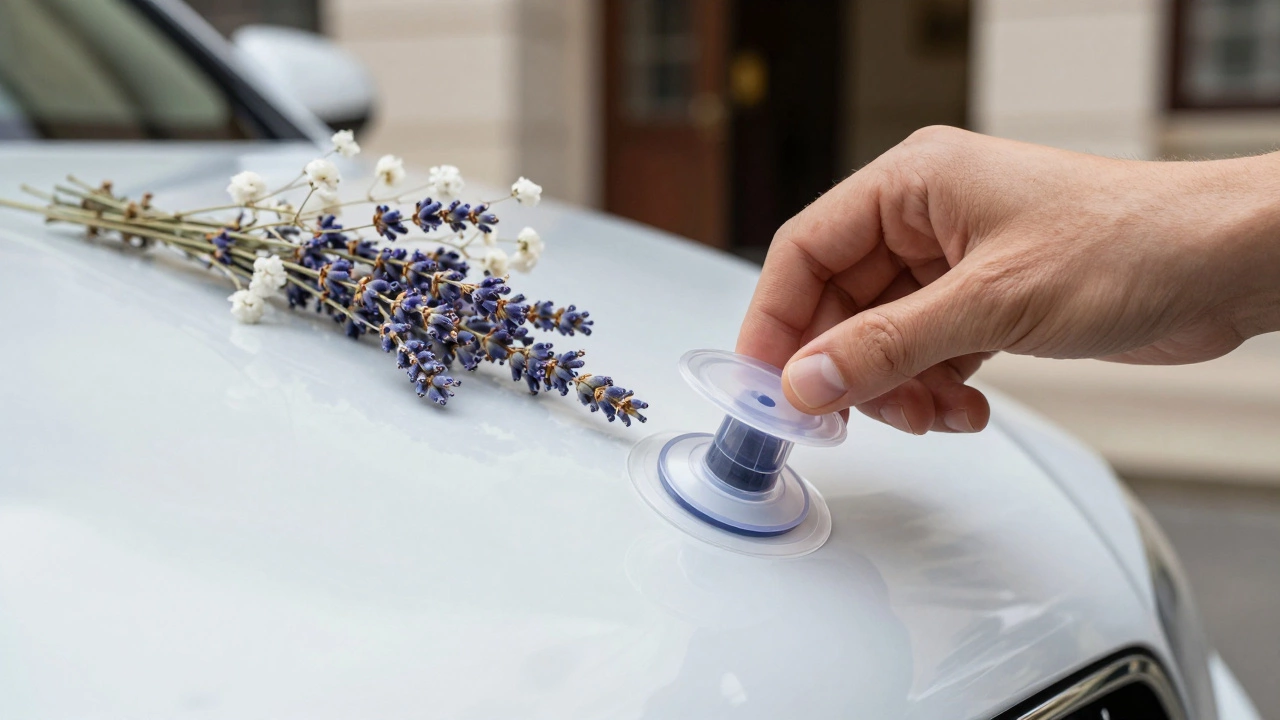
If you choose DIY, start planning at least two weeks in advance. Buy your supplies early. Test your adhesives on a small, inconspicuous area of the car first. Never use double-sided tape directly on paint-it can strip the finish when removed. Use removable automotive tape or suction cups designed for cars.
Crucial Safety and Legal Considerations
This is the part most people forget. Decorating a car isn’t just about looking good; it’s about staying legal and safe. In Ireland and many other countries, there are strict laws about vehicle modifications.
Visibility is Key: No decoration should obstruct the driver’s view. This means no flowers on the windshield, no ribbons hanging from side mirrors, and nothing blocking the license plate. If a police officer sees your plate obscured, they will stop you. You don’t want that on your wedding day.
Airbag Zones: Never place heavy objects or secure decorations near airbag deployment zones. In the event of an accident, these items can become dangerous projectiles.
Secure Everything: The car will move. It will accelerate, brake, and turn. Any loose item can fly off onto the road, endangering other drivers. Use strong ties, but again, avoid damaging the paint. If you’re using fresh flowers, make sure they are in sturdy vases or foam blocks that won’t tip over.
If you’re hiring a professional driver, ask them about their policy on decorations. Some luxury car rental companies prohibit any external modifications because they void the insurance coverage. Always check the contract.
What If You Don’t Have a Wedding Car?
Not everyone rents a fancy car. Maybe you’re taking a taxi, driving yourself, or hopping on a bus. The principles still apply, but the scale changes.
If you’re driving yourself, keep it simple. A single ribbon on the rearview mirror or a small boutonniere pinned to the steering wheel (safely!) is enough. If you’re taking public transport, skip the external decor entirely. Instead, focus on internal touches: a nice bag, a coordinated outfit, or a small gift for the driver.
The goal is to celebrate the occasion, not to stress over logistics. If the idea of decorating a car feels like a chore, drop it. Your happiness matters more than a ribbon.
Final Checklist: Assigning the Task
To avoid last-minute chaos, sit down with your partner and your wedding planner (if you have one) and decide:
- Budget: How much are we willing to spend on car decor?
- Style: Do we want flowers, ribbons, greenery, or nothing?
- Responsibility: Who is buying the supplies? Who is applying them?
- Timeline: When will the car arrive? Who will meet it?
- Safety Check: Have we checked local laws and insurance policies?
Once you’ve answered these questions, write it down. Put it in your wedding plan. Tell the relevant people. Then, on the big day, relax. The car will look great, and you’ll be too busy enjoying the moment to worry about who tied the knot on the bumper.
Can I decorate the car myself if I’m wearing a dress?
It’s risky. Wedding dresses are expensive and delicate. Bending over, reaching up, and handling sticky tapes or wet flower stems can ruin your gown. It’s better to have someone else do the physical work while you supervise. Save your energy for dancing later.
What if the car is rented from a luxury company?
Always ask permission first. Many luxury rentals charge extra for cleaning if decorations leave residue. Some ban external decor entirely. If allowed, use only approved methods like suction cups. Never use glue or tape directly on the paint.
Is it okay to use artificial flowers?
Absolutely. Artificial flowers are durable, weather-resistant, and often cheaper. High-quality silk flowers look nearly identical to real ones from a distance. They’re a great option if you’re worried about rain or wilting.
Who removes the decorations after the wedding?
If you hired a florist, they usually remove them. If it’s DIY, assign this task to a trusted friend or family member. Don’t leave it to the driver unless they’ve agreed to it. Removing decorations carefully prevents damage to the car and ensures you get your deposit back if it’s a rental.
Does the bride’s family pay for anything related to the car?
Traditionally, no. The bride’s family covers the ceremony and reception costs. The groom’s family covers transportation and rehearsal dinner. However, modern couples often blend these roles. If the bride’s family offers to pay for the car decor, it’s a generous gesture, but not an obligation.