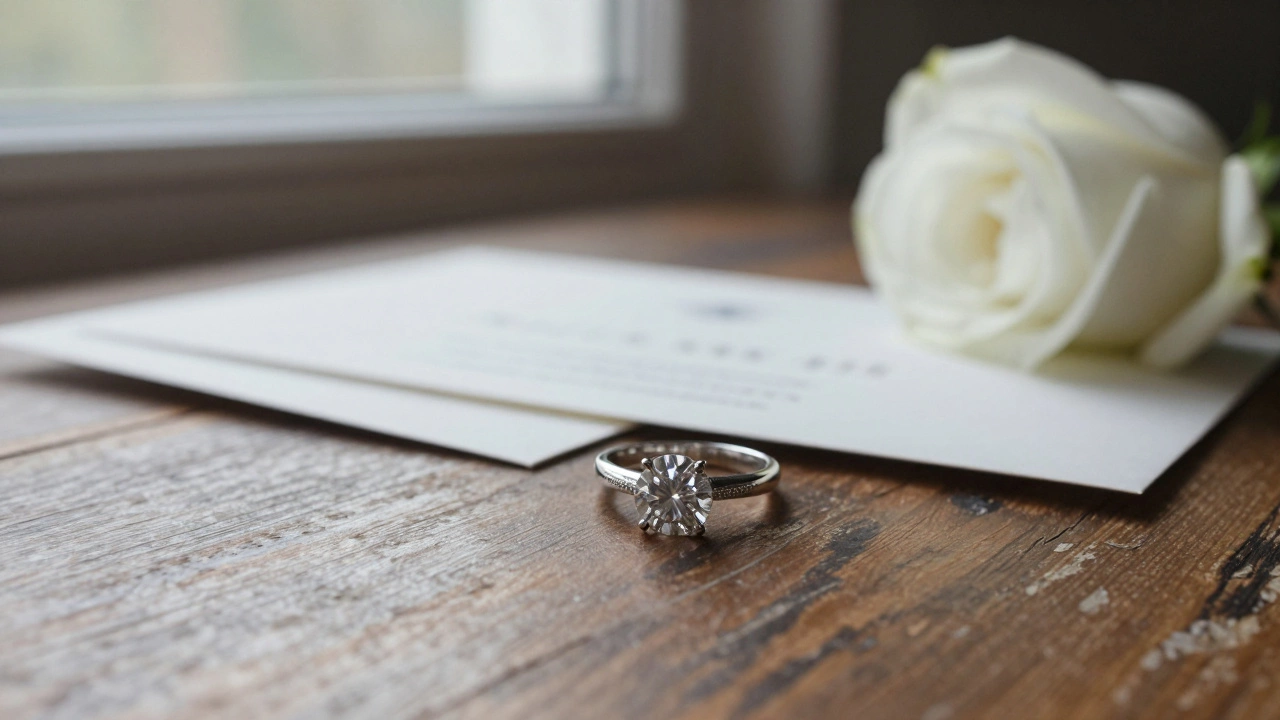
If you called off the engagement, the ring isn’t just jewelry-it’s a symbol with legal and emotional weight. In Ireland, and in most places in the U.S. and U.K., the answer is simple: the person who gave the ring keeps it. That’s the default rule, no matter who ended things or why.
Why the giver keeps the ring
An engagement ring is legally considered a conditional gift. It’s given with the expectation of marriage. When that condition isn’t met, the gift doesn’t become final. Courts in Ireland, England, and most U.S. states treat it this way. The ring isn’t a present like a birthday gift-it’s tied to a future event that never happened.There’s no need to argue over who was at fault. Whether you broke it off because of infidelity, growing apart, or financial stress, the law doesn’t care. What matters is the condition: marriage. No marriage, no permanent transfer of ownership.
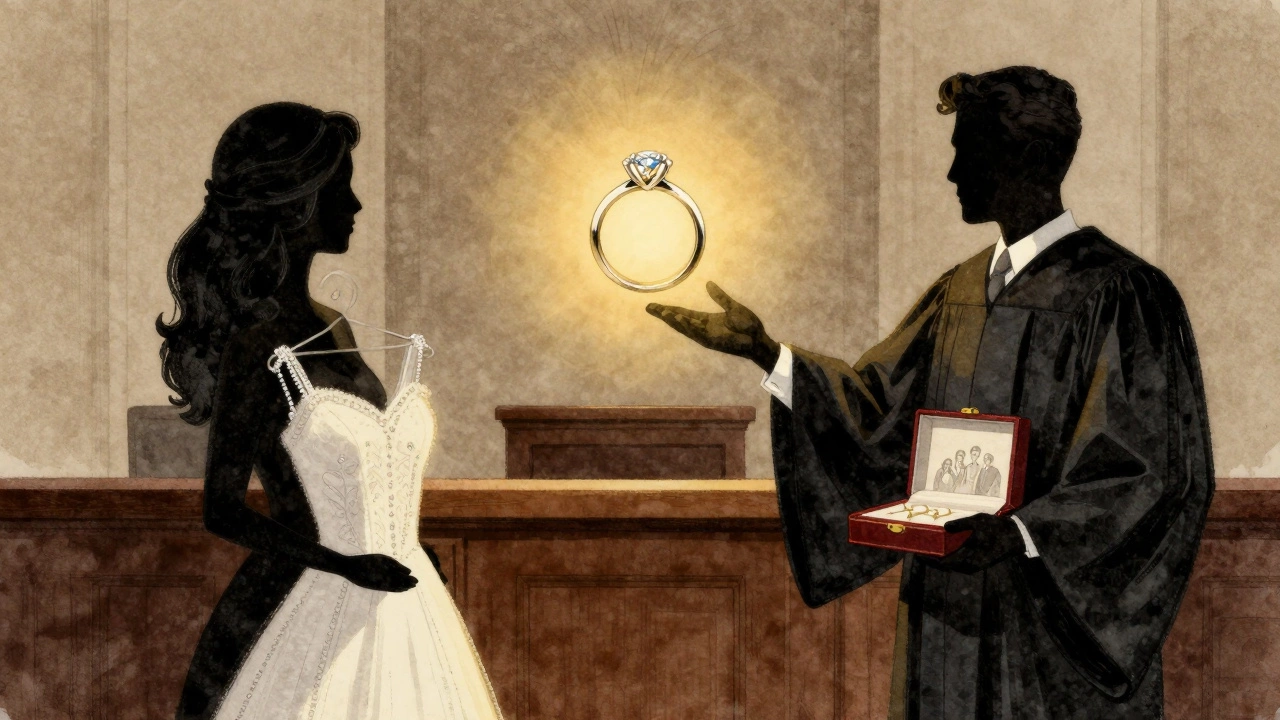
In 2023, a Dublin court ruled in favor of the man who gave the ring after his fiancée called off the wedding. She claimed she’d spent money on the wedding dress and venue, so she deserved to keep it. The judge dismissed that argument. The ring’s value wasn’t tied to wedding expenses-it was a gift with a single condition: marriage.
What if the ring was a family heirloom?
If the ring belonged to the giver’s family before the proposal, the case becomes even clearer. Courts see heirloom rings as conditional gifts with added sentimental value. In one 2022 case in Cork, a woman returned a 1940s Art Deco ring after the engagement ended. The family insisted it was never meant to be hers permanently, even if she wore it for a year. She returned it without dispute.Heirloom rings are rarely treated as personal property once given. They’re passed down with the expectation they’ll stay in the family if the marriage happens. If it doesn’t, they go back.
What about custom or engraved rings?
Engraving the partner’s name or initials doesn’t change the legal outcome. Even if the ring says “Forever, 2025” on the inside, the law still sees it as conditional. The engraving might make it harder emotionally, but it doesn’t make it yours to keep.Some people try to argue that the ring is now “personal property” because they wore it daily or paid for the resizing. That doesn’t hold up in court. Courts look at the original intent: the ring was bought for marriage. No marriage, no ownership transfer.
What if you paid for the ring together?
If both partners contributed to the purchase-say, one paid 60% and the other 40%-the legal answer doesn’t change. The ring is still considered a gift from the person who presented it. The fact that money came from both accounts doesn’t turn it into shared property.That said, couples sometimes work out private agreements. If the ring cost €5,000 and both put in €2,500, it’s common for the giver to return half the value in cash, especially if the relationship ended amicably. But that’s a personal choice, not a legal requirement.
What if the receiver bought the ring?
It’s rare, but sometimes the person who’s proposed to buys the ring themselves-maybe they picked it out, paid for it, and surprised their partner with the proposal. In those cases, the ring legally belongs to the buyer. There’s no gift to return because no one gave anything.That’s why some couples now buy matching bands together before proposing. It avoids confusion. If both people buy their own rings, there’s no ambiguity about ownership if things fall apart.
What do most people actually do?
Legally, the giver keeps it. But emotionally, it’s messier.In Dublin, I’ve heard stories from friends who returned the ring out of guilt. Others sold it to help pay for therapy. A few kept it as a reminder-not to hold on, but to remember how far they’d come.
A 2024 survey by a Dublin-based relationship counselor found that 68% of people who broke off engagements returned the ring. Of the remaining 32%, most kept it for sentimental reasons or because the giver gave permission. Only 5% tried to legally fight for it-and lost.
There’s no shame in returning it. There’s also no shame in keeping it if the giver says it’s yours to keep. Some givers say, “Take it. You deserve something beautiful, even if we didn’t make it to the altar.”
What if you’re in a different country?
Laws vary. In the U.S., 40 states follow the “no-fault” rule: giver keeps it. But a few states, like Montana and New York, treat engagement rings as unconditional gifts. In those places, the receiver keeps it regardless of who ended things.In the U.K., the law mirrors Ireland: conditional gift. Same in Canada and Australia. In some European countries like France and Germany, courts are more likely to split the value if the ring was expensive and both contributed financially.
If you’re not in Ireland or the U.K., check your local laws. But if you’re here, the rule is clear: if you gave the ring, you get it back.

What should you do next?
If you’re the giver: don’t demand the ring back in anger. Ask calmly. Say something like, “I know this is hard. I’d appreciate the ring back-it means a lot to me.” Most people will return it.If you’re the receiver: don’t feel guilty. Returning the ring isn’t a punishment. It’s a way to close a chapter cleanly. You can sell it, donate it, or melt it down into something new. There’s no rule that says you have to keep it forever.
Some people turn their old engagement ring into a pendant, a bracelet, or even a pair of earrings. One woman in Galway had hers turned into a tiny infinity symbol charm. She wears it every day-not as a reminder of what was lost, but of what she learned.
Final thought: It’s not about the ring
The ring is just metal and stone. What matters is how you treat each other after things end. Returning it with kindness, or accepting it back with grace, says more about you than the value of the ring ever could.If you’re the one who gave it, let go of the expectation that you’re owed something. If you’re the one who received it, don’t let guilt keep you from moving on. The ring was a promise. When the promise ends, the ring doesn’t have to become a burden.
Do I have to return the engagement ring if I break it off?
Yes, in Ireland and most common law countries, the engagement ring is considered a conditional gift given for the purpose of marriage. If the marriage doesn’t happen, the ring should be returned to the person who gave it, regardless of who ended the engagement.
What if the ring was expensive or a family heirloom?
Heirloom rings or high-value rings are treated the same way under the law. The fact that it’s valuable or has family history doesn’t change its status as a conditional gift. Courts typically return these rings to the original owner or their family, especially if there’s documentation proving ownership before the proposal.
Can I keep the ring if I paid for part of it?
No. Even if both partners contributed financially, the ring is legally considered a gift from the person who presented it. Courts don’t divide engagement rings like joint assets. The ownership stays with the giver unless they voluntarily agree otherwise.
What if the receiver bought the ring themselves?
If the person who received the proposal bought the ring and gave it to their partner as part of the proposal, then the ring legally belongs to them. There’s no conditional gift involved because no one gave a ring to the other person. Ownership stays with the buyer.
Is it illegal to keep the ring after a breakup?
It’s not a criminal offense, but the giver can take civil legal action to recover it. Courts in Ireland routinely rule in favor of the giver in these cases. Keeping the ring without permission could lead to a lawsuit for the return of property or its cash value.
What if you’re not sure what to do?
Talk to someone you trust-not a lawyer, not your parents, but someone who’s been through it. A counselor, a close friend, or even a support group for people who’ve ended engagements can help you decide what feels right.You don’t have to rush. Take your time. The ring doesn’t disappear if you wait a month. You can always return it later. But the peace of mind you gain from doing it cleanly? That’s worth more than any diamond.