Wedding Suit Budget & Payment Estimator
1. Estimate Costs
Budget Summary
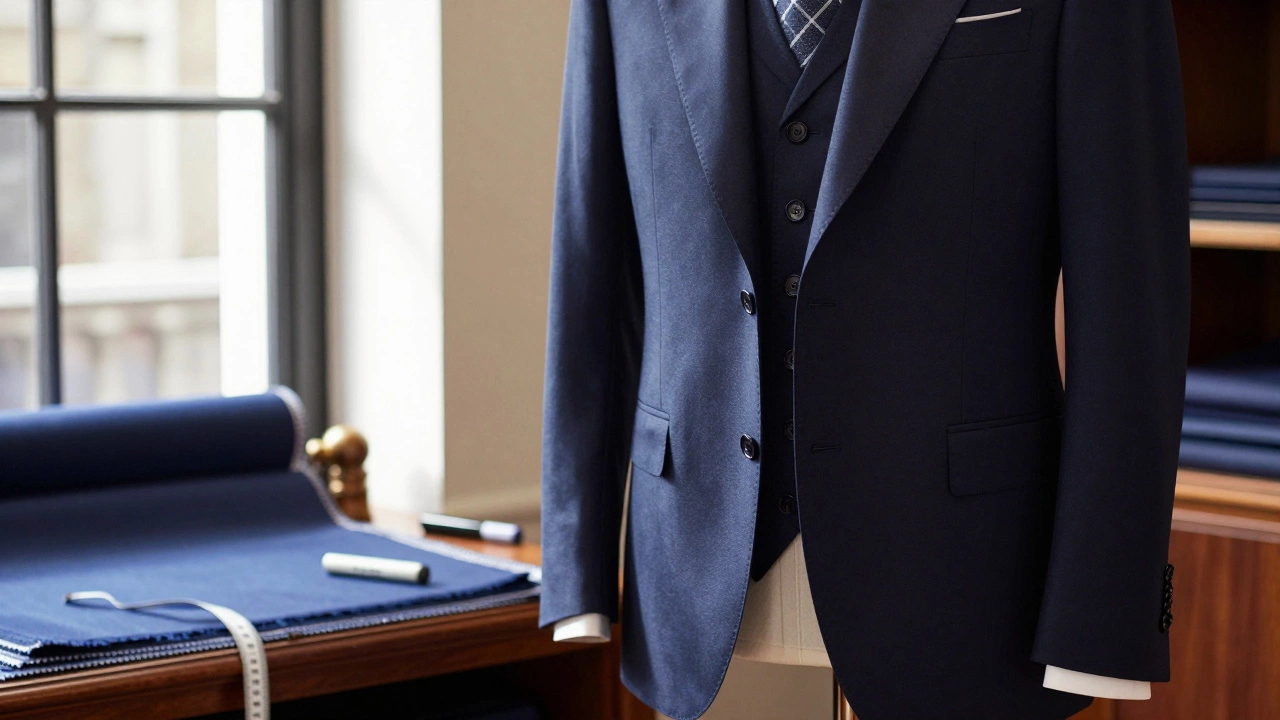
Let's be real: the groom's suit cost can range from a few hundred dollars for a rental to several thousand for a bespoke three-piece ensemble. When that number hits your bank account, it can cause genuine tension if you haven't discussed it. The goal here isn't to tell you who "should" pay in a moral sense, but to show you the different ways couples handle this today so you can pick the one that doesn't lead to an argument during your rehearsal dinner.
Quick Takeaways for Your Budget
- Traditional route: The groom typically pays for his own attire.
- Modern route: The couple treats the suit as a shared wedding expense from a joint fund.
- Family support: Parents of the groom may offer to cover the cost as a gift.
- The "Balance" approach: If the bride's family pays for the dress, the groom's family might cover the suit.
The Traditional Approach: The Groom Handles It
If you're sticking to the classic playbook, the groom is responsible for his own clothing. Historically, Wedding Etiquette is a set of social guidelines that dictate the expected behavior and financial responsibilities during wedding celebrations suggested that the groom treats his attire as a personal expense. In this scenario, the groom buys or rents the suit, pays for the tailoring, and handles the accessories like cufflinks and shoes.
This approach is still very common, especially when the groom wants total control over the style. If you've always dreamed of a velvet dinner jacket but your partner thinks it's "too much," paying for it yourself gives you the final say. However, this can be tough if there's a big gap in income between the two partners. If one person is making six figures and the other is just starting their career, insisting on "traditional" payment can create an unfair financial burden.
The Modern Partnership: A Shared Expense
Most couples today view a wedding as a joint venture. Instead of splitting costs by "his" and "hers," they create a single wedding budget. In this setup, the groom's suit is categorized exactly like the cake or the DJ-it's just another line item. Whether the money comes from personal savings, a joint account, or contributions from both sets of parents, the cost is absorbed by the couple as a unit.
This is often the most stress-free method. It removes the "who owes whom" dynamic and focuses on the overall aesthetic. If the bride's dress is incredibly expensive, the couple might decide to save money on the suit to keep the total spend balanced. It turns the suit into a collaborative decision rather than a solo purchase. For example, if you're spending $5,000 on a venue, spending $800 on a high-quality Tuxedo is a formal evening suit with a satin stripe down the leg and a matching jacket feels like a reasonable shared investment in the day's look.
When Parents Step In: The Gift Dynamic
Sometimes, the groom's parents want to contribute to the big day. Often, this takes the form of a gift. Rather than paying for a specific vendor, they might offer to cover the cost of the suit and shoes. This is a common way for parents to feel involved in the process without taking over the entire wedding planning.
There is a slight etiquette nuance here: if the parents are paying, they might feel they have a say in the style. If you're okay with your dad suggesting a specific color or cut, this is a great financial win. If you have a very specific vision, it's usually better to pay for the suit yourself and let the parents contribute to a different part of the wedding, like the bar or the hotel rooms for the wedding party.

Comparing Your Options: Costs and Logistics
To help you decide who should pay, it helps to look at the actual costs. A rental is a quick fix, but a custom suit is an investment. Here is how the different paths typically break down in terms of cost and ownership.
| Option | Estimated Cost | Who Usually Pays? | Long-term Value |
|---|---|---|---|
| Rental | $150 - $300 | Groom | Low (returned after event) |
| Off-the-Rack + Tailoring | $400 - $900 | Groom or Joint Fund | Medium (can be worn to work/events) |
| Custom / Made-to-Measure | $1,000 - $3,000+ | Joint Fund or Parents | High (perfect fit, lasts years) |
Managing the "Hidden" Costs
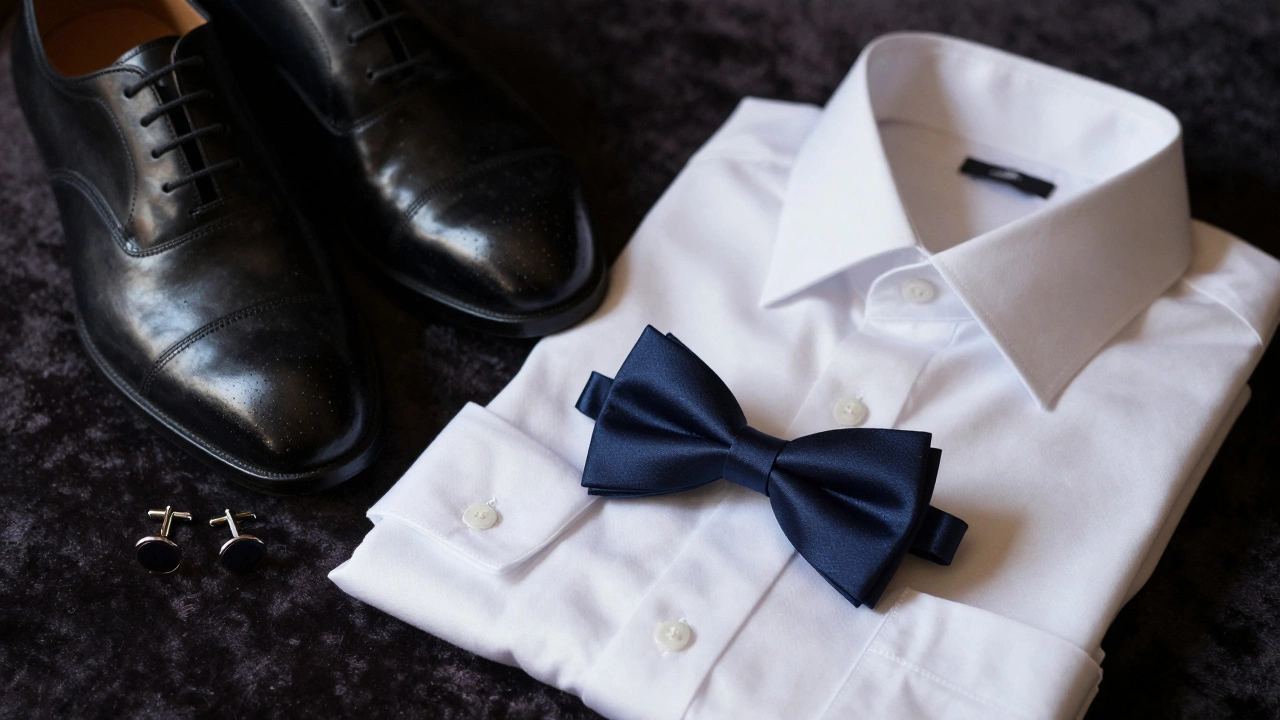
When discussing who pays, don't forget that the suit jacket is only part of the equation. A lot of couples forget to budget for the Accessories is the supplementary items that complete a formal outfit, including ties, pocket squares, and cufflinks . You've got shoes, socks, a belt, a tie or bowtie, and perhaps a new shirt. If you're buying a $600 suit but spending another $400 on a pair of designer shoes and a silk tie, that's a $1,000 total.
Tailoring is another hidden cost. Unless you have a body that fits exactly into a factory-made suit, you'll need a Tailor is a professional who alters clothes to fit a person's specific body measurements to hem the pants and take in the waist. This can add anywhere from $50 to $200 to the bill. When deciding who pays, make sure you are talking about the "out the door" price, not just the sticker price of the jacket.
Avoiding the Money Argument
Money is the fastest way to create tension during wedding planning. To avoid a blow-up, have the "clothing conversation" early-long before you go to the first fitting. Start by asking, "How are we handling the attire budget?" This is a neutral way to open the floor without making assumptions.
If you're the one paying, set a hard limit. If you're the one hoping someone else will pay, be prepared for them to say no. A good rule of thumb is to align the suit budget with the overall vibe of the wedding. It would be strange to have a $20,000 dress and a $100 rental suit, just as it would be odd to have a casual backyard wedding and a $3,000 tuxedo. Matching the investment to the occasion usually makes the decision of who pays feel more logical.
What About the Groomsmen?
While we're talking about who pays for the groom, the same question often applies to the Groomsmen is the male attendants who support the groom during the wedding ceremony . Traditionally, groomsmen pay for their own attire. However, because this can be a huge financial hit for a friend (especially if you're requiring a specific, expensive suit), some grooms choose to pay for their friends' rentals.
If you insist on a very specific look that your friends can't afford, it's a kind gesture to cover at least a portion of the cost. If the groomsmen are paying, give them a range of acceptable options or a specific rental shop to keep costs predictable. Nothing ruins a friendship like a surprise $500 bill for a suit they'll never wear again.
Is it rude to ask my parents to pay for my groom's suit?
It's not rude as long as it's a request, not a demand. Many parents are happy to help, but some may have already budgeted their contribution for the venue or catering. The best approach is to mention it during a broader conversation about wedding gifts or contributions.
Should the groom pay for the bride's dress?
In a modern joint-budget scenario, the "couple" pays for both. In traditional settings, the bride's family often covers the dress. There is no rule that the groom must pay for the dress, but some couples balance it out-if the groom's family pays for the suit, the bride's family pays for the dress.
What is the cheapest way to handle the groom's attire?
Rental is almost always the cheapest immediate cost. However, buying a mid-range suit and having it tailored is often better value because you can wear it to job interviews, funerals, or other weddings for years to come.
Does the groom always have to wear a suit?
Not at all. Depending on the venue (like a beach or a forest), a linen shirt and dress pants or even a traditional cultural garment may be more appropriate. The "who pays" logic remains the same regardless of the garment type.
What happens if we can't agree on who pays?
If you're hitting a wall, try the "percentage split." Instead of a 50/50 split, you contribute based on your respective incomes. This ensures that neither partner is financially crippled by the cost of the attire.
Next Steps for Your Planning
Now that you've decided who's paying, it's time to actually find the suit. If you're using a joint fund, create a specific "Attire" category in your spreadsheet. If you're paying for it yourself, start shopping early-custom suits can take 6 to 12 weeks to arrive and fit. If you're relying on parents, have that conversation this week so you know exactly what your budget is before you walk into a fancy boutique and fall in love with something way over your price range.