Groom Attire Decision Guide
Not sure who has the final say on your tuxedo or suit? Answer these three questions to find the best approach for your specific situation.
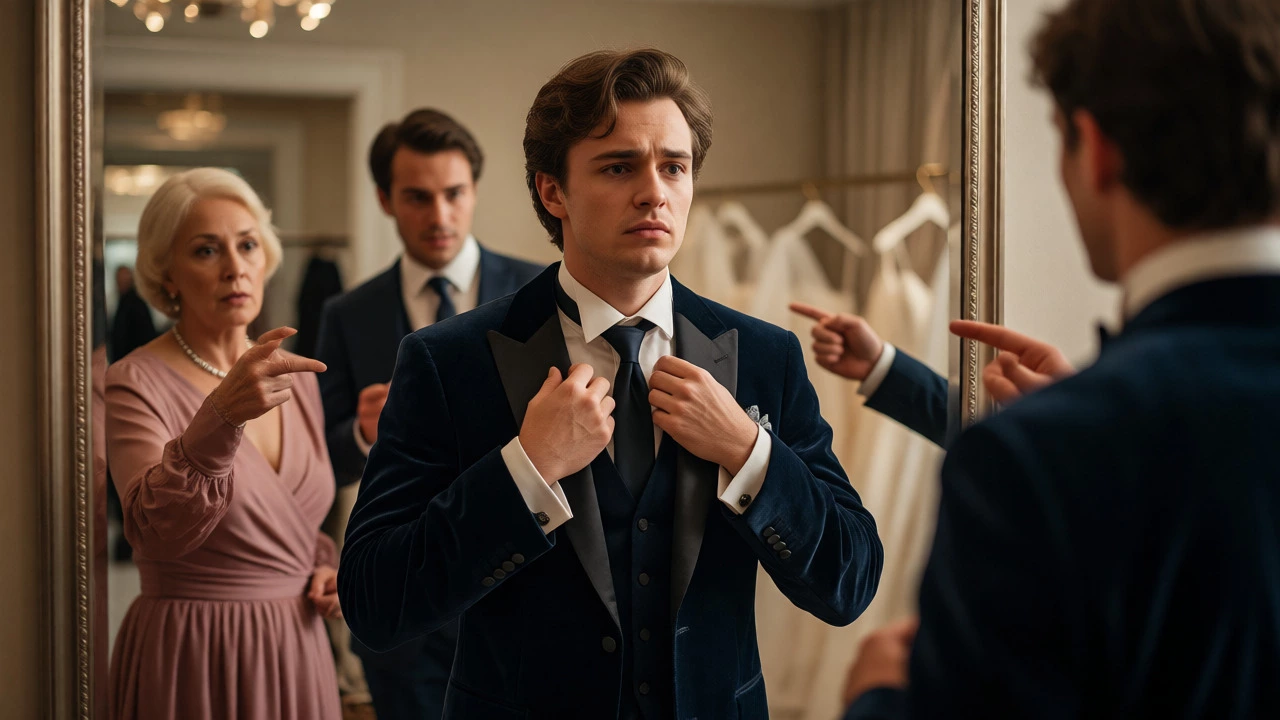
Picture this: It’s three weeks before the big day. The bride is panicking about her veil, but you’re standing in a fitting room wearing an ill-fitting tuxedo that smells like mothballs and regret. You didn’t pick it. Your mother did. Or maybe your best man sent a link to a "trendy" slim-fit number from a fast-fashion site. Sound familiar? This scenario plays out in thousands of weddings every year because there is no single rule for who picks what the groom wears. It’s a negotiation, a collaboration, and sometimes, a gentle power struggle.
The truth is, the responsibility for the groom’s outfit rarely falls on just one person. It’s usually a shared effort between the groom, the bride, and occasionally key family members or the wedding planner. But how do you navigate these waters without ending up in a suit you hate? Let’s break down who actually makes the call, why they do it, and how you can ensure you end up looking sharp and feeling comfortable.
The Modern Default: Collaboration Over Dictation
Gone are the days when the groom simply showed up in whatever his father wore in 1985. Today, most couples approach wedding attire as a joint project. Why? Because the visual harmony of the couple matters more than ever. If the bride is wearing a modern, minimalist silk gown, a heavy Victorian-style frock coat might look out of place. Conversely, if she’s going full traditional with lace and pearls, a neon-colored blazer might clash.
In most contemporary weddings, the Groom takes the lead on style preferences, while the Bride has veto power over clashes with her dress and the overall theme. This isn’t about control; it’s about cohesion. Think of it as co-designing the brand image for your biggest public appearance together.
| Person | Primary Influence | Decision Power |
|---|---|---|
| The Groom | Comfort, fit, personal style identity | High (Final approval) |
| The Bride | Aesthetic harmony, color palette, formality level | Medium-High (Veto/Collaborative) |
| Wedding Planner | Theme consistency, vendor logistics | Advisory |
| Family Members | Tradition, budget contribution, cultural norms | Low-Variable (Depends on culture) |
When the Bride Takes the Lead
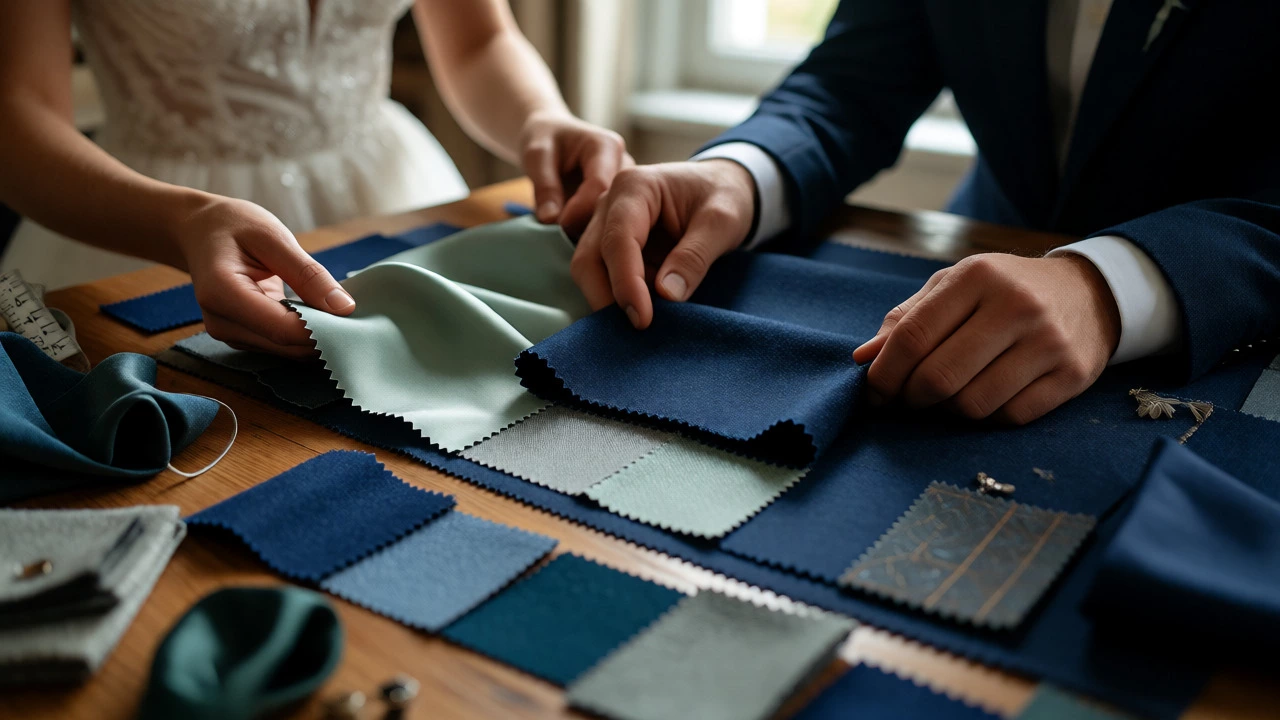
There are specific scenarios where the bride steps into the driver’s seat. Usually, this happens when she has a very strong vision for the wedding aesthetic. If she’s spent months curating a specific color palette-say, sage green and dusty rose-she will likely want the groom’s tie, pocket square, or even suit lining to reflect those hues. She’s not trying to dress you like a doll; she’s trying to make sure you don’t look like you wandered in from a different event.
Another common trigger is surprise gifts. Some brides love the idea of gifting the groom his suit as part of the wedding preparations. In this case, she picks the outfit entirely, often based on a vague description of size and style provided by the groom’s best man. This can be risky. Unless you have given her detailed measurements and clear style boundaries (e.g., "No double-breasted," "Must be navy, not black"), you might end up with something you never would have chosen yourself. If you’re open to this, communicate clearly. Send photos of styles you like and dislike. Don’t leave it to chance.
The Role of Tradition and Family
We can’t ignore the influence of family, especially in cultures where weddings are large communal events. In many Irish, British, and Southern European traditions, the groom’s father or grandfather might insist on certain elements. For instance, in some Scottish weddings, the choice of tartan for the kilt is a serious family matter, often dictated by clan lineage rather than fashion trends. Similarly, in Jewish weddings, the groom might wear a kittel or specific headwear based on religious observance, which overrides personal preference.
If your family is contributing financially to the wedding, their opinion might carry more weight. It’s a delicate balance. If your parents are paying for the venue, catering, and your suit, they might feel entitled to a say. The key here is diplomacy. Listen to their suggestions, acknowledge their input, but gently steer the final decision back to you and your partner. Remember, you’re the one wearing it for twelve hours. Comfort should trump tradition if the two conflict significantly.
The Best Man and Groomsmen Factor
Your best man often gets involved, but usually only after the main decisions are made. His role is typically logistical: scheduling fittings, ensuring everyone’s suits arrive on time, and checking that the ties match. However, he might also act as a sounding board. If you’re torn between two options, ask him. He sees you regularly and knows what colors work with your skin tone and body type.
Be careful, though. If you let your entire group of groomsmen vote on your outfit, you’ll end up with a compromise that pleases no one. Designate one trusted friend or family member to help you narrow down choices, then present the final two options to your bride for a tie-breaker. Keep the circle small to avoid decision fatigue.
Hiring a Professional Stylist or Tailor
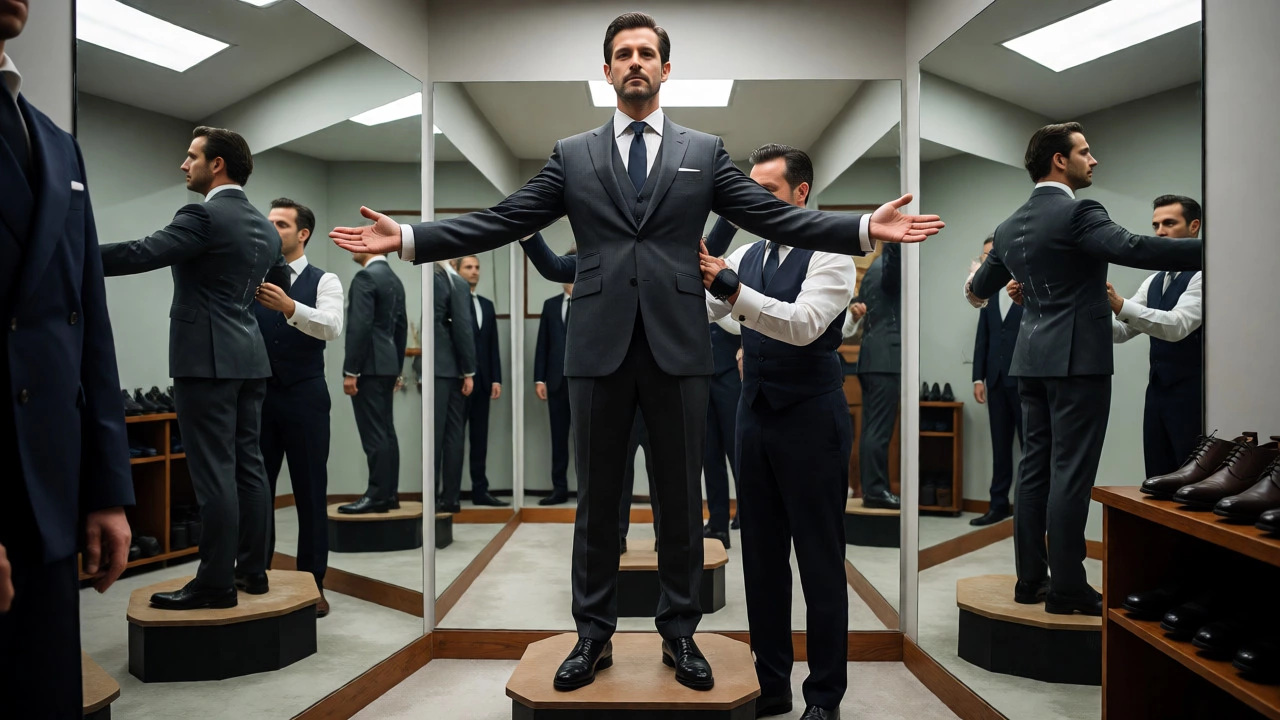
If you’re overwhelmed, hire a professional. Many high-end menswear stores offer styling services where a consultant helps you select fabrics, cuts, and accessories. They aren’t just selling you a suit; they’re solving a problem. A good tailor knows that a slim fit looks modern but can restrict movement during dancing, while a classic fit allows comfort but might look dated in photos. They can guide you toward a middle ground.
Professionals also help with the details people forget: shirt collar spread, cufflink style, shoe leather quality, and sock height. These small choices add up. A stylist can tell you that a wide-spread collar works better with a Windsor knot, which pairs well with a formal wedding, whereas a point collar is better for a casual button-down look. This expertise removes the guesswork and ensures you look polished.
Practical Steps for Choosing Your Outfit
So, how do you actually go about picking the right gear without losing your mind? Follow this simple workflow:
- Define the Formality Level: Is it black-tie optional? Semi-formal? Beach casual? This dictates whether you need a tuxedo, a dark suit, or linen separates.
- Check the Venue and Season: A velvet jacket looks great indoors in winter but stifling outdoors in July. Consider the location. A castle wedding calls for different attire than a barn reception.
- Coordinate with the Bride: Show her fabric swatches. Ask her what shade of white her dress is (ivory, bright white, champagne). This affects your shirt color.
- Prioritize Fit Over Brand: A $300 suit tailored perfectly looks better than a $2,000 off-the-rack suit. Budget for alterations.
- Test Drive the Outfit: Wear the full ensemble, including shoes, for a few hours at home. Sit, stand, dance. Check for chafing or tightness.
Common Pitfalls to Avoid
One major mistake is choosing the suit too late. Custom tailoring can take 6-8 weeks. Even off-the-rack suits need 2-3 weeks for adjustments. Start shopping at least four months out.
Another trap is matching the groomsmen exactly. While you want unity, you don’t want to look like part of a uniform. Differentiate yourself subtly through texture, pattern, or accessory choices. If the groomsmen wear solid ties, you wear a patterned one. If they wear brown shoes, you wear black. This distinction highlights your role without creating a jarring contrast.
Finally, don’t ignore the weather. If you’re getting married in Ireland in November, a lightweight summer wool blend won’t cut it. Look for heavier fabrics like flannel or tweed. Stay warm, stay stylish.
Frequently Asked Questions
Should the groom choose his own suit?
Ideally, yes. The groom should have significant input because he needs to feel confident and comfortable. However, it should be a collaborative process with the bride to ensure aesthetic harmony.
Does the bride pay for the groom's suit?
Traditionally, the groom pays for his own attire and the groomsmen's outfits. However, modern couples often split costs or use a shared wedding fund. There is no strict rule, so discuss finances openly.
Can the mother of the groom pick the suit?
She can suggest options, especially if she is paying for it, but the final decision should rest with the couple. Her input is valuable, but it shouldn't override the groom's comfort or the couple's vision.
How far in advance should we buy the groom's suit?
Start looking 4-6 months before the wedding. This allows time for ordering, shipping, and multiple fittings. Rush orders often result in poor fits and higher stress.
What if the bride and groom disagree on the style?
Compromise is key. Perhaps you agree on the color but differ on the cut. Hire a neutral third party, like a tailor or stylist, to mediate. Focus on the goal: looking good together in photos.