RSVP Meaning: What It Really Means and How to Handle Wedding Responses
When you see RSVP, a French phrase standing for "répondez s'il vous plaît," meaning "please respond". Also known as wedding response card, it's not just a polite request—it's a critical part of planning your wedding day. If you don’t know how many people are coming, you can’t book the right venue, order the right amount of food, or even arrange seating. This isn’t about being pushy—it’s about basic logistics. A wedding isn’t a guesswork event. It’s a carefully planned gathering, and RSVPs are the data that make it work.
Many guests treat RSVPs like a suggestion, not a requirement. But the numbers don’t lie: most weddings see between 75% and 85% attendance, and those missing responses are the ones that throw off your entire plan. You can’t assume someone will show up just because they said they’d come. Real couples in the UK and Ireland are now sending gentle reminders, using digital tools, and even calling guests who haven’t replied by the deadline. The truth? If someone doesn’t respond, they’re not necessarily ignoring you—they might just not know how to reply, or they’re waiting for someone else to decide. That’s why clear instructions on your invitation matter. Don’t just say "RSVP by June 1st." Say "Please let us know by June 1st if you’ll be there so we can plan your meal and seat." Make it personal. Make it easy.
There’s also a big difference between wedding RSVP, the formal request for guest confirmation and the actual guest response rate, how many people actually reply. Some couples get 90% replies. Others get 60%. The difference? Timing, clarity, and follow-up. Sending out save-the-dates early helps. Including a pre-addressed, stamped reply card helps even more. And if you’re using digital invites, make sure the button to respond is obvious—not buried in a paragraph. This isn’t about control. It’s about respect—for your budget, your vendors, and your guests who want to be part of your day without the stress of last-minute changes.
And don’t forget: what happens after RSVPs come in? That’s where wedding invitation etiquette, the unspoken rules around how to handle responses, regrets, and last-minute changes kicks in. If someone says no, thank them. If they say yes, send them a reminder a week before. If they don’t respond at all, it’s okay to call. You’re not being rude—you’re being responsible. Wedding planning is full of emotional moments, but the quiet ones—like tracking RSVPs—are what keep everything from falling apart.
Below, you’ll find real advice from couples who’ve been there: how to handle no-shows, how to set deadlines that work, what to say when someone forgets to reply, and how to make your guest list feel accurate—not just hopeful. These aren’t theories. These are the tools real brides and grooms used to plan weddings that ran smoothly, on budget, and without the panic.
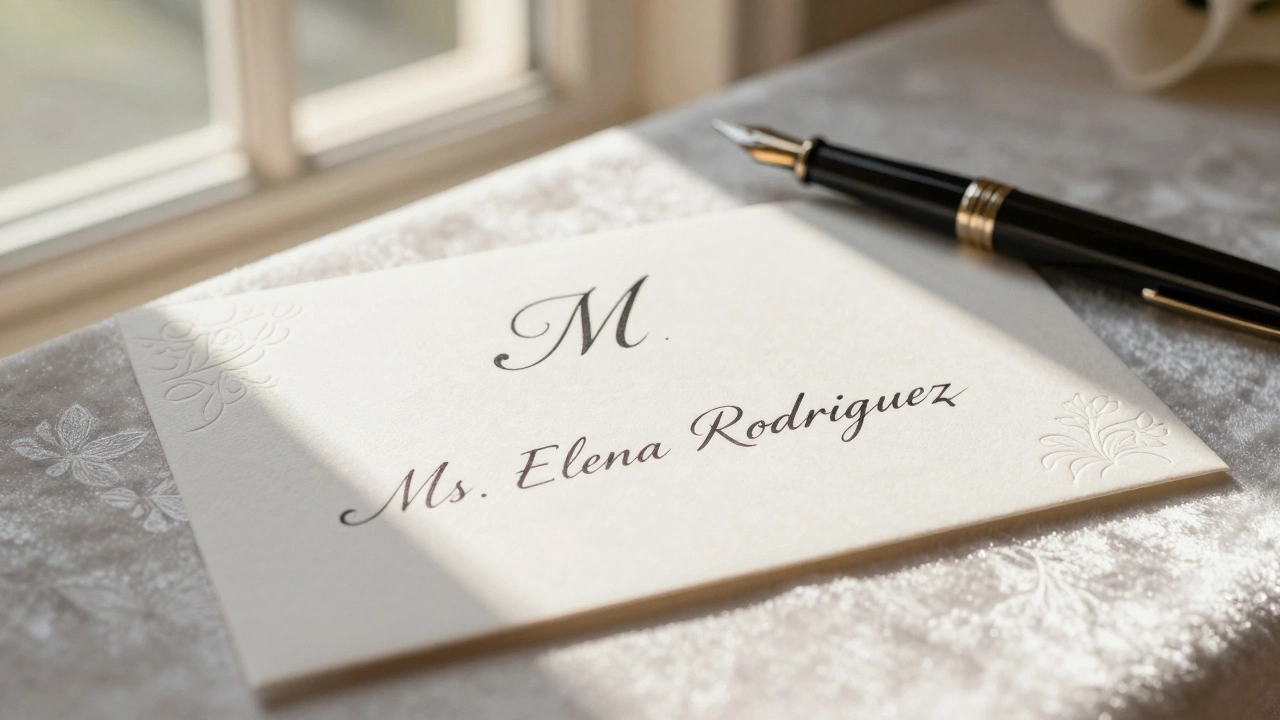
What Does M Mean on an RSVP? Simple Guide to Wedding Response Cards
The 'M' on an RSVP stands for Mr., Mrs., Ms., or Miss - it's a prompt to write your formal title before your name. Learn how to respond correctly without overthinking wedding etiquette.